Best Flea and Tick Treatment for Dogs with Sensitive Skin
Protect your dog from fleas and ticks without causing irritation. Discover gentle, effective treatments for sensitive skin.
If your dog has sensitive skin, finding the right flea and tick treatment can be challenging. Many conventional products contain harsh chemicals that can cause redness, itching, hair loss, or even chemical burns. This guide walks you through the safest and most effective flea and tick treatments for dogs with sensitive skin, helping you choose a solution that protects your pet without irritation.
🐾 Key Takeaway: The best flea and tick treatment for dogs with sensitive skin is one that is gentle, non-irritating, and recommended by your veterinarian. Always patch-test any new topical product and monitor your dog closely after application. If a reaction occurs, wash the product off immediately and contact your vet.
Understanding Sensitive Skin in Dogs
Dogs with sensitive skin react strongly to certain chemicals, environmental allergens, or even grooming products. This hypersensitivity often stems from allergies, genetic predispositions, or underlying skin conditions. Common signs include:
- Excessive scratching, licking, or biting of the skin
- Redness, rashes, or hot spots
- Dry, flaky patches or dandruff
- Hair loss or thinning in localized areas
- Recurring skin infections or ear infections
Dogs with these symptoms are more prone to adverse reactions from flea and tick products. This is why selecting a flea treatment specifically formulated for sensitive skin is crucial. Dog allergies can also exacerbate skin reactions, so managing overall skin health is equally important.
Types of Flea and Tick Treatments for Sensitive Skin
Not all flea and tick treatments are created equal. Below are the main categories, with a focus on their suitability for dogs with sensitive skin.
Topical Treatments
Topical (spot-on) treatments are applied to the skin, usually between the shoulder blades. For sensitive dogs, look for:
- Non-pyrethroid formulas: Avoid permethrin, which is highly irritating. Opt for selamectin or fipronil alternatives.
- Alcohol-free: Alcohol-based carriers can dry and irritate sensitive skin.
- Fast-drying: Quick-absorbing formulas reduce skin contact time.
Popular gentle topicals include Revolution (selamectin) and Advantage Multi. Always apply to clean, dry skin and avoid areas with broken skin.
Oral Chewables
Oral treatments are ingested and work systemically. They are often the safest choice for dogs with sensitive skin because they bypass the skin entirely. Benefits include:
- No risk of topical irritation
- Waterproof and bath-resistant
- Can be given with or without food
Popular oral options include NexGard (afoxolaner), Simparica (sarolaner), and Bravecto (fluralaner). These are generally well-tolerated, but always check with your vet, especially for dogs with a history of seizures.
Shampoos and Dips
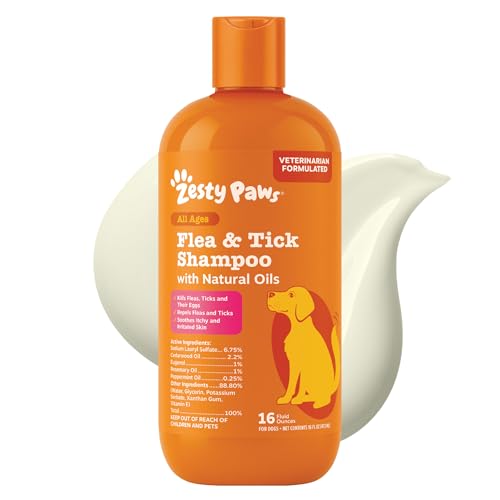
Medicated shampoos can be effective for immediate relief but are not long-term solutions. For sensitive skin, choose hypoallergenic, oatmeal-based shampoos with gentle active ingredients. They are a good adjunct to other treatments but should not be used more than once a week to avoid drying out the skin. Proper bathing techniques can also help soothe irritated skin.
Top Gentle Flea & Tick Treatments Compared
| Product | Active Ingredient | Type | Skin Sensitivity Rating | Estimated Price |
|---|---|---|---|---|
| Revolution | Selamectin | Topical | ⭐⭐⭐⭐⭐ Very gentle | $75+ (3-month supply) |
| NexGard | Afoxolaner | Oral | ⭐⭐⭐⭐⭐ Best for skin | $85+ (3-month supply) |
| Simparica | Sarolaner | Oral | ⭐⭐⭐⭐ Very low irritant | $80+ (3-month supply) |
| Bravecto | Fluralaner | Oral | ⭐⭐⭐⭐ Low irritant | $100+ (3-month supply) |
| Advantage Multi | Imidacloprid + Moxidectin | Topical | ⭐⭐⭐ Gentle, but may irritate | $70+ (3-month supply) |
| Natural Flea Shampoo | Essential oils | Shampoo | ⭐⭐⭐ Variable | $15–$25 |
Natural Alternatives for Sensitive Dogs
If you prefer a natural approach, some plant-based options can be effective and are less likely to cause irritation. However, natural doesn't always mean safe. Always consult your vet before using any natural product.
- Essential Oils: Diluted cedarwood, peppermint, and clove oils have repelling properties. Never apply undiluted essential oils to your dog's skin.
- Diatomaceous Earth: Food-grade diatomaceous earth can be sprinkled on bedding and in areas where fleas live. However, it's less effective on the dog itself.
- Flea Combs: A metal flea comb can physically remove fleas and eggs. This is a great non-chemical method to use alongside other treatments.
⚠️ Important: Natural doesn't always mean safe. Some essential oils (e.g., tea tree, eucalyptus) are toxic to dogs. Always research and consult your vet before using any natural product on a dog with sensitive skin.
Tips for Applying Treatments to Sensitive Skin
Minimize the risk of irritation with these practical tips:
- Patch Test: Apply a small amount of the treatment on a tiny area of skin (like the inside of the thigh). Wait 24–48 hours to see if any reaction occurs.
- Apply Correctly: For topicals, part the fur and apply directly to the skin, not the fur. This ensures proper absorption and reduces residue.
- Monitor Closely: Watch your dog for the first few hours after application. If excessive scratching, redness, or hives appear, wash the area with mild soap and water and contact your vet immediately.
- Stagger Treatments: Avoid applying multiple products (e.g., a flea collar and a topical) simultaneously, as this can increase the risk of a reaction.
When to Consult a Veterinarian
Even with the gentlest products, some dogs may still experience reactions. Consult your vet if:
- Your dog develops a rash, hives, or severe itching after treatment
- There are signs of systemic illness (vomiting, diarrhea, lethargy)
- Your dog has a history of severe skin allergies or autoimmune issues
- You are unsure which product is safest for your dog's specific health profile
Your veterinarian can recommend a product tailored to your dog's needs and may even prescribe a compounded medication if no commercial product is suitable. For a list of vet-approved flea treatments, check our comprehensive guide.
Frequently Asked Questions
🐶 Final Word: Choosing the right flea and tick treatment for a dog with sensitive skin requires careful consideration. Prioritize gentle, vet-recommended products, monitor your dog closely, and don't hesitate to consult your veterinarian. A happy, itch-free dog is a happy dog!