Dog Travel Accessories: The Complete Guide
Everything you need to know about choosing the right gear for safe, comfortable, and stress-free travel with your dog — from car seats and harnesses to travel crates and on-the-go essentials.
Traveling with your dog can be one of the most rewarding experiences you share together — but it requires preparation. Whether you are planning a weekend road trip, a cross-country move, or a flight to visit family, the right dog travel accessories make the difference between a stressful ordeal and a smooth adventure.
The challenge is that the pet travel market is flooded with products of wildly varying quality. Some are genuinely crash-tested and safety-certified; others are little more than decorative boxes that offer no real protection. This guide cuts through the marketing to help you understand what actually matters, what to look for, and how to build a travel kit that keeps your dog safe and comfortable.
Why Dog Travel Accessories Matter
An unrestrained dog in a moving vehicle is a danger to themselves, to you, and to everyone else on the road. In a sudden stop at highway speed, an unsecured dog becomes a projectile — and even a small dog can generate forces that cause serious injury. This is not a hypothetical concern; it is a well-documented safety issue that most owners underestimate.
Beyond safety, the right accessories solve practical problems. They protect your vehicle from hair, dirt, and scratches. They give your dog a consistent, familiar space that reduces anxiety. They make it easier to manage bathroom breaks, feeding, and hydration on the road. And they help you comply with airline, train, and accommodation rules.
The Three Goals of Every Travel Accessory:
• Safety — prevent injury to your dog and to passengers in the event of a crash or sudden maneuver.
• Comfort — reduce stress and give your dog a sense of security in unfamiliar environments.
• Convenience — make the logistics of travel manageable for you, so you are more likely to bring your dog along.
Car Travel Safety Gear
Car travel is how most dogs travel, and it is also where safety risks are highest. The core principle is simple: your dog should be secured in a way that prevents them from being thrown forward in a crash, while still allowing them to sit or lie down comfortably.
Crash-Tested Harnesses
A crash-tested harness distributes force across your dog's chest and shoulders rather than concentrating it on the neck. It attaches to your vehicle's seat belt system, either directly or through a tether. When evaluating a harness, look for independent crash testing (not just manufacturer claims), padded chest plates, and metal hardware rather than plastic buckles for the load-bearing connection.
A well-designed harness should allow a full range of motion for sitting, standing, and lying down without becoming tangled. Avoid harnesses that rely on thin straps or that place pressure on the throat. For dogs who pull, a front-clip harness used with a seat belt tether gives you both control and safety.
Dog Car Seats and Booster Seats
For small dogs, a car seat or booster seat elevates them so they can see out the window while keeping them contained. A good car seat is secured to the vehicle seat with a seat belt or LATCH-style connection, then the dog is secured inside with a harness or tether. This combination is important: a car seat that is not itself secured offers little protection.
Booster seats typically work best for dogs under about 20 pounds. They should have a rigid frame, a washable liner, and a tether point that connects to the dog's harness. Avoid soft-sided "baskets" that simply rest on the seat without attachment — these will move in a crash.
Seat Covers and Hammocks
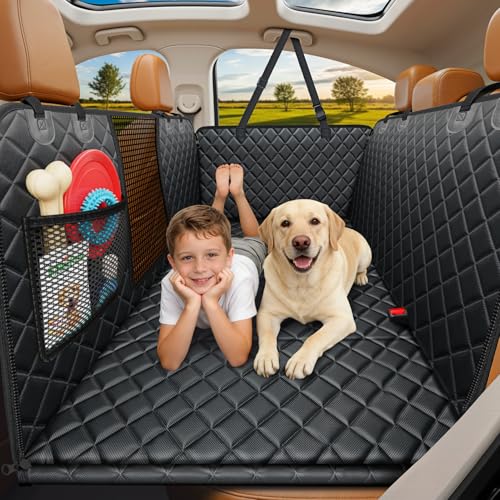
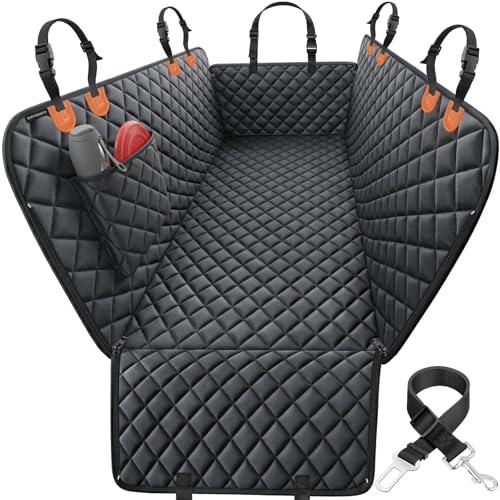
Seat covers and hammocks protect your upholstery from hair, dirt, moisture, and claws. A hammock-style cover extends across the back seat and creates a barrier that prevents your dog from falling into the footwell. Look for waterproof materials, nonslip backing, and attachment points that anchor around headrests.
These are not safety devices on their own — they do not restrain your dog — but they make travel far more pleasant and reduce cleanup dramatically. Many hammocks include side flaps and a center zipper that lets you convert them into a standard seat cover.
| Accessory | Primary Purpose | Best For | Safety Role |
|---|---|---|---|
| Crash-tested harness | Restraint | All dogs | High — primary safety device |
| Car seat / booster | Containment + visibility | Small dogs | High when properly secured |
| Travel crate | Containment + protection | All sizes | High if crash-tested |
| Seat cover / hammock | Protection + comfort | All dogs | Low — not a restraint |
| Seat belt tether | Connects harness to belt | All dogs | High with quality harness |
Carriers, Crates & Strollers
Not every trip is a car trip, and not every dog travels well in a harness. Carriers and crates give your dog a defined, enclosed space that can feel like a den — which is calming for many dogs. They are also required for air travel and often for trains and buses.
Soft-Sided Carriers
Lightweight, collapsible, and easy to store. Most airline-approved carriers are soft-sided. Look for mesh panels for ventilation, a rigid bottom panel, and secure zippers. Best for small to medium dogs and calm travelers. Not suitable for dogs who chew or scratch aggressively.
entry-level to mid-rangeHard-Sided Crates
Maximum protection and durability. Often required for cargo air travel. Plastic or aluminum construction with metal doors. Heavier and bulkier but the safest option for dogs who are anxious or destructive. Look for adequate ventilation on multiple sides.
mid-range to premiumCollapsible Travel Crates
Pop-up fabric crates that fold flat for storage. Excellent for hotel stays and camping because they give your dog a familiar "home base" at the destination. Lightweight and portable. Not designed for in-vehicle crash protection.
budget-friendly to mid-tierDog Strollers
Ideal for senior dogs, injured dogs, or small dogs who tire easily on long outings. Also useful in crowded urban environments and at events where dogs must stay contained. Look for pneumatic or large wheels, a secure harness attachment, and a brake system.
mid-range to high-endTip: Whichever carrier or crate you choose, introduce it at home before the trip. Feed meals inside it, leave the door open so your dog can explore, and reward calm behavior. A carrier that only appears on travel day will be associated with stress.
On-the-Go Essentials
These are the accessories you will use at every rest stop, hotel room, and destination. They are not glamorous, but they are the difference between a smooth trip and a chaotic one.
Hydration and Feeding
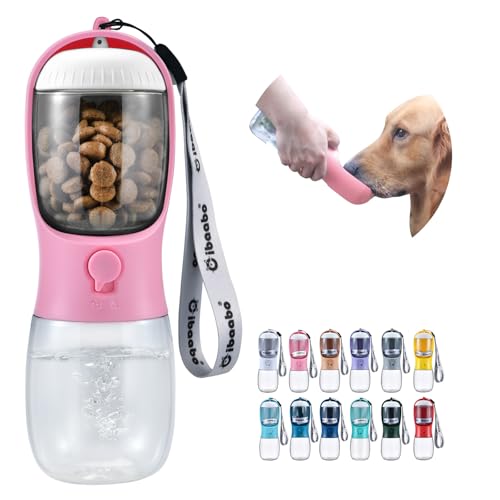
- Travel water bottle with built-in bowl: Lets you offer water without stopping to unpack. Look for leak-proof designs with a wide opening that is easy to clean.
- Collapsible bowls: Silicone or fabric bowls that fold flat. Bring two — one for water, one for food. They weigh almost nothing and take up minimal space.
- Sealed food container: Keeps kibble fresh and prevents spills. Portion out meals in advance if you can, so you are not measuring in a hotel room.
- Collapsible or travel-friendly food mat: Contains mess and keeps bowls from sliding around on slick floors.
Waste and Cleanup
- Poop bags: Bring far more than you think you need. A leash-mounted dispenser keeps them accessible.
- Pet-safe wipes: For muddy paws, dirty coats, and quick cleanups between baths.
- Absorbent towels: Microfiber towels dry fast and pack small. Essential if your dog swims or gets caught in rain.
- Enzyme cleaner: For accidents in hotel rooms or vehicles. Travel-sized bottles are available.
Identification and Safety
- ID tags with current contact info: Include a mobile number, not just a home number. Consider a temporary tag with your destination address for long trips.
- GPS tracker or smart tag: Attaches to the collar and lets you locate your dog if they slip away in an unfamiliar place. Especially valuable when traveling.
- Reflective leash and collar: Important for evening walks in unfamiliar areas.
- Copy of vaccination records and vet contact: Digital and paper copies. Some accommodations and border crossings require proof of rabies vaccination.
For dogs who need extra security, a well-fitted dog muzzle can be useful in stressful situations, and a dog first aid kit is non-negotiable for any trip. If you are traveling somewhere with extreme weather, dog shoes protect paws from hot pavement and rough terrain, while paw protection products help prevent cracking and irritation.
Comfort & Anxiety Solutions
Travel is stressful for many dogs. Unfamiliar smells, motion, and confinement can trigger anxiety that ranges from mild whining to severe distress. A few accessories can make a significant difference.
Calming Aids
Anxiety wraps apply gentle, constant pressure that has a calming effect similar to swaddling. They are drug-free and can be used for car rides, vet visits, and fireworks. Pheromone diffusers and sprays mimic the calming pheromones a mother dog produces; they work well in hotel rooms and crates but require time to take effect. For persistent anxiety, calming products including chews and supplements may help, but always consult your vet before introducing anything new.
Familiar Comfort Items
- A familiar blanket or bed: Smells like home and gives your dog a consistent resting spot wherever you stop.
- A favorite toy: Provides comfort and a distraction during downtime.
- Puzzle toys and long-lasting chews: Keep your dog occupied during long drives and hotel evenings. A puzzle toy can turn a boring rest stop into mental enrichment.
If your dog experiences motion sickness, talk to your vet about anti-nausea options. Feeding a light meal a few hours before travel, keeping the car cool, and facing your dog forward can also reduce symptoms. For dogs with severe travel anxiety, a toy designed for separation anxiety may help, though for many dogs the solution is gradual desensitization rather than a product.
Air Travel Accessories
Air travel has stricter requirements than any other mode of transport. The single most important accessory is an airline-approved carrier that meets your specific airline's size and ventilation rules — and those rules vary between carriers, so verify before you book.
Key Air Travel Requirements:
• Carrier size: Must fit under the seat in front of you for in-cabin travel. Measure your airline's maximum dimensions before buying.
• Ventilation: Carriers need mesh panels on at least two sides. For cargo travel, ventilation on three or four sides is typically required.
• Secure closures: Zippers should be lockable or have security clips. Some airlines require zip ties on cargo crates.
• Live animal labels: Required for cargo crates, along with "This Way Up" stickers.
• Health certificate: Most airlines require a recent veterinary health certificate, often issued within 10 days of travel.
For in-cabin travel, a soft-sided carrier with a rigid bottom and mesh ventilation is usually the best choice. It should be small enough to fit under the seat but tall enough for your dog to stand and turn around comfortably. Practice having your dog inside the carrier for extended periods before the flight, and consider a dog stroller or carrier with wheels for getting through the airport — most airlines require the dog to be in the carrier while moving through the terminal.
For dogs traveling in cargo, a hard-sided crate is the safest option. Look for one that is specifically rated for air travel, with metal hardware and secure door latches. Avoid crates with plastic clips that can pop open. Line the crate with absorbent bedding and attach a water bowl to the door — but do not fill it to the brim, as it will spill.
Packing Checklist
Use this checklist to make sure you have what you need before every trip. Adjust based on trip length, destination, and your dog's individual needs.
Safety & Restraint
- Crash-tested harness or travel crate
- Seat belt tether or carrier tie-down
- Leash (bring a spare)
- ID tags with mobile number
- GPS tracker or smart tag
- Muzzle (if your dog may need one in stressful situations)
Comfort & Containment
- Travel crate or carrier (for hotel room and downtime)
- Familiar blanket or travel bed
- Seat cover or hammock
- Favorite toy and one puzzle toy
- Anxiety wrap (if needed)
Food, Water & Cleanup
- Food (portioned for the trip, plus extra)
- Collapsible bowls (two)
- Travel water bottle
- Treats
- Poop bags
- Pet-safe wipes and towels
- Enzyme cleaner
Health & Documentation
- First aid kit
- Any medications (with extra doses)
- Vaccination records (digital and paper)
- Vet contact information
- Health certificate (for air travel or border crossings)
Common Travel Mistakes to Avoid
- Letting your dog ride unrestrained. This is the most dangerous mistake. Even a short trip to the vet carries risk. Secure your dog every time.
- Buying a carrier without measuring. Airline dimensions vary. Measure your dog and your airline's requirements before purchasing, and check the return policy.
- Skipping the acclimation period. A carrier or car seat that appears suddenly on travel day will be stressful. Introduce it weeks in advance with treats and positive associations.
- Feeding a large meal right before travel. This increases the risk of motion sickness and accidents. Feed a light meal a few hours before departure.
- Relying on a seat cover as a restraint. Seat covers protect your car; they do not protect your dog. Always pair them with a harness or crate.
- Forgetting to secure the crate in the car. An unsecured crate will slide and tip in a crash. Run the seat belt through the crate handle or use a tie-down strap.
- Traveling without vaccination records. Many hotels, campgrounds, and border crossings require proof of rabies vaccination. Keep copies accessible.
- Leaving your dog alone in a parked car. Even with the windows cracked, interior temperatures can become lethal within minutes. Never leave your dog unattended in a vehicle.
First Trip Tip: Start with a short, low-stakes drive — around the block, then to a park your dog enjoys. Build up duration and distance gradually. If your dog associates the car with fun destinations rather than only vet visits, travel becomes much easier over time.
Frequently Asked Questions
Ready to Travel?
Start with the safety essentials: a crash-tested harness or secured carrier, a seat cover, and a basic travel kit. Add comfort and convenience items as your travel routine develops. The most important accessory is preparation — introduce new gear gradually, practice short trips, and always secure your dog before the car moves. The products below are selected to cover the core needs of dog travel, from safety restraint to on-the-go hydration. Use the links to compare current options and find the right fit for your dog and your vehicle.