Best Dog Toys for Separation Anxiety
Discover the most effective interactive, puzzle, and comfort toys that keep your dog calm, engaged, and less stressed when you're away from home.
Coming home to a destroyed couch, a howling dog, or a puddle by the door is heartbreaking. You are not alone — separation anxiety is one of the most common behavioral issues in dogs, affecting an estimated 20–40% of the pet dog population. The good news is that the right combination of dog toys, training, and environmental management can dramatically improve your dog's quality of life and your peace of mind.
This guide focuses specifically on the role of toys in managing separation anxiety. You will learn which toys work best, why they work, and how to integrate them into a comprehensive plan. Whether you are looking for puzzle toys to distract your dog at departure or chew toys to provide comfort, you will find practical, evidence-based recommendations here.
Understanding Separation Anxiety in Dogs
Separation anxiety is a genuine panic disorder, not a behavioral choice or a sign that your dog is spoiled. When a dog with separation anxiety is left alone, their brain enters a state of high alert, triggering the fight-or-flight response. This is why they may destroy doors, howl for hours, or lose control of their bladder — they are not being spiteful; they are terrified.
Common Signs of Separation Anxiety:
• Excessive barking, howling, or whining when alone
• Destructive behavior, especially around doors and windows
• House soiling despite being house-trained
• Pacing, drooling, or trembling
• Attempts to escape from crates or rooms
• Depression or loss of appetite when you are away
• Overly enthusiastic greeting when you return
Understanding the root cause is essential before you start buying toys. A dog who is bored will benefit from mental stimulation, while a dog in a state of panic needs a different approach. Many dogs experience both boredom and anxiety, so a multi-layered strategy works best. For a deeper dive into the condition itself, see our full guide on dog separation anxiety.
How Toys Help Anxious Dogs
Toys are not a magic cure, but they are a powerful management tool. They work through three primary mechanisms:
1. Mental Distraction
When your dog is focused on extracting a treat from a puzzle toy, their brain is occupied with problem-solving rather than anxious thoughts. This is the same principle behind behavior modification techniques — you are redirecting their attention to a positive, engaging activity. The mental fatigue from a challenging toy can be as effective as physical exercise for reducing anxiety.
2. Physical Outlet
Chewing is a self-soothing behavior for dogs. The rhythmic action of chewing releases endorphins and provides comfort. Durable chew toys give your dog a safe outlet for their stress and energy. This is especially important for dogs who become destructive when anxious — a chew toy is a legal alternative to your furniture.
3. Comfort and Security
Some toys mimic the warmth and heartbeat of a littermate or provide a soft, cuddly presence. These comfort objects can help a dog feel less alone. Combined with other calming tools like dog anxiety wraps or calming products, they create a multi-sensory environment of safety.
Important: Toys work best as part of a comprehensive plan. They should be combined with gradual desensitization to your departure, a predictable routine, and — in severe cases — professional guidance from a trainer specializing in separation anxiety. If your dog's anxiety is extreme, consult with a veterinary behaviorist as well.
Types of Toys That Work Best
Not all toys are created equal when it comes to separation anxiety. The most effective options fall into four categories, each serving a different purpose in your dog's anxiety management plan.
Puzzle Toys
Puzzle toys require your dog to solve a problem to get a treat. This engages their brain, builds confidence, and provides a long-lasting distraction. The best puzzle toys for separation anxiety are adjustable in difficulty — you want a toy that your dog can succeed with, not one that frustrates them. Look for toys with multiple compartments and varying difficulty levels. As your dog masters a puzzle, you can increase the challenge to keep them engaged.
Mid-range to PremiumTreat-Dispensing Balls
These rolling toys dispense kibble or treats as your dog plays with them. They encourage physical activity and provide intermittent reinforcement — the "slot machine effect" that keeps dogs interested for extended periods. They are ideal for dogs who are active and need both mental and physical stimulation. Choose a size appropriate for your dog and ensure the dispensing opening is adjustable to control the difficulty level.
Budget-Friendly to Mid-rangeDurable Chew Toys
Chewing is a natural stress reliever. For anxious dogs, a high-quality durable chew toy provides a soothing, repetitive activity that can calm their nervous system. Look for toys made from tough, non-toxic materials like natural rubber or nylon. Avoid toys that are too hard (like antlers or bones) as they can fracture teeth. The right chew toy should have some give to it. This category is particularly important for dogs who become destructive when left alone.
Mid-range to High-endComfort & Heartbeat Toys
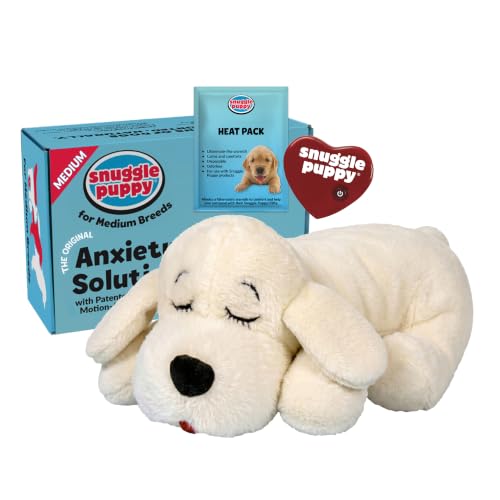
These plush toys often include a heartbeat simulator and a heat pack to mimic the presence of a littermate or mother. They can provide genuine comfort to dogs who are distressed by being alone. They are especially effective for puppies and dogs who enjoy cuddling. While not indestructible, they serve a unique emotional purpose that puzzle toys cannot replicate. Many dogs will snuggle with their comfort toy when they would otherwise be pacing or crying.
Premium to LuxuryInteractive & Electronic Toys
Interactive toys that move, make sounds, or respond to your dog's actions can be highly engaging. Some can even be controlled remotely via a smartphone app, allowing you to interact with your dog while you are away. These toys are at the higher end of the market in terms of complexity and cost, but they offer unparalleled mental engagement. They are best for dogs who are tech-savvy and easily bored by static toys. Battery life and durability are key considerations.
High-end to LuxurySnuffle Mats & Lick Mats
Snuffle mats encourage your dog to use their nose to find treats hidden in fabric strips, mimicking foraging behavior. Lick mats are textured surfaces you can spread with wet food, yogurt, or peanut butter (xylitol-free). The act of licking is deeply calming for dogs — it releases endorphins and can lower heart rate. These are excellent low-impact options for dogs of all ages and energy levels. They are also relatively affordable and easy to clean.
Budget-Friendly to Mid-rangeToy Comparison Chart
Use this chart to compare the different types of toys at a glance. The "Best For" column helps you match the toy type to your dog's specific needs.
| Toy Type | Primary Benefit | Best For | Durability | Supervision Needed |
|---|---|---|---|---|
| Puzzle Toys | Mental distraction | Smart, easily bored dogs | Moderate to High | Initial sessions, then safe |
| Treat-Dispensing Balls | Physical & mental engagement | Active dogs, food-motivated dogs | Moderate | Safe for most dogs |
| Durable Chew Toys | Stress relief through chewing | Destructive chewers, anxious dogs | High | Choose appropriate size |
| Comfort & Heartbeat Toys | Emotional security | Puppies, cuddlers, severe anxiety | Low to Moderate | Not for aggressive chewers |
| Interactive & Electronic Toys | High engagement, remote interaction | Tech-savvy, high-energy dogs | Moderate to High | Check for damage regularly |
| Snuffle Mats & Lick Mats | Calming, foraging outlet | All dogs, especially seniors | Moderate (fabric) | Safe, but clean regularly |
How to Choose the Right Toy
Choosing the best toy for your dog requires more than picking the most expensive option. You need to consider your dog's individual personality, chewing style, and the specific way their anxiety manifests.
1. Assess Your Dog's Chewing Style
- Gentle chewers: Most toys will work. You can prioritize comfort and puzzle toys. Plush toys may survive longer.
- Moderate chewers: Choose durable rubber or nylon toys. Avoid thin plastics and plush toys without supervision.
- Power chewers: Invest in high-end, virtually indestructible toys. Look for brands that offer warranties. Always supervise with any new toy until you are confident it is safe. A dog muzzle is not a substitute for a safe chew toy, but it can prevent destructive chewing in extreme cases.
2. Match the Toy to the Anxiety Trigger
- If your dog paces and whines: A puzzle toy or treat-dispensing ball can redirect their energy into a focused activity.
- If your dog destroys things: A durable chew toy is essential. Provide multiple options and rotate them to maintain novelty.
- If your dog trembles and hides: A comfort toy with a heartbeat may provide the security they crave. Combine with a pheromone diffuser for a multi-sensory calming environment.
- If your dog is a puppy: Focus on age-appropriate chew toys and gentle puzzle toys. Avoid small parts that can be swallowed. Our puppy training guide has more tips for preventing anxiety early.
Pro Tip: Rotate your dog's toys every few days. Keep only 3-4 toys available at a time, and store the rest out of sight. When you bring out a "new" toy, it will be more exciting and engaging. This is especially effective for dogs who get bored quickly. You can also freeze treats inside puzzle toys for a longer-lasting challenge.
Safety Tips for Unsupervised Play
Toys are only helpful if they are safe. An unsafe toy can cause choking, intestinal blockage, or injury — all of which would worsen your dog's anxiety. Follow these guidelines to keep your dog safe.
- Size matters: The toy should be large enough that your dog cannot swallow it. A good rule of thumb is that the toy should be bigger than your dog's mouth. For chew toys, choose a size appropriate for your dog's weight and breed.
- Inspect toys regularly: Check for cracks, tears, loose parts, or sharp edges. Discard and replace damaged toys immediately. A toy that is coming apart can be a choking hazard or cause an intestinal blockage.
- Avoid small parts: Squeakers, bells, and plastic eyes can be chewed off and swallowed. If a toy has these components, supervise your dog closely or remove the parts before giving the toy to your dog.
- Choose non-toxic materials: Look for toys made from food-grade, non-toxic materials. Avoid toys with strong chemical odors or cheap plastic that can splinter. Natural rubber and sturdy nylon are good choices.
- Supervise with new toys: Always watch your dog with a new toy for the first few sessions. This lets you assess durability and safety. Once you are confident, you can leave the toy with your dog while you are away.
- Beware of rope toys: Rope toys can be great for interactive play, but they can unravel and be swallowed. If you use rope toys, supervise play and replace them when they start to fray.
- Check for allergies: Some dogs are allergic to certain materials, like latex or specific dyes. If your dog develops skin irritation or digestive issues after playing with a new toy, discontinue use and consult your vet. Our guide to dog sensitive skin has more information.
Emergency Alert: If you suspect your dog has swallowed a piece of a toy, contact your veterinarian or an emergency animal clinic immediately. Signs of a blockage include vomiting, diarrhea, lethargy, loss of appetite, and abdominal pain. Our guide on dog surgery explains what to expect if surgical removal is necessary. Prevention is always better than treatment.
Building a Toy-Based Routine
The way you introduce and use toys matters as much as the toys themselves. A structured routine helps your dog associate being alone with positive experiences. Here is a step-by-step plan:
- Introduce toys while you are home: Let your dog explore new toys while you are present and relaxed. Play with them and reward interest. This builds a positive association before the toy is ever used for alone time.
- Create a "departure ritual": About 15-20 minutes before you leave, give your dog a high-value puzzle toy or treat-dispensing ball filled with their favorite treats. This is not a goodbye — it is a signal that something good is about to happen. Do not make a big deal of your departure.
- Provide a comfort toy: Leave a heartbeat or plush toy in your dog's bed. This can provide ongoing comfort after the puzzle toy is empty.
- Ignore your dog when you return: This sounds counterintuitive, but it is crucial. If you greet your dog with excitement, you reinforce the idea that your return is a big event worth worrying about. Instead, come home calmly, ignore your dog for a few minutes until they are calm, then greet them quietly.
- Practice short absences: Start with just a few seconds. Give a puzzle toy, step out the door, and come back immediately. Gradually increase the duration. This desensitizes your dog to your departure. Combine this with the toy to create a positive association.
- Vary your routine: Do not always leave at the same time or in the same way. Pick up your keys at random times without leaving. This prevents your dog from becoming anxious at the first sign of your departure routine.
- Consider a dog tracker or camera: If you want to monitor your dog's behavior while you are away, a pet camera or a smart tracker can provide valuable insight. You can see whether your dog is engaging with the toys or still panicking. This information helps you adjust your approach.
Common Mistakes to Avoid
Even well-intentioned owners make mistakes that can worsen their dog's anxiety. Avoid these common pitfalls:
- Using toys as a substitute for training: Toys manage the symptoms, but they do not cure the underlying anxiety. You must also work on desensitization and counter-conditioning. For severe cases, professional help from a certified trainer or behaviorist is essential.
- Giving toys only when you leave: If your dog only gets puzzle toys when you leave, they may learn to associate the toy with your absence, which can increase anxiety. Give these toys at random times when you are home too, so they are not a "departure signal."
- Leaving too many toys out: An overwhelming pile of toys can be overstimulating, not calming. Rotate 3-4 toys at a time to keep them novel and interesting.
- Punishing anxiety-related destruction: If you come home to a chewed-up couch, do not punish your dog. They do not understand why you are angry hours later. Punishment increases fear and anxiety, making the problem worse. Instead, focus on prevention and management.
- Making departures and arrivals emotional: A long, emotional goodbye can trigger anxiety in your dog. Keep it low-key. The same goes for your return. Calm and neutral is the goal.
- Neglecting other calming tools: Toys are just one part of the solution. Consider combining them with calming products, anxiety wraps, or pheromone diffusers. Some dogs also benefit from calming treats.
- Giving up too soon: Behavior change takes time. Be patient and consistent. If you do not see improvement after several weeks of consistent effort, seek professional guidance.
Frequently Asked Questions
Your Next Steps
Managing separation anxiety is a journey, not a quick fix. Start by choosing one or two toys from the categories above that best match your dog's personality. Introduce them positively while you are home. Then, begin practicing short absences with the toys as part of your departure routine. Combine this with the other strategies mentioned in this guide, and consider consulting a professional if progress is slow. Your dog depends on you for their sense of safety — and with the right tools and patience, you can help them feel secure even when you are not there.