Dog Supplies: Complete Buying Guide for 2026
From essential everyday gear to specialized products for health, safety, and comfort — this guide helps you choose the best supplies for your dog with confidence.
Bringing a dog into your home is one of the most rewarding decisions you can make. But with the overwhelming number of dog supplies available on the market, it's easy to feel lost. This guide cuts through the noise, helping you identify what you actually need, what's worth spending money on, and what you can safely skip.
Whether you're a first-time puppy parent or an experienced dog owner looking to upgrade your gear, you'll find practical recommendations here. We've done the research so you can make informed purchasing decisions — and yes, we've included trusted affiliate links to make shopping easier.
Essential Dog Supplies Every Owner Needs
Before you bring your new dog home, you need to have the basics ready. Missing key supplies on the first day sets both you and your dog up for stress. Here's what every dog owner must have from day one:
- ID Tags & Collar: A well-fitting collar with up-to-date identification tags is your dog's first line of defense if they get lost. Include your phone number and address. Microchip registration is also critical — read our guide on dog tags and identification for complete details.
- Leash: A 4-6 foot nylon or leather leash is the standard for walks and training. Retractable leashes are not recommended for training as they encourage pulling and can be dangerous in traffic. For more options, check our best dog leashes guide.
- Food & Water Bowls: Stainless steel or ceramic bowls are hygienic and durable. Plastic bowls can harbor bacteria and cause allergic reactions in some dogs. Elevated bowls may help with digestive issues and are especially beneficial for larger breeds.
- High-Quality Dog Food: Choose food appropriate for your dog's life stage and size. Start with a small bag to ensure your dog tolerates it well before committing to a larger purchase. Visit our dog nutrition guide for help selecting the best food.
- Training Treats: Small, soft treats that you can give frequently during training sessions are essential. Aim for treats with fewer than 3 calories each. For more treat ideas, explore our best dog treats guide.
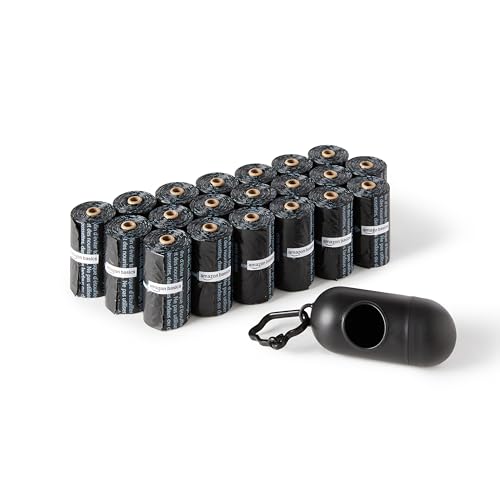
- Waste Bags: Always carry biodegradable waste bags during walks. It's required in most public areas and a basic courtesy to your neighbors. Our dog waste bags guide covers eco-friendly options.
New Puppy Checklist: In addition to the items above, puppy supplies checklist includes: a crate, puppy pads or potty training supplies, puppy food, teething toys, and a soft bed. Puppies need extra supplies for their specific developmental stage.
Collars, Leashes & Harnesses
Walking your dog should be a pleasure, not a struggle. The right collar, leash, or harness makes all the difference. Here's how to choose:
Collars
- Flat Collar: Best for everyday wear with ID tags. Choose one that fits snugly but allows two fingers to slip between the collar and your dog's neck. Check our best dog collars guide for durable options.
- Martingale Collar: Recommended for sighthounds (like Greyhounds and Whippets) that have heads narrower than their necks. They tighten gently when pulled but don't choke.
- Head Collar (Gentle Leader): Works similar to a horse halter. It redirects the dog's head, effectively controlling direction and discouraging pulling. Excellent for strong dogs, but requires proper introduction.
Harnesses
- Front-Clip Harness: The best choice for dogs that pull. The leash attaches at the chest, turning the dog toward you when they pull, reducing their momentum. Highly recommended for training.
- Back-Clip Harness: Good for dogs that already walk well on a loose leash. Also popular for small dogs and breeds prone to tracheal collapse (like Yorkies and Chihuahuas).
- No-Pull Harness: Usually combines front and back clips with additional pressure points to discourage pulling. Read our dog harness guide for detailed reviews of top brands.
Pro Tip: Never use a harness alone for tie-out or in the car. For car safety, you need a crash-tested car harness that connects to the seatbelt. Regular walking harnesses can break in an accident.
Crates, Beds & Comfort
Your dog needs a safe space they can call their own. A well-chosen crate and bed provide security, support joint health, and give your dog a place to retreat when they need quiet time.
Choosing the Right Crate
Crates are invaluable for crate training puppies and providing a safe den-like environment for adult dogs. The key is choosing the right size:
- Measure your dog: Measure from the tip of the nose to the base of the tail, and from the floor to the top of the head (or ears, whichever is taller). Add 2-4 inches to both dimensions.
- Consider growth: For puppies, buy a crate with a divider. Start with a smaller space, then gradually expand it as your puppy grows. Our crate buying guide covers the best brands and sizes.
- Choose the right material: Metal wire crates are versatile and collapsible. Plastic crates (like the Vari-Kennel) are better for travel. Soft-sided crates are lightweight but not suitable for chewers.
Beds & Sleeping Areas
A good bed supports joint health and improves sleep quality. Consider these factors:
- Orthopedic beds: Ideal for senior dogs and breeds prone to hip dysplasia. Look for memory foam or egg-crate foam that distributes weight evenly.
- Bolster beds: Have raised edges that provide a sense of security. Many dogs love resting their heads on the edge. Check out our best dog beds guide for top-rated options.
- Cooling beds: Perfect for hot climates or dogs with thick coats. These beds are made of materials that reflect heat away from the dog.
- Waterproof/Outdoor beds: Great for dog houses or outdoor use. Made from durable, easy-to-clean materials.
Feeding & Watering Supplies
What you feed your dog matters, but so does how you feed them. The right bowls and feeding accessories can prevent common issues and make mealtime more enjoyable.
Bowls & Feeding Accessories
- Stainless Steel Bowls: The gold standard. They're durable, rust-resistant, non-porous, and don't retain odors or bacteria. Dishwasher safe.
- Ceramic Bowls: Heavy and stable, good for dogs that push their bowls around. Ensure they're lead-free and glazed.
- Slow Feeder Bowls: Essential for dogs that eat too fast or are prone to bloat. They have ridges that force the dog to eat more slowly. Browse our dog bowls guide for the best slow feeders.
- Automatic Feeders: Great for busy schedules or maintaining a strict feeding routine. Some models even allow portion control via smartphone apps. Read our review of automatic dog feeders.
Water Solutions
- Water Bowls: Same material recommendations apply. Always provide fresh, clean water. Change it at least twice daily.
- Water Fountains: Encourage picky drinkers to stay hydrated. The moving water appeals to a dog's natural instinct and reduces the risk of urinary tract issues.
- Travel Water Bottles: Essential for walks, hikes, and car rides. Many come with an attached bowl for easy drinking. Check our dog water bottle guide for top picks.
Feeding Essentials: If you're transitioning to a new food, check our dog nutrition articles for safe transition strategies. And if your dog has allergies, our guide on dog food allergies can help you choose appropriate supplies.
Toys & Mental Stimulation
Toys aren't just entertainment — they're essential for your dog's mental health and behavioral development. The right toys prevent boredom, reduce destructive behavior, and strengthen your bond.
Types of Dog Toys
- Chew Toys: Satisfy your dog's natural urge to chew. Nylabones, Benebones, and rubber toys (like Kongs) are excellent choices. Check our best chew toys guide for heavy chewers.
- Interactive & Puzzle Toys: These engage your dog's problem-solving skills. Treat-dispensing balls, puzzle boards, and snuffle mats are great for mental exercise. Learn more from our puzzle toys guide.
- Fetch Toys: Balls, frisbees, and tug toys are perfect for exercise and bonding. Look for durable materials that can withstand repeated use. Explore our fetch toys guide for recommendations.
- Tug Toys: Great for interactive play, but ensure you have a clear "drop it" command before initiating. See our tug toys guide for safe options.
- Stuffed Toys: Soft and comforting for cuddling. But they're not suitable for heavy chewers, as they can be torn apart and ingested. Always supervise with plush toys.
Mental Stimulation Matters: Just 15-20 minutes with a puzzle toy can be as tiring as a 30-minute walk. If your dog is excessively barking or engaging in destructive behavior, they may be bored and need more interactive toys.
Grooming & Hygiene Supplies
Regular grooming keeps your dog healthy and comfortable. Having the right supplies at home saves money on professional grooming and helps you catch potential health issues early.
Essential Grooming Tools
- Brushes & Combs: Choose based on your dog's coat type. Slicker brushes work for most coats. Undercoat rakes are essential for double-coated breeds like Huskies and German Shepherds. Check our dog brush guide for detailed recommendations.
- Nail Clippers & Grinders: Keeping nails short is crucial for joint health and preventing painful overgrowth. Choose guillotine-style clippers for small dogs and grinder-style for large breeds. See our nail clippers guide for the best tools.
- Dog Shampoo & Conditioner: Use specifically formulated dog shampoo — human products disrupt the pH balance of their skin. Our best dog shampoo guide covers options for sensitive skin, allergies, and fleas.
- Toothbrush & Toothpaste: Dental disease is the most common health issue in dogs. Daily brushing with enzymatic dog toothpaste is ideal. Check our dog toothbrush guide for ergonomic options.
- Ear Cleaner: Regular ear cleaning prevents infections, especially in floppy-eared breeds. Use a veterinarian-recommended solution and cotton balls—never cotton swabs.
- Grooming Table or Mat: Provides a stable, non-slip surface that makes grooming sessions safer and more comfortable for both you and your dog.
Specialized Grooming: If your dog has sensitive skin or allergies, use hypoallergenic shampoos and conditioners. And don't forget to check out our dog dryer guide if you frequently bathe your dog at home.
Travel & Outdoor Gear
Whether you're taking a road trip, hiking, or just walking around the neighborhood, having the right travel and outdoor supplies ensures safety and comfort.
Travel Essentials
- Car Harness or Crate: Your dog must be secured in the car. A crash-tested harness or a travel crate is essential for their safety and yours. Learn more about dog car harnesses.
- Travel Carrier: Ideal for small dogs, airline travel, and veterinary visits. Choose one that is well-ventilated and comfortable for your dog. Explore our dog carrier guide.
- Travel Water Bottle: Stay hydrated with collapsible bowls and portable water dispensers. Our travel water bottle guide has top picks for on-the-go hydration.
- Car Seat Cover: Protects your car's upholstery from dirt, fur, and scratches. Waterproof covers are easy to clean and essential if you frequently travel with your dog.
Outdoor Gear
- Life Jacket: Essential for boating, swimming, and any water activities. Even good swimmers tire quickly. Read our dog life jacket guide before your next lake trip.
- Dog Boots/Shoes: Protect paws from hot asphalt, cold snow, ice, and salt. Especially important for city dogs and those living in extreme climates. See our dog shoes guide for fit tips.
- Dog Stroller: Great for senior dogs, dogs with mobility issues, or those recovering from surgery. Check our best dog stroller guide for terrain-appropriate options.
- Paw Protection Balm: Protects against cracked paws in winter and burns in summer. Useful year-round for active dogs.
Travel Checklist: Before any trip, review our dog travel accessories guide and travel essentials checklist. Always bring a copy of your dog's vaccination records, a first-aid kit, and extra food and water.
Health & Safety Supplies
Prevention is always better than cure. Having the right health and safety supplies can save your dog's life in an emergency and prevent common health problems.
First Aid & Medical Essentials
- First Aid Kit: Every dog owner needs a basic first aid kit. It should include: gauze pads, non-stick bandages, adhesive tape, antiseptic wipes, tweezers (for tick removal), styptic powder (for nail bleeds), and a digital thermometer. Check our dog first aid kit guide for complete contents.
- Flea & Tick Preventatives: Year-round protection is essential. Options include topical treatments, oral medications, and collars. Our flea treatment guide compares the best options for your region.
- Heartworm Prevention: Heartworms are transmitted by mosquitoes and can be fatal. Prevention is easy and affordable; treatment is expensive and hard on the dog. Read our heartworm prevention guide for recommendations.
- Joint Supplements: For dogs with arthritis or at-risk breeds, consider joint supplements containing glucosamine and chondroitin. Explore our joint supplement guide for effective options.
- Probiotics: Support digestive and immune health with high-quality dog probiotics. Especially beneficial for dogs with sensitive stomachs.
Safety Gear
- GPS Tracker: Provides peace of mind if your dog wanders off. Many models pair with smartphone apps for real-time tracking. Explore our dog GPS tracker guide.
- Dog Gate: Keeps your dog out of restricted areas in the house. Essential for puppy-proofing and managing multi-pet households. Check our dog gates guide.
- Fencing Solutions: If your dog spends time outside, a secure fence is non-negotiable. Our dog fencing guide covers traditional and wireless options.
- Muzzle: Even the friendliest dogs may need a muzzle at the vet or in stressful situations. Read our dog muzzle guide for safe fit and training tips.
Pet Insurance: While not a tangible supply, dog insurance is one of the most important investments you can make. It covers unexpected vet bills and ensures you can always provide the best care. Review our comprehensive pet insurance guide to find the best plan for your needs.
Frequently Asked Questions
Ready to Shop?
You've done your research. Now it's time to make confident purchasing decisions. The products we've linked throughout this guide are hand-picked for quality, value, and reliability. Remember, the best supplies are the ones that fit your specific dog's needs — their size, age, health status, and lifestyle. Happy shopping, and enjoy every moment with your best friend.