The Ultimate Guide to Dog Houses
Everything you need to know about choosing, placing, and maintaining the perfect outdoor shelter for your dog — from size and materials to insulation and weatherproofing.
A dog house is more than just a shelter — it is a personal retreat for your dog, a place where they can feel safe, warm, and secure. Whether your dog spends time outdoors during the day or lives outside full-time, the right house provides protection from the elements, reduces anxiety, and gives them a sense of ownership over their space.
However, not all dog houses are created equal. A poorly chosen house can be too hot in summer, too cold in winter, or simply too small for your dog to be comfortable. This guide will walk you through every critical decision, from sizing and materials to insulation and placement, so you can choose a house that keeps your dog healthy and happy for years to come.
Why Your Dog Needs a House
Even if your dog spends most of their time indoors, an outdoor dog house offers significant benefits. It provides a designated safe space when they are outside, protects them from sudden weather changes, and can be a lifesaver during emergencies or travel.
- Protection from the elements: A well-built house shields your dog from rain, snow, wind, and direct sunlight. This is especially important for breeds with thin coats or those that are sensitive to temperature extremes.
- Reduces anxiety: Dogs are den animals by nature. A house gives them a secure, enclosed space where they can retreat when they feel overwhelmed. This is particularly helpful for dogs with separation anxiety or those who are easily stressed by loud noises.
- Temperature regulation: An insulated house helps keep your dog cool in summer and warm in winter, reducing the risk of heatstroke or hypothermia. This is crucial for dogs that spend extended periods outdoors.
- Provides a sense of ownership: A house is your dog's personal territory. It gives them a place to call their own, which can reduce resource guarding and other territorial behaviors.
- Supports outdoor living: If your dog lives outdoors or spends a lot of time in the yard, a house is not optional — it is essential for their health and well-being.
Important Note: A dog house is not a substitute for proper care. Dogs are social animals and need regular interaction, exercise, and veterinary care. Never leave your dog in a house for extended periods without checking on them, especially in extreme weather.
Sizing: The Foundation of Comfort
The size of the dog house is the single most important factor in your dog's comfort. A house that is too small restricts movement and causes stress. A house that is too large fails to retain body heat and can make your dog feel insecure.
The ideal dog house is just large enough for your dog to stand up, turn around, and lie down comfortably — but not so large that they cannot warm it with their own body heat. As a general rule, the house should be about 1.5 times the length of your dog from nose to tail, and the height should be 2-3 inches taller than your dog when standing.
How to Measure Your Dog
Before you shop, grab a tape measure and take these three measurements:
- Length: Measure from the tip of your dog's nose to the base of their tail. Add 2-4 inches for movement.
- Height: Measure from the floor to the top of your dog's head (or ears, if they stand up). Add 2-3 inches for clearance.
- Width: Measure the widest part of your dog's body (usually the chest or shoulders). Add 2-3 inches on each side.
If your dog is still growing, choose a house sized for their expected adult size. Puppies grow quickly, and a house that is too small will become uncomfortable within months.
Size Guidelines by Breed Type:
• Toy breeds (Chihuahua, Pomeranian): Small houses, often 20-24 inches long.
• Small breeds (Beagle, French Bulldog): Medium houses, 30-36 inches long.
• Medium breeds (Border Collie, Labrador): Large houses, 40-48 inches long.
• Large breeds (German Shepherd, Rottweiler): Extra-large houses, 50-60 inches long.
• Giant breeds (Great Dane, Mastiff): Custom or jumbo houses, 60+ inches long.
For dogs that are between sizes, always size up. It is easier to add bedding or insulation to a slightly larger house than to squeeze your dog into one that is too small. If you have a large dog, look for houses specifically designed for their size and weight.
Materials: Wood, Plastic, or Resin?
The material of your dog house affects its durability, insulation, maintenance, and appearance. There is no single "best" material — the right choice depends on your climate, your dog's habits, and your budget.
Wooden Dog Houses
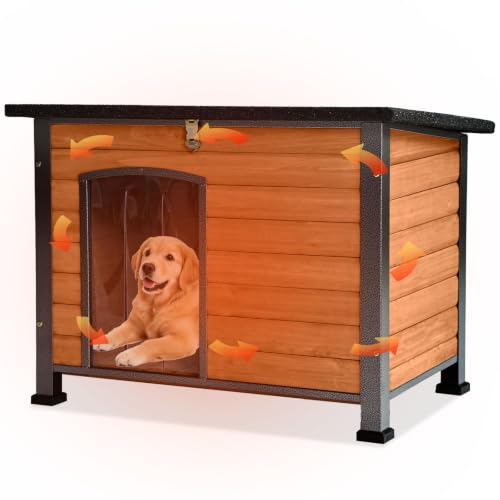
Wood is the traditional choice and remains the most popular. It offers natural insulation, is sturdy, and can be painted or stained to match your home. Cedar and pine are common, but avoid pressure-treated wood if your dog might chew on it. Wooden houses require regular maintenance to prevent rot and pest damage.
Premium / High-endPlastic Dog Houses
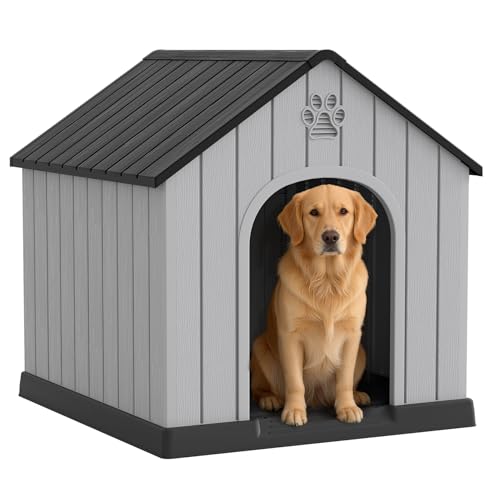
Plastic houses are lightweight, easy to clean, and resistant to rot and insects. They are often more affordable than wood and come in a variety of colors. However, plastic offers less insulation and can become brittle in extreme cold. They are best for mild climates and dogs that spend only occasional time outdoors.
Entry-level / Budget-friendlyResin Dog Houses
Resin is a durable, mid-range option that mimics the look of wood without the maintenance. It is weather-resistant, easy to clean, and often includes features like raised floors and ventilation. Resin houses are a good compromise between the affordability of plastic and the insulation of wood.
Mid-range / Mid-tierComposite Dog Houses
Composite materials blend wood fibers and plastic for a durable, low-maintenance house that looks like wood. They resist rot, fading, and insects, and often come with insulated walls. Composite houses are a premium option for owners who want the best of both worlds.
Luxury / Top-tierChew Warning: If your dog is a chewer, avoid houses with small plastic parts, exposed screws, or treated wood. Look for chew-resistant materials and regularly inspect the house for damage. A muzzle can be used temporarily if your dog is destructive, but it is better to address the underlying behavior.
Insulation & Climate Control
Insulation is what separates a basic shelter from a truly comfortable home. It regulates temperature, reduces noise, and prevents condensation. If your dog spends any significant time outdoors, insulation is not a luxury — it is a necessity.
There are several types of insulation used in dog houses:
- Foam board insulation: Rigid foam panels are placed between the inner and outer walls. This is the most common and effective type of insulation. It is lightweight, moisture-resistant, and provides excellent thermal protection.
- Fiberglass insulation: Similar to what is used in human homes, fiberglass batts are placed in the walls. It is effective but must be sealed to prevent your dog from coming into contact with the fibers, which can irritate skin and lungs.
- Reflective insulation: A thin layer of reflective material (like foil) that reflects heat back into the house. It is often used in combination with other insulation types.
- Natural insulation: Some houses use straw, wood shavings, or other natural materials for insulation. These are less effective than modern materials but can be a good option for mild climates.
In addition to wall insulation, consider these climate control features:
For Hot Climates
- Ventilation: Look for houses with adjustable vents or mesh windows to allow airflow.
- Shade: Place the house in a shaded area to prevent overheating.
- Elevated floor: A raised floor allows air to circulate underneath, keeping the house cooler.
- Light-colored roof: A reflective or light-colored roof absorbs less heat than a dark one.
- Cooling mats: Consider adding a cooling mat or a dog pool nearby for extra relief.
For Cold Climates
- Insulation: Thick insulation in walls, floor, and roof is essential.
- Wind protection: Position the entrance away from prevailing winds. A flap door can help retain heat.
- Warm bedding: Use straw, cedar shavings, or a heated mat. Avoid blankets, which can freeze if they get wet.
- Raised floor: Keeps your dog off the cold ground and prevents moisture from seeping in.
- Double walls: Some premium houses have double walls for extra insulation.
Extreme Weather Warning: No dog house, no matter how well insulated, can protect your dog from extreme temperatures. If the temperature drops below freezing or rises above 90°F (32°C), bring your dog indoors. Dogs can suffer from hypothermia, frostbite, heatstroke, and dehydration. Always provide fresh water and check on your dog frequently.
Design Features That Matter
Beyond size and material, several design features can make a big difference in your dog's comfort and safety.
- Raised floor: A floor that is elevated 2-4 inches off the ground keeps your dog dry and warm. It prevents moisture from wicking up from the ground and provides insulation from below. Some houses have a floor that is separate from the walls, which makes cleaning easier.
- Removable roof: A hinged or removable roof makes cleaning and maintenance much easier. You can easily replace bedding, check for pests, and clean the interior without dismantling the entire house.
- Off-center entrance: An entrance that is offset to one side creates a windbreak and gives your dog a sense of security. It also prevents rain from blowing directly inside.
- Door flap: A vinyl or rubber flap over the entrance helps retain heat in winter and keeps out rain and insects. Some dogs take time to get used to a flap, so introduce it gradually.
- Ventilation: Good ventilation is essential to prevent moisture buildup and overheating. Look for houses with vents near the roof or adjustable windows.
- Easy assembly: Many dog houses come with pre-drilled holes and simple instructions. If you are not handy, look for a house that requires minimal assembly or comes fully assembled.
- Weatherproofing: Look for houses with weather-resistant finishes, sealed seams, and a watertight roof. A sloped roof helps shed rain and snow.
Placement & Foundation
Where you place your dog house is just as important as the house itself. A poorly placed house can be too hot, too cold, or too exposed to the elements.
- Shade: Place the house in a spot that gets shade during the hottest part of the day. If you live in a cold climate, choose a spot that gets sun in winter to help warm the house.
- Wind protection: Position the entrance away from prevailing winds. If possible, place the house near a wall or fence to block wind.
- Elevation: Choose a spot that is slightly elevated or well-drained to prevent water from pooling around the house. Avoid low-lying areas that collect water.
- Accessibility: Make sure your dog can easily access the house. If the ground is uneven, consider adding a dog ramp or dog steps.
- Proximity to your home: Place the house where you can see and hear your dog. This allows you to monitor them and provides a sense of security.
- Foundation: A solid foundation prevents the house from sinking or shifting. You can use concrete pavers, gravel, or a wooden platform. A foundation also helps keep the house level and dry.
Pro Tip: If you have multiple dogs, provide one house per dog. Dogs can be territorial, and sharing a house can lead to conflict. If space is limited, choose a large house with multiple entrances or separate compartments.
Maintenance & Cleaning
Regular maintenance keeps your dog house safe, hygienic, and long-lasting. A dirty or damaged house can harbor pests, mold, and bacteria, which can make your dog sick.
Weekly Maintenance
- Remove and shake out bedding. Replace straw or shavings if soiled.
- Check for signs of pests (insects, rodents) and address immediately.
- Wipe down the interior with a pet-safe cleaner if needed.
- Check for damage, such as cracks, loose screws, or chewed edges.
Monthly Maintenance
- Deep clean the interior with a pet-safe disinfectant. Avoid harsh chemicals like bleach, which can irritate your dog's respiratory system.
- Inspect the roof and walls for leaks or water damage.
- Check the foundation for signs of rot or shifting.
- Reapply weatherproofing (stain, sealant) to wooden houses as needed.
Seasonal Maintenance
- Spring: Deep clean after winter. Check for mold and mildew. Repair any damage from freezing temperatures.
- Summer: Ensure ventilation is clear. Check for overheating and provide extra shade.
- Fall: Prepare for winter by adding insulation and checking for drafts. Replace bedding with warm straw.
- Winter: Check for snow accumulation on the roof. Ensure the entrance is not blocked by snow. Provide extra bedding and consider a heated mat.
For more tips on keeping your dog's environment clean, see our guide on dog stain removers and dog poop bags for outdoor cleanup.
Safety & Weatherproofing
Your dog's safety should always be the top priority. Here are some key safety considerations for dog houses:
- Non-toxic materials: Avoid houses made with pressure-treated wood, lead-based paint, or toxic stains. Your dog may chew on the house, and ingesting these substances can be harmful. Look for pet-safe finishes.
- No sharp edges: Check for exposed nails, screws, or sharp edges. Sand down any rough spots and cover exposed hardware.
- Stable construction: Ensure the house is sturdy and cannot tip over. Anchor it to the ground or a platform if necessary.
- Proper ventilation: A house that is too airtight can cause suffocation or overheating. Ensure there is adequate airflow without creating drafts.
- Weatherproofing: Seal all seams and joints to prevent water from entering. Use a watertight roof and raise the house off the ground.
- Predator protection: If you live in an area with predators (coyotes, bears, etc.), ensure the house is secure and your dog is safe. Consider a dog fence or other security measures.
- Emergency access: Make sure you can easily access your dog in an emergency. A removable roof or a large door helps.
Safety Checklist:
✓ No exposed nails or screws
✓ Non-toxic materials and finishes
✓ Stable and anchored
✓ Adequate ventilation
✓ Watertight roof and sealed seams
✓ Raised floor
✓ Easy access for cleaning and emergencies
Common Mistakes to Avoid
Even well-meaning owners make mistakes when choosing and using dog houses. Here are the most common pitfalls and how to avoid them:
- Buying a house that is too small: This is the most common mistake. Dogs need room to stand, turn, and lie down comfortably. If in doubt, size up.
- Buying a house that is too large: A house that is too large is difficult for your dog to heat and can make them feel insecure. Choose a house that is just right for your dog's size.
- Ignoring insulation: Insulation is not just for cold climates. It also helps keep the house cool in summer. If your dog spends time outdoors, invest in an insulated house.
- Placing the house in direct sunlight: A house in full sun can become an oven in summer. Place it in a shaded area or provide a shade structure.
- Placing the house in a low-lying area: Water pools in low areas, which can lead to a damp, moldy house. Choose a well-drained spot.
- Using the wrong bedding: Blankets and towels can freeze if they get wet. Straw, cedar shavings, or heated mats are better choices for outdoor houses.
- Neglecting maintenance: A dirty or damaged house can harbor pests and bacteria. Clean and inspect the house regularly.
- Leaving your dog in the house for too long: A dog house is not a babysitter. Dogs need social interaction, exercise, and companionship. Never leave your dog in a house for extended periods without checking on them.
- Forgetting about ventilation: A house without ventilation can become stuffy and humid, which can lead to respiratory problems. Ensure there is adequate airflow.
Frequently Asked Questions
Final Thoughts
Choosing the right dog house is an investment in your dog's health, comfort, and happiness. Take the time to measure your dog correctly, choose a material that suits your climate, and invest in insulation and weatherproofing. Place the house in a safe, shaded, and wind-protected spot, and maintain it regularly. With the right house, your dog will have a cozy retreat they can enjoy for years to come.
Remember, a dog house is not a substitute for proper care. Your dog needs regular exercise, socialization, and veterinary attention. If you are looking for more ways to keep your dog healthy and happy, explore our guides on dog nutrition, dog training, and preventive health care. The fact that you are reading this guide means you are already a caring owner — your dog is lucky to have you.