Complete Dog Nutrition Guide
Your dog's health starts with what's in their bowl. This guide covers everything from kibble and wet food to raw diets, supplements, and feeding schedules, helping you make the best choice for your canine companion.
Why Dog Nutrition Matters
Nutrition is the cornerstone of your dog's overall health and well-being. The food you choose provides the energy for daily activities, the building blocks for growth and repair, and the essential nutrients for a strong immune system. A well-balanced diet can help prevent chronic diseases, maintain a healthy weight, and even extend your dog's lifespan.
Did you know? Over 50% of dogs in the US are overweight or obese. A poor diet is a leading contributor to this problem, which can lead to joint issues, diabetes, and heart disease.
A good diet is your first line of defense against many health issues. It's an investment in your dog's quality of life.
Understanding the Types of Dog Food
The pet food aisle can be overwhelming. Here's a breakdown of the most common types of dog food to help you choose the right one for your dog.
Dry Dog Food (Kibble)
Pros: Convenient, cost-effective, helps clean teeth, easy to store.
Cons: Lower moisture content, may contain more carbohydrates.
$30–$80/monthWet Dog Food (Canned)
Pros: High moisture, palatable, good for picky eaters or dogs with dental issues.
Cons: More expensive, requires refrigeration after opening.
$60–$150/monthRaw Diet (BARF)
Pros: Mimics ancestral diets, may improve coat and energy.
Cons: Risk of bacterial contamination, requires careful planning to ensure nutritional balance. Learn more about raw diets.
$100–$250/monthFresh/Home-Cooked
Pros: Human-grade ingredients, great for dogs with allergies.
Cons: Most expensive, time-consuming, requires vet nutritionist guidance.
$150–$400/monthHow to Read a Dog Food Label Like a Pro
Labels can be tricky. Here are the key things to look for to ensure you're buying a high-quality food.
- Ingredient Order: Ingredients are listed by weight. Look for a named animal protein (chicken, beef, salmon) as the first ingredient. Avoid foods where corn, wheat, or generic "meat meal" is listed first.
- Named Meat Sources: "Chicken" or "Salmon" is better than "Poultry" or "Fish Meal." A named source is more transparent.
- AAFCO Statement: This ensures the food is "complete and balanced" for a specific life stage (puppy, adult, senior). This is a non-negotiable.
- Guaranteed Analysis: This shows the minimum percentages of crude protein and fat, and maximum percentages of crude fiber and moisture. Don't just look at the percentages; compare them across foods.
- Avoid: Artificial colors, flavors, and preservatives (like BHA, BHT, and ethoxyquin).
Pro Tip: Don't be afraid to ask your veterinarian for a food recommendation. They can help you decipher labels and choose a food based on your dog's specific health profile. You can also check out our guide on choosing the right dog food for more details.
Best Dog Feeding Schedules
When you feed your dog is just as important as what you feed them. Consistency is key for digestive health and house training.
- Puppies (under 6 months): 3-4 meals per day to maintain stable blood sugar and support rapid growth.
- Adult dogs (6 months to 7 years): Typically 2 meals per day (morning and evening). This helps prevent bloat in large breeds and keeps energy levels stable.
- Senior dogs (7+ years): Continue with 2 meals per day, but monitor for any changes in appetite, which could indicate dental or health issues. Our senior dog diet guide offers more advice.
Always provide fresh, clean water alongside meals. A dog's water intake is crucial for digestion and overall health.
Nutrition for Different Life Stages
Your dog's nutritional needs change as they age. Feeding a food designed for their specific life stage is essential.
Puppy Nutrition
Puppies need food that is rich in protein, fat, and essential nutrients like DHA for brain development. AAFCO-approved puppy foods are formulated for this rapid growth phase. You can also check our puppy feeding schedule for more tips.
Adult Dog Nutrition
An adult dog's diet should be balanced to maintain a healthy weight and support their energy levels. Choose a food with moderate protein and fat levels, and adjust portions based on their activity level.
Senior Dog Nutrition
Senior dogs often need food with lower calories to prevent weight gain, higher fiber for digestive health, and supplements like glucosamine and chondroitin for joint health. Our guide on feeding senior dogs can provide more details.
Special Note: Large and giant breeds have different growth rates and may require large-breed puppy food to control growth and prevent bone issues. Similarly, small breeds have faster metabolisms and may benefit from a higher-calorie food.
Should You Give Your Dog Supplements?
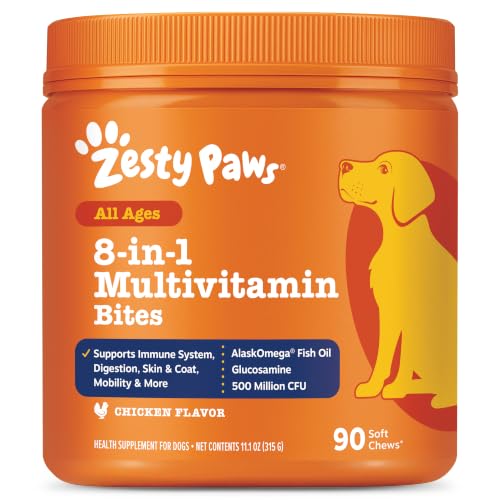
In an ideal world, a high-quality commercial diet provides all the nutrients your dog needs. However, there are certain situations where supplements can be beneficial. Before you add anything to your dog's bowl, discuss it with your vet.
- Joint Health: Supplements like glucosamine and chondroitin, as well as omega-3 fatty acids, can support dogs with arthritis or large breeds prone to joint issues.
- Digestive Health: Probiotics can be helpful for dogs with sensitive stomachs or after a course of antibiotics. Look at our dog probiotics guide for more information.
- Fish Oil: Omega-3 fatty acids can improve skin and coat health and have anti-inflammatory properties.
- Multivitamins: Generally not needed for a dog on a good, balanced diet. In fact, too much of certain vitamins can be harmful.
Specialized Diets & Allergies
Some dogs have special dietary needs due to allergies, sensitivities, or health conditions. If you suspect your dog has a food allergy or intolerance, consult your vet. You can also read our detailed article on what to feed a dog with food allergies.
- Grain-Free Diets: Only necessary for dogs with a confirmed grain allergy. The FDA is investigating a link between grain-free diets and heart disease (DCM), so proceed with caution.
- Limited Ingredient Diets (LID): These foods have a shorter list of ingredients to minimize the risk of triggering an allergy. They are often used in elimination diets.
- Prescription Diets: Your vet may recommend a specific diet for conditions like kidney disease, diabetes, or pancreatitis. These are not available over-the-counter.
- Hydrolyzed Protein Diets: For severe allergies, these diets break down protein molecules so they are too small to trigger an immune response.
Important: If you decide to switch your dog's food, do it gradually over a week to avoid digestive upset. Start with 25% new food and 75% old food, and slowly increase the new food ratio.
Frequently Asked Questions About Dog Nutrition
Make an Informed Choice for Your Dog's Health
Now that you're equipped with this knowledge, you can confidently choose the best food for your dog. Remember, the most expensive food isn't always the best, and the cheapest is rarely a good choice. A balanced diet is a long-term investment in your dog's health and happiness.
Feel free to explore our recommended products below to get started on the right track. You can also read our comprehensive dog nutrition guide for even more in-depth information.