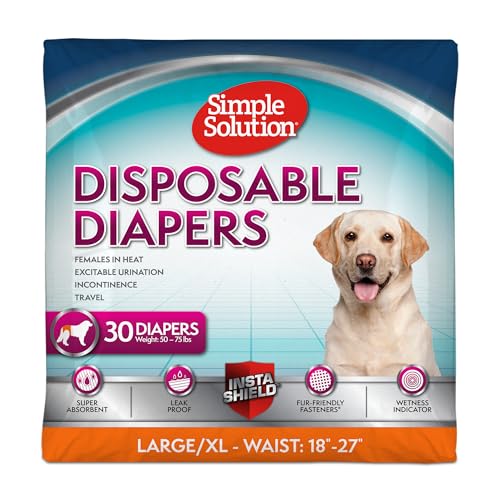
Dog Diapers: The Complete Guide to Types, Sizing & Use
Everything you need to know about dog diapers and belly bands — when they help, how to measure your dog correctly, which materials work best, and how to keep your dog comfortable and clean.
Dog diapers have moved from a niche product to an everyday essential for many owners. Whether you are caring for a senior dog with incontinence, managing a female dog's heat cycle, stopping a male dog from marking indoors, or traveling with a dog who cannot always wait for a bathroom break, a well-fitted diaper solves a real problem without stress for you or your dog.
The challenge is that dog diapers are not one-size-fits-all. Fit, material, absorbency, and design vary enormously between products, and the wrong choice causes leaks, chafing, and a dog who refuses to wear them. This guide walks you through every decision so you can choose confidently and use diapers correctly.
Important First Step: A diaper manages a symptom — it does not treat a cause. If your dog suddenly starts having accidents, has never had them before, or shows other symptoms, book a veterinary visit before assuming diapers are the answer. Sudden incontinence can point to a urinary tract infection, bladder stones, diabetes, or spinal issues that need treatment.
What Dog Diapers Are & When to Use Them
A dog diaper is a absorbent garment that wraps around your dog's rear (for females) or belly (for males) to contain urine, blood, or feces. Most products use a combination of a soft inner lining, an absorbent core, and a waterproof outer layer. They come in disposable and washable versions, and in several shapes designed for different anatomies and needs.
The Most Common Reasons Owners Use Dog Diapers
- Senior dog incontinence: As dogs age, bladder control weakens. Hormonal changes, weakened sphincter muscles, and cognitive decline all contribute. Diapers protect your home while you work with your vet on management.
- Heat cycles: Intact female dogs bleed for roughly 3-4 weeks during estrus. Diapers contain the mess and keep your dog comfortable and your furniture clean. See our guide on how long bleeding lasts during a heat cycle.
- Marking behavior: Male dogs mark territory with small urine deposits. A belly band stops the behavior from soiling your home while you address the underlying cause. Related reading: managing male dogs in heat.
- Post-surgery recovery: After spay, neuter, or urinary procedures, diapers contain leakage and protect incisions from licking and contamination.
- Puppy potty training: Diapers are a short-term backup during crate training and house training, not a permanent solution. Pair them with a real training plan.
- Travel and events: Long car rides, flights, visits to pet-unfriendly spaces, and crowded events are easier when accidents are contained. A car seat or carrier paired with a diaper makes travel far less stressful.
- Excitement urination and submissive urination: Some dogs leak when excited or frightened. Diapers manage the mess while you work on confidence and calm greetings.
Think of diapers as a bridge, not a destination. For a senior dog with permanent incontinence, diapers may be a long-term tool. For a puppy, a post-surgery patient, or a dog in heat, they are temporary. Always ask what the underlying issue is and whether it can be improved.
Types of Dog Diapers Compared
There is no single "best" dog diaper — the right choice depends on your dog's anatomy, the reason you need it, how long it will be worn, and how often you want to wash or repurchase. Below are the main categories, classified by quality tier rather than by any price figure.
Disposable Dog Diapers
Single-use diapers with a absorbent core and waterproof backing. The most convenient option for travel, post-surgery, and short-term needs. No laundry required. Best for owners who need a simple, no-maintenance solution and are comfortable with ongoing waste.
entry-level convenienceWashable Cloth Diapers
Reusable fabric diapers with a waterproof outer layer and a absorbent inner pad. Higher upfront investment but far lower long-term cost and less waste. Generally softer and more comfortable for extended wear. Best for daily, long-term use at home.
mid-range valueBelly Bands (Male Wraps)
A wide band that wraps around the belly and covers the sheath. Designed specifically for male dogs to stop marking and urine leakage. Quick to put on, easy to check, and usually the most comfortable option for male anatomy. Available in washable and disposable versions.
mid-tier specializedFull-Coverage Diapers
Cover both the rear and the belly area, offering the most complete protection. Useful for dogs with heavy leakage, fecal incontinence, or post-surgical needs. Typically washable and adjustable with snaps or hook-and-loop closures.
high-end coverageDiaper + Suspender Sets
A washable diaper combined with adjustable suspenders that hold the garment in place. Prevents slipping and twisting during movement, which is common with active dogs and certain body shapes. Excellent for dogs who wiggle out of standard diapers.
premium stabilitySpecialty & Medical Diapers
Designed for specific situations such as post-operative recovery, heavy absorbency overnight use, or dogs with sensitive skin. Often feature extra-soft linings, higher absorbency cores, and adjustability for unusual body shapes.
luxury specializedDisposable vs. Washable: A Direct Comparison
| Factor | Disposable | Washable |
|---|---|---|
| Convenience | Highest — throw away after use | Requires washing and drying |
| Long-term cost | Recurring cost per use | Lower over months and years |
| Environmental impact | Higher waste volume | Minimal waste after purchase |
| Comfort for long wear | Good for short sessions | Generally softer for all-day wear |
| Best use case | Travel, surgery, emergencies | Daily home care, heat cycles |
| Fit variety | Fixed sizes, less adjustable | Often adjustable with snaps or straps |
Many experienced owners keep both types on hand: washable diapers for routine daily use, and disposables for trips, vet visits, or nights when laundry is not practical.
Belly Bands for Male Dogs
Belly bands deserve their own section because they solve a problem that full diapers handle poorly. Male dogs urinate forward, not down, so a standard diaper designed for female anatomy leaves gaps and leaks. A belly band wraps around the midsection and covers the sheath directly, which is both more effective and more comfortable.
When a Belly Band Is the Right Choice
- Marking indoors: The most common use. Belly bands stop urine from reaching furniture, walls, and floors while you address the behavior. Marking is often anxiety-driven, so pair the band with behavior work. Our calming products guide and behavior modification techniques are useful starting points.
- Senior male incontinence: Weakened sphincter control causes dribbling, especially when your dog is relaxed or asleep.
- Excitement urination: Some males leak small amounts when greeting people or other dogs.
- Post-neuter recovery: Protects the incision area and contains minor leakage.
- Travel and vet visits: Quick to apply and easy to check without fully undressing your dog.
What to Look For in a Belly Band
- Wide coverage across the belly, not a thin strip
- Soft, non-abrasive inner lining to prevent chafing
- Strong, adjustable closure — hook-and-loop or snaps
- A absorbent pad pocket or built-in absorbent layer
- Machine-washable fabric for daily use
- Correct width for your dog's body — too narrow slips, too wide restricts movement
Belly bands are not a punishment and not a fix for anxiety. If your male dog marks because he is stressed, a band contains the mess but does nothing about the cause. Combine management with training, enrichment, and if needed, guidance from a professional behaviorist.
How to Measure & Choose the Right Size
Poor fit is the number one reason dog diapers fail. A diaper that is too loose leaks and slips off; one that is too tight chafes, restricts circulation, and causes skin damage. Measuring takes two minutes and prevents most problems.
What to Measure
- Waist circumference (full diapers): Measure around the narrowest part of the waist, just in front of the hind legs. Keep the tape snug but not tight.
- Belly circumference (belly bands): Measure around the widest part of the belly, roughly midway between the ribcage and the hind legs.
- Length (full diapers): Measure from the base of the tail forward along the back to where the front edge of the diaper should sit. This prevents gaps at the tail opening.
- Tail opening check: Ensure the tail hole sits comfortably and does not rub the tail base.
The Fit Test
Two-Finger Rule
Once the diaper is on, you should be able to slide two fingers under the edges. If you cannot, it is too tight. If your whole hand fits easily, it is too loose.
Movement Check
Have your dog walk, sit, and lie down. The diaper should stay in place without twisting or sliding. Watch for gaps forming at the legs or tail.
Skin Inspection
After 30 minutes, remove the diaper and check for red marks, indentation lines, or rubbing. Adjust size or style if you see any.
Leak Test
Use the diaper during a normal activity period and check for leaks at the leg openings and tail. Leaks mean the size or absorbency is wrong.
Sizing tip: Brand size charts are not standardized. A "medium" from one company may match a "large" from another. Always measure your dog and compare to that specific brand's chart rather than buying based on a previous purchase. If your dog is between sizes, size up — you can always tighten a slightly large diaper, but you cannot stretch a small one.
How to Put On & Use a Dog Diaper
Most dogs accept diapers quickly if you introduce them calmly and pair the experience with treats and praise. Never force a diaper on a struggling dog — build the association gradually.
Step-by-Step Introduction
- Let your dog sniff the diaper first. Place it on the floor, reward curiosity with treats. No pressure.
- Touch the diaper to your dog's body briefly. Reward calm behavior. Repeat several times over a few minutes.
- Fasten the diaper loosely for a few seconds. Reward, then remove. Build duration gradually.
- Once accepted, fit it properly. Follow the two-finger rule and check for gaps.
- Distract with a walk, play, or treat toy. Movement helps dogs forget they are wearing something new. Interactive toys and puzzle toys work well here.
Daily Use Best Practices
- Remove before outdoor bathroom breaks. Diapers are for indoor management, not a replacement for walks. Take your dog out on a normal schedule.
- Give diaper-free time every day. Skin needs to breathe. Aim for at least a few hours daily, supervised.
- Check frequently. Look for wetness, twisting, and skin irritation at every check.
- Never leave a soiled diaper on. This is the most common cause of skin infections and urinary tract problems.
- Use the right absorbency for the job. Overnight and heavy leakage need higher absorbency than light marking.
Hygiene, Changing & Skin Care
Good hygiene is non-negotiable. Urine and feces against skin cause irritation, bacterial growth, and infection. A consistent routine keeps your dog healthy and your home clean.
Changing Schedule
- Disposables: Change every 3-4 hours, or immediately after soiling.
- Washables: Change on the same schedule, and wash after every use.
- Overnight: Use a high-absorbency option and check first thing in the morning.
- During heat cycles: Check even more frequently — blood is less absorbent than urine.
Cleaning Your Dog
- Wipe the skin with a gentle, dog-safe wipe or a warm damp cloth at every change.
- Pat dry completely before putting on a new diaper.
- Use dog-specific cleaning products — human wipes and soaps can irritate skin. See dog cleaning products for options.
- Check for redness, rash, or odor. Persistent irritation warrants a vet visit.
Washing Reusable Diapers
- Shake off solids into the toilet before washing.
- Rinse thoroughly in cold water to prevent stains and odor setting.
- Wash on a gentle cycle with a pet-safe, fragrance-free detergent.
- Avoid fabric softeners and dryer sheets — they reduce absorbency and can irritate skin.
- Air dry when possible. If using a dryer, choose low heat.
- Keep at least 4-6 diapers in rotation so you always have a clean one ready.
Watch for skin problems. Signs of trouble include persistent redness, rash, hair loss, foul odor, or your dog licking and biting at the diaper area. Stop using diapers, clean and dry the area, and consult your vet. Dogs with allergies or sensitive skin may need extra-soft linings or more frequent diaper-free periods.
Managing Incontinence & Heat Cycles
Incontinence in Senior Dogs
Incontinence is common in older dogs and has many causes: weakened sphincter muscles, hormonal changes, urinary tract infections, cognitive dysfunction, and spinal issues. Diapers manage the mess, but they do not address the cause. Work with your vet on diagnosis and treatment options, which may include medication, dietary changes, or management of an underlying condition. Related guides: dog health, diabetes in dogs, and dog diet.
For a senior dog, comfort matters more than ever. Choose soft, washable diapers with minimal seams, give generous diaper-free time, and consider a waterproof mat or supportive bed to protect sleeping areas.
Heat Cycles in Female Dogs
An intact female dog typically bleeds for around 3-4 weeks during estrus. Diapers keep your home clean and your dog comfortable. Key points:
- Use full-coverage diapers designed for female anatomy, not belly bands.
- Change frequently — blood is less absorbent and more likely to irritate skin than urine.
- Never use a diaper as birth control. It does not prevent mating. Keep your dog supervised and away from intact males. See how to tell if your dog is in heat and what to do when your dog gets her period.
- Consider spaying if you do not plan to breed. Ask your vet about timing and benefits.
Marking Behavior in Male Dogs
Marking is usually triggered by anxiety, territory changes, new pets, or intact status. A belly band contains the mess; behavior work addresses the cause. Reduce triggers, increase enrichment, and provide predictable routines. Our guides on destructive behavior and anxiety wraps may help. If marking persists despite training, consult your vet or a behaviorist.
Common Dog Diaper Mistakes to Avoid
- Buying by guesswork instead of measuring. Always measure and check the specific brand's size chart.
- Leaving a soiled diaper on too long. This causes skin infections and UTIs. Change every 3-4 hours and immediately after soiling.
- Using a female diaper on a male dog. Male dogs urinate forward; belly bands are the correct design. Some unisex diapers work, but check coverage carefully.
- Using a diaper as birth control. It does not prevent mating or pregnancy.
- Skipping diaper-free time. Skin needs to breathe daily to stay healthy.
- Ignoring sudden incontinence. New accidents can signal a medical problem. See your vet.
- Using fabric softener on washable diapers. It coats fibers and reduces absorbency.
- Punishing a dog for accidents. Punishment increases anxiety and makes marking and house training worse. Reward correct behavior instead.
- Relying on diapers instead of training. For puppies and healthy adult dogs, diapers are a backup, not a training plan.
- Not adjusting for weight changes. A dog who gains or loses weight may need a different size.
Pair diapers with a routine. Scheduled outdoor breaks, consistent feeding times, and positive reinforcement for going outside solve most house-training and marking issues far better than diapers alone. Combine products with training for the best result.
Frequently Asked Questions
Bottom Line
Dog diapers solve real problems when chosen and used correctly. Measure your dog, pick the right style for their anatomy, change frequently, and always investigate sudden incontinence with your vet. Whether you need a belly band for a marking male, a washable diaper for a senior dog, or disposables for travel, the right product paired with good hygiene and a thoughtful routine keeps your dog comfortable and your home clean. Explore our dog products section for more gear recommendations.