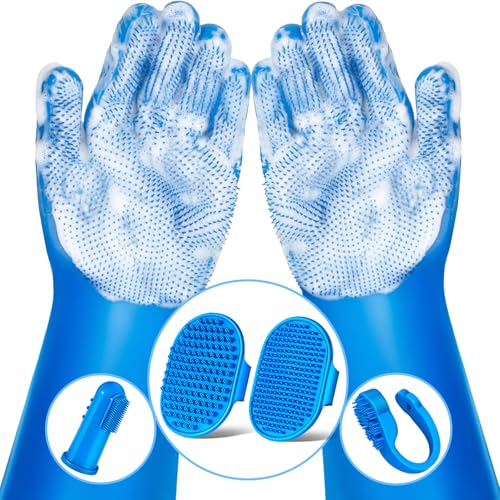
Dog Cleaning Products: The Complete Guide
Everything you need to keep your dog clean, your home fresh, and your surfaces hygienic — from shampoos and grooming tools to stain removers, odor eliminators, and daily cleanup supplies.
Living with a dog means living with messes — muddy paws, shed fur, slobber, accidents, and that distinctive "dog smell" that creeps into furniture and carpets. The right dog cleaning products make the difference between a home that smells like a kennel and one that stays fresh, hygienic, and welcoming. But with hundreds of products on the market, knowing what actually works versus what is just clever marketing can be overwhelming.
This guide breaks down every category of dog cleaning supplies you need, explains what each product does, and helps you choose the right ones for your dog's coat type, your home's surfaces, and your lifestyle. Whether you are dealing with a puppy in the middle of house training or a senior dog with occasional accidents, the right cleaning toolkit will save you time, money, and frustration.
Why Dog Cleaning Products Matter
Dog messes are not just unpleasant — they can be a genuine health concern. Dog urine and feces can carry bacteria, parasites, and pathogens that pose risks to humans, especially young children, the elderly, and immunocompromised individuals. Dog dander and saliva are also common triggers for allergies and asthma. Using the right cleaning products helps eliminate these risks rather than just masking them.
Beyond health, proper cleaning protects your home. Urine can permanently damage carpets, hardwood floors, and upholstery if not treated correctly. Odors that are not fully eliminated can encourage repeat accidents in the same spot. And regular grooming with the right tools keeps your dog's coat healthy while reducing the amount of hair and dander circulating in your home.
Key Principle: Cleaning dog messes requires two steps — removing the visible mess and then eliminating the invisible residue (odor, bacteria, and pheromones) that attracts your dog back to the same spot.
Dog Hygiene Products
Keeping your dog clean is the first line of defense against mess in your home. A clean dog sheds less, smells better, and brings less dirt indoors. These are the core hygiene products every dog owner should have.
Dog Shampoo
Dog shampoo is formulated specifically for canine skin pH, which is different from human skin. Using human shampoo can dry out your dog's skin, cause itching, and lead to secondary infections. Choose a shampoo based on your dog's needs — oatmeal-based for sensitive or itchy skin, medicated for skin conditions, whitening for light-colored coats, and hypoallergenic for dogs prone to skin allergies.
For dogs with environmental allergies that cause itching and irritation, a soothing shampoo combined with proper diet management can make a big difference. If your dog suffers from environmental allergies, look for shampoos with colloidal oatmeal or aloe vera.
Dog Ear Cleaner Solution
Regular ear cleaning prevents infections, especially in floppy-eared breeds. A good dog ear cleaner solution dissolves wax and debris without irritating the ear canal. If your dog has recurring ear problems, you may also need to explore over-the-counter ear infection treatment options, and understand the difference between bacterial and yeast infection treatment.
Dental Cleaning Products
Dental disease is the most common health problem in dogs, and it contributes to bad breath and systemic health issues. Dog dental cleaning products include toothbrushes, finger brushes, enzymatic toothpaste, dental chews, and water additives. Daily brushing with dog toothbrush and dog-safe toothpaste is the gold standard. For professional cleanings, you may need to find a vet offering dental care services.
Paw and Body Wipes
Paw wipes are a quick solution for muddy walks, and body wipes help freshen up your dog between baths. Look for fragrance-free, pet-safe wipes. For dogs with irritated or red paws from licking, gentle paw cleaning is part of managing conditions like red, itchy paws.
Dog Diapers
For puppies in training, senior dogs with incontinence, or females in heat, dog diapers prevent accidents and make cleanup easier. They are a temporary management tool, not a replacement for training or veterinary care.
Home Cleaning Supplies
Your dog's mess ends up on your floors, furniture, and bedding. Having the right dog cleaning supplies on hand means you can deal with messes immediately, before they set in and become harder to remove.
Enzymatic Cleaners
Enzymatic cleaners are the single most important product for any dog owner. Unlike regular household cleaners that just mask odors, enzymatic cleaners contain beneficial bacteria and enzymes that break down the uric acid crystals in urine, the proteins in feces, and the fats in vomit. This eliminates the odor at its source and removes the scent markers that encourage dogs to repeat accidents in the same spot.
For dogs with destructive behavior issues that lead to chewed items and messes, enzymatic cleaners also help remove traces of saliva and food that attract repeat chewing.
Pet-Safe Disinfectants
Disinfecting surfaces is important for hygiene, but many household disinfectants contain bleach, ammonia, or quaternary ammonium compounds that are toxic to dogs if ingested or absorbed through paws. Choose pet-safe disinfectants, or rinse surfaces thoroughly with water after disinfecting. Never use ammonia-based cleaners around dog urine — the ammonia smell mimics urine and encourages repeat marking.
Carpet and Upholstery Cleaners
A good carpet cleaner or spot treatment is essential for homes with carpets and rugs. Look for formulas designed specifically for pet stains and odors. For deep cleaning, a carpet cleaning machine with a pet-specific solution works best. Always test on a hidden area first to check for colorfastness.
Mops and Cleaning Tools
Microfiber mops are excellent for hard floors because they trap dirt and hair effectively without harsh chemicals. For tough messes, a stiff-bristled brush helps scrub grout and textured surfaces. Consider keeping a dedicated set of cleaning tools just for dog-related messes to avoid cross-contamination.
Odor Eliminators
Beyond enzymatic cleaners, odor eliminators in spray, gel, and plug-in form help keep your home smelling fresh. Look for products that neutralize odors rather than just covering them with fragrance. Activated charcoal and zeolite-based odor absorbers are effective for enclosed spaces like crates and cars.
Stain & Odor Removers
Accidents happen, especially with puppies and senior dogs. How you handle them determines whether your home develops lingering odors and stains. Here is how to approach different types of messes.
Urine
Urine is the most common and most challenging mess. The key is to act fast and use an enzymatic cleaner.
- Blot up as much liquid as possible with paper towels or a clean cloth. Press firmly — do not rub, as this spreads the stain.
- Apply an enzymatic cleaner generously, saturating the area. For carpets, you may need to apply from both sides.
- Let it sit for 10-15 minutes to allow the enzymes to work.
- Blot dry with a clean cloth. If the odor persists after drying, repeat the process.
- For old or set-in stains, you may need multiple applications or a professional carpet cleaning.
Feces and Vomit
These messes are easier to remove but still require proper treatment to prevent stains and odors.
- Remove solid matter with a paper towel or plastic bag. Do not scrub, as this pushes particles deeper into fibers.
- Apply an enzymatic cleaner or a pet-safe stain remover. Let it sit for the recommended time.
- Blot and rinse thoroughly. For carpets, a steam cleaner can help remove residue.
- If your dog has frequent digestive issues, see our guide on bloody diarrhea or colitis symptoms for underlying health concerns.
Pro Tip: Never use a steam cleaner on fresh urine stains before treating with an enzymatic cleaner. The heat can set the stain and the odor into the fibers permanently. Always treat with enzymes first, then steam clean if needed.
Hair & Dander Control
Dog hair and dander are a fact of life for most dog owners, but the right tools and routines can keep them manageable. This is especially important for households with allergy sufferers.
Grooming Tools for Hair Control
Regular brushing is the most effective way to reduce shedding. The right grooming tools depend on your dog's coat type:
- Slicker brushes: Great for removing loose hair and detangling medium to long coats.
- Undercoat rakes: Essential for double-coated breeds like Huskies and German Shepherds.
- Deshedding tools: Specifically designed to reach the undercoat and remove loose fur before it sheds.
- Bristle brushes: Best for short coats and for distributing natural oils for a shiny finish.
- Flea combs: Fine-toothed combs that remove fleas and flea dirt while grooming. Pair with flea treatment for full protection.
A complete dog grooming kit should include a brush appropriate for your dog's coat, nail clippers, ear cleaner, and shampoo. If you prefer professional help, you can find dog groomers near you or explore grooming services in your area.
Home Tools for Hair Removal
- Vacuum with HEPA filter: A vacuum designed for pet hair with a HEPA filter traps dander and fine hair rather than recirculating it into the air.
- Lint rollers: Keep one in every room for quick cleanup of furniture and clothing.
- Rubber brooms: Excellent for pulling hair out of carpets and rugs before vacuuming.
- Air purifiers: A HEPA air purifier reduces airborne dander and hair, improving indoor air quality for everyone.
- Washable throws and covers: Protect furniture with washable covers that can be easily removed and cleaned.
If your dog has skin problems that increase shedding or dander, addressing the underlying issue is important. See our guides on food for dogs with sensitive skin and food for sensitive skin and stomach.
Grooming Tools
Grooming is not just about keeping your dog looking good — it is an essential part of hygiene and health. Regular grooming allows you to detect skin problems, lumps, parasites, and injuries early. It also reduces the amount of mess your dog brings into your home.
Essential Grooming Tools
- Nail clippers: Dog nail clippers come in scissor, plier, and guillotine styles. Long nails cause gait problems and joint stress, so trim every 2-4 weeks.
- Dog brushes: A quality dog brush matched to your dog's coat type is essential for removing loose hair and preventing mats.
- Dog shampoo: Choose a dog shampoo appropriate for your dog's skin and coat. Medicated shampoos may be needed for skin conditions.
- Dog dryer: A dog dryer is especially useful for thick-coated breeds that take hours to air dry. It also helps blow out loose undercoat.
- Grooming supplies: A complete set of dog grooming supplies includes everything from combs to styptic powder.
Bathing Your Dog
A dog bath is more than just washing — it is an opportunity to check for skin issues, lumps, and parasites. Use lukewarm water, a dog-specific shampoo, and rinse thoroughly. For dogs with skin conditions, medicated baths may be prescribed by your vet. See our guides on ear infections and dental care for related hygiene topics.
Safety & Ingredient Guide
Not all cleaning products are safe for dogs. Some common household cleaners contain ingredients that are toxic if ingested, inhaled, or absorbed through the skin. Since dogs walk on floors and then lick their paws, and since they explore the world with their noses and mouths, choosing pet-safe products is essential.
Ingredients to Avoid:
• Bleach: Can cause chemical burns and respiratory irritation.
• Ammonia: Toxic if ingested, and its smell mimics urine, encouraging repeat marking.
• Phthalates and synthetic fragrances: Can cause allergic reactions and endocrine disruption.
• Phenols and cresols: Found in some disinfectants, toxic to dogs even in small amounts.
• Formaldehyde: A known carcinogen found in some cleaning products.
• Chlorine: Harsh on paws and respiratory systems.
Instead, look for products labeled pet-safe, non-toxic, and biodegradable. Plant-based and enzymatic cleaners are generally the safest choices. Always store cleaning products out of reach of dogs and children, and keep dogs away from freshly cleaned surfaces until they are completely dry.
For dogs with sensitive skin or allergies, even "pet-safe" products can sometimes cause irritation. If your dog shows signs of itching, redness, or discomfort after cleaning, discontinue use and consult your vet. See our guide on excessive licking for signs that your dog may be reacting to something in their environment.
Building a Cleaning Routine
Consistency is key to keeping a clean home with a dog. A simple daily, weekly, and monthly routine prevents messes from accumulating and makes cleaning manageable.
Daily Cleaning Tasks
- Wipe your dog's paws after walks, especially in wet or muddy conditions.
- Sweep or vacuum high-traffic areas.
- Clean food and water bowls. Dog food and water bowls should be washed daily to prevent bacterial growth.
- Pick up dog waste from the yard.
- Spot-clean any accidents immediately with an enzymatic cleaner.
Weekly Cleaning Tasks
- Vacuum carpets, rugs, and upholstery thoroughly.
- Wash dog bedding and blankets.
- Wipe down crates and crate mats.
- Clean and disinfect dog toys. For a full selection of toys, see our guide to dog toys and interactive dog toys.
- Mop hard floors with a pet-safe cleaner.
Monthly Cleaning Tasks
- Deep clean carpets and upholstery, or schedule professional cleaning.
- Wash or replace air filters and clean air purifiers.
- Clean out and disinfect food storage containers. A dog food container should be washed regularly to prevent oil buildup and spoilage.
- Check and clean outdoor areas, including patios and dog runs.
Common Cleaning Mistakes
Even diligent dog owners make mistakes that make cleaning harder or even cause problems to worsen. Here are the most common ones to avoid.
- Using ammonia-based cleaners on urine stains. Ammonia smells like urine to dogs and encourages them to mark the same spot again.
- Rubbing stains instead of blotting. Rubbing pushes the mess deeper into fibers and can spread the stain.
- Using steam cleaners before enzymatic treatment. Heat can set stains and odors permanently.
- Masking odors instead of eliminating them. Air fresheners and scented sprays cover up the smell temporarily but do not remove the source. Enzymatic cleaners eliminate the source.
- Over-bathing your dog. Too-frequent baths strip natural oils and cause dry, itchy skin, which leads to more shedding and dander.
- Using human shampoo on dogs. Human skin has a different pH, and human shampoo can irritate your dog's skin.
- Neglecting grooming tools. Dull clippers, dirty brushes, and worn-out tools do a poor job and can injure your dog.
- Ignoring the source of recurring messes. If your dog is having frequent accidents, it may be a medical issue. See our guides on diabetes or kidney disease for possible causes.
Frequently Asked Questions
The Bottom Line on Dog Cleaning Products
Keeping a clean home with a dog is not about having a hundred products — it is about having the right ones. Start with an enzymatic cleaner, a pet-safe disinfectant, a good vacuum with a HEPA filter, and a grooming kit suited to your dog's coat. Add pet-safe shampoos, ear cleaners, and dental care as needed. For a complete overview of supplies and tools, see our guide to dog cleaning supplies, and for general product recommendations, explore our dog products section. Consistent daily habits matter more than any single product. Clean up messes immediately, groom your dog regularly, and your home will stay fresh, hygienic, and comfortable for both you and your dog.