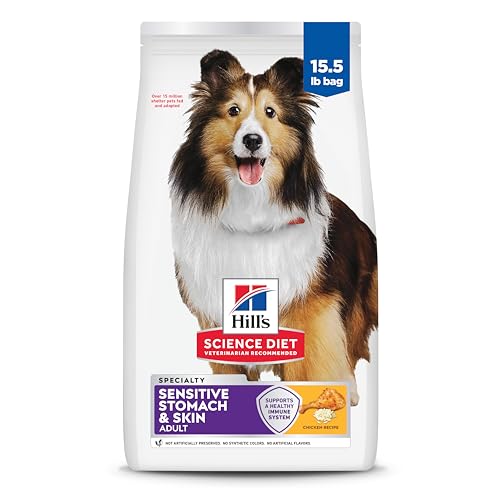
Dog Food for Sensitive Skin and Stomach
Your complete guide to understanding, choosing, and transitioning to the best diet for dogs with food sensitivities, allergies, and digestive issues.
If your dog suffers from itchy skin, frequent ear infections, vomiting, diarrhea, or excessive gas, you are not alone. Food sensitivities and allergies are among the most common health issues in dogs, affecting an estimated 10-20% of the canine population. The good news is that with the right diet, most dogs can experience dramatic improvements in both their skin and digestive health.
This guide will walk you through everything you need to know about dog food for sensitive skin and stomach. You will learn how to identify potential food triggers, what ingredients to look for and avoid, and how to choose the best diet for your dog's specific needs. Whether you are dealing with a recent diagnosis or have been struggling with your dog's symptoms for years, the information here will help you make informed decisions and find relief for your furry friend.
Understanding Sensitive Skin & Stomach in Dogs
Before diving into food options, it's important to understand what "sensitive skin and stomach" actually means. These terms are often used interchangeably, but they describe two related yet distinct issues that frequently occur together.
What Is Food Sensitivity?
A food sensitivity (also called food intolerance) is an adverse reaction to a specific ingredient that does not involve the immune system. It typically causes digestive symptoms like gas, bloating, diarrhea, or vomiting. The most common food sensitivities in dogs are to proteins like chicken, beef, and dairy, as well as grains like wheat and corn.
What Is a Food Allergy?
A true food allergy involves an immune system response to a specific protein. It often manifests as skin problems — itching, hives, rashes, and recurring ear infections — in addition to digestive upset. The most common allergens in dogs are chicken, beef, dairy, wheat, lamb, and soy. According to veterinary research on dog food allergies, proteins are far more likely to cause reactions than grains.
The Gut-Skin Connection
The health of your dog's gut has a profound impact on their skin. An imbalanced gut microbiome can lead to systemic inflammation, which often manifests as itchy, irritated skin. This is why many dogs with sensitive stomachs also have sensitive skin — the two conditions are deeply interconnected. Addressing digestive health through diet is often the key to resolving skin issues as well.
Did You Know?
It can take up to 8 weeks to see significant improvements in skin and coat health after switching to a new diet. Digestive symptoms often improve much faster, within 1-2 weeks.
Common Symptoms & Triggers
Recognizing the signs of food sensitivity or allergy is the first step toward finding a solution. Symptoms can vary widely between dogs and may be constant or intermittent.
Skin-Related Symptoms
- Chronic itching: Especially around the paws, face, ears, and belly. Dogs may lick, chew, or scratch constantly.
- Recurring ear infections: Yeast or bacterial infections in the ears are a classic sign of food allergies.
- Red, inflamed skin: Hot spots, rashes, and raw patches from excessive licking.
- Hair loss: Patchy or thinning coat, particularly around the ears, eyes, and paws.
- Poor coat quality: Dry, dull, or greasy fur with excessive shedding.
- Skin infections: Frequent bacterial or fungal infections that don't resolve with treatment.
Digestive Symptoms
- Vomiting: Occasional or frequent, sometimes immediately after eating.
- Diarrhea: Loose, watery stools, sometimes with mucus or blood.
- Gas and bloating: Excessive flatulence and abdominal discomfort.
- Loss of appetite: Refusing food or eating only small amounts.
- Weight loss: Losing weight despite normal eating habits.
- Excessive licking: Licking paws or other surfaces as a sign of nausea or discomfort.
Common Food Triggers
While any ingredient can theoretically cause a reaction, certain proteins and grains are far more likely to trigger sensitivities and allergies:
- Chicken: The most common protein allergen in dogs, found in countless commercial foods and treats.
- Beef: The second most common protein allergen, often found in high concentrations.
- Dairy: Many dogs are lactose intolerant, leading to digestive upset.
- Wheat, corn, and soy: Common fillers that can trigger both skin and digestive issues.
- Lamb: Once considered hypoallergenic, it is now a frequent allergen due to its widespread use in sensitive diets.
- Eggs: While nutritious, eggs can be problematic for some dogs.
- Artificial preservatives and colors: Can trigger reactions in sensitive dogs.
It is important to note that a dog can develop an allergy to an ingredient they have eaten for years. The more exposure a dog has to a particular protein, the more likely they are to develop a sensitivity to it over time.
Key Ingredients to Look For
When selecting a diet for a dog with sensitive skin and stomach, focus on quality and simplicity. The fewer ingredients, the easier it is to identify and avoid triggers.
Novel Proteins
Novel proteins are those your dog has likely never eaten before, reducing the chance of an allergic reaction. Excellent choices include:
- Salmon and whitefish: Rich in omega-3 fatty acids, which are excellent for skin health.
- Venison and bison: Lean, novel proteins that are less commonly used in dog foods.
- Duck and turkey: Often well-tolerated alternatives to chicken.
- Rabbit and kangaroo: Highly novel proteins for dogs with multiple allergies.
Limited Ingredients
A limited ingredient diet (LID) contains a single protein source and a single carbohydrate source. This simplifies the process of identifying what your dog can and cannot tolerate. Look for foods that list one protein and one carb near the top of the ingredient list.
Omega-3 Fatty Acids
Omega-3 fatty acids (DHA and EPA) are critical for reducing inflammation and supporting skin health. Fish oil, salmon oil, and flaxseed are common sources. Dogs with sensitive skin benefit from diets that are naturally rich in these nutrients or that are supplemented appropriately.
Probiotics and Prebiotics
A healthy gut microbiome is essential for proper digestion and immune function. Look for foods that contain added probiotics (beneficial bacteria) and prebiotics (fiber that feeds good bacteria). These can help stabilize digestion and reduce the likelihood of flare-ups.
Easily Digestible Carbohydrates
For dogs with sensitive stomachs, gentle carbohydrates like white rice, oatmeal, barley, sweet potatoes, and pumpkin are ideal. These are less likely to cause digestive upset than more complex grains or legumes.
Pro Tip: Look for foods that are labeled "complete and balanced" by AAFCO (Association of American Feed Control Officials). This ensures the diet meets minimum nutritional requirements for your dog's life stage.
Ingredients to Avoid
Just as important as what you put in your dog's bowl is what you keep out. Avoiding common triggers can dramatically improve your dog's condition.
- Common allergens: Chicken, beef, dairy, wheat, corn, soy, and lamb — unless specifically identified as safe for your dog.
- Artificial preservatives: BHA, BHT, ethoxyquin, and propylene glycol can trigger reactions in sensitive dogs.
- Artificial colors and flavors: These add no nutritional value and can cause adverse reactions.
- By-products: While not inherently unhealthy, by-products can be of lower quality and may include parts of animals that trigger allergies.
- High-fat foods: Excess fat can trigger pancreatitis and digestive upset in sensitive dogs.
- Spices and seasonings: Onion, garlic, and other seasonings can be toxic or irritating.
- Table scraps: Human food often contains ingredients that upset a dog's digestive system.
If your dog has been diagnosed with a specific allergy, avoiding that ingredient entirely is the only way to prevent a reaction. Even small amounts can cause a flare-up.
Types of Sensitive Skin & Stomach Diets
There are several approaches to feeding a dog with sensitive skin and stomach. The right choice depends on the severity of the issue, your dog's specific triggers, and your budget and lifestyle.
Limited Ingredient Diets (LID)
As the name suggests, these diets contain fewer ingredients than standard dog foods. They typically feature a single novel protein and a single carbohydrate. LIDs are ideal for dogs with mild to moderate sensitivities and are widely available in both dry and wet formats. They are often classified as mid-tier to premium products, depending on the quality of ingredients and brand reputation.
Hydrolyzed Protein Diets
In these diets, proteins are broken down into tiny fragments that are too small to trigger an allergic reaction. Hydrolyzed diets are often prescription-only and are recommended for dogs with severe allergies or those who have not responded to other diets. They are typically top-tier products due to the advanced manufacturing process.
Grain-Free Diets
Grain-free diets eliminate wheat, corn, rice, and other grains, replacing them with alternatives like sweet potato, peas, or lentils. While not all dogs with sensitive skin and stomach are allergic to grains, some do benefit from grain-free formulas. However, it's important to note that grain-free is not inherently hypoallergenic, and some dogs may be allergic to the alternative ingredients. These diets are generally mid-range to premium in terms of market positioning.
Fresh/Frozen Diets
Fresh or frozen diets are made with human-grade ingredients, gently cooked, and then frozen to preserve freshness. They are highly palatable and easily digestible, making them an excellent choice for dogs with sensitive stomachs. Many fresh food brands offer limited-ingredient options and customization based on your dog's specific needs. These are considered high-end products.
Prescription Diets
Your veterinarian may recommend a prescription diet specifically formulated for gastrointestinal or dermatological issues. These diets are backed by clinical research and are often the most effective option for severe cases. They typically fall into the premium to luxury tier.
Diet Comparison Table
Use the following table to compare the different types of sensitive skin and stomach diets at a glance. Remember to consult your veterinarian before making significant changes to your dog's diet.
| Diet Type | Best For | Key Features | Quality Tier |
|---|---|---|---|
| Limited Ingredient (LID) | Mild to moderate sensitivities | Single protein, single carb, fewer ingredients | Mid-tier to Premium |
| Hydrolyzed Protein | Severe allergies, elimination diets | Proteins broken down to prevent reactions | Top-tier (Prescription) |
| Grain-Free | Dogs with grain sensitivities | No wheat, corn, rice; alternative carbs | Mid-range to Premium |
| Fresh/Frozen | Picky eaters, sensitive stomachs | Human-grade, gently cooked, highly digestible | High-end |
| Prescription GI/Skin | Severe digestive or skin issues | Clinically formulated, veterinary recommended | Premium to Luxury |
How to Transition Your Dog's Food
Switching foods too quickly can cause digestive upset, even if the new food is a better fit for your dog. A slow transition is essential. Here is a recommended schedule over 7-10 days:
- Days 1-2: 75% old food, 25% new food.
- Days 3-4: 50% old food, 50% new food.
- Days 5-6: 25% old food, 75% new food.
- Days 7-10: 100% new food.
If your dog has a very sensitive stomach, you may need to extend the transition period to 2-3 weeks. Watch for signs of digestive upset, such as loose stools or vomiting. If these occur, slow down the transition or consult your veterinarian.
Important: If your dog is experiencing a severe flare-up, your vet may recommend a faster transition or a temporary bland diet (like boiled chicken and rice) before starting the new food. Always follow your vet's guidance in these situations.
Homemade vs. Commercial Diets
Some owners consider preparing homemade meals for their dogs with sensitive skin and stomach. While this offers complete control over ingredients, it comes with significant responsibility.
Pros of Homemade Diets
- Complete control over ingredients, eliminating allergens.
- Fresh, unprocessed ingredients.
- Can be customized to your dog's specific needs.
- No artificial preservatives or fillers.
Cons of Homemade Diets
- Risk of nutritional imbalances if not properly formulated.
- Requires consultation with a veterinary nutritionist.
- Time-consuming to prepare and store.
- More expensive than most commercial diets.
For most owners, a high-quality commercial limited-ingredient or fresh diet is a safer and more convenient option. If you do choose to cook for your dog, it is critical to work with a veterinary nutritionist to ensure the diet is complete and balanced. A poorly formulated homemade diet can lead to serious health problems over time.
If you are looking for a balanced approach, some fresh food brands offer gently cooked meals that are nutritionally complete, giving you the benefits of fresh ingredients with the convenience of commercial preparation.
Frequently Asked Questions
Final Thoughts
Dealing with a dog with sensitive skin and stomach can be challenging, but it is also highly rewarding when you find the right diet and see your dog finally comfortable and thriving. Start by working with your veterinarian to rule out other health conditions and identify potential triggers. Then, choose a high-quality, limited-ingredient or hydrolyzed diet that avoids those triggers. Transition slowly, be patient, and keep a close eye on your dog's response. With the right approach, you can significantly improve your dog's quality of life.
If you are still unsure where to start, our detailed guides on dog food for sensitive stomach and itchy skin and dog food for allergies and skin problems can provide further guidance. Remember, you are your dog's best advocate — your diligence in finding the right food will make all the difference.