Dog Excessive Licking: Causes, Solutions & When to Worry
Is your dog constantly licking their paws, furniture, or the air? Discover the medical and behavioral reasons behind excessive licking and learn how to help your dog find relief.
Dogs lick. It's a natural behavior used for grooming, communication, and self-soothing. But when licking becomes constant, obsessive, or focused on a specific area, it's a red flag that something is wrong. Dog excessive licking is one of the most common complaints veterinarians hear, and it can be a symptom of anything from a minor allergy to a serious underlying medical condition.
Understanding why your dog licks excessively is the first step toward resolving it. This guide breaks down the medical and behavioral causes, helps you identify when licking is a genuine concern, and provides practical, vet-approved solutions to help your dog find relief.
Medical Causes of Excessive Licking
When a dog suddenly starts licking excessively, medical issues are the first thing to rule out. Many health conditions cause discomfort that dogs try to soothe by licking. Here are the most common medical culprits:
Allergies (Environmental & Food)
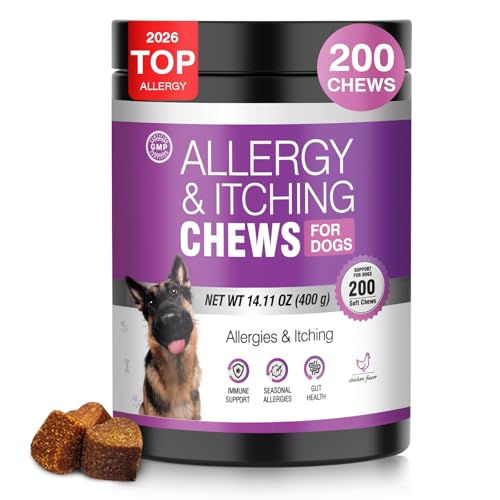
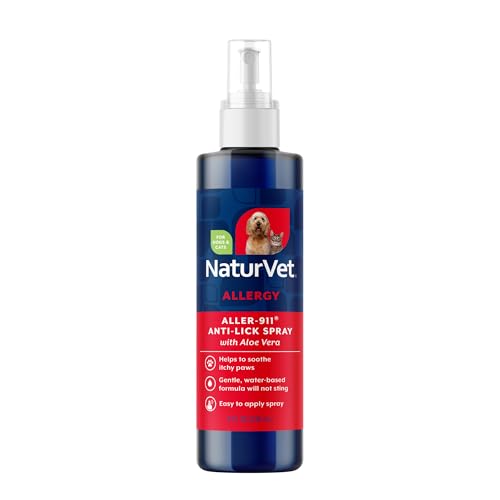
Allergies are the number one cause of excessive licking in dogs. Environmental allergens like pollen, dust mites, and mold, as well as food allergies, cause intense itching. Dogs often lick their paws, belly, and face to relieve the itch. If your dog's paws are red and they keep licking them, allergies are a primary suspect. Learn more about environmental allergies and food allergies.
Most Common CauseSkin Infections & Hot Spots
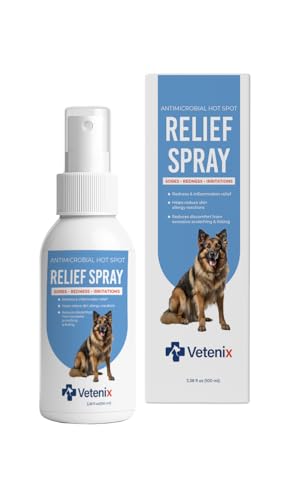
Bacterial or yeast infections on the skin cause itching, redness, and discomfort. Hot spots (acute moist dermatitis) are painful, inflamed areas that dogs lick constantly, making them worse. If you notice redness, hair loss, or a foul odor, a skin infection is likely. See our guide on yeast infection treatment for related info.
Requires Vet CarePain & Joint Problems
Dogs often lick areas of their body that hurt. Arthritis, hip dysplasia, or an injury can cause a dog to lick a specific joint or limb continuously. If your dog is licking one spot and seems stiff or reluctant to move, pain is a strong possibility. Explore our resources on hip dysplasia and arthritis management.
Common in Senior DogsParasites (Fleas, Ticks, Mites)
Fleas, ticks, and mites (like mange or demodex) cause intense itching that leads to licking and scratching. Flea allergy dermatitis is especially common and causes severe itching at the base of the tail and on the hindquarters. Ensure your dog is on a reliable flea treatment and heartworm prevention program.
PreventableGastrointestinal Issues
Nausea, acid reflux, or inflammatory bowel disease can cause dogs to lick excessively, often licking the air, floor, or furniture. If your dog is licking a lot and also experiencing vomiting, diarrhea, or weight loss, a GI issue may be the root cause. See our guide on colitis symptoms and treatment.
Often OverlookedDry Eye or Eye Problems
If your dog is licking their paws and then rubbing their face, or licking the air near their face, they may have dry eye, an eye infection, or an injury. Eye issues cause discomfort that dogs try to soothe. Consult your vet if you notice squinting, redness, or discharge.
Needs Vet DiagnosisImportant: If your dog's excessive licking is accompanied by limping, vomiting, diarrhea, lethargy, or loss of appetite, seek veterinary attention promptly. These signs suggest an underlying medical condition that requires professional diagnosis and treatment.
Behavioral Causes of Excessive Licking
If your veterinarian has ruled out medical causes, the licking is likely behavioral. Dogs use licking as a coping mechanism, a way to release endorphins, and a way to communicate. Here are the most common behavioral reasons for excessive licking:
Anxiety & Stress
Anxiety is a leading behavioral cause of excessive licking. Dogs who are stressed, anxious, or fearful may lick themselves, objects, or the air as a self-soothing behavior. This is similar to how humans might bite their nails or pace when nervous. Common anxiety triggers include separation anxiety, loud noises, changes in routine, or a new environment.
If you suspect anxiety, consider using calming products for dogs, anxiety wraps, or pheromone diffusers. For severe anxiety, consult a veterinarian or a professional behaviorist.
Boredom & Lack of Stimulation
Dogs who don't get enough physical exercise or mental stimulation often develop repetitive behaviors like excessive licking. A bored dog will find ways to entertain themselves, and licking is a common outlet. If your dog is licking excessively and also exhibiting destructive behavior, boredom is likely a major factor.
Increase daily exercise, provide interactive dog toys, puzzle toys, and chew toys to keep their mind and body engaged. A tired dog is a happy dog.
Obsessive-Compulsive Disorder (OCD)
In some cases, excessive licking becomes a true compulsive disorder. Dogs with OCD may lick continuously, even to the point of creating sores or hair loss. This is a serious behavioral condition that often requires a combination of behavior modification, environmental management, and sometimes medication prescribed by a veterinary behaviorist.
Attention-Seeking Behavior
Dogs quickly learn what gets them attention. If licking has ever resulted in you paying attention to them — even if that attention is telling them to stop — they may continue the behavior. This is especially common in dogs who are otherwise under-stimulated. The key is to reward calm, quiet behavior and ignore the licking (as long as it's not harmful).
Learned Behavior & Habit
Sometimes licking starts as a response to a minor irritation and becomes a habit even after the initial cause is gone. The repetitive motion releases endorphins, making it self-reinforcing. Breaking this cycle requires redirecting the behavior and providing alternative outlets.
When Excessive Licking Is a Warning Sign
Not all licking is a problem. Normal grooming licking is occasional and spread across the body. But certain signs indicate that your dog's licking has crossed into problematic territory:
| Sign | What It May Indicate | Action Needed |
|---|---|---|
| Licking one specific spot constantly | Pain, injury, or a localized skin issue | Vet visit to rule out injury or infection |
| Hair loss, redness, or sores | Allergies, infection, or compulsive licking | Vet visit for diagnosis and treatment |
| Licking accompanied by limping | Joint pain, injury, or arthritis | Vet visit for pain management |
| Licking the air or floor | Nausea, GI issues, or anxiety | Vet visit to rule out medical causes |
| Licking at night or when alone | Anxiety or separation anxiety | Behavior modification and calming products |
| Licking with vomiting or diarrhea | Gastrointestinal disease | Vet visit for diagnostic testing |
| Sudden onset of excessive licking | Acute pain, injury, or allergic reaction | Vet visit as soon as possible |
Pro Tip: Take a video of your dog's licking behavior to show your veterinarian. This helps them see the frequency, intensity, and context of the behavior, which can be difficult to describe in words.
Effective Solutions to Stop Excessive Licking
The right solution depends on the root cause. Here's a step-by-step approach to addressing excessive licking:
Step 1: Rule Out Medical Causes
Schedule a veterinary exam. Your vet will perform a physical examination, check for skin infections, parasites, and injuries, and may recommend allergy testing or blood work. If a medical cause is found, treatment may include:
- Allergy management: Antihistamines, steroids, medicated shampoos, or a prescription diet. For food allergies, an elimination diet is often necessary. Explore our dog food for allergies guide.
- Infection treatment: Antibiotics for bacterial infections, antifungals for yeast, or medicated topical treatments. See our guide on ear infection treatment for related products.
- Parasite control: Prescription flea, tick, and mite treatments. Ensure year-round heartworm prevention as well.
- Pain management: Anti-inflammatories, joint supplements, or other pain relief for arthritis or injuries. Consider dog vitamins for joint support.
Step 2: Address Behavioral Causes
If medical causes are ruled out, focus on behavioral modification:
- Increase exercise: A tired dog is less likely to engage in compulsive behaviors. Aim for at least 30-60 minutes of vigorous exercise daily, adjusted for your dog's breed and age.
- Provide mental stimulation: Use puzzle toys, interactive toys, and chew toys to keep your dog's mind engaged. Training sessions are also excellent mental exercise. Learn more in our dog training guide.
- Redirect the behavior: When you see your dog licking excessively, redirect them to a more appropriate activity. Call them for a game of fetch with a fetch toy, give them a chew, or start a training session.
- Manage anxiety: Identify and reduce stressors. Use calming products, anxiety wraps, or pheromone diffusers. For severe anxiety, consult a behaviorist and consider behavior modification techniques.
- Avoid punishment: Never yell at or punish your dog for licking. This increases anxiety and can make the behavior worse. Instead, reward calm, non-licking behavior with treats and praise.
- Use deterrents: For dogs licking furniture or themselves, bitter sprays or topical deterrents can help break the habit. However, these should be used alongside behavior modification, not as a standalone solution.
Step 3: Create a Supportive Environment
- Establish a routine: Dogs thrive on predictability. Feed, walk, and play at the same times each day to reduce anxiety.
- Provide a safe space: Create a quiet, comfortable area where your dog can retreat when stressed. A dog crate with a comfortable crate mat can serve as a den.
- Use calming aids: Consider a heating pad for comfort, or a calming chew for anxiety. See our full range of dog health products.
- Keep them clean: If allergies are a factor, bathe your dog regularly with a gentle dog shampoo to remove allergens from their coat. Use grooming tools to keep their coat healthy.
Preventing Licking Problems Before They Start
While not all licking can be prevented, you can significantly reduce the risk of your dog developing a licking problem by following these proactive steps:
- Regular veterinary care: Annual wellness exams help catch and treat medical issues before they become chronic. Keep up with vaccinations and deworming.
- Parasite prevention: Keep your dog on year-round flea treatment and heartworm prevention. This prevents itching and discomfort that can lead to licking.
- Balanced nutrition: Feed a high-quality diet that meets your dog's nutritional needs. If your dog has food allergies, choose an appropriate hypoallergenic diet.
- Daily exercise and mental stimulation: A well-exercised, mentally stimulated dog is less likely to develop compulsive behaviors. Aim for at least 30-60 minutes of physical activity daily.
- Socialization and training: Proper socialization and positive reinforcement training from a young age build confidence and reduce anxiety.
- Stress management: Minimize stressors in your dog's environment. Provide predictability, a safe space, and plenty of positive attention.
- Grooming and hygiene: Regular grooming keeps your dog's coat and skin healthy, reducing the risk of irritation and infection.
Remember: Excessive licking is a symptom, not a disease. The key to stopping it is identifying and addressing the underlying cause. With patience, consistency, and veterinary guidance, most dogs can overcome this behavior and live a comfortable, happy life.
Frequently Asked Questions
Your Dog Deserves Relief
Excessive licking is distressing for both you and your dog. But with the right approach — starting with a vet visit to rule out medical causes, followed by behavioral modification and environmental enrichment — you can help your dog overcome this issue. For more comprehensive care advice, explore our complete dog care guide and dog health resources. Your dog depends on you to be their advocate — and by reading this guide, you're already on the right track.