Dog Ear Infection Treatment Over the Counter
Discover safe, effective over-the-counter solutions for dog ear infections. Learn how to identify symptoms, choose the right products, and know when professional veterinary care is essential.
Ear infections are one of the most common health problems in dogs, affecting up to 20% of the canine population each year. If your dog is shaking their head, scratching at their ears, or producing a foul odor, an ear infection is likely the culprit. While prescription medication from a veterinarian is the gold standard for treatment, many pet owners wonder if there are effective dog ear infection treatment over the counter options that can provide relief without a clinic visit.
The short answer is: yes, but with important caveats. Over-the-counter ear cleaners and medicated drops can be highly effective for mild, uncomplicated infections — especially those caused by yeast or simple bacterial overgrowth. However, they are not a substitute for veterinary diagnosis when the infection is severe, recurrent, or accompanied by serious symptoms. This guide will walk you through everything you need to know to make informed decisions about your dog's ear health.
For a broader overview of ear health and related conditions, see our complete guide to dog ear infections and our article on proper ear cleaning techniques. If you suspect a yeast infection specifically, our dog ear yeast infection treatment guide provides targeted advice.
Understanding Dog Ear Infections
To choose the right treatment, you need to understand what's happening inside your dog's ear. The canine ear canal is L-shaped, which makes it more difficult for debris and moisture to drain naturally compared to the human ear. This anatomy, combined with factors like allergies, moisture, and genetics, creates an environment where infections thrive.
Ear infections in dogs are typically classified by their location and cause. Otitis externa affects the outer ear canal and is the most common type — this is what most over-the-counter treatments target. Otitis media affects the middle ear and usually requires prescription medication. Otitis interna affects the inner ear and is a serious condition requiring immediate veterinary attention.
The most common causes of ear infections in dogs include:
- Yeast (Malassezia): Naturally occurring fungi that overgrow when the ear environment becomes warm and moist. Yeast infections produce a musty, earthy odor and brownish discharge.
- Bacteria: Often secondary to yeast overgrowth or allergies. Bacterial infections typically produce pus-like discharge and a stronger, more offensive odor.
- Allergies: Environmental or food allergies are the most common underlying cause of chronic ear infections. If your dog has food allergies or environmental allergies, their ears may be a primary target.
- Moisture: Dogs who swim frequently or are bathed often without proper ear drying are at higher risk.
- Anatomy: Breeds with floppy ears (Cocker Spaniels, Basset Hounds, Golden Retrievers) or narrow ear canals (Shar Peis, Pugs) are predisposed to infections.
- Foreign Objects: Grass awns, foxtails, or debris can become lodged in the ear canal and cause irritation and infection.
- Parasites: Ear mites are a common cause, especially in puppies and outdoor cats, though they can affect dogs too.
Important: If your dog has recurring ear infections, the underlying cause is likely an allergy or anatomical issue that needs veterinary investigation. Over-the-counter treatments can manage symptoms but won't resolve the root problem. For dogs with food sensitivities, switching to a diet formulated for dogs with allergies and ear infections can make a significant difference.
Recognizing Symptoms Early
Early detection is key to successful treatment. The sooner you recognize the signs of an ear infection, the more likely an over-the-counter solution will be effective. Here are the most common symptoms to watch for:
Behavioral Signs
- Head shaking: Persistent, vigorous head shaking is often the first sign. Your dog may shake their head repeatedly throughout the day.
- Scratching: Excessive scratching at the ear or the area around it. They may use their hind legs or rub their head against furniture.
- Whining or crying: Vocalizing when the ear is touched or when they shake their head indicates pain.
- Head tilt: A persistent tilt of the head toward the affected ear may indicate a middle or inner ear infection.
- Loss of balance: Stumbling, circling, or difficulty walking can indicate inner ear involvement — seek immediate veterinary care.
- Reluctance to be touched: Your dog may pull away when you try to examine their ears.
Physical Signs
- Redness and swelling: The inside of the ear flap and canal may appear red and inflamed compared to the other ear.
- Discharge: Yellow, brown, black, or bloody discharge from the ear canal. Yeast infections typically produce brownish discharge; bacterial infections may produce yellow or green pus.
- Odor: A foul, musty, or yeasty smell emanating from the ear. This is one of the most reliable indicators of infection.
- Scabs or crusts: Sores or scabs inside the ear flap from scratching.
- Swollen ear flap: A hematoma (blood-filled swelling) can develop from vigorous head shaking.
- Hair loss: Around the ear from chronic scratching.
If you notice any of these signs, examine your dog's ears in a well-lit area. Compare the affected ear to the healthy one. A normal ear is pale pink, clean, and odor-free. If you see redness, discharge, or smell an odor, an infection is likely present.
Tip: If your dog has a history of ear infections related to allergies, keeping a diary of flare-ups can help you identify triggers. Many owners find that their dog's ear problems improve significantly when they address underlying food allergies and sensitive stomachs through diet changes. For dogs with sensitive skin, a diet for allergies and sensitive skin may reduce ear inflammation.
Types of Ear Infections in Dogs
Identifying the type of infection is crucial for choosing the right over-the-counter treatment. While only a veterinarian can definitively diagnose the cause through cytology (microscopic examination of ear debris), certain signs can help you make an educated guess.
Yeast Infection (Malassezia)
Yeast infections are the most common type of ear infection in dogs. They occur when the naturally occurring Malassezia yeast overgrows in the ear canal. This is often secondary to allergies, moisture, or a weakened immune system.
- Odor: Musty, earthy, or yeasty smell
- Discharge: Brown, waxy, or dark discharge
- Appearance: Red, inflamed ear canal with thickening skin
- Common in: Dogs with allergies, floppy ears, frequent swimmers
- OTC treatment: Products containing ketoconazole, miconazole, or clotrimazole are effective against yeast.
Bacterial Infection
Bacterial infections often develop secondary to yeast infections, allergies, or foreign objects. Common bacteria include Staphylococcus, Streptococcus, and Pseudomonas. These infections tend to be more aggressive and painful.
- Odor: Strong, foul, pus-like smell
- Discharge: Yellow, green, or bloody pus
- Appearance: Severe redness, swelling, ulceration
- Common in: Dogs with untreated yeast infections, immune suppression
- OTC treatment: Products with chlorhexidine, povidone-iodine, or benzalkonium chloride can help mild cases. Severe infections require prescription antibiotics.
Ear Mites
Ear mites are tiny parasites that live in the ear canal and feed on ear wax and skin oils. They are highly contagious between animals and cause intense itching. While more common in cats, dogs can also be affected.
- Odor: Mild, not typically foul
- Discharge: Dark, coffee-ground-like debris
- Appearance: Intense scratching, head shaking, visible mites (tiny white specks)
- Common in: Puppies, dogs in multi-pet households, outdoor dogs
- OTC treatment: Products containing pyrethrins or ivermectin (consult vet for correct dosage). Many flea treatments also address ear mites.
Foreign Object or Trauma
Grass awns, foxtails, dirt, or other debris can become lodged in the ear canal, causing irritation that leads to infection. Trauma from scratching or head shaking can also create wounds that become infected.
- Odor: Variable, depends on secondary infection
- Discharge: May be bloody or contain debris
- Appearance: Visible foreign object, swelling, pain
- Common in: Active outdoor dogs, hunting breeds
- OTC treatment: Not appropriate — veterinary removal of the object is necessary.
For more detailed information on identifying and treating specific types of ear infections, see our articles on dog ear infections and yeast infection treatment over the counter.
Over-the-Counter Treatment Options
When used appropriately, over-the-counter ear products can be highly effective for mild infections and routine ear maintenance. They fall into two main categories: ear cleaners and medicated drops. Understanding the difference is essential for choosing the right product.
Ear Cleaners
Ear cleaners are designed to remove debris, wax, and discharge from the ear canal. They create an environment that is less hospitable to infectious organisms and allow medicated drops to work more effectively. Most ear cleaners contain a combination of:
- Cleansing agents: Remove wax and debris (e.g., cocamidopropyl betaine, polysorbate 80)
- Drying agents: Reduce moisture (e.g., isopropyl alcohol, boric acid)
- Antimicrobial agents: Inhibit bacterial and yeast growth (e.g., chlorhexidine, ketoconazole, miconazole)
- Soothing agents: Calm inflammation (e.g., aloe vera, hydrocortisone)
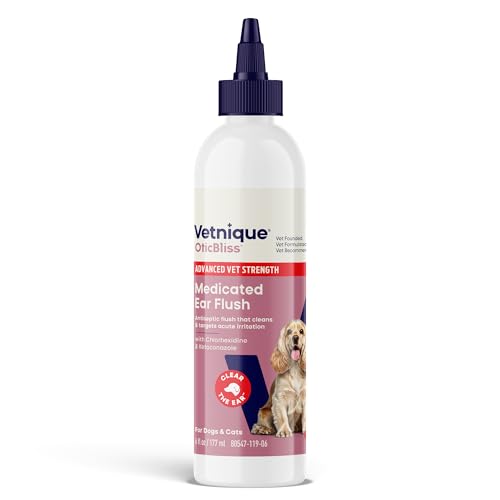
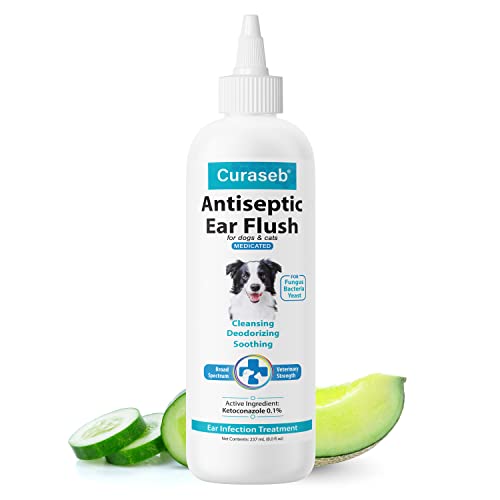
Ear cleaners are not a standalone treatment for active infections — they are a maintenance and support tool. However, some cleaners contain enough antimicrobial activity to resolve very mild, early-stage infections. Look for products specifically formulated for dogs, such as those found in our dog ear cleaner solution guide.
Medicated Ear Drops
Medicated drops contain higher concentrations of active ingredients to directly treat infections. Over-the-counter options are available for mild to moderate cases, but prescription-strength formulas are required for severe or persistent infections.
Common over-the-counter medicated drop ingredients include:
| Ingredient | Targets | Effectiveness | Notes |
|---|---|---|---|
| Ketoconazole | Yeast | High for yeast | Often combined with antibacterials |
| Miconazole | Yeast | High for yeast | Gentle, good for sensitive ears |
| Clotrimazole | Yeast | High for yeast | Common in OTC antifungal products |
| Chlorhexidine | Bacteria | Moderate to high | Effective against many bacteria; may irritate sensitive ears |
| Povidone-Iodine | Bacteria, yeast | Moderate | Broad-spectrum, but can stain and dry the ear |
| Benzalkonium Chloride | Bacteria, yeast | Mild to moderate | Common in gentle OTC cleaners |
| Boric Acid | Bacteria, yeast | Mild | Drying agent; not for deep infections |
When selecting an over-the-counter product, look for one that addresses the specific signs you're seeing. For a musty, yeasty odor with brown discharge, choose a product with an antifungal. For a stronger, pus-like odor, look for one with an antibacterial agent. Our yeast infection treatment guide has more specific product recommendations.
Caution: Never use ear drops that contain steroids (like hydrocortisone) unless directed by a veterinarian. While steroids reduce inflammation, they also suppress the immune system and can worsen certain infections, particularly fungal ones. Steroids should only be used under professional supervision.
Key Active Ingredients to Look For
Understanding active ingredients helps you make informed choices. Here's a breakdown of the most common OTC ingredients and what they do:
Antifungals
Ketoconazole, miconazole, clotrimazole, and terbinafine target yeast overgrowth. These are essential for musty-smelling infections with brown discharge. They are safe for regular use in maintenance cleaners.
Antibacterials
Chlorhexidine, povidone-iodine, and benzalkonium chloride fight bacterial infections. They are effective for pus-like discharge and foul odors. Chlorhexidine can be irritating to sensitive ears, so use with caution.
Drying Agents
Isopropyl alcohol, boric acid, and glycerin reduce moisture in the ear canal, making it inhospitable to microbes. These are important for dogs who swim or have floppy ears.
Soothing Agents
Aloe vera, calendula, and chamomile calm inflammation and reduce itching. These are beneficial for comfort but don't treat the underlying infection.
Cerumenolytics
These agents break down ear wax, allowing other ingredients to penetrate and debris to be removed. Common cerumenolytics include squalene, propylene glycol, and dioctyl sodium sulfosuccinate.
Parasiticides
Pyrethrins, ivermectin, and selamectin kill ear mites. These are essential if your dog has intense itching and coffee-ground debris. Always follow dosage instructions carefully, as some parasiticides can be toxic if overused.
When choosing a product, look for a combination of ingredients that addresses both the infection and the symptoms. A good OTC ear product for active infections typically contains both an antimicrobial and a soothing agent, plus a cerumenolytic to help clean the ear. For maintenance, a simple cleaner with a drying agent is sufficient.
How to Apply Ear Drops Correctly
Incorrect application is a common reason why over-the-counter treatments fail. If you don't get the medication deep enough into the ear canal, it won't reach the infection. Follow these steps for effective application:
- Prepare your supplies: You'll need the ear product, cotton balls or gauze, and a towel if your dog is squirmy. Have someone help hold your dog if possible. Never use cotton swabs (Q-tips) inside the ear canal — they can push debris deeper and damage the ear drum.
- Restrain safely: Have your dog sit or lie down in a comfortable position. If they're anxious, wrap them gently in a towel or use a muzzle if necessary. Approach calmly and speak in a soothing voice. For dogs with anxiety about ear handling, consider using calming products before the session.
- Clean the ear first: If there is visible debris or discharge, gently wipe the visible parts of the ear flap and canal opening with a cotton ball dampened with ear cleaner. Do not insert anything deep into the canal.
- Apply the medication: Hold the ear flap up and squeeze the prescribed amount of ear drops or cleaner into the ear canal. The number of drops depends on your dog's size (typically 3-5 drops for small dogs, 5-10 for large dogs).
- Massage the base of the ear: Gently massage the base of the ear (where the ear meets the head) for 20-30 seconds. You should hear a squishing sound, which means the liquid is spreading through the canal.
- Allow your dog to shake: Let your dog shake their head. This helps expel debris and excess liquid. Be prepared for some splatter — you may want to do this in a bathroom or outside.
- Wipe away excess: Use a clean cotton ball or gauze to wipe away any debris or excess medication that has been shaken out. Never dig into the ear canal.
- Reward your dog: Always follow up with praise, treats, or play to create a positive association with ear handling. This makes future treatments easier.
Frequency: For active infections, most OTC medicated drops are applied once or twice daily for 7-14 days. Ear cleaners are typically used 1-2 times weekly for maintenance, or daily during an active infection as a pre-treatment before medicated drops. Always follow the product label instructions.
If your dog has severe pain or anxiety about ear handling, you may need to have a veterinarian or groomer show you the proper technique. Some dogs may require sedation for ear treatment if they are extremely painful or fearful. For general grooming tips, see our ear cleaning guide.
Safe Home Remedies for Mild Cases
Several home remedies can complement over-the-counter treatments or provide relief for very mild cases. However, they should never replace veterinary care for serious infections. Always test any remedy on a small area first and discontinue if irritation worsens.
Safe Remedies
- Diluted Apple Cider Vinegar: Mix equal parts raw apple cider vinegar and distilled water. Use as a gentle ear cleaner for mild cases. The acidity helps inhibit yeast and bacteria. Do not use if the ear has open sores or is very inflamed.
- Coconut Oil: Has natural antimicrobial and anti-inflammatory properties. Warm a small amount and massage into the ear canal. It can help soothe irritation and break down wax. Use sparingly and ensure it's pure, organic coconut oil.
- Warm Compress: Apply a warm, damp washcloth to the outside of the ear for 5-10 minutes. This can help relieve pain and reduce inflammation.
- Omega-3 Fatty Acids: Adding fish oil or flaxseed oil to your dog's diet can reduce systemic inflammation and support skin and ear health. Many dog foods for allergies already contain omega-3s.
- Probiotics: Supporting gut health with probiotics can indirectly benefit ear health, especially if allergies are the underlying cause. Choose a probiotic formulated for dogs.
Remedies to Avoid
- Hydrogen Peroxide: Too harsh for the delicate ear canal. It can cause irritation and damage healthy tissue.
- Tea Tree Oil: Toxic to dogs if ingested, and can cause severe irritation when applied undiluted. Never use essential oils in the ear without veterinary approval.
- Olive Oil: While sometimes recommended, it can trap moisture and worsen certain infections. If used, apply sparingly and only for very mild wax buildup.
- Rubbing Alcohol: Too drying and can cause pain and irritation in inflamed ears. Use only as part of a formulated ear cleaner, not on its own.
- Human Ear Drops: Never use human ear drops without veterinary approval. Some ingredients are toxic to dogs or not effective for canine ear anatomy.
- Cotton Swabs: Never insert Q-tips or other objects into the ear canal. They can perforate the eardrum or push debris deeper.
Bottom Line on Home Remedies: Home remedies are best used as complementary support, not primary treatment. If you don't see improvement within 48-72 hours, or if your dog's condition worsens, discontinue home remedies and see a veterinarian.
Prevention Strategies
Preventing ear infections is far easier and less expensive than treating them. If your dog is prone to ear problems, incorporating these habits into your routine can dramatically reduce flare-ups:
- Clean ears regularly: Use a vet-approved ear cleaner 1-2 times weekly for dogs with floppy ears or a history of infections. For dogs with upright ears and no history of problems, once every 2-4 weeks is sufficient. Regular cleaning removes debris and moisture before infections can take hold.
- Dry ears thoroughly after swimming or bathing: Moisture is the number one enemy of healthy ears. After any water activity, gently dry the ear canal with a soft cloth or cotton ball, or use a drying ear cleaner. You can also use a dog dryer on a low, cool setting to help dry the ear area.
- Manage allergies: Allergies are the most common underlying cause of chronic ear infections. If your dog has food or environmental allergies, work with your vet to manage them. This may involve a prescription diet, antihistamines, or immunotherapy. Our dog food allergies guide and environmental allergies guide provide detailed management strategies.
- Choose the right food: For dogs with sensitivities, a limited ingredient diet for allergies and sensitive stomachs can reduce systemic inflammation that manifests in the ears. Some dogs do best on a food for sensitive skin and stomach.
- Keep hair trimmed: Hair growing inside the ear canal or around the ear opening can trap moisture and debris. Ask your groomer to trim or pluck ear hair as part of regular grooming services.
- Check ears weekly: Make ear inspection part of your weekly grooming routine. Look for redness, discharge, or odor. Catching problems early makes treatment much easier.
- Avoid triggers: If your dog is allergic to certain grasses or pollens, avoid walking in those areas during peak season. Rinse your dog's paws and ears after walks to remove allergens.
- Use preventive ear products: Some dogs benefit from a preventive ear cleaner with mild antimicrobial properties used once or twice weekly. Our ear cleaner solution guide has recommendations.
For dogs with a history of ear infections related to diet, our article on dog food for allergies and skin problems may be helpful. Also, if your dog has a sensitive stomach alongside ear issues, a food for allergies and sensitive stomach can address both problems simultaneously.
When to See a Veterinarian
While over-the-counter treatments are effective for many mild ear infections, there are clear situations where veterinary care is essential. Trying to treat a serious infection with OTC products can delay proper treatment and allow the infection to worsen, potentially causing permanent damage to the ear canal or eardrum.
Seek veterinary care immediately if you notice:
- Severe pain: Your dog cries out when the ear is touched, or is extremely reluctant to have their head handled.
- Loss of balance or head tilt: This indicates inner ear involvement and requires urgent care.
- Hearing loss: Your dog doesn't respond to sounds they normally react to.
- Bloody or purulent discharge: This suggests a severe bacterial infection or ruptured eardrum.
- Swelling or hematoma: A blood-filled swelling on the ear flap requires drainage and treatment.
- No improvement after 48-72 hours: If OTC treatment isn't working, the infection may be resistant to OTC ingredients or there may be an underlying cause requiring prescription medication.
- Recurring infections: If your dog gets ear infections frequently (more than 2-3 times per year), the underlying cause must be diagnosed and treated.
- Foreign object: If you suspect a grass awn, foxtail, or other object is lodged in the ear, do not attempt to remove it yourself. Veterinary removal is necessary.
- Ear canal completely closed: If the ear canal is swollen shut, medication cannot reach the infection site. A vet can clean and treat the ear properly.
- Systemic symptoms: Lethargy, loss of appetite, fever, or vomiting alongside ear infection symptoms may indicate a more serious systemic issue.
Veterinary diagnosis typically involves an otoscopic examination (looking inside the ear with a special instrument), cytology (microscopic examination of ear debris to identify yeast, bacteria, or mites), and sometimes culture and sensitivity testing to determine the best antibiotic. Treatment may include professional ear cleaning, prescription ear drops, oral antibiotics, or anti-inflammatories.
If your dog has a history of chronic ear infections, your vet may recommend regular checkups even when the ears appear normal, to catch early signs of trouble. For dogs with severe allergies, a referral to a veterinary dermatologist may be beneficial.
Cost of Delay: Treating a mild ear infection with OTC products may cost very little. Treating a severe, chronic ear infection that has caused permanent damage to the ear canal can involve surgery and ongoing management, costing exponentially more. Early intervention is always the most cost-effective approach.
Frequently Asked Questions
Final Thoughts
Over-the-counter treatments can be a valuable first line of defense for mild dog ear infections, but they are not a cure-all. The key is knowing when to treat at home and when to seek professional help. Always start with a veterinary diagnosis if you're unsure, and never hesitate to escalate to professional care if your dog's condition doesn't improve quickly. For more information on related topics, explore our guides on dog ear infections, ear cleaning, ear cleaner solutions, and yeast infection treatment.