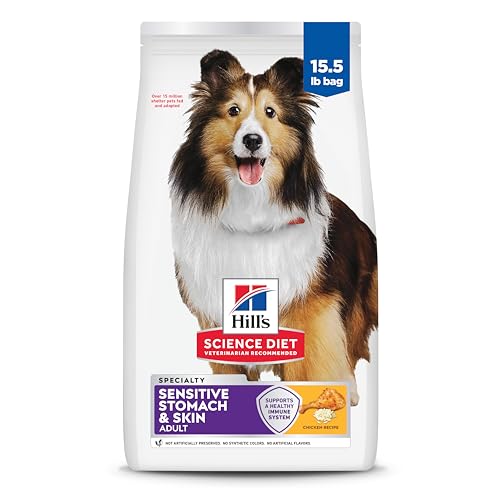
Dog Food Allergies and Sensitive Stomachs
Your complete guide to identifying food allergies, managing sensitive stomachs, and choosing the right diet to keep your dog comfortable, healthy, and thriving.
If your dog scratches constantly, suffers from recurring ear infections, or has frequent digestive upsets, you may be dealing with a food allergy or a sensitive stomach. These two conditions are among the most common — and most misunderstood — health issues in dogs. Many owners spend months, even years, trying different foods without understanding what is actually causing the problem.
The good news is that once you understand the difference between a true food allergy and a food intolerance, and once you know how to properly diagnose and manage the condition, most dogs improve dramatically. This guide walks you through everything you need to know — from recognizing symptoms and identifying triggers to choosing the best food for dogs with allergies and maintaining long-term digestive health.
Quick Tip: Food allergies affect the immune system and often cause both skin and digestive symptoms. A sensitive stomach (food intolerance) does not involve the immune system and primarily causes digestive upset. The treatment approach for each is different, so accurate diagnosis matters.
Food Allergies vs. Food Intolerance: What's the Difference?
These terms are often used interchangeably, but they describe two distinct medical conditions with different causes, symptoms, and treatment approaches. Understanding the difference is the first step toward helping your dog.
True Food Allergy
A food allergy is an immune system reaction to a specific protein in your dog's food. The immune system mistakenly identifies the protein as a threat and launches a defensive response. This response causes inflammation that manifests as skin problems, digestive issues, or both. Food allergies are less common than most people think — they affect roughly 10-15% of dogs with allergic skin disease. The most common allergens are proteins like beef, chicken, dairy, and wheat.
Key characteristics: immune-mediated, often causes skin symptoms alongside digestive issues, requires strict avoidance of the allergen, and can develop at any age — even to foods your dog has eaten for years.
Food Intolerance (Sensitive Stomach)
Food intolerance does not involve the immune system. Instead, your dog's digestive system simply cannot properly process a particular ingredient. This could be due to a lack of specific enzymes, a sensitivity to certain additives, or a reaction to high-fat or spicy foods. Food intolerance is more common than true food allergies and typically causes only digestive symptoms — vomiting, diarrhea, gas, and stomach discomfort — without skin involvement.
Key characteristics: non-immune, primarily digestive symptoms, may tolerate small amounts of the offending ingredient, and can sometimes be managed by reducing or eliminating the trigger rather than strict avoidance.
Important: Some dogs have both a food allergy and a sensitive stomach. If your dog has skin symptoms (itching, ear infections) AND digestive symptoms (vomiting, diarrhea), a true food allergy is more likely. If your dog only has digestive symptoms, a food intolerance or sensitive stomach is the more probable cause.
Recognizing the Symptoms
Symptoms of food allergies and sensitive stomachs can be subtle at first and may worsen over time. Many owners dismiss early signs as "just a sensitive stomach" or "seasonal allergies" until the problem becomes severe. Learning to recognize the full range of symptoms helps you take action sooner.
Skin and Coat Symptoms (More Common with True Allergies)
- Chronic itching: Especially on the paws, face, ears, armpits, and groin. Dogs may lick, chew, or scratch these areas constantly.
- Recurring ear infections: Redness, discharge, odor, and head shaking. Food allergies are a common underlying cause of chronic ear problems in dogs.
- Hair loss and hot spots: Bald patches and red, inflamed areas from excessive licking or scratching.
- Skin infections: Bacterial or yeast infections that keep coming back, especially in the ears and between the toes.
- Hives or swollen paws: Less common but more severe reactions can cause raised welts or swollen paws.
- Poor coat condition: Dull, dry, or greasy coat with excessive shedding.
Digestive Symptoms (More Common with Sensitive Stomachs)
- Vomiting: Especially shortly after eating. May contain undigested food or yellow bile.
- Diarrhea: Soft, loose, or watery stools. May alternate with normal stools.
- Excessive gas: Frequent, foul-smelling flatulence.
- Abdominal discomfort: Pacing, whining, or stretching (often called the "play bow" position to relieve stomach pain).
- Loss of appetite: Refusing food or eating less than usual.
- Weight loss: Despite eating normally, due to poor nutrient absorption.
- Frequent bowel movements: More than 3-4 times daily, often with urgency.
When to See a Vet Immediately: Bloody diarrhea, persistent vomiting, refusal to eat for more than 24 hours, lethargy, or signs of severe pain. These can indicate a more serious condition than simple food intolerance. Learn more about what to do if your dog has bloody diarrhea.
Common Food Triggers
While any ingredient can theoretically cause a reaction, certain proteins and additives are responsible for the vast majority of food allergies and intolerances in dogs. Understanding the most common culprits helps you and your vet narrow down the likely trigger.
The Most Common Allergens
| Trigger | Type | Notes |
|---|---|---|
| Beef | Protein | The most common food allergen in dogs. Often found in commercial dog foods and treats. |
| Chicken | Protein | Second most common allergen. Present in countless dog foods, treats, and even some medications. |
| Dairy | Protein | Dogs are often lactose intolerant. Cheese and milk can cause both digestive and skin issues. |
| Wheat | Grain | Common in many dog foods. Gluten can be a trigger for some dogs with sensitivities. |
| Lamb | Protein | Once considered a novel protein, now commonly used and increasingly becoming an allergen. |
| Egg | Protein | Often found in baked treats and some dog foods. Can cause both skin and digestive symptoms. |
| Soy | Protein | Common in lower-cost dog foods. Can be difficult to avoid as it is used in many products. |
| Corn | Grain | Often blamed, but true corn allergies are relatively rare. More often a cause of intolerance. |
The Protein Paradox: Most dogs are allergic to the protein they have eaten most frequently — not to something new. This is why a dog who has eaten chicken-based food for years can suddenly develop a chicken allergy. The immune system can become sensitized over time with repeated exposure.
Diagnosing the Problem
Diagnosing food allergies and sensitive stomachs is not as simple as running a blood test. In fact, blood tests for food allergies in dogs are notoriously unreliable. The gold standard for diagnosis is an elimination diet trial — a structured feeding program that isolates the problem ingredient.
The Elimination Diet Trial: Step by Step
- Choose a novel protein or hydrolyzed diet: Your vet will recommend either a food with a protein your dog has never eaten before (like venison, duck, or kangaroo) or a hydrolyzed protein diet where the protein is broken down so small the immune system doesn't recognize it. Limited ingredient diets are often used for this purpose.
- Feed ONLY the test diet for 8-12 weeks: This means no treats, no table scraps, no flavored medications, no toothpaste, and no other foods. Even a small piece of the wrong food can invalidate the trial. The only exception is water and prescribed medications.
- Monitor symptoms closely: Keep a daily log of itching, scratching, ear condition, stool quality, and vomiting episodes. Improvements usually begin within 4-6 weeks but can take up to 12 weeks for full resolution.
- Evaluate results: If symptoms improve significantly, food allergy or intolerance is confirmed. If symptoms do not improve, the problem is likely environmental or another health issue.
- Challenge with the old food: If symptoms improved, your vet may recommend reintroducing the old food to confirm the diagnosis. Symptoms should return within days to weeks. If they do, you have your answer.
Why Blood Tests Don't Work: While some companies offer blood tests or saliva tests for food allergies, studies have shown these tests are unreliable and often produce false positives and false negatives. They may identify foods your dog is not actually allergic to while missing the real trigger. The elimination diet trial remains the only scientifically proven method for diagnosis.
Other Conditions to Rule Out
Before settling on a food allergy diagnosis, your vet will want to rule out other conditions that can cause similar symptoms:
- Environmental allergies: Pollen, dust mites, and mold can cause identical symptoms. These are typically seasonal, while food allergies are year-round.
- Parasites: Intestinal parasites like giardia, roundworms, and hookworms can cause digestive symptoms. A fecal exam can rule these out.
- Inflammatory bowel disease (IBD): A more serious condition that requires veterinary diagnosis and treatment.
- Pancreatitis: Inflammation of the pancreas, often caused by high-fat foods. Causes vomiting, diarrhea, and abdominal pain.
- Bacterial or viral infections: Can cause acute digestive symptoms that may be mistaken for food intolerance.
Diet Options That Work
Once a food allergy or sensitive stomach is diagnosed, the solution is finding the right diet. There are several approaches, and the best one depends on your dog's specific triggers, the severity of symptoms, and your budget and lifestyle.
Hydrolyzed Protein Diets
Prescription diets where the protein is broken down into tiny fragments that are too small for the immune system to recognize as allergens. These are the gold standard for diagnosing and managing true food allergies. They are typically available by prescription only and are considered a premium-tier option.
premium / prescriptionNovel Protein Diets
Foods that use a protein source your dog has never eaten before, such as venison, duck, salmon, or kangaroo. These work well if your dog has a confirmed allergy to common proteins. Many high-quality commercial brands offer novel protein formulas without a prescription. Look for limited ingredient options to minimize the risk of hidden allergens.
mid-range to premiumLimited Ingredient Diets (LID)
Foods that contain a short list of simple ingredients — typically one protein source, one carbohydrate source, and essential nutrients. These are ideal for dogs with sensitive stomachs or multiple food intolerances. They are not necessarily hypoallergenic, but they reduce the number of potential triggers.
mid-rangeGrain-Free Diets
For dogs with grain intolerances (not true allergies), grain-free formulas can be helpful. However, grains are rarely the primary allergen in dogs, and grain-free is not automatically hypoallergenic. Some grain-free foods use alternative proteins that may also trigger reactions. Always check the full ingredient list.
mid-range to premiumHigh-Fiber Diets
For dogs with sensitive stomachs who have chronic diarrhea or loose stools, a high-fiber diet can help firm up stools and support digestive health. These diets often contain ingredients like pumpkin, sweet potato, or psyllium. They are not designed for food allergies but can manage symptoms of colitis or irritable bowel syndrome.
mid-rangeLow-Fat Diets
If your dog's sensitive stomach is triggered by high-fat foods, a low-fat diet may be the answer. This is especially important for dogs with pancreatitis or those prone to stomach upset after eating rich foods. Low-fat diets are typically prescription or veterinary-recommended.
premium / veterinaryChoosing the Right Diet: The best diet for your dog depends on the specific diagnosis. For true food allergies, hydrolyzed or novel protein diets are usually necessary. For sensitive stomachs, limited ingredient, high-fiber, or low-fat diets may be sufficient. Always work with your veterinarian to select the right option and transition slowly.
How to Transition Foods Safely
An abrupt switch to a new food — even one that is better for your dog — can cause digestive upset. A slow transition gives your dog's digestive system time to adjust and prevents unnecessary discomfort. This is especially important for dogs with already sensitive stomachs.
The 7-Day Transition Plan
- Days 1-2: 75% old food, 25% new food. Mix thoroughly.
- Days 3-4: 50% old food, 50% new food.
- Days 5-6: 25% old food, 75% new food.
- Day 7 and beyond: 100% new food.
If your dog shows signs of digestive upset (vomiting, diarrhea, gas) during the transition, slow down. Stay at the current ratio for a few extra days until symptoms resolve, then continue. For dogs with severe sensitivities, a 10-14 day transition may be necessary.
During an Elimination Diet: If you are transitioning to a prescription or novel protein diet for a food allergy trial, your vet may recommend a faster transition or even an immediate switch, depending on your dog's condition. Always follow your vet's specific instructions for elimination diet trials — do not follow the standard 7-day plan if your vet has advised otherwise.
Long-Term Management
Once you have identified the trigger and found a diet that works, the goal is to maintain your dog's health and prevent symptoms from returning. This requires vigilance and consistency, especially for true food allergies where even small amounts of the allergen can cause a reaction.
Key Strategies for Long-Term Success
- Read every label, every time: Pet food manufacturers change ingredients without warning. Even if you buy the same brand and formula, check the label to ensure the ingredients haven't changed. This is especially important for limited ingredient diets.
- Avoid cross-contamination: If you have multiple dogs, feed them separately. Use different bowls and wash them thoroughly. Store the allergy-friendly food in a separate container to avoid accidental mixing.
- Be careful with treats and chews: Many treats contain common allergens like beef, chicken, and wheat. Look for single-ingredient treats that match your dog's safe protein, like freeze-dried salmon or duck. Learn more about choosing safe treats.
- Communicate with everyone: Make sure all family members, dog sitters, and daycare staff know what your dog can and cannot eat. One well-meaning person giving the wrong treat can undo weeks of progress.
- Monitor for new allergies: Dogs can develop new allergies over time. If symptoms return after a period of improvement, revisit your vet. A new elimination diet trial may be needed to identify a new trigger.
- Support digestive health: Probiotics and digestive enzymes can help maintain a healthy gut, especially for dogs with sensitive stomachs. Ask your vet if a supplement might benefit your dog. Learn about supplements for digestive support.
- Regular veterinary checkups: Even when your dog is doing well, regular checkups are important to monitor overall health, weight, and nutritional status. Your vet can also help you adjust the diet as your dog ages.
Emergency Preparedness: If your dog accidentally eats something they are allergic to, contact your vet immediately. Symptoms can range from mild digestive upset to severe reactions. Keep a dog first aid kit on hand and know the signs of anaphylaxis — difficulty breathing, swelling, and collapse — which requires emergency veterinary care.
Frequently Asked Questions
Next Steps:
If you suspect your dog has a food allergy or sensitive stomach, schedule an appointment with your veterinarian. They can help you rule out other conditions, design an elimination diet trial, and recommend the best diet for your dog's specific needs. In the meantime, keep a detailed log of your dog's symptoms, including when they occur, what they look like, and what your dog has eaten. This information will be invaluable to your vet during the diagnostic process.
For more information on related topics, explore our guides on dog food for sensitive stomachs, general dog diet advice, and choosing the best dog food. With patience, consistency, and the right diet, most dogs with food allergies and sensitive stomachs can live comfortable, happy lives.