Dog Environmental Allergies: Complete Guide
Learn to identify, treat, and manage your dog's environmental allergies. From pollen and dust mites to mold and dander — we cover it all.
Environmental allergies are one of the most common health issues in dogs, affecting up to 10-15% of the canine population. Unlike food allergies, which are triggered by specific ingredients, environmental allergies are caused by substances in your dog's surroundings — pollen, dust mites, mold spores, and dander from other animals.
If your dog is constantly scratching, licking their paws, or suffering from recurrent ear infections, environmental allergies could be the culprit. The good news is that with the right approach, these allergies can be managed effectively. This guide will walk you through everything you need to know — from identifying the signs to finding the best treatments and products to keep your dog comfortable.
What Are Environmental Allergies?
Environmental allergies occur when a dog's immune system overreacts to harmless substances in the environment. These substances, called allergens, trigger an inflammatory response that leads to itching, skin irritation, and other symptoms. The condition is also known as atopic dermatitis or canine atopy.
Unlike humans who typically experience respiratory symptoms like sneezing and runny noses, dogs primarily show skin-related symptoms. The most common areas affected are the paws, ears, face, armpits, and belly. Some dogs may also have gastrointestinal symptoms, but this is less common than with food allergies.
Key Fact: Environmental allergies are usually seasonal but can be year-round if allergens like dust mites or mold are present in your home. Many dogs develop allergies between 1-3 years of age, but they can start at any point in a dog's life.
Common Symptoms of Environmental Allergies in Dogs
Recognizing the symptoms early allows you to seek treatment quickly and prevent secondary infections from developing. Here are the most common signs:
- Excessive scratching or biting: Particularly around the face, paws, ears, belly, and armpits.
- Red, inflamed, or irritated skin: Often accompanied by a rash or raised bumps.
- Chronic ear infections: Recurrent ear problems are a hallmark of environmental allergies.
- Licking or chewing paws: Dogs with allergies often obsessively lick their paws, causing them to become stained reddish-brown.
- Hair loss or thinning coat: Caused by constant scratching and licking.
- Sneezing or watery eyes: Less common but can occur, especially with pollen allergies.
- Skin odor or greasiness: Secondary yeast or bacterial infections can cause a distinct smell.
- Head shaking: Often due to ear discomfort.
Symptoms may be seasonal, worsening in spring and fall when pollen counts are high, or they may persist year-round if indoor allergens like dust mites are the trigger. Keeping a symptom journal can help you identify patterns related to seasons, locations, or activities.
Top Environmental Allergens Affecting Dogs
Understanding what triggers your dog's allergies is the first step toward effective management. Here are the most common environmental allergens:
Outdoor Allergens
- Tree pollen: Common in spring; includes oak, maple, cedar, and birch.
- Grass pollen: Peaks in late spring and summer; includes Bermuda, timothy, and Kentucky bluegrass.
- Weed pollen: Ragweed is the most common in fall.
- Mold spores: Thrive in damp, humid environments; can be indoor or outdoor.
- Fungal spores: Similar to mold, often found in soil and decaying vegetation.
Indoor Allergens
- Dust mites: Microscopic creatures that live in bedding, carpets, and upholstery.
- Mold spores: Found in damp areas like basements, bathrooms, and kitchens.
- Dander: Skin flakes from other animals in the household.
- Cockroach allergens: Common in urban areas.
- Fabric fibers: Some dogs may react to certain synthetic fibers or wool.
💡 Pro Tip: If your dog's symptoms improve when you go on vacation or spend more time away from home, it could indicate an indoor allergen like dust mites or mold in your house.
How Vets Diagnose Environmental Allergies
Diagnosing environmental allergies can be a process of elimination, as symptoms can overlap with other conditions like food allergies, parasite infestations, or skin infections. Here's what you can expect during a vet visit:
- Physical Exam & History: Your vet will examine your dog's skin and ask about the onset, timing, and patterns of symptoms. They'll want to know if symptoms change with seasons or environments.
- Rule Out Other Causes: A skin scraping or cytology may be done to rule out parasites (like mites) or infections (bacterial or yeast).
- Elimination Diet (Optional): If food allergies are suspected, your vet may recommend a strict elimination diet to rule them out before proceeding with environmental allergy testing.
- Intradermal Skin Testing: Considered the gold standard. Small amounts of potential allergens are injected under the skin to see which ones trigger a reaction. This is typically done by a veterinary dermatologist.
- Serum Allergy Testing (Blood Test): A blood sample is tested for antibodies against specific allergens. While less invasive than skin testing, it can sometimes produce false positives.
Once the specific allergens are identified, your vet can create a targeted treatment plan, which may include immunotherapy (allergy shots) or specific medications.
Treatment Options That Actually Work
Managing environmental allergies is about reducing exposure, controlling symptoms, and strengthening your dog's skin barrier. Here are the most effective treatment approaches:
1. Medications
- Antihistamines: Diphenhydramine (Benadryl) and cetirizine (Zyrtec) can help mild cases, but always consult your vet for proper dosing. Read more about safe allergy treatments.
- Steroids: For severe flare-ups, short-term oral or injectable steroids can quickly bring symptoms under control. Long-term use is not recommended due to side effects.
- Apoquel (Oclacitinib): A targeted medication that blocks the itch signal at the source. It works quickly and is safe for long-term use in most dogs.
- Cytopoint: A monoclonal antibody injection that neutralizes itch-causing proteins. It lasts for 4-8 weeks and is very effective for many dogs.
2. Immunotherapy (Allergy Shots)
If your dog has been tested and specific allergens have been identified, immunotherapy can be a game-changer. It involves giving your dog regular injections of small amounts of the allergen to gradually desensitize their immune system. It's a long-term commitment (often 12 months or more) but can provide lasting relief.
3. Medicated Baths
Regular bathing with a hypoallergenic or medicated shampoo removes allergens from the skin and coat, soothes irritation, and supports the skin barrier. Look for shampoos containing colloidal oatmeal, aloe vera, or chlorhexidine (for bacterial/fungal control).
Home Care & Environmental Control
Minimizing your dog's exposure to allergens is just as important as medical treatment. Here are practical steps to reduce allergens in your home and daily life:
- Wipe paws after walks: Use a damp cloth or pet wipes to remove pollen and allergens from your dog's paws and coat after outdoor time.
- Frequent vacuuming: Use a HEPA-filter vacuum to remove dust mites, dander, and pollen from carpets and upholstery. Vacuum at least twice a week.
- Wash bedding regularly: Wash your dog's bed and your own bedding in hot water (at least 130°F) to kill dust mites. Do this weekly.
- Use air purifiers: A HEPA air purifier in rooms where your dog spends the most time can significantly reduce airborne allergens.
- Control humidity: Keep indoor humidity below 50% to prevent mold growth. Use a dehumidifier in damp areas like basements.
- Bathe your dog regularly: Your vet can recommend a bathing frequency that works for your dog — usually every 1-2 weeks during allergy season.
- Limit outdoor exposure: When pollen counts are high, keep your dog inside during peak hours (early morning and late evening).
Remember: Environmental control is an ongoing process. The more consistent you are, the more relief your dog will experience. It's a team effort between you, your vet, and your dog.
The Role of Diet in Allergy Management
While environmental allergies are not caused by food, diet plays a crucial role in managing symptoms. A high-quality diet supports skin health, reduces inflammation, and strengthens the immune system. Here's what to look for:
- Omega-3 fatty acids: Found in fish oil and flaxseed, omega-3s have anti-inflammatory properties that can reduce itching and improve skin quality.
- Limited ingredient diets: While not necessary for environmental allergies, a simpler diet can help rule out food sensitivities and reduce overall allergic load.
- Novel proteins: If your dog has concurrent food sensitivities, a novel protein like venison, duck, or kangaroo might be beneficial.
- Probiotics: A healthy gut microbiome supports immune function and can help regulate allergic responses.
- Antioxidants: Vitamins E and C, along with other antioxidants, support skin health and combat oxidative stress.
If you're looking for specialized food options, check out our recommendations for best dog food for allergies and sensitive skin and food for dogs with allergies and sensitive stomach.
Best Products for Dogs with Environmental Allergies
Having the right products on hand can make a world of difference in managing your dog's allergies. From shampoos to supplements, here are the essentials every allergy-prone dog needs:
Grooming & Skin Care
- Medicated shampoos: Look for formulations with colloidal oatmeal, aloe, or chlorhexidine.
- Conditioners: Helps restore the skin's natural moisture barrier.
- Pet wipes: Convenient for wiping paws and coat after outdoor walks.
- Ear cleaners: For dogs prone to ear infections, a gentle ear cleanser is essential.
Supplements & Medications
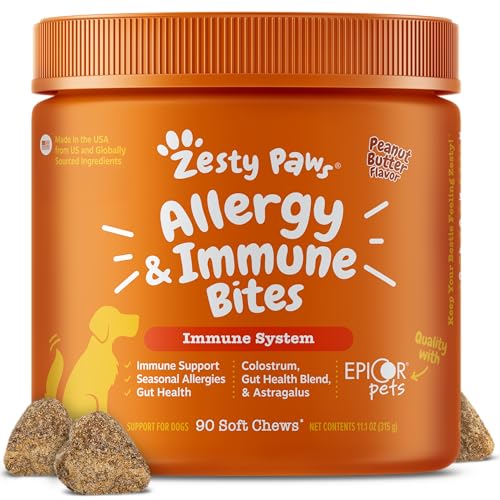
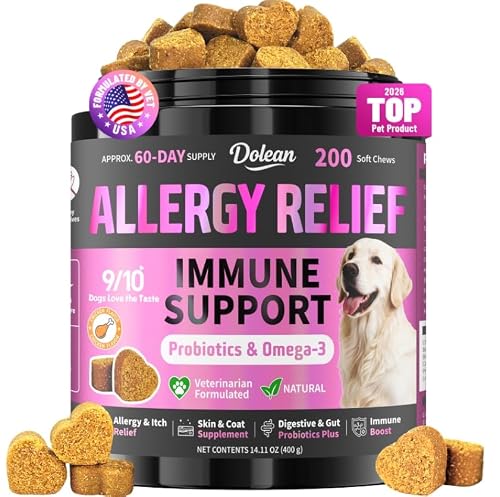
- Omega-3 supplements: High-quality fish oil for skin health.
- Probiotics: Supports gut health and immune function.
- Antihistamines: Always consult your vet for proper dosing.
- Topical sprays: Soothing sprays for hot spots and irritated areas.
For a complete list of vet-recommended products, check out our dog products section where you'll find everything from shampoos to vitamins and supplements.
Frequently Asked Questions About Dog Environmental Allergies
Still Have Questions?
Dealing with a dog with environmental allergies can feel overwhelming, but you're not alone. By working closely with your veterinarian and implementing the strategies in this guide, you can help your dog live a happier, itch-free life. Start with the basics: an accurate diagnosis, consistent environmental control, and the right combination of treatments. Your dog will thank you for it.