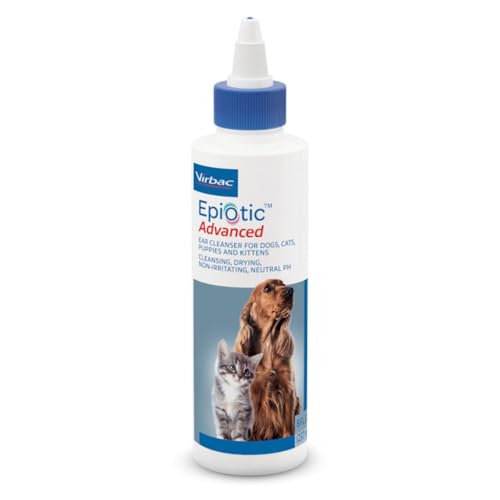
Dog Ear Cleaner Solution: The Complete Guide
Everything you need to know about choosing, using, and storing dog ear cleaner solution — plus how to keep your dog's ears healthy and infection-free.
Your dog's ears are one of the most sensitive and often overlooked parts of their body. Unlike humans, a dog's ear canal is L-shaped, which means debris, wax, and moisture can easily become trapped deep inside. Without regular cleaning, this environment becomes a perfect breeding ground for bacteria and yeast, leading to painful infections that can become chronic if left untreated.
A high-quality dog ear cleaner solution is one of the simplest and most effective tools you can use to maintain your dog's ear health. But with so many products on the market — and so much conflicting advice online — it's easy to feel overwhelmed. This guide will walk you through everything you need to know to make an informed decision and use ear cleaner safely and effectively.
Why Dog Ear Cleaning Matters
Ear infections are one of the most common reasons dogs visit the veterinarian. Certain breeds — especially those with floppy ears like Cocker Spaniels, Basset Hounds, and Golden Retrievers — are particularly prone to ear problems because their ear flaps trap moisture and prevent proper airflow.
Regular ear cleaning with a proper solution helps:
- Remove excess wax and debris that can harbor bacteria and yeast
- Dry the ear canal after swimming or bathing, preventing moisture buildup
- Reduce the risk of infection by keeping the ear environment balanced
- Allow early detection of problems — you'll notice redness, discharge, or odor sooner
- Strengthen your bond through gentle, positive handling
Did You Know? A dog's ear canal is much longer and more vertical than a human's. This L-shape means that simply wiping the visible part of the ear is not enough — a good cleaning solution helps flush debris out of the deeper canal.
Types of Dog Ear Cleaner Solutions
Not all ear cleaners are the same. They fall into several broad categories, each suited to different needs. Understanding these types will help you choose the right product for your dog.

Drying Solutions
These cleaners are designed to evaporate moisture from the ear canal after swimming or bathing. They often contain gentle astringents that help keep the ear dry and prevent infection. Ideal for dogs that swim frequently or have floppy ears.
Entry-level to mid-range
Cleansing Solutions
These are the most common type, formulated to break down wax and debris so it can be gently flushed out. They usually contain surfactants and mild solvents. Suitable for routine maintenance in most dogs.
Mid-range
Medicated Solutions
These contain active ingredients to treat or prevent specific conditions like bacterial or yeast infections. They should only be used under veterinary guidance, as some ingredients can be too harsh for routine use.
Premium to luxury
Natural & Gentle Formulas
These use plant-based or gentle ingredients like aloe vera, chamomile, or witch hazel. They are a good option for dogs with sensitive skin or allergies, but they may be less effective at breaking down heavy wax.
Mid-tier to premiumKey Ingredients to Look For
A good dog ear cleaner solution should contain a balance of ingredients that clean, soothe, and protect. Here are the most common beneficial ingredients:
- Gentle surfactants: Help break down wax and debris so it can be flushed out. Look for mild, non-irritating types.
- Drying agents: Such as isopropyl alcohol in low concentrations or gentle astringents that help evaporate moisture. These are especially useful for dogs that swim.
- Soothing ingredients: Aloe vera, chamomile, or oatmeal can help calm irritated skin and reduce redness.
- Antimicrobial agents: Some solutions contain gentle antiseptics like chlorhexidine or ketoconazole to help prevent infection. These are best used under veterinary supervision.
- pH-balanced formula: Dog ear canals have a different pH than human ears. Choose a product specifically formulated for dogs to avoid irritation.
Tip: Always check the label for a clear list of ingredients. If a product doesn't list its ingredients or uses vague terms like "proprietary blend," consider choosing a different brand.
Ingredients to Avoid
Some ingredients commonly found in ear cleaners can be harmful to your dog. Avoid products that contain:
- High concentrations of alcohol: Can sting and dry out the ear canal, causing irritation and discomfort.
- Hydrogen peroxide: Can damage delicate ear tissue and is not recommended for routine cleaning.
- Vinegar: While some homemade remedies use vinegar, it can be too acidic and cause irritation, especially if the ear is already inflamed.
- Tea tree oil: Toxic to dogs if ingested and can cause irritation when applied to sensitive skin.
- Artificial fragrances and dyes: Can trigger allergic reactions and irritation.
Important: If your dog has an ear infection, do not use a standard ear cleaner without consulting your vet. Cleaning an infected ear with the wrong product can worsen the infection and cause severe pain.
How to Use Ear Cleaner Solution Safely
Using ear cleaner correctly is just as important as choosing the right product. Follow these steps for a safe and effective cleaning session:
- Gather your supplies: You'll need your ear cleaner solution, cotton balls or gauze pads, and a towel. Never use cotton swabs (Q-tips) inside the ear canal, as they can push debris deeper and damage the ear drum.
- Get your dog comfortable: Choose a calm moment and have a helper hold your dog if needed. Speak softly and offer treats to create a positive association.
- Apply the solution: Gently lift the ear flap and squeeze a generous amount of cleaner into the ear canal. Don't be shy — the solution needs to reach deep enough to break down wax.
- Massage the base of the ear: Gently massage the base of the ear (where it meets the head) for 20-30 seconds. You should hear a squishing sound, which means the solution is moving around inside.
- Let your dog shake: Step back and let your dog shake their head. This will help bring debris and excess solution out of the ear canal.
- Wipe clean: Use a cotton ball or gauze to gently wipe away loosened wax and debris from the visible part of the ear. Never insert anything into the ear canal.
- Reward your dog: Give plenty of praise and treats. This helps your dog associate ear cleaning with positive experiences.
Pro Tip: If your dog is anxious about ear cleaning, start slowly. Just touch the ears and reward, then progress to lifting the flap, then applying a small amount of solution. Build up gradually over several sessions.
How Often to Clean Your Dog's Ears
The right cleaning frequency depends on your dog's breed, lifestyle, and ear health. Here's a general guideline:
- Dogs with upright ears and no issues: Every 3-4 weeks, or as needed.
- Dogs with floppy ears: Every 2-3 weeks, as they are more prone to moisture buildup.
- Dogs that swim frequently: After every swim, or at least weekly, using a drying solution.
- Dogs with allergies: Weekly, as allergies often cause ear inflammation and wax buildup.
- Dogs with a history of ear infections: Follow your vet's recommended schedule, which may be weekly or biweekly.
It's important to check your dog's ears regularly — even if you don't clean them every time. Look for redness, swelling, discharge, or odor. If you notice any of these signs, consult your vet before cleaning. For more detailed guidance on ear cleaning techniques, see our dog ear cleaning guide.
When Cleaning Isn't Enough: Ear Infections
Sometimes, despite your best efforts, your dog may develop an ear infection. This can happen for several reasons, including allergies, moisture, foreign objects, or underlying health conditions. If you notice any of the following signs, see your vet before using any ear cleaner:
- Head shaking or tilting
- Scratching or pawing at the ears
- Redness or swelling of the ear flap or canal
- Discharge that may be yellow, brown, or bloody
- Foul odor from the ears
- Whining or crying when the ears are touched
- Loss of balance or unusual head movements
Ear infections can be bacterial, yeast, or a combination of both. Your vet will diagnose the type and prescribe the appropriate treatment, which may include medicated ear drops. For more information, see our guide on dog ear infections and over-the-counter ear infection treatments.
Warning: Never attempt to treat an ear infection with home remedies or over-the-counter products without a veterinary diagnosis. Using the wrong treatment can delay healing, cause complications, or lead to chronic issues.
Prevention Tips for Healthy Ears
In addition to regular cleaning, there are several things you can do to keep your dog's ears healthy and reduce the risk of infections:
- Keep ears dry: After swimming or bathing, gently dry your dog's ears with a towel or use a drying ear cleaner. Moisture is the number one cause of ear infections.
- Manage allergies: If your dog has food or environmental allergies, work with your vet to manage them. Allergies often cause inflammation in the ears, leading to infections. See our guides on dog food allergies and environmental allergies.
- Feed a balanced diet: Good nutrition supports a healthy immune system. A quality dog food guide can help you choose the right diet.
- Avoid irritating substances: Keep your dog away from cigarette smoke, harsh chemicals, and other irritants that can affect the ears.
- Regular vet check-ups: Include ear examinations in your dog's annual wellness visits. Early detection of problems makes treatment easier.
- Trim hair around the ears: For breeds with excess hair in the ear canal, regular trimming can improve airflow and reduce moisture. Ask your groomer or vet for guidance.
Frequently Asked Questions
Final Thoughts
Choosing the right dog ear cleaner solution and using it correctly is one of the simplest ways to protect your dog from painful ear infections. Regular cleaning, combined with a healthy diet and routine vet care, will keep your dog's ears in great shape for years to come. If you're looking for more guidance on ear care, explore our ear cleaning guide and our recommendations for the best ear cleaner solutions.