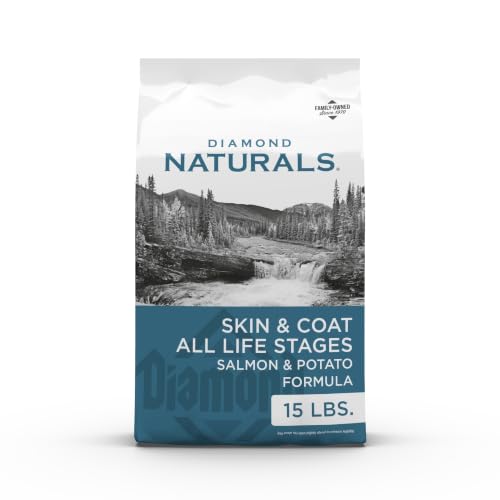
Dog Food for Allergies: The Complete Guide
If your dog is constantly scratching, licking their paws, or suffering from recurring ear infections, food allergies could be the culprit. This guide walks you through identifying triggers, choosing the right diet, and finding lasting relief.
Food allergies affect a significant percentage of dogs worldwide, yet they are frequently misdiagnosed or overlooked. Many owners attribute their dog's itching, digestive issues, and recurring skin problems to environmental factors when the real culprit is sitting in their food bowl. Unlike environmental allergies, which can be seasonal and manageable with medication, food allergies require a targeted dietary approach that eliminates the trigger ingredients entirely.
The challenge is that identifying food allergies in dogs is not as simple as switching to a "hypoallergenic" brand from the pet store. True diagnosis requires a systematic elimination diet trial, and successful management demands a commitment to reading every label, scrutinizing every treat, and avoiding cross-contamination. This guide provides a complete roadmap for navigating that process, from recognizing the signs to selecting the right dog food and maintaining long-term dietary compliance.
Key Takeaway: Food allergies in dogs cannot be cured, but they can be managed effectively through strict dietary avoidance. The first step is always a proper veterinary-guided elimination diet trial — not guessing and switching foods randomly.
What Are Dog Food Allergies?
A food allergy occurs when a dog's immune system mistakenly identifies a specific protein or ingredient in their food as a threat and mounts a defensive response. This response triggers the release of histamines and other inflammatory compounds, leading to the symptoms we associate with allergies: itching, redness, swelling, and digestive distress.
It's important to distinguish between a true food allergy and a food intolerance. A food allergy involves the immune system and typically presents with skin-related symptoms alongside digestive issues. A food intolerance, on the other hand, does not involve the immune system and usually manifests as gastrointestinal upset alone — vomiting, diarrhea, or gas — without the itching and skin inflammation characteristic of allergies.
Food allergies can develop at any age, though most dogs first show signs between one and five years old. Unlike environmental allergies, which often worsen seasonally, food allergies tend to be present year-round and may intensify gradually over time. A dog can also develop an allergy to an ingredient they have eaten for years without issue — the immune system's response can change suddenly and unpredictably.
Allergy vs. Intolerance: Know the Difference
- Food Allergy: Immune-mediated response. Symptoms include itching, hives, ear infections, paw licking, and gastrointestinal upset. Can affect any body system.
- Food Intolerance: Non-immune reaction. Symptoms are primarily digestive: vomiting, diarrhea, gas, bloating. No skin involvement.
- Environmental Allergy: Immune response to pollen, dust mites, mold. Often seasonal. Responds to antihistamines and immunotherapy. Not resolved by diet changes.
- Atopic Dermatitis: A genetic predisposition to allergic skin disease. Can be triggered by both food and environmental allergens. Requires comprehensive management.
Recognizing the Symptoms of Food Allergies
The symptoms of food allergies in dogs can vary widely in severity and presentation. Some dogs experience intense itching that leads to self-mutilation, while others show only mild, intermittent discomfort. Because the symptoms can mimic other conditions — environmental allergies, parasitic infections, or even behavioral issues — food allergies are often overlooked or misdiagnosed.
The most telling sign is a pattern of symptoms that occurs year-round, does not respond to changes in environment or season, and improves only when the diet is changed. If your dog's itching worsens after meals or treats, food allergies should be high on your list of suspects.
Common Skin and Coat Symptoms
- Chronic itching (pruritus): The most common symptom. Dogs may scratch incessantly, especially around the ears, face, paws, belly, and groin.
- Paw licking and chewing: Dogs with food allergies often lick or chew their paws until they are red, raw, and stained brown from saliva.
- Recurring ear infections: Food allergies frequently cause inflammation in the ear canals, leading to yeast or bacterial infections that keep coming back.
- Hair loss (alopecia): Patchy hair loss can occur in areas of intense scratching or licking.
- Red, inflamed skin: The skin may appear red, irritated, and warm to the touch, particularly in the armpits, groin, and between the toes.
- Hives or raised welts: Less common but possible in acute allergic reactions.
- Hot spots: Acute, moist, red lesions that develop rapidly and are intensely painful and itchy.
Gastrointestinal Symptoms
- Vomiting: Often occurs shortly after eating, sometimes undigested food.
- Diarrhea: May be intermittent or chronic. Can contain mucus or blood in severe cases.
- Excessive gas: Chronic flatulence that does not improve with diet changes alone.
- Abdominal pain: Dogs may exhibit a tucked-up abdomen, reluctance to be touched, or general discomfort.
- Weight loss: In severe cases, malabsorption can lead to unintended weight loss.
Important: If your dog is experiencing severe gastrointestinal symptoms, including bloody diarrhea or persistent vomiting, seek veterinary attention immediately. These symptoms can indicate a serious medical emergency. Our guide on what to do when your dog has bloody diarrhea provides critical first steps.
Most Common Food Allergens in Dogs
Contrary to popular belief, the most common food allergens for dogs are not grains or fillers — they are animal proteins. Studies consistently show that beef, chicken, and dairy top the list of ingredients that trigger allergic reactions in dogs. This is because proteins are larger, more complex molecules that the immune system is more likely to misidentify as a threat.
Many commercial dog foods contain multiple protein sources, making it difficult to pinpoint which ingredient is causing the problem. Additionally, some dogs are allergic to more than one ingredient, which complicates diagnosis and dietary management.
| Allergen | Type | Common Sources | Notes |
|---|---|---|---|
| Beef | Protein | Most commercial dog foods, treats, bones | The most commonly reported allergen in dogs |
| Chicken | Protein | Kibble, canned food, treats, training rewards | Second most common; often hidden in "meat meal" |
| Dairy | Protein | Cheese, yogurt, milk-based treats | Lactose intolerance is different from dairy allergy |
| Lamb | Protein | Many "hypoallergenic" diets | Increasingly common as it's used in LID formulas |
| Egg | Protein | Some kibbles, treats, homemade diets | Both egg white and yolk can be allergenic |
| Wheat | Grain | Kibble, biscuits, some treats | Less common than protein allergies but still significant |
| Soy | Protein | Some commercial diets, especially economy brands | Often used as a protein booster |
| Corn | Grain | Many dry foods, especially budget formulas | More often causes intolerance than true allergy |
Did You Know? A dog can be allergic to both chicken and beef simultaneously, and many are. This is why limited ingredient diets with a single novel protein — like salmon, venison, or duck — are often the first step in managing food allergies. If your dog has been diagnosed with food allergies and you're unsure what to feed, our guide on what to feed a dog with food allergies breaks down the options.
How Food Allergies Are Diagnosed
Diagnosing food allergies in dogs is a process of elimination — literally. Unlike environmental allergies, which can be identified through blood tests or skin prick testing, food allergies cannot be reliably diagnosed through any blood, saliva, or hair test currently available. The only scientifically validated method is the elimination diet trial.
The Elimination Diet Trial: Step by Step
- Choose a novel protein and carbohydrate: Select a protein your dog has never eaten before (e.g., venison, kangaroo, alligator) and a carbohydrate they have never eaten (e.g., sweet potato, pumpkin, quinoa). Alternatively, use a hydrolyzed protein diet where proteins are broken down so small the immune system doesn't recognize them.
- Feed exclusively for 8-12 weeks: During the trial, your dog must eat ONLY the elimination diet. No treats, no table scraps, no flavored medications, no dental chews, no rawhides. Even a tiny piece of chicken can trigger a reaction and invalidate the entire trial.
- Monitor symptoms closely: Keep a daily log of itching, scratching, ear condition, stool quality, and any other symptoms. Improvement is usually gradual — you may see partial improvement by week 4 and full resolution by week 8-12.
- Challenge with the original diet: If symptoms improve during the trial, reintroduce the original diet for 1-2 weeks. If symptoms return, food allergy is confirmed. If no symptoms return, the improvement may have been coincidental or due to another factor.
- Identify specific triggers: If food allergy is confirmed, you can reintroduce individual ingredients one at a time to identify exactly which ones cause reactions. This allows you to find the widest possible diet your dog can tolerate.
Why Blood Tests Don't Work for Food Allergies: Serum allergy tests (blood tests) and saliva tests for food allergies have been repeatedly shown to produce unreliable results in dogs. They often yield false positives, leading owners to eliminate foods unnecessarily, and false negatives, missing true allergens. The elimination diet trial remains the gold standard.
Working with Your Veterinarian
An elimination diet trial should always be conducted under veterinary supervision. Your vet can help you choose the right novel protein or hydrolyzed diet, ensure the diet is nutritionally complete for your dog's life stage, and monitor for any complications. They can also rule out other conditions — like parasitic infections, environmental allergies, or hypothyroidism — that can cause similar symptoms.
Diet Options for Dogs with Allergies
Once food allergies are confirmed, you have several dietary approaches to consider. The right choice depends on your dog's specific allergens, their age and health status, your budget, and your willingness to prepare meals at home.
Limited Ingredient Diets (LID)
Formulas that contain a single animal protein and a single carbohydrate source. The protein is often a novel source like salmon, venison, duck, or kangaroo. Fewer ingredients mean fewer potential allergens. Widely available in pet stores and online.
mid-rangeHydrolyzed Protein Diets
Prescription diets where proteins are broken down into tiny fragments (peptides) that are too small to trigger an immune response. Highly effective for dogs with multiple protein allergies. Requires a veterinary prescription. Often the most reliable option for severe cases.
premiumNovel Protein Diets
Diets that use proteins your dog has never eaten before — like alligator, rabbit, or insect protein. The immune system doesn't recognize these proteins as threats. Over time, however, a dog can develop an allergy to the novel protein if fed exclusively for long periods.
mid-tier to high-endGrain-Free Diets
Eliminate grains like wheat, corn, and rice. However, most dog food allergies are to proteins, not grains. Grain-free is only helpful if your dog is specifically allergic to a grain. Note: The FDA has investigated a potential link between grain-free diets and heart disease in dogs.
mid-rangeHome-Cooked Diets
You control every ingredient, making it easy to avoid allergens. However, formulating a nutritionally complete home-cooked diet requires guidance from a veterinary nutritionist. Without proper formulation, deficiencies can develop. Time-intensive but highly customizable.
premiumRaw Diets
Some owners report improvement on raw diets, particularly when using novel proteins. However, raw diets carry bacterial contamination risks, and there is no scientific evidence that raw diets are inherently better for allergies than cooked novel protein diets. Consult your vet before starting.
high-endFor dogs with both allergies and sensitive stomachs, the choice becomes more nuanced. You need a diet that avoids allergens while also being gentle on the digestive system. Our guide on dog food for dogs with allergies and sensitive stomachs covers this specific combination in detail.
How to Choose the Best Food for Your Allergic Dog
Once you know your dog's specific allergens, choosing the right food becomes a process of careful label reading and brand evaluation. Here are the criteria that matter most:
What to Look For
- Single protein source: The food should contain only one animal protein. Check for hidden proteins in ingredients like "meat meal," "poultry fat," or "natural flavors."
- Novel protein: The protein should be one your dog has never eaten before. Common novel proteins include salmon, venison, duck, rabbit, and kangaroo.
- Limited ingredients: Fewer ingredients mean fewer potential allergens. Look for foods with 10 or fewer main ingredients.
- Named protein source: The label should say "salmon" or "venison," not "fish" or "meat." Generic terms can hide allergenic proteins.
- Complete and balanced: The food should meet AAFCO standards for your dog's life stage. "Complementary" or "for intermittent feeding" diets are not nutritionally complete.
- No cross-contamination: Some manufacturers process multiple formulas on the same equipment. Look for brands that run allergen-free lines separately or clean thoroughly between batches.
What to Avoid
- Your dog's known allergens: This seems obvious, but allergens can hide in unexpected places. Check every label, every time — manufacturers change formulations without notice.
- Artificial preservatives and colors: Some dogs react to synthetic additives like BHA, BHT, ethoxyquin, and artificial colors.
- "Hypoallergenic" marketing claims: There is no legal definition for "hypoallergenic" in pet food. A food labeled hypoallergenic may still contain your dog's allergen.
- Grain-free unless necessary: Unless your dog is specifically allergic to a grain, grain-free diets offer no benefit and may carry additional health risks.
- Foods with multiple protein sources: Even if the first ingredient is a novel protein, the food may contain chicken or beef meal later in the ingredient list.
Label Reading Tip: Ingredients are listed in order of weight. If chicken appears anywhere in the top five ingredients, the food contains a significant amount of chicken. Also check for "chicken fat," "chicken broth," and "chicken liver" — all are chicken proteins that can trigger reactions. For a deeper dive into label reading, see our complete dog food guide.
Treats and Supplements for Allergic Dogs
Treats are a common pitfall for owners managing food allergies. Many commercial treats contain chicken, beef, wheat, or dairy — even those marketed as "natural" or "healthy." During an elimination trial and after diagnosis, all treats must be compatible with your dog's safe diet.
Safe Treat Options
- Single-ingredient treats: Dehydrated sweet potato, freeze-dried single-protein treats (like salmon or venison), or plain cooked meat from your dog's safe protein list.
- Fruits and vegetables: Many dogs enjoy carrot sticks, apple slices (no seeds), cucumber, or watermelon. Always introduce new foods one at a time.
- Homemade treats: You can make your own treats using your dog's safe protein and carbohydrate sources. Simple recipes with just two or three ingredients work well.
- Use their kibble as treats: If your dog is on a limited ingredient diet, their regular kibble can serve as training rewards. It's safe, convenient, and free of allergens.
Supplements That May Help
While no supplement can cure food allergies, some can support skin health and reduce inflammation:
- Omega-3 fatty acids (fish oil): Reduce inflammation and support skin barrier function. Choose a fish oil from a species your dog isn't allergic to.
- Probiotics: Support gut health and may modulate the immune system. Look for strains specifically studied for canine use.
- Digestive enzymes: Can help break down food more completely, reducing the chance of large protein molecules triggering reactions.
- Quercetin: A natural antihistamine found in some fruits and vegetables. Available in supplement form for dogs.
- CBD oil: Some owners report reduced itching and inflammation. Research is limited, and quality varies widely between products.
Always consult your veterinarian before adding any supplement to your dog's regimen. Some supplements can interact with medications or cause adverse effects. For dogs with environmental allergies in addition to food allergies, our guide on dog environmental allergies covers additional management strategies.
Transitioning to a New Diet
Once you've identified a suitable diet for your allergic dog, the transition should be done carefully to avoid digestive upset. A sudden switch can cause vomiting or diarrhea, which can be confusing when you're also monitoring for allergy symptoms.
The 7-10 Day Transition Plan
- Days 1-2: 75% old food, 25% new food. Watch for any digestive changes.
- Days 3-4: 50% old food, 50% new food. Stool should remain firm. If diarrhea develops, slow down and stay at the previous ratio longer.
- Days 5-7: 25% old food, 75% new food. By now, most dogs should be tolerating the new food well.
- Days 8-10: 100% new food. Complete the transition and monitor for allergy symptom improvement over the coming weeks.
If your dog has a sensitive stomach in addition to allergies, a slower transition over 14 days may be necessary. Some dogs benefit from a probiotic during the transition period to support digestive health. For dogs with particularly sensitive systems, you may need to try a dog food for sensitive stomach that also addresses allergies.
Important: During the transition, do not introduce any new treats, supplements, or table scraps. If your dog reacts, you won't know whether it's the new food, a new treat, or something else. Keep everything else constant while changing only the main diet.
Common Mistakes to Avoid
Managing food allergies is challenging, and even well-intentioned owners make mistakes that undermine their dog's progress. Here are the most common pitfalls:
- Not doing a proper elimination trial. Switching foods randomly and hoping for improvement doesn't provide useful information. You need a systematic trial with a novel or hydrolyzed protein.
- Giving "just a little" of the old food. A single piece of chicken or one treat containing the allergen can trigger a reaction that lasts for days. Strict compliance is essential.
- Forgetting about flavored medications. Heartworm preventives, flea treatments, and other medications often contain flavorings that can trigger allergies. Ask your vet for unflavored options.
- Assuming "hypoallergenic" means safe. There is no regulation of the term "hypoallergenic" in pet food. A food labeled hypoallergenic may contain your dog's specific allergen.
- Giving up too soon. Food allergy symptoms can take 8-12 weeks to fully resolve. Many owners give up at 4 weeks when they see only partial improvement.
- Not reading labels every time. Manufacturers change formulations without warning. A food that was safe six months ago may now contain a new ingredient.
- Overlooking cross-contamination. If your dog is severely allergic, even trace amounts from shared manufacturing equipment can cause reactions. Contact the manufacturer to ask about their processing practices.
- Blaming food for everything. Not all itching is food-related. Environmental allergies, parasites, and skin infections can cause similar symptoms. Work with your vet to rule out other causes.
Frequently Asked Questions
The Bottom Line
Managing food allergies in dogs requires patience, consistency, and a systematic approach. Start with a veterinary-guided elimination diet trial, identify your dog's specific triggers, and then choose a high-quality limited ingredient or hydrolyzed protein diet that avoids those ingredients. Read every label, avoid cross-contamination, and be vigilant about treats and medications. With the right diet and a commitment to strict compliance, most dogs with food allergies can live comfortable, itch-free lives. For more detailed guidance on specific dietary scenarios, explore our related guides on dog food for allergies and sensitive skin and limited ingredient diets for allergies.