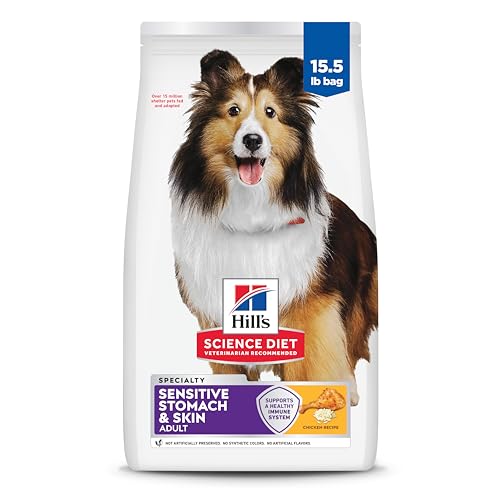
Dog Food for Allergies & Sensitive Stomachs
If your dog is constantly scratching, licking their paws, or experiencing digestive upset, the food in their bowl may be the culprit. This guide helps you identify trigger ingredients, choose the right diet, and find relief for your dog.
Food allergies and sensitive stomachs are among the most common reasons dog owners seek veterinary advice. Unlike seasonal environmental allergies, food-related reactions happen every time your dog eats — which makes identifying the cause both frustrating and urgent. The good news is that with the right dietary strategy, most dogs can find significant relief.
Whether your dog has been diagnosed with a food allergy, suffers from chronic gastrointestinal upset, or simply seems itchy after meals, this guide walks you through everything you need to know. You will learn how to read ingredient labels, understand the difference between food allergies and food intolerances, and select a diet that supports your dog's health without unnecessary trial and error.
Signs of Food Allergies & Sensitive Stomach
Recognizing the symptoms is the first step toward helping your dog. Food allergies and sensitive stomachs can produce overlapping signs, but they often affect different body systems. A food allergy is an immune response to a specific protein, while a sensitive stomach typically involves digestive irritation without an immune reaction.
Common Signs of Food Allergies
- Chronic itching: Especially around the face, ears, paws, and rear end. Dogs may scratch, lick, or chew at these areas constantly.
- Recurrent ear infections: Inflammation in the ear canals that keeps coming back despite treatment.
- Skin redness and inflammation: Hot spots, rashes, or generalized redness on the belly, groin, and underarms.
- Hair loss: Patchy thinning or bald spots, often from excessive licking and scratching.
- Gastrointestinal upset: Vomiting, diarrhea, or frequent bowel movements can accompany food allergies, though skin signs are more common.
- Paw licking: Excessive licking of the paws is one of the most consistent signs of food allergy in dogs.
Common Signs of a Sensitive Stomach
- Frequent diarrhea or loose stools: Especially after eating certain foods or when the diet changes.
- Vomiting: Occasional or recurring, sometimes shortly after meals.
- Gas and bloating: Excessive flatulence or abdominal discomfort.
- Decreased appetite: Reluctance to eat or picking at food.
- Weight loss: Poor absorption of nutrients can lead to gradual weight loss.
- Stomach gurgling: Audible digestive sounds and signs of abdominal discomfort.
Important Distinction: A food allergy involves the immune system and often causes skin problems. A food intolerance or sensitive stomach does not involve the immune system and primarily affects digestion. However, the two can occur together, and only a veterinarian can definitively diagnose the difference through an elimination diet trial.
Common Trigger Ingredients
Certain ingredients are far more likely to trigger reactions than others. Understanding which ingredients to avoid is essential when selecting a food for a dog with allergies or a sensitive stomach.
Most Common Protein Allergens
Protein sources are the most frequent cause of food allergies in dogs. The immune system mistakenly identifies a protein as a threat and mounts a response.
- Chicken: The single most common food allergen in dogs. Found in countless dog foods and treats.
- Beef: The second most common allergen. Often hidden in treats and chews.
- Dairy: Many dogs are lactose intolerant, and dairy proteins can trigger allergic reactions.
- Eggs: Egg whites contain proteins that can cause reactions in sensitive dogs.
- Lamb: Once considered hypoallergenic, lamb is now a common allergen due to overexposure.
- Wheat, corn, and soy: These grains and legumes are common fillers and frequent triggers for both allergies and digestive upset.
Ingredients That Irritate Sensitive Stomachs
Even dogs without true allergies can react poorly to certain ingredients that are difficult to digest or overly rich.
- High-fat content: Rich, fatty foods can trigger pancreatitis and diarrhea in sensitive dogs.
- Artificial preservatives and colors: BHA, BHT, and artificial dyes can cause digestive upset and allergic reactions in some dogs.
- Spicy or seasoned ingredients: Garlic, onion, and strong spices are toxic or irritating to dogs.
- Sudden diet changes: Abrupt switches between foods are a leading cause of digestive upset, even with high-quality products.
- Too many ingredients: Complex formulas with dozens of ingredients make it difficult to identify the culprit when problems arise.
Label-Reading Tip: Ingredients are listed by weight before cooking. Look for a named protein source as the first ingredient — "chicken" or "beef" rather than "meat meal" or "poultry by-product." For allergic dogs, avoid foods with multiple protein sources, as it becomes impossible to isolate the trigger.
Types of Elimination & Sensitivity Diets
When it comes to managing food allergies and sensitive stomachs, several dietary approaches are available. Each has advantages and limitations, and the right choice depends on your dog's specific diagnosis, severity of symptoms, and budget.
Limited Ingredient Diets (LID)
These foods contain a single protein source and a single carbohydrate source. By minimizing ingredients, you reduce the chance of triggering a reaction. Examples include salmon and sweet potato, venison and pea, or duck and potato. LID foods are widely available and often the first step for dogs with suspected allergies.
Mid-range to premiumNovel Protein Diets
Novel proteins are sources your dog has never eaten before, such as kangaroo, alligator, venison, or insect protein. Because the immune system has not been exposed, the chance of an allergic reaction is low. These diets are ideal for dogs with confirmed allergies to common proteins.
PremiumHydrolyzed Protein Diets
Hydrolyzed proteins are broken down into tiny fragments that the immune system cannot recognize as allergens. These prescription diets are the gold standard for diagnosing and managing severe food allergies. They require veterinary supervision and are typically more expensive than retail options.
Veterinary / high-endGrain-Free & Sensitive Stomach Formulas
Grain-free foods replace wheat, corn, and soy with alternative carbohydrates like potato, pea, or lentil. Sensitive stomach formulas often include probiotics, prebiotic fiber, and easily digestible proteins. Note that grain-free is not inherently hypoallergenic — many grain-free foods still contain chicken or beef.
Mid-rangeFresh & Home-Cooked Diets
Preparing your dog's food at home gives you complete control over ingredients. This approach is excellent for dogs with multiple allergies, but it must be formulated by a veterinary nutritionist to prevent nutritional deficiencies. Fresh commercial delivery services offer convenience at a premium.
Premium to luxuryVeterinary Prescription Diets
Prescription hypoallergenic diets are formulated for dogs with diagnosed food allergies and are available through veterinarians. They undergo rigorous testing and are backed by clinical research. While they represent the highest tier of investment, they offer the most reliable results for severe cases.
Veterinary / top-tierFor dogs with confirmed food allergies, a complete guide to allergy-friendly dog foods can help you compare specific formulas. If your dog has skin problems alongside digestive issues, you may also want to explore foods formulated for allergies and skin problems.
How to Choose the Right Food
Selecting the right food for a dog with allergies or a sensitive stomach requires more than reading the front of the bag. Follow these steps to make an informed decision.
- Get a veterinary diagnosis first. Before changing foods, have your veterinarian examine your dog. They can rule out other causes of itching or digestive upset, such as parasites, infections, or environmental allergies. If a food allergy is suspected, they may recommend an elimination diet trial.
- Identify the trigger through an elimination diet. An elimination diet involves feeding a novel or hydrolyzed protein diet exclusively for 8 to 12 weeks, then reintroducing the old food to see if symptoms return. This is the only reliable way to confirm a food allergy. During the trial, no treats, table scraps, or flavored medications are allowed.
- Choose a single-protein food. Once the trigger is identified, select a food with a protein source your dog has never eaten and that does not contain the allergen. Look for limited ingredient formulas with one animal protein and one carbohydrate.
- Check for AAFCO compliance. The food should state on the label that it is "complete and balanced" for your dog's life stage, as defined by AAFCO (Association of American Feed Control Officials). Avoid foods that only meet requirements for intermittent feeding.
- Avoid cross-contamination. Many commercial foods are produced in facilities that also process chicken, beef, or grains. If your dog has a severe allergy, look for brands that use dedicated production lines or certified allergen-free facilities.
- Consider digestive support. Foods containing probiotics, prebiotic fiber (such as pumpkin or beet pulp), and easily digestible proteins like salmon or whitefish can help soothe a sensitive stomach. Some formulas also include omega-3 fatty acids for skin health.
- Monitor and adjust. Keep a journal of what your dog eats and their symptoms. It can take several weeks to see improvement. If symptoms persist, consult your veterinarian about transitioning to a prescription diet.
What About Grain-Free?
Grain-free diets are often marketed for dogs with allergies, but grains are not the most common allergens — animal proteins are. Unless your dog has a confirmed grain allergy (which is rare), a grain-free food that still contains chicken or beef will not solve the problem. Focus on the protein source first, and choose grain-free only if your dog has a diagnosed sensitivity to wheat, corn, or soy.
How to Transition Foods Safely
Even the best food will cause problems if you switch too quickly. A gradual transition gives your dog's digestive system time to adapt and prevents unnecessary discomfort.
- Days 1-2: 75% old food, 25% new food.
- Days 3-4: 50% old food, 50% new food.
- Days 5-6: 25% old food, 75% new food.
- Day 7: 100% new food.
If your dog develops diarrhea or vomiting during the transition, slow down and stay at the previous ratio for a few extra days. For dogs with highly sensitive stomachs, extend the transition period to 10 or even 14 days. During the transition, avoid introducing any other new foods, treats, or supplements so you can accurately assess how your dog responds.
Treats Count Too: During an elimination diet or food transition, all treats, chews, and flavored medications must be compatible with the diet. Use the new food as treats, or choose single-ingredient treats that match the protein in your dog's food. Even a small piece of chicken can trigger a reaction in a severely allergic dog.
Diet Comparison at a Glance
Use this table to compare the main dietary approaches for dogs with allergies and sensitive stomachs. Remember that the best diet is the one that works for your individual dog, ideally confirmed through veterinary guidance.
| Diet Type | Best For | Protein Source | Veterinary Supervision | Relative Investment |
|---|---|---|---|---|
| Limited Ingredient (LID) | Mild allergies, sensitive stomachs | Single novel or familiar protein | Recommended | Mid-range to premium |
| Novel Protein | Confirmed protein allergies | Kangaroo, venison, duck, insect | Recommended | Premium |
| Hydrolyzed Protein | Severe allergies, elimination trials | Broken-down protein fragments | Required | High-end |
| Grain-Free Sensitive Stomach | Grain sensitivities, digestive support | Varies — check label carefully | Optional | Mid-range |
| Fresh / Home-Cooked | Multiple allergies, owner preference | Fully controlled by recipe | Required (nutritionist) | Premium to luxury |
| Veterinary Prescription | Diagnosed allergies, severe symptoms | Hydrolyzed or novel | Required | Top-tier |
Common Mistakes to Avoid
Even well-intentioned owners make mistakes when managing food allergies and sensitive stomachs. Avoiding these common pitfalls can save you time, money, and frustration — and help your dog feel better faster.
- Switching foods too quickly. An abrupt change causes digestive upset even in dogs without sensitivities. Always transition gradually over 7 to 10 days, longer for highly sensitive dogs.
- Giving in to table scraps. A single piece of cheese or chicken can trigger a reaction and undo weeks of progress. Everyone in the household must commit to the diet.
- Assuming grain-free means hypoallergenic. Most dog food allergies are caused by animal proteins, not grains. A grain-free food with chicken is not suitable for a chicken-allergic dog.
- Skipping the elimination diet. Guessing at the trigger often leads to unnecessary dietary restrictions. A proper elimination trial identifies the specific allergen so you can feed the widest variety of safe foods.
- Ignoring treats and supplements. Flavored medications, dental chews, and even some supplements can contain allergens. Check every item that goes into your dog's mouth.
- Not giving the new diet enough time. It can take 8 to 12 weeks to see full improvement on a new food. Switching too soon because "it's not working" prevents you from seeing results.
- Buying food based on marketing claims. Terms like "holistic," "natural," and "premium" are not regulated. Look for AAFCO compliance and a named protein source, not buzzwords.
Frequently Asked Questions
The Bottom Line
Managing food allergies and sensitive stomachs takes patience and consistency, but the payoff is enormous: a dog who is comfortable, energetic, and free from chronic itching or digestive distress. Start with a veterinary diagnosis, follow a structured elimination diet if needed, and choose a food that avoids your dog's specific triggers. Avoid the temptation to switch foods too quickly or to give in to treats that undermine the diet. With the right approach, most dogs with food sensitivities can live full, happy lives. If you are also dealing with skin problems, our guide to dry dog food for skin allergies offers breed-specific insights, and if you have a large breed puppy with a sensitive stomach, consider our recommendations for large breed puppy food for sensitive stomachs.