Dog Ear Yeast Infection Treatment Over the Counter
Discover safe and effective over-the-counter solutions to treat your dog's ear yeast infection at home — from medicated cleaners to natural remedies — and learn when professional veterinary care is essential.
If your dog has been shaking their head, scratching at their ears relentlessly, or you've noticed a musty, bread-like odor coming from their ears, a yeast infection is likely the culprit. Ear yeast infections are one of the most common health problems in dogs, especially in breeds with floppy ears or those prone to allergies. The good news is that many mild to moderate cases can be treated effectively with over-the-counter products before they require a veterinary prescription.
This guide walks you through everything you need to know about identifying a yeast infection, choosing the right over-the-counter treatment, applying it correctly, and preventing recurrence. Whether you are dealing with your dog's first ear infection or looking for a better long-term management strategy, the information here will help you make informed decisions and bring your dog relief quickly.
Understanding Ear Yeast Infections in Dogs
Yeast infections in dogs' ears are typically caused by an overgrowth of Malassezia pachydermatis, a fungus that naturally lives in small numbers on canine skin and in the ear canal. When the ear environment becomes warm, moist, and lacks proper airflow, this yeast multiplies rapidly and causes infection.
Why Yeast Infections Are So Common in Dogs
Several factors make dogs particularly susceptible to ear yeast infections:
- Ear anatomy: Dogs have L-shaped ear canals that trap moisture and debris, creating an ideal environment for yeast growth. Breeds with floppy ears (Cocker Spaniels, Basset Hounds, Golden Retrievers) are at highest risk.
- Allergies: Dogs with food allergies or environmental allergies are far more prone to recurring ear infections. Allergies cause inflammation that changes the ear environment.
- Swimming and bathing: Moisture left in the ear canal after swimming or bathing creates a breeding ground for yeast. Always dry ears thoroughly after water exposure.
- Antibiotic use: Antibiotics kill beneficial bacteria that normally keep yeast in check, allowing yeast to overgrow.
- Underlying health conditions: Hypothyroidism, autoimmune diseases, and other conditions that suppress the immune system increase susceptibility.
Key Signs of a Yeast Ear Infection:
• Head shaking and tilting
• Persistent scratching at ears
• Musty, sweet, or bread-like odor
• Brown, yellow, or dark discharge
• Redness and swelling inside the ear flap
• Crusty or scabby skin around the ear
• Pain when ears are touched
• Rubbing ears against furniture or floor
It's important to distinguish yeast infections from bacterial infections and ear mites, as treatments differ. Yeast infections typically produce a musty odor and brownish discharge, while bacterial infections often have a more foul, pus-like odor. Ear mites cause intense itching and dark, coffee-ground-like debris. If you're unsure which type of infection your dog has, a veterinarian can diagnose it with an ear swab examination. For more details on identifying ear problems, see our guide to dog ear infections.
Over-the-Counter Treatment Options
Several effective over-the-counter products are available for treating mild to moderate yeast ear infections in dogs. These products generally fall into three categories: ear cleaning solutions, medicated ear drops, and combination products.
Ear Cleaning Solutions
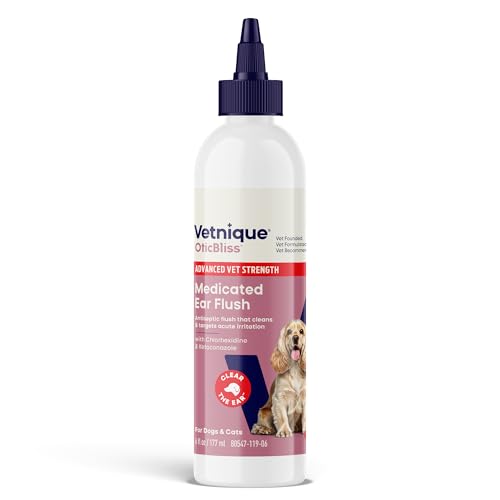
Cleaning solutions are the foundation of any ear infection treatment. They remove debris, discharge, and excess wax, allowing medicated drops to penetrate effectively. Look for solutions containing these active ingredients:
- Ketoconazole: An antifungal that directly targets yeast. Found in many vet-recommended cleaners.
- Chlorhexidine: An antiseptic that kills bacteria and yeast. Often combined with ketoconazole.
- Salicylic acid: Helps break down wax and debris, making cleaning more effective.
- Boric acid: Creates an environment unfavorable to yeast growth and helps dry excess moisture.
- Ceramides and plant extracts: Soothe irritated skin and support the ear's natural barrier.
Quality ear cleaners are available in entry-level, mid-range, and premium tiers. Mid-range options typically offer a good balance of effectiveness and gentle ingredients, while premium formulations may include additional soothing agents for sensitive ears. Always choose a product specifically labeled for dogs — never use human ear drops without veterinary approval.
Medicated Ear Drops
For active infections, medicated drops containing antifungal agents are more effective than cleaning alone. Over-the-counter options include:
- Clotrimazole ear drops: A broad-spectrum antifungal that targets yeast. Often combined with a mild steroid to reduce inflammation.
- Miconazole ear drops: Effective against yeast and some bacteria. Available in combination products with hydrocortisone.
- Terbinafine ear drops: A newer antifungal that may be more effective against stubborn yeast strains.
- Combination drops: Products containing both an antifungal and an antibiotic cover both yeast and bacterial infections, which often occur together.
Important: Never use ear drops containing steroids (like hydrocortisone) for more than 7 days without veterinary supervision. Prolonged steroid use can suppress the immune system and mask worsening infections. If your dog's condition doesn't improve within 3-5 days, stop home treatment and see a vet.
What to Look For in an OTC Product
When selecting an over-the-counter treatment, prioritize products that:
- Are specifically formulated for dogs (not cats or humans)
- Contain an antifungal ingredient (ketoconazole, clotrimazole, or miconazole)
- Have a gentle, non-irritating base — avoid alcohol-based products that sting
- Come with a applicator tip designed for ear canals
- Have clear instructions for frequency and duration of use
- Are from a reputable brand with positive reviews from other dog owners
You can find recommended ear cleaning products in our dog ear cleaner solution guide. For a complete overview of ear care products, see our dog ear cleaning resource.
Natural Home Remedies That Work
If you prefer a natural approach or want to supplement over-the-counter treatment, several home remedies can help manage mild yeast infections. These are best used for prevention or mild cases — moderate to severe infections require medicated products.
Apple Cider Vinegar Solution
Apple cider vinegar (ACV) has natural antifungal and antibacterial properties. Its acidity helps restore the ear's natural pH balance, making it inhospitable to yeast.
Recipe: Mix equal parts raw, unfiltered apple cider vinegar and distilled water. Use a syringe or dropper to apply a few drops into the ear canal, massage the base of the ear for 20-30 seconds, then allow your dog to shake their head. Wipe away debris with a cotton ball. Use once daily for mild cases.
Caution: Do not use ACV if your dog has open sores, scratches, or a ruptured eardrum. It can cause intense pain and further irritation. Discontinue if your dog shows signs of discomfort.
Coconut Oil
Coconut oil contains medium-chain triglycerides (MCTs) with natural antifungal properties. It also moisturizes and soothes irritated skin.
How to use: Warm a small amount of organic, unrefined coconut oil to liquid consistency. Apply a few drops into the ear canal and massage gently. Wipe away excess with a cotton ball. Use once daily. Coconut oil is gentle enough for regular use and safe if ingested in small amounts.
Colloidal Silver
Colloidal silver has antimicrobial properties and can help reduce yeast overgrowth. Use a high-quality product specifically labeled for topical use. Apply a few drops into the ear canal once or twice daily. Not all veterinarians recommend colloidal silver, so use it as a supplement to, not a replacement for, proven treatments.
Omega-3 Fatty Acids
While not a direct treatment, omega-3 supplements support skin health and reduce inflammation throughout the body. Dogs with healthy skin and immune systems are less prone to recurring yeast infections. Look for fish oil or krill oil supplements formulated for dogs. For product recommendations, see our dog vitamins guide.
Remedies to Avoid:
• Hydrogen peroxide: Too harsh for ear canals and can damage sensitive tissue.
• Rubbing alcohol: Causes burning and irritation.
• Tea tree oil: Toxic to dogs if ingested and can cause skin irritation even when diluted.
• Garlic or onion juice: Toxic to dogs.
• Human yeast infection creams: Formulated for human pH and can cause adverse reactions.
• Olive oil alone: Can trap moisture and worsen yeast growth.
Step-by-Step Treatment Protocol
Follow this protocol for treating a mild to moderate yeast ear infection at home. If your dog shows signs of severe pain, head tilting, or loss of balance, skip home treatment and see a veterinarian immediately.
- Gather your supplies: Vet-approved ear cleaning solution, medicated ear drops (if using), cotton balls, a towel, and treats for positive reinforcement. Never use cotton swabs (Q-tips) inside the ear canal — they can push debris deeper and damage the eardrum.
- Prepare your dog: Choose a calm time when your dog is relaxed. Have a helper hold your dog gently if needed. Offer treats throughout the process to create positive associations. If your dog is in significant pain or extremely resistant, do not force it — seek veterinary help.
- Clean the ear: Fill the ear canal with cleaning solution — don't be shy, you need enough to flush debris out. Massage the base of the ear (where the ear meets the head) for 20-30 seconds. You should hear a squishing sound. This loosens debris and distributes the solution throughout the canal.
- Let your dog shake: Step back and allow your dog to shake their head vigorously. This expels loosened debris and excess solution. Have a towel ready to catch the mess.
- Wipe away debris: Use a cotton ball to gently wipe the visible part of the ear canal and the ear flap. Never insert anything into the canal. Repeat cleaning if the ear is very dirty — you may need to clean 2-3 times initially.
- Apply medicated drops: If using medicated ear drops, apply the prescribed number of drops into the ear canal after cleaning. Massage the base of the ear again to distribute the medication. Hold your dog's head still for a few seconds to prevent them from shaking the medication out immediately.
- Reward your dog: Give plenty of praise and treats. Ear cleaning should be as positive an experience as possible so your dog doesn't develop a fear of handling.
- Repeat as directed: For active infections, clean and medicate once or twice daily. Continue for 3-5 days after symptoms resolve to prevent recurrence. If symptoms persist beyond 5-7 days, consult your veterinarian.
Pro Tip: Warm the ear cleaning solution by holding the bottle in your hands for a few minutes before use. Room-temperature or slightly warm solution is more comfortable for your dog than cold liquid. Never microwave the solution — it can become too hot and burn the ear canal.
Prevention Strategies
Once you've successfully treated a yeast infection, prevention becomes the priority. Dogs who have had one yeast infection are likely to have another without proper preventive care.
Regular Ear Cleaning
Clean your dog's ears weekly with a vet-approved cleaning solution, especially if they are prone to infections. Dogs with floppy ears, allergies, or a history of ear infections may need cleaning every 3-4 days. Regular cleaning removes debris and excess moisture before yeast can overgrow.
Keep Ears Dry
Moisture is yeast's best friend. After swimming, bathing, or playing in the rain, thoroughly dry your dog's ears:
- Use a clean towel or cotton ball to gently wipe the visible part of the ear canal
- Allow your dog to shake their head to expel deeper moisture
- Consider using a drying ear solution after water exposure — these contain ingredients like isopropyl alcohol or boric acid that help evaporate moisture
- Never leave your dog's ears wet for extended periods
Manage Allergies
Allergies are the number one underlying cause of recurring ear yeast infections. If your dog has food or environmental allergies, addressing them is essential for long-term ear health:
- Food allergies: Consider a limited ingredient diet or hypoallergenic food. See our guide to dog food for dogs with allergies and ear infections for diet recommendations.
- Environmental allergies: Regular bathing with a gentle, hypoallergenic shampoo removes allergens from the coat. Air purifiers and frequent vacuuming reduce indoor allergens.
- Seasonal allergies: Work with your vet to develop a management plan during peak allergy seasons.
Support Immune Health
A strong immune system helps prevent yeast overgrowth. Ensure your dog gets:
- Balanced nutrition appropriate for their life stage
- Regular exercise to maintain overall health
- Omega-3 fatty acid supplements for skin and immune support
- Probiotics to support gut health, which is linked to immune function
- Adequate sleep and minimal stress
Check Ears Regularly
Make ear checks part of your weekly routine. Look for redness, discharge, odor, or signs of discomfort. Early detection allows you to treat mild issues before they become severe infections.
When to See a Veterinarian
While many yeast infections can be managed with over-the-counter treatments, some situations require professional veterinary care. Knowing when to escalate is crucial for your dog's health and comfort.
Seek Immediate Veterinary Care If You Notice:
- Head tilting or loss of balance: This may indicate the infection has spread to the middle or inner ear, which requires prescription medication.
- Severe pain: If your dog yelps when you touch their ears or refuses to let you near them, the infection is likely severe.
- Swelling or redness around the ear: This could indicate an aural hematoma (blood-filled swelling) or severe inflammation.
- Bleeding or purulent discharge: Blood or thick, pus-like discharge suggests a severe infection or ruptured eardrum.
- Loss of appetite or lethargy: These are signs of systemic illness that require immediate attention.
- No improvement after 5-7 days of home treatment: If OTC products aren't working, the infection may be bacterial, fungal-resistant, or caused by an underlying condition.
- Frequent recurrence: If your dog gets ear infections more than 2-3 times per year, there is likely an underlying cause that needs veterinary diagnosis.
What to Expect at the Vet:
Your veterinarian will examine the ear canal with an otoscope, take a sample of discharge for microscopic examination, and possibly perform a culture to identify the specific organism. Treatment may include prescription ear drops, oral medications, or injectable steroids. In severe cases, sedation or anesthesia may be needed to thoroughly clean the ear canal. For more information on ear infection treatments, see our dog ear infection treatment over the counter guide.
Addressing Underlying Causes
Treating the infection without addressing the root cause almost guarantees it will return. Yeast infections are a symptom, not the primary problem. Identifying and managing the underlying issue is essential for long-term resolution.
Allergies: The Most Common Culprit
Allergies cause inflammation in the ear canal, which changes the environment and allows yeast to overgrow. Dogs with allergies often have ear infections along with itchy skin, paw licking, and gastrointestinal issues.
If you suspect allergies, work with your veterinarian to identify triggers. Food elimination trials and environmental allergy testing can pinpoint the cause. Once identified, avoidance or management strategies can dramatically reduce ear infection frequency. Our dog food allergies guide provides detailed information on identifying and managing food allergies.
Hypothyroidism
Hypothyroidism is a common endocrine disorder in dogs that weakens the immune system and makes them prone to recurring infections, including ear yeast infections. Other signs include weight gain, lethargy, and poor coat condition. A simple blood test can diagnose hypothyroidism, and daily medication can manage it effectively.
Anatomical Issues
Some dogs have ear canals that are narrower than normal, have excessive folds, or produce too much wax. These anatomical factors trap moisture and debris, creating a chronic environment for yeast growth. In severe cases, surgery to improve drainage may be recommended.
Immune System Disorders
Autoimmune diseases and other immune-suppressing conditions can make dogs susceptible to recurring yeast infections. If your dog has frequent infections along with other symptoms, a thorough veterinary workup is warranted.
For dogs with chronic ear issues related to allergies, choosing the right diet is critical. See our recommendations for dog food for dogs with allergies and skin problems and dog food for sensitive skin and stomach.
Frequently Asked Questions
Bottom Line
Over-the-counter treatments can be highly effective for mild to moderate dog ear yeast infections when used correctly and consistently. The key is to clean the ear thoroughly before applying medication, use products specifically formulated for dogs, and address underlying causes like allergies. However, if your dog is in severe pain, showing signs of middle or inner ear involvement, or not improving within a week, professional veterinary care is essential. With the right approach, you can bring your dog relief and prevent future infections. For more information on keeping your dog's ears healthy, explore our dog ear cleaning and dog ear infections guides.