Dog Colitis: Symptoms, Causes & Treatment
Everything you need to know about colitis in dogs — from recognizing the warning signs to effective treatment options and long-term management strategies for a healthier, happier dog.
If your dog has been having frequent, painful bowel movements with blood or mucus, you may be dealing with colitis. This condition is one of the most common gastrointestinal problems in dogs, and while it can be distressing for both you and your pet, the good news is that most cases are treatable and manageable with the right approach.
Colitis in dogs refers to inflammation of the colon, the large intestine responsible for absorbing water and forming stool. When this organ becomes inflamed, your dog's digestive system cannot function normally, leading to diarrhea, discomfort, and urgency. Understanding what triggers this inflammation and how to address it is the key to getting your dog back to feeling their best.
This comprehensive guide walks you through every aspect of canine colitis — from early symptom recognition to advanced treatment protocols. Whether your dog has just started showing symptoms or you are managing a chronic condition, the information here will help you make informed decisions and work effectively with your veterinarian. For general digestive health concerns, our dog health guide provides additional context on keeping your dog's gut in optimal condition.
What Is Colitis in Dogs?
Colitis is the medical term for inflammation of the colon. In dogs, this inflammation disrupts the colon's ability to absorb water and electrolytes from waste material, resulting in loose, watery stools often accompanied by blood and mucus. The condition can be acute (sudden onset, short duration) or chronic (persisting for weeks or longer, often recurring).
Unlike small intestine problems, which typically cause large volumes of watery diarrhea and weight loss, colitis primarily affects the large intestine. This means dogs with colitis often pass small amounts of stool frequently, strain to defecate, and may have accidents in the house despite being previously well housetrained. The urgency and discomfort associated with colitis can be distressing for both the dog and the owner.
Key Fact: Colitis is one of the most common reasons dogs visit the veterinarian for digestive issues. While it can affect any breed at any age, certain breeds — including Boxers, German Shepherds, French Bulldogs, and Poodles — appear to have a higher predisposition to chronic forms of the condition.
Colitis is not a single disease but rather a symptom complex with many potential underlying causes. Identifying the root cause is essential for effective treatment. Some cases resolve quickly with dietary changes, while others require long-term management with medication and specialized nutrition. If your dog's colitis is related to food sensitivities, our guide on dog food allergies and sensitive stomachs offers valuable insights into managing dietary triggers.
Recognizing Colitis Symptoms
The symptoms of colitis in dogs are distinct from other types of digestive upset. Because colitis affects the large intestine, the signs are related to the frequency and character of bowel movements rather than the volume of diarrhea. Recognizing these symptoms early allows for faster treatment and reduces the risk of complications like dehydration.
Frequent, Small Stools
Dogs with colitis often need to defecate many times per day, but each bowel movement produces only a small amount of stool. This is due to the colon's inability to hold and form waste properly.
Blood in Stool
Fresh red blood (hematochezia) coating the surface of the stool or dripping after a bowel movement is a hallmark sign of colitis. The blood comes from inflamed blood vessels in the colon.
Mucus in Stool
A clear or jelly-like substance in or around the stool indicates the colon is producing excess mucus in response to inflammation. This is one of the most reliable indicators of large intestine problems.
Straining to Defecate
Dogs may squat for extended periods, straining with little or no stool produced. This tenesmus can look like constipation but is actually caused by inflammation and urgency.
Urgency & Accidents
Dogs who were previously housetrained may have accidents indoors because the inflammation creates a sudden, urgent need to go that they cannot control.
Abdominal Discomfort
Some dogs show signs of abdominal pain — whining, reluctance to be touched on the belly, or a hunched posture. Others may experience gurgling sounds from the digestive tract.
Vomiting (Occasionally)
While less common, some dogs with colitis may vomit, particularly if the inflammation extends to the upper digestive tract or if the underlying cause affects the entire GI system.
Weight Loss & Lethargy
In chronic cases, dogs may lose weight despite normal eating, and they may seem tired or less interested in activities due to ongoing discomfort and poor nutrient absorption.
Important Distinction: Colitis symptoms are different from small intestine diarrhea. With colitis, the stool volume is small but frequent, and there is often urgency, straining, blood, and mucus. With small intestine problems, stool volume is large, watery, and may be accompanied by weight loss and vomiting. This distinction helps your vet determine the right diagnostic approach.
If you notice your dog has bloody diarrhea, our guide on what to do when your dog has bloody diarrhea provides immediate steps to take. Colitis symptoms can wax and wane, with episodes triggered by stress, dietary indiscretion, or other factors. Keeping a detailed log of your dog's bowel movements, including frequency, consistency, and the presence of blood or mucus, will help your veterinarian make an accurate diagnosis.
Common Causes of Colitis
Colitis is not a single disease but a condition with multiple potential causes. Identifying the underlying trigger is essential for effective treatment. In many cases, the cause is never definitively identified (idiopathic colitis), but veterinarians can still successfully manage the condition with symptomatic treatment.
Infectious Causes
- Bacterial infections: Pathogens like Salmonella, Campylobacter, Clostridium perfringens, and E. coli can cause colitis. These often result from contaminated food or water or exposure to infected animals.
- Parasites: Giardia, coccidia, whipworms, hookworms, and Entamoeba are common parasitic causes of colitis. Puppies and dogs in crowded environments are especially vulnerable.
- Fungal infections: Less common but serious, fungal infections like Histoplasmosis can affect the colon, particularly in certain geographic regions.
- Viral infections: Parvovirus and other viral diseases can cause severe gastrointestinal inflammation, including colitis.
Dietary Causes
- Food allergies and intolerances: Adverse reactions to ingredients like beef, dairy, wheat, chicken, or soy can trigger chronic colitis. An elimination diet is often necessary for diagnosis.
- Dietary indiscretion: Eating garbage, table scraps, or inappropriate items can cause acute colitis. This is one of the most common causes of sudden-onset symptoms.
- Abrupt diet changes: Switching foods without a gradual transition can disrupt the gut microbiome and trigger inflammation.
- Fiber deficiency or excess: Both too little and too much fiber can contribute to colon problems. The right balance depends on the individual dog.
Inflammatory and Immune-Mediated Causes
- Inflammatory Bowel Disease (IBD): A chronic condition where the immune system attacks the intestinal lining, causing persistent inflammation. Colitis is a common component of IBD.
- Idiopathic colitis: When no specific cause can be identified, the condition is called idiopathic or lymphocytic-plasmacytic colitis. This is one of the most common diagnoses in chronic cases.
- Autoimmune conditions: Rarely, the immune system may target the colon directly, causing severe inflammation.
Stress-Induced Causes
Stress is a well-documented trigger for colitis in dogs. Events like boarding, moving to a new home, adding a new family member (human or animal), or even changes in routine can precipitate an episode. The gut-brain axis — the bidirectional communication between the digestive system and the brain — means that psychological stress directly affects colon function. If your dog is prone to stress-related digestive issues, our guide on calming products for dogs may help you manage these triggers.
Other Medical Causes
- Antibiotic-associated colitis: Antibiotics disrupt the normal gut flora, allowing harmful bacteria like Clostridium difficile to overgrow. This is a common cause of colitis in dogs recently treated with antibiotics.
- Foreign bodies: Ingested objects can irritate or obstruct the colon, causing inflammation.
- Intussusception: A condition where part of the intestine telescopes into itself, causing obstruction and inflammation.
- Cancer: Tumors in the colon, while less common, can cause colitis symptoms. This is more likely in older dogs.
- Systemic diseases: Conditions like kidney disease, liver disease, and pancreatitis can indirectly affect colon health.
Types of Colitis in Dogs
Veterinarians classify colitis in several ways, which helps determine the most appropriate treatment approach. Understanding the type of colitis your dog has is important for effective management.
| Type | Characteristics | Common Causes | Typical Duration |
|---|---|---|---|
| Acute Colitis | Sudden onset, often severe symptoms | Dietary indiscretion, stress, infection | 3-7 days with treatment |
| Chronic Colitis | Persistent or recurring symptoms | Food allergies, IBD, parasites | Weeks to months, may be lifelong |
| Lymphocytic-Plasmacytic | Immune-mediated, most common chronic form | Abnormal immune response | Requires long-term management |
| Eosinophilic Colitis | Rare, associated with allergies | Food allergies, parasites | Varies with allergen control |
| Histiocytic Ulcerative Colitis | Severe, breed-specific (Boxers, French Bulldogs) | Genetic and immune factors | Requires aggressive treatment |
| Granulomatous Colitis | Rare, severe form | Fungal infections, immune disorders | Long-term management |
Acute colitis is by far the most common presentation. It often resolves quickly with supportive care and dietary management. Chronic colitis, on the other hand, requires a more systematic diagnostic approach to identify and address the underlying cause. If your dog has been experiencing chronic digestive issues, our article on dogs drinking a lot of water and throwing up explores other conditions that may present similarly.
How Veterinarians Diagnose Colitis
Diagnosing colitis involves a combination of history taking, physical examination, and diagnostic testing. Because many conditions can cause similar symptoms, your veterinarian will work systematically to rule out other possibilities and identify the specific cause.
Step 1: Medical History & Physical Exam
Your vet will ask detailed questions about your dog's symptoms, diet, environment, and recent changes. They will perform a thorough physical examination, including abdominal palpation to check for pain, masses, or thickened intestinal loops. A rectal exam may be performed to assess the colon directly.
Step 2: Fecal Testing
Fecal analysis is essential for identifying parasitic causes of colitis. Tests may include:
- Fecal flotation to detect worm eggs and coccidia
- Fecal smear to look for Giardia and bacterial imbalances
- Fecal PCR testing for specific pathogens like Clostridium, Salmonella, and Campylobacter
- Fecal culture if bacterial infection is suspected
Step 3: Blood Work
Complete blood count (CBC) and biochemistry panels help assess overall health, detect inflammation, and rule out systemic diseases. Specific tests like cPLI (pancreatic lipase) may be recommended if pancreatitis is a concern. If your dog is showing signs of other health conditions, our dog health resource covers a wide range of diagnostic and treatment topics.
Step 4: Imaging
Abdominal X-rays and ultrasound can help visualize the colon, detect foreign bodies, masses, or structural abnormalities. Ultrasound is particularly useful for assessing intestinal wall thickness and layering, which can indicate inflammation or cancer.
Step 5: Colonoscopy and Biopsy
Colonoscopy with biopsy is the gold standard for diagnosing chronic colitis. During this procedure, a flexible scope is inserted into the colon to visualize the lining directly, and small tissue samples are collected for laboratory analysis. Biopsy results can distinguish between inflammatory, immune-mediated, and cancerous conditions, guiding precise treatment.
Diagnostic Note: In many acute cases, extensive testing is not necessary. If symptoms are mild and the dog is otherwise healthy, a veterinarian may recommend a conservative approach with dietary changes and monitoring before pursuing advanced diagnostics.
Treatment Options That Work
Treatment for colitis depends on the underlying cause, the severity of symptoms, and whether the condition is acute or chronic. Most treatment plans combine dietary management, medication, and supportive care.
Medications
Several classes of medication are commonly used to treat colitis in dogs:
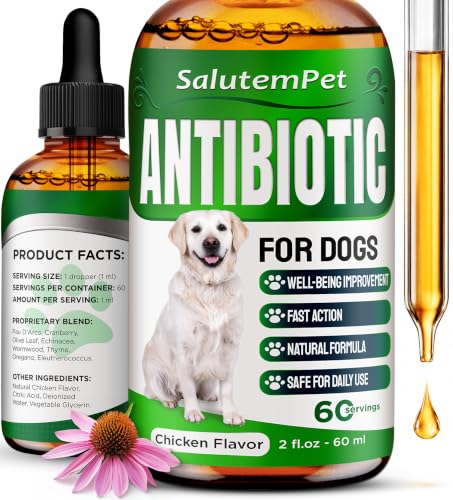
- Antibiotics: Metronidazole (Flagyl) is commonly prescribed for its antibacterial and anti-inflammatory effects on the colon. Tylosin is another option for chronic cases. Antibiotics are most effective when a bacterial cause is identified or suspected.
- Anti-inflammatory drugs: Sulfasalazine and mesalamine are colon-specific anti-inflammatories that reduce inflammation without the systemic side effects of steroids. These are often used for chronic colitis.
- Corticosteroids: Prednisone or budesonide may be prescribed for severe immune-mediated colitis. These drugs suppress the immune response but require careful monitoring for side effects.
- Immunosuppressants: Drugs like cyclosporine or azathioprine may be used for refractory cases that do not respond to steroids alone.
- Antiparasitics: Fenbendazole, metronidazole, or other dewormers are used if parasites are identified. Our guide on dog dewormers provides more information on parasite control.
- Probiotics: Supplementing with beneficial bacteria can help restore gut flora balance, especially after antibiotic treatment or in chronic cases.
- Fiber supplements: Psyllium husk or canned pumpkin may help regulate colon function. Soluble fiber can absorb excess water and firm up stool.
Supportive Care
- Fluid therapy: Dehydration is a serious risk with colitis. Subcutaneous or intravenous fluids may be necessary for dogs who are significantly dehydrated.
- Bland diet: A temporary diet of boiled chicken and rice or a prescription gastrointestinal diet gives the colon a chance to rest and heal.
- Anti-nausea medications: If vomiting is present, medications like maropitant (Cerenia) or ondansetron can help control nausea.
- Pain management: If your dog is showing signs of abdominal pain, appropriate pain relief will be provided by your veterinarian.
Treatment of Underlying Causes
When the cause of colitis is identified, targeted treatment is most effective:
- Food allergies: An elimination diet with a novel protein or hydrolyzed protein is essential. Our article on dog food for allergies covers dietary management in detail.
- Parasites: Specific deworming protocols based on the identified parasite.
- Bacterial infections: Appropriate antibiotics based on culture and sensitivity testing when possible.
- Stress: Identifying and reducing stressors, plus behavioral modification if needed. Calming supplements or pheromone products can help.
- IBD: A combination of dietary management, anti-inflammatory medication, and immunosuppression as needed.
Important: Never give your dog human anti-diarrheal medications like loperamide (Imodium) without veterinary approval. Some human medications are toxic to dogs, and suppressing diarrhea can worsen certain infections by trapping bacteria in the colon.
Diet & Nutrition Management
Dietary management is the cornerstone of treating and preventing colitis in dogs. The right nutrition can reduce inflammation, firm up stool, and support the healing of the colon lining. Many dogs with chronic colitis can be managed successfully with diet alone.
Choosing the Right Food
Several dietary strategies can help manage colitis:
- Highly digestible diets: Look for foods with high-quality, easily digestible proteins and carbohydrates. These reduce the workload on the digestive system and minimize undigested material reaching the colon.
- Limited ingredient diets: If food allergies are suspected, a diet with a single novel protein and a single carbohydrate source can help identify triggers. Our guide on limited ingredient dog food explains how these diets work.
- Low-fat diets: High-fat foods can worsen colitis by stimulating colon contractions. Reduced-fat formulas are often beneficial.
- Fiber-modified diets: Depending on your dog's specific needs, your vet may recommend a high-fiber or low-fiber diet. Soluble fiber (like psyllium) can help firm stool, while insoluble fiber may be beneficial for some chronic conditions.
- Prescription gastrointestinal diets: Brands like Hill's Prescription Diet i/d, Royal Canin Gastrointestinal, and Purina Pro Plan Veterinary Diets EN are formulated specifically for digestive health and are often the first choice for colitis management.
- Novel protein or hydrolyzed diets: For suspected food allergies, a diet with proteins your dog has never eaten (venison, duck, kangaroo) or hydrolyzed proteins that are too small to trigger an immune response may be recommended.
Temporary Bland Diet
During acute episodes, a temporary bland diet gives the colon a chance to rest. A typical bland diet consists of:
- Boiled, skinless chicken breast or lean ground turkey
- White rice or boiled potatoes
- Plain canned pumpkin (not pie filling)
Feed small, frequent meals — about 4-6 small portions daily rather than 2 large meals. Transition back to regular food gradually over 7-10 days once symptoms improve. If your dog has a sensitive stomach, our article on dog food for sensitive stomach offers additional guidance.
What to Avoid
- Table scraps, fatty foods, and greasy treats
- Dairy products, which many dogs cannot digest properly
- High-fiber treats or rawhides that can irritate the colon
- Sudden diet changes — always transition over 7-10 days
- Spicy or heavily seasoned foods
- Any food your dog has reacted to previously
Feeding Management Tips
- Small, frequent meals: Feeding 3-4 smaller meals rather than 2 large ones reduces the volume of food in the colon at any one time.
- Consistent schedule: Feed at the same times every day to establish a predictable routine and regular bowel habits.
- Fresh water always available: Proper hydration is essential for colon health. If your dog is not drinking enough, consider adding water or low-sodium broth to their food.
- Slow feeding: Using a slow-feeding bowl can prevent gulping and reduce digestive upset.
- Food storage: Store food properly to prevent spoilage and contamination. Our guide on dog food containers covers proper storage solutions.
Home Care & Prevention
In addition to veterinary treatment, home care plays a crucial role in managing colitis and preventing future episodes. With the right approach, many dogs can enjoy a good quality of life with minimal symptoms.
Stress Reduction
Since stress is a common trigger for colitis, minimizing stressors in your dog's environment is essential:
- Maintain a consistent daily routine for feeding, walking, and rest
- Provide a quiet, safe space where your dog can retreat when overwhelmed
- Avoid sudden changes in environment or schedule when possible
- Use calming products like pheromone diffusers or anxiety wraps during stressful events
- Consider behavioral consultation for dogs with significant anxiety
Regular Exercise
Moderate, regular exercise supports healthy digestion and reduces stress. However, during acute colitis episodes, your dog may need rest. Gentle walks are usually fine, but intense activity should be avoided until symptoms resolve. Our dog health resources cover exercise recommendations for various health conditions.
Hygiene and Cleanup
Colitis can lead to accidents in the house, especially during acute episodes. Proper cleaning is essential to prevent the spread of infectious agents and eliminate odors:
- Clean accidents immediately with an enzymatic cleaner designed for pet stains
- Wash bedding and toys regularly in hot water
- Disinfect food and water bowls daily
- Wash your hands thoroughly after handling your dog or cleaning up accidents
- If your dog has a parasite, follow your vet's instructions for environmental decontamination
Monitoring and Record Keeping
Keep a detailed log of your dog's symptoms, including:
- Frequency and consistency of bowel movements
- Presence of blood, mucus, or unusual color
- Any changes in appetite, energy, or behavior
- Diet and treats given, including any new foods
- Stressful events or changes in routine
- Medications administered and their effects
This information is invaluable for your veterinarian and helps identify patterns or triggers you might otherwise miss.
Preventive Measures
- Regular veterinary checkups: Annual wellness exams help catch problems early. Senior dogs should be seen twice yearly.
- Parasite prevention: Year-round flea, tick, and heartworm prevention, plus regular deworming based on your vet's recommendations.
- Probiotics: Some dogs benefit from daily probiotic supplementation to maintain gut health. Consult your vet for product recommendations.
- Avoid dietary indiscretion: Keep garbage secured, don't leave people food accessible, and supervise your dog during walks to prevent scavenging.
- Gradual diet transitions: Always transition to new food over 7-10 days, mixing increasing amounts of the new food with the old.
- Prompt treatment: Address digestive issues quickly before they become chronic. Early intervention often prevents more serious problems.
When to See a Veterinarian
While mild colitis can sometimes be managed at home with dietary changes, certain signs warrant immediate veterinary attention. Knowing when to seek professional help can prevent serious complications and ensure your dog receives appropriate treatment.
Seek Veterinary Care Immediately If You Notice:
• Bloody diarrhea that is severe or persistent
• Vomiting that prevents your dog from keeping food or water down
• Lethargy, weakness, or collapse
• Loss of appetite for more than 24 hours
• Signs of severe pain (whining, pacing, inability to settle)
• Fever (temperature above 103°F)
• Dehydration (dry gums, loss of skin elasticity, sunken eyes)
• Symptoms lasting more than 48 hours without improvement
• Black, tarry stools (which may indicate bleeding higher in the digestive tract)
Puppies, senior dogs, and dogs with pre-existing health conditions are at higher risk for complications from colitis. They should be seen by a veterinarian promptly, as they can dehydrate and become seriously ill quickly. Similarly, dogs who are not up to date on vaccinations or who have underlying health problems need immediate attention.
If your dog has chronic colitis, regular check-ins with your veterinarian are essential to monitor the condition, adjust treatment as needed, and ensure your dog maintains a good quality of life. For dogs with other health issues, our resources on dog health provide comprehensive guidance on managing multiple conditions.
Frequently Asked Questions
The Bottom Line
Colitis in dogs is a manageable condition when approached systematically. By recognizing the symptoms early, working with your veterinarian to identify the underlying cause, and implementing appropriate dietary and lifestyle changes, you can help your dog live comfortably and healthily. Most dogs with colitis respond well to treatment and go on to enjoy a normal, active life. The key is not to ignore the signs and to act promptly when you notice something is wrong. Your dog depends on you to be their advocate — and with the information in this guide, you are well-equipped to do exactly that.