Dog Hip Dysplasia: Complete Guide to Causes, Symptoms & Treatment
Everything you need to know about hip dysplasia in dogs — from early warning signs and diagnosis to treatment options, surgery, home management, and helping your dog live a comfortable, active life.
Hip dysplasia is one of the most common and most misunderstood orthopedic conditions in dogs. If your dog has been diagnosed — or if you're researching the condition because you're considering a breed prone to it — you likely have many questions. Will my dog be in pain? Can it be treated? Will they need surgery? What can I do to help?
This guide answers all of those questions and more. Whether you are a dog owner looking for practical management strategies, or someone researching a breed before bringing a puppy home, understanding hip dysplasia is essential for making informed decisions about your dog's health and quality of life.
What Is Dog Hip Dysplasia?
Hip dysplasia is a genetic, developmental condition in which the hip joint fails to develop normally. The hip is a ball-and-socket joint: the head of the femur (the ball) sits inside the acetabulum (the socket) of the pelvis. In a healthy dog, these components fit snugly together, allowing smooth, pain-free movement.
In a dog with hip dysplasia, the ball and socket do not fit properly. The joint is loose (subluxated), which causes abnormal friction, wear, and tear. Over time, this leads to degeneration of the joint, development of osteoarthritis, formation of bone spurs, and chronic pain. The condition can range from mild (barely noticeable) to severe (debilitating).
Hip dysplasia is progressive, meaning it worsens over time. It typically affects both hips, though one side may be more severely affected than the other. The condition can be present at birth or develop during the rapid growth phase of puppyhood, usually becoming evident between 4 and 12 months of age.
Key Facts About Hip Dysplasia:
• It is a genetic condition, but environmental factors like diet and exercise play a significant role in its severity.
• It affects large and giant breeds most commonly, but any breed — including small dogs — can be affected.
• It is not curable, but it is highly manageable with proper care, and many dogs with hip dysplasia live full, happy lives.
• Early detection and intervention significantly improve long-term outcomes.
Causes & Risk Factors
Hip dysplasia is primarily a genetic condition, but genetics alone do not determine whether a dog will develop it or how severe it becomes. Multiple factors interact to influence the development and progression of the disease.
Genetic Factors
Hip dysplasia is polygenic, meaning multiple genes contribute to its development. This makes it difficult to eliminate entirely through breeding, even when both parents have excellent hip scores. However, responsible breeding practices significantly reduce the risk. Dogs with poor hip conformation should not be bred, and breeders should use screening tools like genetic testing and OFA/PennHIP evaluations.
Environmental & Developmental Factors
- Rapid growth: Puppies who grow too quickly, especially large breeds, are at higher risk. Overfeeding and free-feeding during puppyhood contribute to rapid growth and increased stress on developing joints.
- Obesity: Excess weight during puppyhood and throughout life dramatically increases stress on the hip joints. Studies show that lean-fed puppies have significantly lower rates of hip dysplasia.
- Exercise patterns: High-impact exercise (jumping, running on hard surfaces) during puppyhood can worsen the condition. Conversely, appropriate, low-impact exercise strengthens supporting muscles.
- Nutrition: Imbalances in calcium, phosphorus, and vitamin D during growth can contribute to poor joint development. Feeding a high-quality, balanced diet designed for the puppy's breed size is essential.
- Hormonal factors: Some studies suggest that early spaying/neutering may increase the risk of hip dysplasia because sex hormones play a role in bone growth plate closure. Discuss timing with your vet.
Breeds Most Commonly Affected
While any dog can develop hip dysplasia, these breeds have the highest incidence:
- German Shepherds — one of the most commonly affected breeds
- Labrador Retrievers — extremely high incidence
- Golden Retrievers — very common
- Rottweilers — high risk
- Bernese Mountain Dogs — high risk
- Great Danes — high risk
- Saint Bernards — high risk
- Newfoundlands — high risk
- Bulldogs (English and French) — increasingly recognized
- Pugs — can be affected despite small size
Important Note for Breeders and Buyers: If you are purchasing a puppy from a breeder, ask for proof that both parents have been screened for hip dysplasia. The Orthopedic Foundation for Animals (OFA) and PennHIP are the two most common screening methods. Reputable breeders will gladly provide this documentation. See our guide on finding a reputable dog breeder for more information.
Symptoms & Early Warning Signs
Recognizing the signs of hip dysplasia early is crucial for effective management. Symptoms can vary widely depending on the severity of the condition, the dog's age, and their activity level. Some dogs show obvious signs of pain and lameness, while others compensate so well that symptoms are subtle until significant joint damage has occurred.
Early Warning Signs (Puppies & Young Dogs)
- Reluctance to exercise: Your puppy may tire quickly during play or seem uninterested in activities they previously enjoyed.
- Bunny-hopping gait: When running, the back legs move together like a rabbit rather than in a normal alternating pattern.
- Difficulty rising: Struggling to stand up from a lying or sitting position, especially after rest.
- Stiffness after rest: Your dog may be stiff for the first few minutes after getting up, then loosen up with movement.
- Decreased activity: A normally playful puppy becomes less active or prefers lying down to playing.
- Reluctance to jump or climb stairs: Hesitation or refusal to jump onto furniture or go up/down stairs.
- Narrow stance: Standing with the hind legs closer together than normal.
Advanced Symptoms (Adult Dogs)
- Obvious lameness: Limping or favoring one or both hind legs, especially after exercise.
- Muscle atrophy: Loss of muscle mass in the hindquarters, making the back end look thin and weak.
- Enlarged shoulder muscles: Dogs with hip dysplasia often shift their weight to their front legs, building up shoulder muscles.
- Audible clicking or popping: Some owners hear a clicking sound when the dog walks, caused by the loose joint.
- Pain when touched: Yelping or pulling away when the hindquarters are touched or manipulated.
- Behavior changes: Irritability, withdrawal, or aggression — signs of chronic pain.
- Difficulty with normal activities: Struggling to go up stairs, get into the car, or squat to urinate/defecate.
When to See Your Vet: If you notice any of these signs, schedule a veterinary appointment promptly. Early diagnosis allows for earlier intervention, which can slow the progression of the disease and improve your dog's quality of life. Do not wait for symptoms to worsen — early intervention makes a significant difference.
Diagnosis & Screening
If your vet suspects hip dysplasia, they will perform a thorough evaluation. Diagnosis typically involves a combination of physical examination and imaging studies.
Physical Examination
Your vet will assess:
- Gait analysis: Watching your dog walk and trot to identify lameness or abnormal movement patterns.
- Muscle mass evaluation: Checking for atrophy in the hindquarters and hypertrophy in the shoulders.
- Range of motion: Gently manipulating the hip joints to assess mobility and detect pain or crepitus (grinding sensation).
- Ortolani test: A specific manipulation that detects hip laxity (subluxation) by feeling the femoral head pop out of and back into the socket.
- Pain response: Assessing whether your dog shows signs of discomfort when the hips are extended or rotated.
Imaging Studies
- X-rays (radiographs): The primary diagnostic tool. X-rays reveal the shape of the hip joint, the degree of subluxation, and the presence of osteoarthritis or bone spurs. Often taken under sedation to get accurate, stress-free positioning.
- PennHIP: A more sensitive screening method that uses a special distractor device to measure hip laxity precisely. It can be performed as early as 16 weeks of age and is considered more predictive than standard OFA radiographs.
- OFA (Orthopedic Foundation for Animals): A standard screening method where X-rays are submitted to a panel of radiologists who assign a hip score (Excellent, Good, Fair, Borderline, Mild, Moderate, Severe).
- CT Scan: Sometimes used for surgical planning, especially for total hip replacement.
- MRI: Rarely used for hip dysplasia but may be recommended if other spinal or soft tissue conditions are suspected.
Understanding OFA Scores: OFA hip scores range from Excellent to Severe. Excellent and Good are considered normal. Fair is acceptable but may carry some risk. Borderline, Mild, Moderate, and Severe indicate dysplasia of increasing severity. These scores are used by breeders to make breeding decisions — dogs with Fair or worse scores should not be bred.
Treatment Options
Hip dysplasia cannot be cured, but it can be managed. The goal of treatment is to reduce pain, slow the progression of osteoarthritis, maintain mobility, and improve your dog's quality of life. Treatment options fall into two broad categories: conservative (non-surgical) management and surgical intervention.
The best approach depends on several factors: your dog's age, the severity of the dysplasia, their size and breed, their activity level, your budget, and your willingness to commit to long-term management. Your veterinarian will help you weigh these factors and make the best decision for your dog.
Conservative Management
Conservative management is often the first line of treatment, especially for mild to moderate cases or for dogs who are not candidates for surgery. It focuses on reducing pain and inflammation, maintaining muscle mass, and minimizing further joint damage.
- Weight management: This is the single most important thing you can do. Excess weight puts enormous stress on the hip joints. Even a few extra pounds can dramatically worsen symptoms. Your vet will help you determine your dog's ideal weight and create a safe weight loss plan if needed. A high-quality diet with controlled calories is essential. For senior dogs with hip dysplasia, senior-specific diets can help manage weight and provide joint support.
- Exercise modification: Low-impact exercise is crucial for maintaining muscle mass and joint mobility. Swimming is excellent — it provides resistance without impact. Leash walks on soft surfaces, gentle hiking, and controlled play are also beneficial. Avoid high-impact activities like running on pavement, jumping, and rough play with other dogs. See our dog health guide for more on exercise modification.
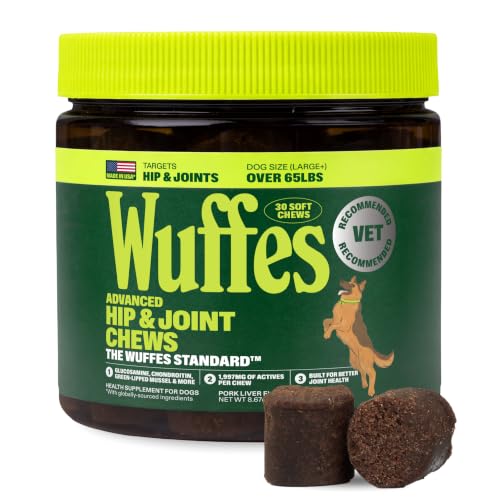
- Joint supplements: Glucosamine, chondroitin, MSM, and omega-3 fatty acids (fish oil) are commonly recommended. These supplements can help reduce inflammation, support cartilage health, and improve mobility. They are not a cure, but many owners report noticeable improvement. Look for dog vitamins from reputable brands that follow GMP standards.
- Pain management: Non-steroidal anti-inflammatory drugs (NSAIDs) like carprofen, meloxicam, and galliprant are commonly prescribed. These reduce pain and inflammation but must be used under veterinary supervision due to potential side effects. Never give human pain medications to your dog — many are toxic. Always consult your vet before giving any medication.
- Physical therapy: Canine rehabilitation specialists can design a program that includes therapeutic exercises, massage, stretching, and modalities like laser therapy, ultrasound, and electrical stimulation. These techniques can reduce pain, improve range of motion, and strengthen supporting muscles.
- Alternative therapies: Acupuncture, chiropractic care, and hydrotherapy (underwater treadmill) can be beneficial for some dogs. These should complement, not replace, conventional veterinary care.
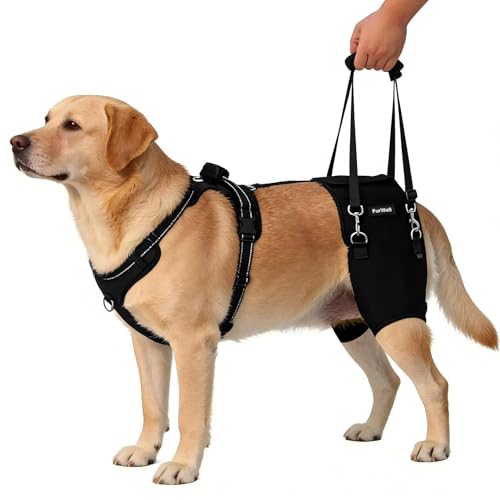
- Assistive devices: For dogs with significant mobility issues, items like dog harnesses with rear-end support, ramps or dog steps for furniture and cars, and orthopedic dog beds can make daily life much easier. A dog mat with non-slip backing can help dogs who struggle with slippery floors. For car travel, a dog car harness or dog car seat can help your dog get in and out safely.
Weight Management: The Most Important Step
If your dog is overweight, weight loss is the single most effective thing you can do to improve their comfort and mobility. Studies show that lean dogs with hip dysplasia have significantly less pain and lameness than overweight dogs with the same degree of joint damage. Your vet can help you calculate your dog's ideal weight and recommend a safe weight loss plan. This often involves reducing calorie intake, switching to a weight-management diet, and increasing low-impact exercise. For dogs with sensitive stomachs, finding the right diet can be challenging — look for dog food formulated for weight management and sensitive digestion.
Surgical Interventions
For dogs with severe hip dysplasia, or for young dogs with significant laxity, surgery may offer the best chance for a pain-free, active life. Several surgical options are available, each with its own benefits and considerations.
Juvenile Pubic Symphysiodesis (JPS)
This procedure is performed on young puppies (typically 4-6 months old) who are at high risk for hip dysplasia. It involves cauterizing the growth plate of the pubis bone, which alters pelvic development to improve hip coverage. It is minimally invasive with a quick recovery, but it must be done before the puppy's growth plates close. It is not a cure but can significantly reduce the severity of hip dysplasia.
Triple Pelvic Osteotomy (TPO)
TPO is performed on young dogs (typically under 12 months) with hip dysplasia but no significant osteoarthritis. The procedure involves cutting the pelvis in three places and rotating the acetabulum to provide better coverage of the femoral head. It preserves the natural joint and can be very effective, but it is a major surgery with a lengthy recovery and is only appropriate for a select group of patients.
Femoral Head Ostectomy (FHO)
FHO involves removing the femoral head (the ball) and allowing the body to form a false joint (pseudoarthrosis) from scar tissue. It is a salvage procedure, meaning it does not restore normal joint function but it eliminates the pain caused by bone-on-bone contact. FHO is typically recommended for smaller dogs (under 40 lbs) who have severe hip dysplasia but are not candidates for total hip replacement. Recovery requires strict rest followed by gradual rehabilitation. Many dogs achieve good function after FHO, though some lameness may persist.
Total Hip Replacement (THR)
THR is the gold standard for treating severe hip dysplasia in dogs. It involves replacing the entire hip joint with a prosthetic implant. It is the most effective procedure for restoring normal function and eliminating pain. THR is typically performed on dogs who have finished growing (usually over 10-12 months) and who are in good general health. It is a major surgery with a significant cost, but the results are often excellent. Most dogs return to normal or near-normal function after recovery.
Comparing Surgical Options
| Procedure | Best Candidate | Recovery | Outcome |
|---|---|---|---|
| JPS | Puppies 4-6 months, high risk | Quick, minimally invasive | Reduces severity, not a cure |
| TPO | Young dogs <12 months, no OA | Long, strict rest required | Preserves natural joint, good function |
| FHO | Smaller dogs, salvage procedure | Moderate, rehabilitation required | Eliminates pain, some lameness |
| THR | Mature dogs, severe dysplasia | Long, intensive rehab | Excellent, near-normal function |
Making the Decision: Surgery is a big decision, both emotionally and financially. It is important to have a thorough conversation with your veterinarian and, if possible, a veterinary orthopedic surgeon. They can help you understand the risks, benefits, and expected outcomes for each procedure based on your dog's specific situation. It is also important to consider your dog's age, size, temperament, and your ability to provide post-operative care.
Home Management & Lifestyle
Whether your dog has surgery or is managed conservatively, home management plays a critical role in their comfort and quality of life. Small adjustments to your home and daily routine can make a big difference.
Creating a Hip-Friendly Home
- Non-slip flooring: Slippery floors make it difficult for dogs with hip dysplasia to get traction and can lead to falls. Use area rugs, carpet runners, or non-slip mats (like a dog mat) on hard floors, especially in high-traffic areas and around food and water bowls.
- Orthopedic bedding: A supportive dog bed with memory foam or egg-crate padding can provide comfort and support for painful joints. Look for beds with low edges that are easy to step into. A dog couch or raised bed can also help keep your dog off cold, hard floors.
- Ramps and steps: If your dog struggles to get on the couch, bed, or into the car, invest in ramps or dog steps. This reduces the impact of jumping and makes it easier for your dog to stay close to you. For car travel, a dog car seat or dog car harness can help your dog get in and out safely.
- Elevated food and water bowls: Raised dog bowls or a food and water bowl set can reduce strain on the neck and hips when eating and drinking. An dog water bottle can also be useful for keeping your dog hydrated without them having to bend down too far.
- Easy access to the yard: If your dog needs to go outside frequently, consider a dog door so they can let themselves out without waiting for you. Ensure the path to the door is clear and non-slip. If you have a large yard, a dog fence or fences for outside can keep your dog safe while giving them space to move around.
- Supportive gear: A dog harness for dogs that pull or a dog harness with a rear-lifting handle can help you assist your dog when needed. For dogs with severe mobility issues, a dog carrier or dog stroller can help them get around without putting stress on their joints.
Daily Routine Adjustments
- Controlled exercise: Short, frequent walks on soft surfaces are better than long, intense exercise sessions. Swimming is excellent. Avoid running, jumping, and rough play. For more tips on appropriate exercise, see our dog health guide.
- Warm-up and cool-down: Before exercise, take a few minutes for gentle walking or stretching to warm up the muscles. After exercise, allow your dog to cool down gradually. This can help reduce stiffness and injury risk.
- Maintain a healthy weight: Continue to monitor your dog's weight and adjust food intake as needed. A dog food container with a measuring cup can help you portion accurately. An automatic dog feeder can help with portion control if you're not always home at feeding time.
- Grooming and hygiene: Regular grooming is important, but it can be challenging for dogs with hip dysplasia. Use a dog grooming kit with ergonomic tools that are gentle on your hands. For bathing, a dog bath with a non-slip bottom or a grooming supplies setup can make the process easier. Keep nails trimmed with a dog nail clippers to improve traction. Regular dental care with a dog toothbrush and dental cleaning products is also important for overall health.
- Mental stimulation: Since physical activity may be limited, provide plenty of mental stimulation with interactive dog toys, puzzle toys, and chew toys. These help keep your dog engaged and prevent boredom. Dog treats can be used as rewards for gentle training sessions.
- Comfort and pain management: Keep your dog warm and dry. Cold, damp conditions can worsen joint pain. Consider a dog heating pad for cold days. A dog cooling vest can help in hot weather if your dog struggles with heat. For anxiety related to pain or mobility issues, dog calming products like anxiety wraps or pheromone diffusers may help.
- Regular vet checkups: Dogs with hip dysplasia should have more frequent veterinary checkups — typically every 6 months — to monitor progression, adjust treatment, and manage pain. Your vet may recommend periodic X-rays to track changes.
Prevention & Breeding Ethics
While hip dysplasia cannot be completely prevented in all cases, there are steps you can take to reduce the risk and severity of the condition. If you are a breeder, you have an ethical responsibility to screen your breeding dogs and make responsible breeding decisions.
For Dog Owners
- Choose a reputable breeder: If you are buying a puppy, choose a breeder who screens their breeding dogs for hip dysplasia using OFA or PennHIP. Ask to see the documentation. Avoid breeders who cannot provide proof of health testing. Our guide on finding a reputable dog breeder can help you identify red flags. You can also check for red flags of a bad dog breeder and learn about puppy mills vs reputable breeders. Avoid backyard breeders who prioritize profit over health.
- Consider adopting an adult dog: If you adopt an adult dog, you can often see their hip scores (if available) or assess their mobility. Many rescue dogs are mixed breeds, which tend to have lower rates of hip dysplasia due to genetic diversity.
- Manage puppy growth: Feed a high-quality, age-appropriate diet and avoid overfeeding. Keep your puppy lean. Avoid free-feeding. Provide appropriate, low-impact exercise. Do not over-exercise your puppy — short, frequent play sessions are better than long, intense ones.
- Consider timing of spay/neuter: Discuss the timing of spaying or neutering with your vet. Some studies suggest that early spay/neuter may increase the risk of hip dysplasia in large breeds because it affects growth plate closure. Delaying the procedure until after growth plates have closed (usually around 12-18 months for large breeds) may be beneficial, though this must be balanced against other health and behavioral considerations.
- Use joint supplements early: For puppies at high risk of hip dysplasia (e.g., from a breed with high incidence, or from parents with hip dysplasia), starting joint supplements early may help support joint health. Consult your vet for recommendations.
For Breeders
- Screen all breeding dogs: Use OFA or PennHIP to screen all breeding dogs. Only breed dogs with Excellent or Good hip scores. Do not breed dogs with Fair, Borderline, Mild, Moderate, or Severe scores.
- Use genetic testing: In addition to hip screening, consider DNA testing for other inherited conditions. See our guide on genetic testing for dog breeds.
- Follow ethical breeding practices: See our guide on ethical breeding practices for more information. Provide a breeder contract and a health guarantee for your puppies.
- Educate puppy buyers: Provide new owners with guidance on how to choose a puppy, a puppy visit checklist, and information on puppy prices by breed. Help them understand the importance of AKC registration and the difference between limited vs full registration.
Frequently Asked Questions
Final Thoughts: You Are Your Dog's Best Advocate
Hip dysplasia can be a daunting diagnosis, but it is not a death sentence. With early detection, appropriate treatment, and dedicated home care, most dogs with hip dysplasia can live comfortable, happy, and active lives. The key is to work closely with your veterinarian, stay informed about the latest treatment options, and be proactive in managing your dog's weight, exercise, and pain. Remember that every dog is different, and what works for one may not work for another. Trust your instincts, ask questions, and advocate for your dog's health. Your love and commitment are the most powerful tools in managing this condition.