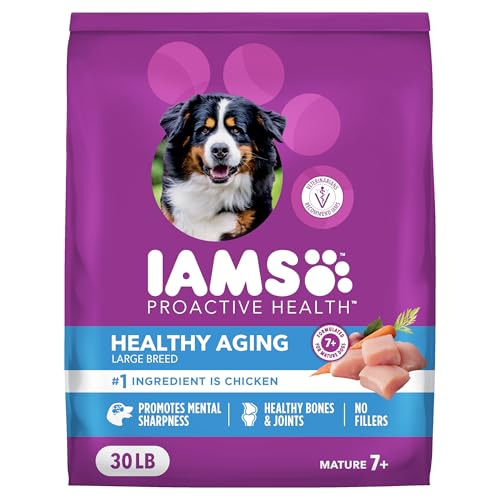
Dog Food for Elderly Dogs: Complete Senior Nutrition Guide
Everything you need to know about feeding your aging dog — from nutritional requirements and food types to feeding schedules, supplements, and managing age-related health conditions through diet.
As your dog enters their golden years, their nutritional needs change significantly. The food that kept them healthy and energetic at age three may no longer provide what they need at age ten. Senior dogs face unique challenges — slower metabolism, reduced activity, dental issues, and an increased risk of conditions like arthritis, kidney disease, and cognitive decline.
The right dog food for elderly dogs can make a profound difference in their quality of life. It can help maintain muscle mass, support joint health, manage weight, aid digestion, and even slow cognitive decline. This guide will walk you through everything you need to know to choose the best food for your aging companion.
How Aging Changes Nutritional Needs
Understanding the physiological changes that occur as dogs age is the first step toward choosing the right food. Every system in your dog's body undergoes changes that affect how they process nutrients.
Metabolic Changes
An elderly dog's metabolism slows down by approximately 10-20% compared to their younger years. This means they burn fewer calories at rest, which is why weight gain is so common in senior dogs. However, this doesn't mean they need less protein — in fact, they often need more high-quality protein to maintain muscle mass. The key is reducing calories while maintaining or increasing nutrient density.
Digestive System Changes
The digestive system becomes less efficient with age. Production of digestive enzymes decreases, stomach acid levels may drop, and the intestinal lining becomes less effective at absorbing nutrients. This is why senior dogs often benefit from highly digestible proteins, prebiotics, and probiotics. Food that was once easy on their stomach may now cause gas, bloating, or loose stools.
Dental and Oral Health
Years of wear and tear take a toll on your dog's teeth. Missing teeth, gum disease, and jaw pain can make chewing dry kibble difficult or painful. Many elderly dogs with dental issues do better with soft food, wet food, or kibble softened with warm water or broth. See our guide on dog dental care for more information on maintaining oral health in senior dogs.
Kidney and Liver Function
Kidney function naturally declines with age, and the liver becomes less efficient at filtering toxins. Senior dog food often contains moderated phosphorus and sodium levels to reduce the workload on these organs. If your dog has been diagnosed with kidney disease, your vet may recommend a prescription diet specifically formulated for renal support.
Joint and Mobility Changes
Arthritis and joint degeneration are extremely common in older dogs. While diet alone cannot cure arthritis, certain nutrients like omega-3 fatty acids, glucosamine, and chondroitin can reduce inflammation and support joint health. Weight management is equally critical — every extra pound puts additional stress on already painful joints. Our guide on dog hip dysplasia covers joint health in more detail.
Cognitive Decline
Canine cognitive dysfunction (CCD) affects many senior dogs, causing symptoms similar to dementia in humans — confusion, disorientation, altered sleep patterns, and reduced interaction. Diets rich in antioxidants, omega-3 fatty acids (especially DHA), and medium-chain triglycerides (MCTs) have been shown to support brain health and slow cognitive decline.
Best Types of Food for Elderly Dogs
There is no single "best" type of food for every elderly dog. The right choice depends on your dog's individual health status, dental condition, preferences, and any diagnosed medical conditions. Here are the main options:
Senior Dry Dog Food (Kibble)
Convenient, cost-effective, and helpful for dental health. Look for senior-specific formulas with moderate fat, high-quality protein, and added joint support. For dogs with dental issues, choose smaller kibble or soften with warm water or broth. Brands in the premium tier typically offer better ingredient quality and stricter quality control than entry-level options.
Mid-range to PremiumSenior Wet Dog Food (Canned)
Higher moisture content helps with hydration and is easier to chew for dogs with dental problems. Often more palatable for picky eaters or dogs with reduced appetite. Excellent for dogs with kidney issues or those who need to increase water intake. Can be mixed with dry food for a balanced texture and flavor experience.
Mid-range to PremiumFresh/Refrigerated Senior Dog Food
Human-grade ingredients, gently cooked to preserve nutrients. Highly palatable and easy to digest. Often available in senior-specific formulas with joint and cognitive support. The most expensive option but excellent for dogs with sensitive stomachs or multiple health conditions. Requires refrigeration and has a shorter shelf life.
Premium to LuxuryPrescription Senior Diets
Veterinarian-formulated for specific conditions like kidney disease, heart disease, diabetes, or severe arthritis. These diets have controlled levels of protein, phosphorus, sodium, and other nutrients. Only available through your vet. Essential for managing serious health conditions through nutrition.
SpecializedSoft Dry Dog Food for Bad Teeth
Specifically designed for dogs with dental issues — softer kibble that's easier to chew but still provides some dental benefits. Often shaped to be gentle on gums. Good middle ground between hard kibble and wet food. See our recommendations for soft dry dog food for dogs with bad teeth.
Mid-rangeHomemade and Fresh-Cooked Meals
Complete control over ingredients — ideal for dogs with multiple allergies or sensitivities. Must be formulated with veterinary nutritionist guidance to ensure complete and balanced nutrition. Time-intensive but rewarding. See our homemade dog food recipes for senior dogs with sensitive stomachs for starting points.
Premium to LuxuryKey Ingredients to Look For
When reading labels on dog food for elderly dogs, prioritize these ingredients:
High-Quality Animal Protein
Protein is the most critical nutrient for senior dogs. It maintains muscle mass, supports immune function, and provides energy. Look for named animal proteins as the first ingredient — "chicken," "beef," "salmon," "turkey," or "lamb." Avoid generic terms like "meat meal" or "poultry by-product meal." Senior dogs typically need 25-30% protein on a dry matter basis, though this may be adjusted for kidney disease. If your dog has a sensitive stomach, see our guide on dog food for older dogs with sensitive stomachs.
Omega-3 Fatty Acids (DHA and EPA)
These essential fats reduce inflammation, support joint health, improve skin and coat condition, and promote cognitive function. Fish oil, salmon, and flaxseed are excellent sources. Look for foods with added DHA — especially important for brain health in aging dogs.
Glucosamine and Chondroitin
These natural compounds support cartilage health and joint function. While not a cure for arthritis, they can slow degeneration and reduce pain. Many senior dog foods include these supplements, but you can also add them separately if needed.
Antioxidants
Vitamins E and C, beta-carotene, and selenium help combat oxidative stress and support the immune system. They also support cognitive function and may slow the aging process at the cellular level.
Prebiotics and Probiotics
These support digestive health by promoting beneficial gut bacteria. Senior dogs often have less diverse gut microbiomes, making supplementation beneficial. Look for ingredients like chicory root, pumpkin, and fermented foods.
L-Carnitine
An amino acid that helps convert fat into energy and supports heart health. Especially important for senior dogs prone to weight gain or heart conditions. Often included in senior dog foods for weight management.
Medium-Chain Triglycerides (MCTs)
Found in coconut oil and some specialty ingredients, MCTs provide an alternative energy source for the brain and may help slow cognitive decline in senior dogs.
Ingredients to Avoid
Just as important as what you include is what you exclude. These ingredients can be problematic for elderly dogs:
- Artificial preservatives (BHA, BHT, ethoxyquin): Linked to health problems and unnecessary in a quality diet.
- Artificial colors and flavors: No nutritional value and may trigger allergies or sensitivities.
- Excessive fillers (corn, wheat, soy): Harder to digest and often lower in nutritional value. Some dogs develop allergies to these ingredients — see our guide on dog food allergies.
- High sodium levels: Can worsen heart conditions and high blood pressure. Senior dogs need moderated sodium.
- Excessive phosphorus: A concern for dogs with kidney disease. Prescription kidney diets restrict phosphorus.
- By-products of unknown origin: "Meat by-products" could be anything. Look for named by-products if present, like "chicken by-products."
- Added sugars and sweeteners: Unnecessary calories that can contribute to obesity and dental problems.
- Propylene glycol: Used to keep semi-moist foods soft, but can be problematic for dogs with certain health conditions.
Managing Health Conditions Through Diet
Many age-related health conditions can be managed or improved through targeted nutrition. Here's how diet can help with the most common senior dog health issues:
Arthritis and Joint Disease
Weight management is the single most effective dietary strategy for arthritis. Even a few extra pounds significantly increase joint stress. Look for foods with omega-3 fatty acids, glucosamine, chondroitin, and green-lipped mussel. Some dogs benefit from prescription joint diets with higher levels of these nutrients. Our guide on dog hip dysplasia covers joint health in more detail.
Kidney Disease
For dogs with kidney disease, diet is a critical part of treatment. Prescription kidney diets restrict phosphorus, moderate protein, and reduce sodium. They also have increased moisture content to help with hydration. See our recommendations for best wet dog food for senior dogs with kidney problems. Never restrict protein without veterinary guidance — too little protein can cause muscle wasting.
Heart Disease
Dogs with heart conditions benefit from diets with moderated sodium, added taurine and L-carnitine, and omega-3 fatty acids. See our guide on dog heart disease for more information on managing this condition. A prescription heart diet may be recommended for advanced cases.
Diabetes
Diabetic dogs need consistent, controlled meals with high-quality protein, moderate fat, and complex carbohydrates that don't spike blood sugar. Fiber is especially important for blood sugar regulation. Prescription diabetic diets are often recommended. Learn more in our guide on dog diabetes.
Dental Problems
For dogs with missing teeth, gum disease, or jaw pain, soft food is essential. Wet food, soft kibble, or kibble softened with warm water or broth works well. Avoid hard treats and bones that can damage remaining teeth. See our recommendations for soft dry dog food for dogs with bad teeth and dog food for older small dogs with few teeth.
Cognitive Decline
Diets rich in antioxidants, omega-3 fatty acids (especially DHA), and MCTs can support brain health. Some prescription diets are specifically formulated for cognitive support. These diets may help slow the progression of canine cognitive dysfunction.
Sensitive Stomach and Digestive Issues
Senior dogs often develop sensitive stomachs. Look for highly digestible proteins, prebiotics, probiotics, and limited ingredient diets. See our guides on dog food for senior dogs with sensitive stomachs and best dry dog food for senior dogs with sensitive stomachs.
Feeding Schedule and Portion Control
How you feed your elderly dog is almost as important as what you feed them. Senior dogs thrive on routine and consistency.
Meal Frequency
Most elderly dogs do best with two meals per day — morning and evening. This helps maintain stable blood sugar, reduces stomach upset, and makes it easier to monitor appetite. Some dogs with dental issues or very small stomachs may do better with three smaller meals. Free-feeding is generally not recommended for senior dogs because it makes it difficult to monitor how much they're eating and can lead to obesity.
Portion Control
The feeding guidelines on the bag are a starting point, not a rule. Every dog's metabolism is unique. Adjust portions based on your dog's body condition score:
- Ideal weight: You can feel but not see the ribs. There's a visible waist when viewed from above. The belly tucks up slightly from the side.
- Overweight: Ribs are difficult to feel. No visible waist. Belly is flat or sagging. Reduce portions by 10-20% and increase exercise if possible.
- Underweight: Ribs, spine, and hip bones are easily visible. Increase portions gradually and consult your vet to rule out underlying health issues.
Hydration
Senior dogs are prone to dehydration, especially those with kidney disease. Ensure fresh water is always available. Consider adding water or broth to dry food to increase moisture intake. Some dogs prefer dog water bottles or fountains that encourage drinking. Wet food also contributes significantly to hydration.
Feeding Environment
Make mealtime comfortable for your aging dog. Elevated bowls can reduce neck strain for dogs with arthritis. Non-slip mats under bowls prevent sliding. Feed in a quiet, undisturbed location — older dogs may be more sensitive to stress during meals. See our guide on dog feeding bowls to slow eating if your dog eats too quickly.
Transitioning to Senior Dog Food
When it's time to switch your dog to a senior formula, do it gradually to avoid digestive upset. A sudden change can cause vomiting, diarrhea, and food aversion.
The 7-Day Transition Schedule
- Days 1-2: 75% old food, 25% new food
- Days 3-4: 50% old food, 50% new food
- Days 5-6: 25% old food, 75% new food
- Day 7: 100% new food
If your dog has a sensitive stomach, extend the transition to 10-14 days. Watch for signs of digestive upset — loose stools, gas, vomiting, or refusing to eat. If problems persist, slow down the transition or consult your vet. See our guide on dog food for senior dogs with sensitive stomachs for more tips.
When to Switch
Most dogs should transition to senior food between 7-8 years of age. However, the right time depends on your individual dog:
- Small breeds (under 20 lbs): 8-9 years
- Medium breeds (20-50 lbs): 7-8 years
- Large breeds (50-90 lbs): 6-7 years
- Giant breeds (over 90 lbs): 5-6 years
Some dogs may need senior food earlier due to health conditions, while others can stay on adult food longer if they're thriving. Regular vet checkups will help you determine the right timing.
Supplements for Elderly Dogs
While a complete and balanced diet should provide most nutrients, some senior dogs benefit from targeted supplements. Always consult your veterinarian before adding any supplement, as some can interact with medications or cause harm.
Joint Supplements
Glucosamine, chondroitin, MSM, and green-lipped mussel are the most common joint supplements. They can reduce pain and inflammation and slow cartilage degeneration. Effects may take 4-6 weeks to become noticeable. See our guide on dog hip dysplasia for more on joint health.
Omega-3 Fatty Acids
Fish oil supplements provide concentrated EPA and DHA. These reduce inflammation, support joint health, improve skin and coat, and support cognitive function. Look for supplements with high EPA and DHA content, not just "fish oil."
Probiotics
Probiotics support digestive health and immune function. They're especially helpful for dogs with sensitive stomachs, those on antibiotics, or dogs with chronic digestive issues. See our guide on dog food for senior dogs with sensitive stomachs.
Antioxidants
Vitamins E and C, selenium, and alpha-lipoic acid help combat oxidative stress and support cognitive function. Some senior dog foods already include these, so check before adding more.
Cognitive Support Supplements
MCTs, SAMe, and phosphatidylserine may support brain health and slow cognitive decline. Some prescription diets and supplements are specifically formulated for cognitive support.
Vitamins and Minerals
Senior dogs may benefit from additional B vitamins for energy, vitamin D for bone health, and zinc for immune function. However, most complete diets provide adequate amounts. Avoid over-supplementing — more is not better and can cause toxicity.
Important: Never give human supplements to your dog without veterinary approval. Dosages and formulations designed for humans can be dangerous for dogs. Even "natural" supplements can interact with medications or cause side effects. Always consult your vet first.
Homemade and Fresh Food Options
Some owners choose to prepare homemade food for their elderly dogs. This offers complete control over ingredients and can be excellent for dogs with multiple allergies or specific health conditions. However, it requires careful planning to ensure nutritional completeness.
Benefits of Homemade Food
- Complete control over ingredient quality and sourcing
- No artificial preservatives, colors, or flavors
- Can be tailored to specific health conditions (kidney disease, allergies, etc.)
- Often more palatable for picky eaters
- Can be adjusted as your dog's needs change
Risks and Challenges
- Risk of nutritional imbalances if not properly formulated
- Time-consuming to prepare
- Requires veterinary nutritionist guidance for complete and balanced meals
- Shorter shelf life — must be refrigerated or frozen
- More expensive than commercial food in most cases
Getting Started Safely
If you want to feed homemade food, consult a veterinary nutritionist. They can formulate a complete and balanced recipe for your dog's specific needs. Never rely on random internet recipes — many are nutritionally incomplete and can cause serious health problems over time. See our homemade dog food recipes for senior dogs with sensitive stomachs for starting points, but always have them reviewed by a professional.
Fresh Commercial Food
If homemade food feels overwhelming, fresh commercial dog foods offer a middle ground. These are gently cooked, human-grade meals delivered to your door. They're more expensive than kibble but more convenient than homemade. Many offer senior-specific formulas with joint and cognitive support.
Frequently Asked Questions
The Bottom Line
Choosing the right food for your elderly dog doesn't have to be overwhelming. Focus on high-quality protein, moderate fat, joint support, and digestive health. Feed according to body condition, transition slowly, and work with your vet to address any specific health conditions. The right nutrition can add years of quality life to your senior dog's golden years. For more on caring for aging dogs, see our senior dog food guide and dog health sections.