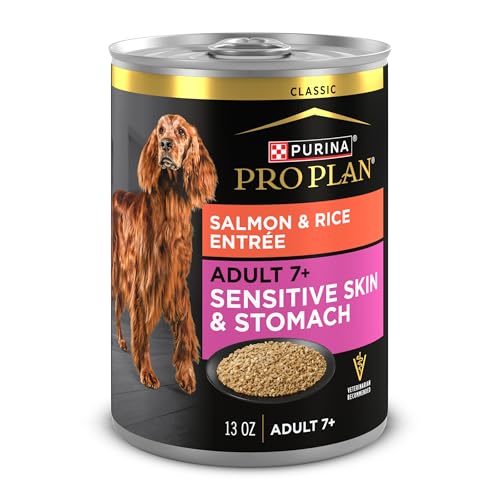
Best Dog Food for Senior Dogs with Sensitive Stomachs
Your senior dog deserves gentle, nourishing nutrition that supports digestion, energy, and overall wellbeing. Here's how to choose the right food and help them thrive in their golden years.
As dogs age, their digestive systems become less forgiving. The food that worked perfectly at age three may now cause gas, loose stools, or vomiting at age ten. Senior dogs with sensitive stomachs need a different approach — one that prioritizes gentle digestion, nutrient absorption, and immune support without sacrificing flavor or nutrition.
Finding the right food can feel overwhelming. Shelves are packed with options claiming to be "gentle," "easy to digest," or "sensitive stomach formula," yet many still contain ingredients that trigger reactions in older dogs. This guide cuts through the confusion and gives you a clear framework for choosing food that actually helps your senior dog feel better.
Why Senior Dogs Need Special Food
Aging changes nearly every system in a dog's body, and the digestive tract is no exception. Understanding these changes explains why senior dogs often need different nutrition than they did when they were younger.
- Slower metabolism: Senior dogs burn fewer calories, so they need less food overall but higher quality nutrients to maintain muscle mass and organ function.
- Reduced digestive enzymes: Production of digestive enzymes declines with age, making it harder to break down fats and proteins efficiently.
- Thinner stomach lining: The protective lining of the stomach and intestines becomes more vulnerable, making it more susceptible to irritation from harsh ingredients.
- Changes in gut bacteria: The balance of beneficial bacteria in the gut shifts with age, which can affect digestion, immunity, and even mood.
- Dental issues: Missing teeth, gum disease, and pain can make chewing difficult, leading to swallowing whole kibble that's harder to digest.
- Underlying conditions: Many senior dogs have early-stage kidney disease, pancreatitis, or inflammatory bowel disease that requires dietary management.
Key Insight: A senior dog's digestive system is not just "older" — it's fundamentally different. Food that supports a young dog's high-energy needs may actually harm a senior dog's sensitive gut. The right senior formula accounts for these changes rather than simply reducing portion sizes.
Signs of a Sensitive Stomach in Senior Dogs
How do you know if your senior dog has a sensitive stomach versus a temporary upset or a more serious condition? These are the most common indicators that diet is the culprit:
- Frequent gas: Some gas is normal, but chronic, foul-smelling gas after meals suggests poor digestion or ingredients your dog can't process well.
- Loose stools or diarrhea: Recurring soft stools, especially within hours of eating, point to difficulty digesting certain ingredients.
- Vomiting after meals: Regurgitating undigested food shortly after eating often means the food is too rich, too large in volume, or contains triggering ingredients.
- Stomach gurgling: Loud, frequent stomach noises (borborygmi) suggest increased gas production and digestive discomfort.
- Reluctance to eat: A dog who once loved mealtime but now walks away or eats slowly may be associating food with discomfort.
- Weight loss despite normal eating: If your dog eats normally but loses weight, they may not be absorbing nutrients properly.
- Excessive licking or grass eating: These are often signs of nausea or stomach irritation in dogs.
Important: These symptoms can also indicate serious conditions like pancreatitis, inflammatory bowel disease, intestinal parasites, or cancer. If your senior dog has persistent digestive issues, always consult your veterinarian before assuming it's simply a food sensitivity.
Key Ingredients to Look For
The ingredient list is where you'll find the truth about whether a food will help or hurt your senior dog's sensitive stomach. Here's what to prioritize:
Highly Digestible Proteins
Protein quality matters more than quantity for seniors. Look for named, single-source animal proteins that are easy to break down:
- Chicken or turkey: Lean, highly digestible, and well-tolerated by most dogs. Avoid if your dog has a known poultry allergy.
- Salmon or whitefish: Rich in omega-3 fatty acids, which reduce inflammation in the gut and support a healthy coat.
- Egg: One of the most bioavailable proteins for dogs. Often used in limited-ingredient formulas.
- Lamb: A novel protein for dogs who have developed sensitivities to chicken or beef.
Avoid vague protein sources like "meat meal," "poultry by-product meal," or "animal digest." These can contain lower-quality parts and are harder to digest.
Easy-to-Digest Carbohydrates
Carbohydrates provide energy and help firm up stools. The right ones are gentle on the gut:
- White rice: The classic bland diet staple. Highly digestible and gentle on upset stomachs.
- Oatmeal: A good source of soluble fiber that supports digestive health and provides sustained energy.
- Barley: Contains beta-glucans that support immune function and digestion.
- Sweet potato: Rich in fiber and vitamins, though some dogs tolerate it better than others.
- Pumpkin: A superstar for sensitive stomachs. Soluble fiber helps regulate stool consistency — firming up loose stools and softening hard ones.
Probiotics and Prebiotics
These are non-negotiable for a sensitive senior stomach:
- Probiotics: Live beneficial bacteria (like Lactobacillus and Bifidobacterium) that restore gut flora balance. Look for guaranteed CFU counts on the label.
- Prebiotics: Fiber sources that feed beneficial bacteria. Common ones include chicory root, inulin, and FOS (fructooligosaccharides).
- Fermented foods: Some premium foods include fermented vegetables or kefir for natural probiotic content.
Omega-3 Fatty Acids
Fish oil, flaxseed, and algae oil provide DHA and EPA, which reduce inflammation throughout the body — including the digestive tract. These also support joint health, cognitive function, and skin condition.
Ingredients to Avoid
- Artificial preservatives: BHA, BHT, ethoxyquin, and propylene glycol can trigger reactions.
- Artificial colors and flavors: No nutritional value and potential allergens.
- High-fat content: Can trigger pancreatitis in senior dogs. Look for moderate fat levels (10-15% for most seniors).
- Excessive fiber: While some fiber is good, too much can cause gas and loose stools. Moderate is best.
- Common allergens: If your dog has food allergies, avoid beef, dairy, wheat, corn, and soy unless specifically tested and cleared.
Types of Food That Work Best
Not all food formats work equally well for sensitive senior stomachs. Here's how the main options compare:
Dry Kibble (Senior Sensitive Stomach)
Convenient, cost-effective, and available in formulas specifically designed for senior digestion. Look for small kibble size for easier chewing and added probiotics. Best for dogs with mild sensitivity and good dental health.
Mid-rangeWet/Canned Food
Higher moisture content supports hydration, which is critical for senior kidney health. Often more palatable for picky eaters and easier to digest. Can be mixed with kibble for a gentler meal. Best for dogs with dental issues or severe sensitivity.
Mid-range to premiumLimited Ingredient Diet (LID)
Fewer ingredients mean fewer potential triggers. Usually feature a single novel protein and a single carbohydrate source. Ideal for dogs with suspected food allergies or severe sensitivities. Requires careful reading of labels.
PremiumFresh/Home-Cooked
Human-grade ingredients with no preservatives. Excellent for dogs with multiple sensitivities or those who refuse commercial food. Requires veterinary nutritionist guidance to ensure complete nutrition. Most labor-intensive option.
LuxuryPro Tip: Many senior dogs with sensitive stomachs do best on a combination approach — a high-quality senior kibble mixed with a spoonful of wet food or a gentle topper. This improves palatability, adds moisture, and makes the meal easier to digest without the full cost of an all-wet diet. See our guide to dog food toppers for safe options.
Comparison: Senior vs Adult vs Sensitive Stomach Formulas
Understanding how these three categories differ helps you choose the right food for your dog's specific needs:
| Feature | Adult Maintenance | Senior Formula | Sensitive Stomach Formula |
|---|---|---|---|
| Calorie Density | Standard | Reduced (10-20% lower) | Varies |
| Protein Level | Moderate to high | Moderate, high quality | Moderate, highly digestible |
| Fat Content | Standard | Reduced | Moderate to reduced |
| Fiber | Standard | Moderate (for digestion) | Moderate, balanced |
| Joint Support | Sometimes | Often added (glucosamine) | Varies |
| Probiotics | Rarely | Sometimes | Often added |
| Kibble Size | Standard | Often smaller | Varies |
| Best For | Healthy adult dogs | Senior dogs without major sensitivities | Dogs with digestive issues at any age |
For a senior dog with a sensitive stomach, the ideal food combines elements of both senior and sensitive stomach formulas — reduced calories and joint support from the senior side, plus highly digestible proteins, probiotics, and gentle fiber from the sensitive stomach side. If you can't find a food that does both, prioritize the sensitive stomach features first, then supplement with a joint support product if needed. Our complete dog food guide explains how to evaluate any formula.
How to Switch Foods Safely
Even the best food will cause problems if you switch too quickly. Senior dogs need an even gentler transition than younger dogs because their digestive systems are less adaptable.
The 10-Day Transition Schedule
- Days 1-3: 25% new food + 75% old food. Watch for any changes in stool, appetite, or energy.
- Days 4-6: 50% new food + 50% old food. If stools become loose, stay at the previous ratio for 2-3 extra days.
- Days 7-9: 75% new food + 25% old food. Most dogs adjust by this point.
- Day 10+: 100% new food. Continue monitoring for a few more days.
For Very Sensitive Seniors: Extend the transition to 14-21 days. Move through each phase more slowly and don't hesitate to stay at a 50/50 mix for a week if needed. Some dogs take a full month to transition comfortably — that's okay. Patience prevents setbacks.
What to Do If Problems Occur: If diarrhea, vomiting, or significant gas develops, return to the previous ratio and stay there until symptoms resolve. If symptoms persist for more than 48 hours, consult your veterinarian.
Making the Transition Easier
- Warm the food slightly to enhance aroma and palatability. Senior dogs often have reduced senses of smell and taste.
- Add a spoonful of plain canned pumpkin or bone broth to make the new food more appealing.
- Feed smaller meals more frequently during the transition — three or four small meals instead of two larger ones.
- Keep the feeding environment calm and consistent. Stress slows digestion.
- Don't introduce other new foods, treats, or supplements during the transition.
Feeding Tips for Sensitive Seniors
How you feed matters almost as much as what you feed. These strategies help maximize digestion and minimize discomfort:
- Feed smaller, more frequent meals: Two to three meals daily is ideal. A single large meal overwhelms the digestive system and can cause vomiting on an empty stomach later.
- Keep a consistent schedule: Dogs thrive on routine. Feed at the same times every day to regulate digestive processes and prevent anxiety-related stomach issues.
- Elevate the bowl if needed: Dogs with arthritis or neck pain may eat more comfortably from a raised bowl. This also reduces air swallowing, which can contribute to gas. See our guide to dog food and water bowls for options.
- Soften kibble for dental issues: Add warm water or bone broth to dry food and let it sit for a few minutes. This makes it easier to chew and digest for seniors with missing or painful teeth.
- Don't free-feed: Leaving food out all day makes it harder to monitor intake and can lead to overeating or spoilage. Scheduled meals also help you track appetite changes.
- Use a slow feeder if needed: If your dog eats too quickly and then vomits, a slow feeder bowl can help. But for some seniors, slow feeders are frustrating — know your dog.
- Monitor water intake: Dehydration worsens digestive issues. Ensure fresh water is always available. If your dog isn't drinking enough, add water to their food or offer bone broth.
- Keep treats gentle: Treats should be small, low-fat, and made with the same gentle ingredients as their main food. Avoid rich, fatty treats that can trigger pancreatitis. Our dog treats guide has safe options.
Senior Dog Feeding Hack: If your senior dog is a picky eater, try warming their food to just below body temperature (about 100°F / 38°C). This releases aromas that stimulate appetite. You can also add a tablespoon of warm water, low-sodium bone broth, or a small amount of plain pumpkin. Never microwave your dog's food — it creates hot spots that can burn their mouth.
Common Mistakes to Avoid
These errors are made by well-meaning owners every day. Avoiding them can make a dramatic difference in your senior dog's comfort and health.
- Switching foods too quickly. The single most common cause of digestive upset during a food change. Always transition over at least 7-10 days.
- Assuming all "senior" foods are gentle. Many senior formulas focus on reduced calories and joint support without addressing digestion. Read ingredients carefully — look for probiotics, highly digestible proteins, and moderate fiber.
- Falling for marketing buzzwords. "Holistic," "natural," and "premium" are marketing terms, not nutritional standards. Look for AAFCO compliance statements and specific ingredient information.
- Overfeeding. Senior dogs need fewer calories, but owners often keep feeding the same amount. This leads to obesity, which worsens digestive issues and joint pain. Adjust portions based on body condition, not habit.
- Giving too many treats. Treats should make up no more than 10% of daily calories. A single rich treat can trigger pancreatitis in a sensitive senior.
- Ignoring dental pain. A senior dog with painful teeth may swallow food whole, leading to poor digestion and vomiting. Regular dental care and soft food options help.
- Blaming all issues on food. While diet is often the cause of digestive problems, it's not always the answer. Conditions like kidney disease, liver disease, and cancer also cause stomach symptoms. Always involve your vet.
- Changing too many things at once. If you switch food, add a supplement, and change feeding times all in one week, you won't know what's helping or hurting. Change one variable at a time.
When to See a Veterinarian
Dietary management can resolve many cases of sensitive stomach, but some symptoms require professional diagnosis and treatment. Contact your vet promptly if your senior dog experiences:
- Vomiting more than once in 24 hours, or vomiting that continues for more than a day
- Diarrhea lasting longer than 24-48 hours
- Blood in vomit or stool (bright red or black, tarry stools)
- Signs of dehydration: dry gums, loss of skin elasticity, sunken eyes, lethargy
- Refusing to eat for more than 24 hours
- Significant weight loss over a short period
- Abdominal pain or bloating
- Lethargy, weakness, or collapse
- Any sudden change in behavior or personality
Your vet may recommend diagnostic tests such as blood work, fecal analysis, X-rays, ultrasound, or endoscopy to rule out serious conditions. Once a diagnosis is made, your vet can recommend a specific therapeutic diet or medication protocol. If your dog is diagnosed with a food allergy, see our guide to dog food for allergies and sensitive stomachs for additional strategies. For dogs with kidney issues, a specialized diet like wet dog food for senior dogs with kidney problems may be necessary.
Frequently Asked Questions
Putting It All Together
Your senior dog's sensitive stomach is not a life sentence of discomfort. With the right food, a gentle transition, and smart feeding habits, most digestive issues improve dramatically within a few weeks. Focus on highly digestible proteins, moderate fiber, probiotics, and omega-3s. Feed smaller meals more often, transition slowly, and monitor your dog's body condition regularly. And always work with your veterinarian—they know your dog's individual health history and can guide you toward the best choices for their specific situation.
The fact that you're researching this means you're already a caring, attentive owner. Your senior dog is lucky to have you.