The Complete Guide to Dog Food and Water Bowls
Everything you need to know about choosing the right bowls for your dog — from materials and sizes to elevated feeders, slow-feed designs, and hygiene best practices.
Your dog's food and water bowls are more than just containers — they influence how your dog eats, how quickly they eat, their posture, and even their health. Yet most owners grab whatever bowl is on sale without considering whether it is the right fit for their dog.
The right bowl can prevent vomiting, reduce bloating risk, improve digestion, and make mealtime more enjoyable for your dog. The wrong bowl can harbor bacteria, cause allergic reactions, or contribute to serious health issues like bloat in deep-chested breeds. This guide will help you understand every factor that goes into choosing the best dog food and water bowl for your specific dog.
Why Bowl Choice Matters
Most dog owners never think twice about their dog's bowl. But the bowl you choose affects several aspects of your dog's health and well-being:
- Eating speed: Dogs who gulp their food too quickly swallow air, which can lead to vomiting, bloating, and poor nutrient absorption. A slow feeder bowl can dramatically reduce these risks.
- Posture and joint strain: Dogs with arthritis, neck pain, or mobility issues may struggle to eat from floor-level bowls. Elevated bowls can make mealtime more comfortable and reduce strain on joints.
- Hygiene and bacteria: Porous materials like plastic develop microscopic scratches that harbor bacteria. Even with regular washing, these bowls can become a breeding ground for harmful microorganisms.
- Allergies and sensitivities: Some dogs are allergic to plastic or certain dyes used in bowl manufacturing. Stainless steel and lead-free ceramic are safer options for sensitive dogs.
- Whisker fatigue: Dogs with sensitive whiskers may avoid deep, narrow bowls because their whiskers rub against the sides. Wide, shallow bowls are more comfortable for these dogs.
- Water intake: Some dogs drink more willingly from certain bowl types. Proper hydration is essential for kidney function, digestion, and overall health.
Did You Know? Research suggests that dogs prefer wide, shallow bowls over deep, narrow ones. In one study, dogs showed a clear preference for bowls that did not touch their whiskers or ears while eating. This preference is so consistent that some researchers call it "whisker fatigue" — a genuine discomfort that can cause dogs to eat less.
Bowl Materials Compared
The material your dog's bowl is made from affects durability, hygiene, safety, and cost. Here is how the most common materials compare:
Stainless Steel
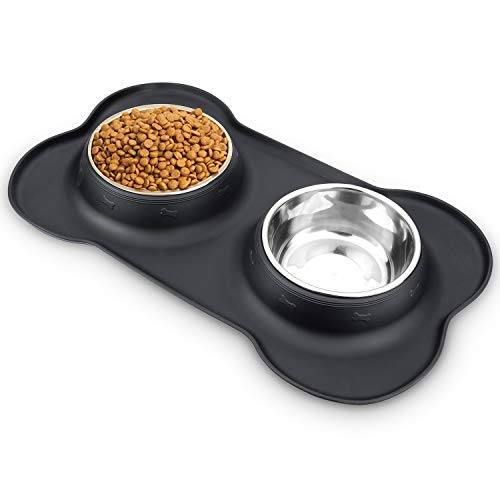
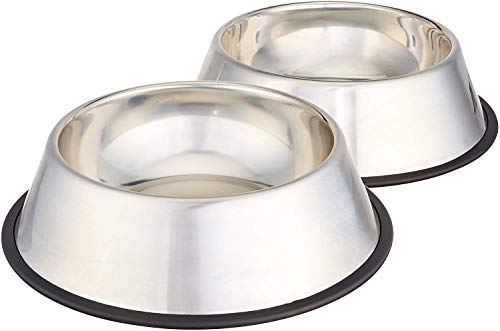
Durable, non-porous, and resistant to bacteria. Dishwasher-safe and does not retain odors. Does not chip or crack. Some dogs dislike the noise of metal bowls sliding or clanking. Look for bowls with rubber non-slip bottoms to prevent sliding. Best overall choice for most dogs.
Mid-range to premiumCeramic
Heavy and stable, so they do not slide around. Available in many decorative designs. Non-porous if properly glazed. Can chip or crack if dropped. Must be lead-free and food-safe. Heavier bowls are harder for dogs to tip over. Good for dogs who push their bowls around.
Mid-range to high-endPlastic
Lightweight and affordable. Available in many colors and designs. Develops scratches that harbor bacteria over time. Can cause allergic reactions in some dogs (plastic dermatitis). Not as durable as metal or ceramic. Best for temporary use or travel.
Budget-friendlySilicone
Collapsible and portable, making them ideal for travel and hiking. Non-toxic and BPA-free options available. Easy to clean and store. Less stable than rigid bowls — dogs can easily tip them over. Best as a secondary travel bowl, not a primary feeding bowl.
Entry-level to mid-rangeBamboo Fiber
Eco-friendly and biodegradable. Made from sustainable bamboo combined with food-grade binders. Lightweight and durable. Not dishwasher-safe — hand wash only. May degrade over time with repeated washing. A good option for environmentally conscious owners.
Mid-rangeGlass
Non-porous and easy to clean. Heavy enough to stay in place. Can break if dropped or knocked over. Not practical for most dog owners. Best for small, calm dogs in households without children. Rarely used for dog bowls due to breakage risk.
High-endMaterial Safety Tip: Avoid bowls with painted designs on the inside surface. Paint can chip and be ingested, and some imported bowls have been found to contain lead or other toxic substances. Look for bowls labeled "food-grade," "lead-free," and "BPA-free."
Choosing the Right Size
The right bowl size depends on your dog's breed, muzzle shape, and how much they eat and drink. A bowl that is too small forces your dog to eat awkwardly, while a bowl that is too large can encourage overeating or make it difficult for small dogs to reach the bottom.
Food Bowl Size Guidelines
- Small dogs (under 20 lbs): 1-2 cup capacity. Bowl diameter should be wide enough for the muzzle to fit without ears touching the sides.
- Medium dogs (20-50 lbs): 2-4 cup capacity. Deeper bowls work well for dogs with longer muzzles.
- Large dogs (50-90 lbs): 4-6 cup capacity. Look for wide, stable bowls that won't tip.
- Giant breeds (over 90 lbs): 6-10 cup capacity. Heavy ceramic or elevated stainless steel bowls are best.
- Flat-faced breeds (Pugs, Bulldogs, Boxers): Wide, shallow bowls are essential. Deep bowls make it difficult for these dogs to reach food without pressing their faces into the sides.
Water Bowl Size Guidelines
- Daily water needs: Dogs need approximately 1 ounce of water per pound of body weight per day. A 50-lb dog needs about 50 ounces (6 cups) of water daily.
- Bowl capacity: Choose a water bowl that holds at least a full day's worth of water so your dog never runs out.
- Multiple bowls: Consider placing water bowls in multiple locations, especially if your home has multiple floors.
- Outdoor bowls: If your dog spends time outside, keep a separate outdoor water bowl that is cleaned and refilled daily.
Elevated Bowls: Pros and Cons
Elevated bowls (also called raised feeders) are bowls set at a height that allows your dog to eat without lowering their head to the floor. They typically come as a stand with two bowls — one for food and one for water.
Benefits of Elevated Bowls
- Reduced joint strain: Senior dogs and dogs with arthritis do not have to bend their necks and put weight on sore joints while eating.
- Better posture: Dogs with long legs or long backs (like Greyhounds and Dachshunds) can eat in a more natural position.
- Easier swallowing: Some dogs with esophageal issues swallow more easily when eating from an elevated bowl.
- Less mess: Food and water are less likely to spill when the bowl is elevated and stable.
- Accessibility: Dogs recovering from surgery or with limited mobility can reach elevated bowls more easily.
Risks and Considerations
- Bloat risk: Some studies suggest that elevated bowls may increase the risk of gastric dilatation-volvulus (GDV or bloat) in large, deep-chested breeds like Great Danes, German Shepherds, and Standard Poodles. If your dog is at risk for bloat, consult your veterinarian before using an elevated bowl.
- Not for all dogs: Small dogs and dogs with short legs may not benefit from elevated bowls and may even struggle to reach them.
- Stability: Cheap elevated feeders can be unstable and tip over. Look for sturdy, weighted bases.
- Height adjustment: The bowl should be at the height of your dog's lower chest — not so high that they have to reach up, and not so low that they still bend down.
Who Should Consider Elevated Bowls?
• Senior dogs with arthritis or neck stiffness
• Large and giant breeds with long legs
• Dogs recovering from surgery or injury
• Dogs with esophageal or swallowing issues
• Dogs with long backs (Dachshunds, Corgis) to reduce spinal strain
Always introduce elevated bowls gradually and monitor your dog for comfort.
Slow Feeder Bowls
Slow feeder bowls are designed with ridges, mazes, or obstacles that force dogs to navigate around them to reach their food. This simple design change can have a significant impact on dogs who eat too quickly.
Why Speed Eating Is a Problem
- Vomiting: Dogs who gulp food swallow large amounts of air, which can cause regurgitation shortly after eating.
- Bloat risk: Rapid eating is a known risk factor for gastric dilatation-volvulus, a life-threatening condition.
- Poor digestion: Food that is not chewed properly is harder to digest, leading to gas and discomfort.
- Choking: Large pieces of food swallowed whole can become lodged in the throat.
- Resource guarding: Dogs who eat quickly may be more prone to guarding their food from other pets.
Benefits of Slow Feeder Bowls
- Slower eating: Meals that took 30 seconds can take 5-10 minutes, reducing air swallowing and improving digestion.
- Mental stimulation: Navigating the maze provides mental enrichment, which tires dogs out and reduces boredom.
- Reduced vomiting: Dogs who eat slowly are less likely to vomit after meals.
- Weight management: Slower eating gives the brain time to register fullness, which can help with weight control.
- Entertainment: Slow feeders turn mealtime into a fun activity rather than a race.
Slow Feeder Tips: Not all dogs take to slow feeders immediately. Start by using the slow feeder for one meal a day, and mix in some easy-to-reach food so your dog does not get frustrated. Flat-faced breeds (Pugs, Bulldogs, French Bulldogs) may struggle with deep slow feeders — look for shallow, wide designs made specifically for brachycephalic breeds. For more feeding solutions, see our guide to bowls that slow eating.
Water Bowls and Hydration
Water is the most important nutrient for your dog. A dog can survive weeks without food but only days without water. Yet many owners pay far more attention to food bowls than water bowls.
What to Look for in a Water Bowl
- Capacity: Hold at least one full day's water supply. For a 50-lb dog, that means at least 6 cups (48 ounces).
- Stability: Water bowls should be heavy enough that they do not slide or tip when your dog drinks. Rubber-bottomed stainless steel or heavy ceramic are good choices.
- Width: Wide bowls allow dogs to drink without their ears or whiskers getting wet. This is especially important for breeds with long ears like Cocker Spaniels and Basset Hounds.
- Material: Stainless steel is the best choice for water bowls because it does not retain odors or harbor bacteria. Ceramic is a good alternative if it is lead-free and glazed.
- Easy to clean: Water bowls should be washed daily. Dishwasher-safe bowls make this easier.
Signs Your Dog Is Not Drinking Enough
- Dry, tacky gums
- Loss of skin elasticity (skin does not snap back when gently pinched)
- Lethargy or weakness
- Sunken eyes
- Reduced appetite
- Dark yellow urine or infrequent urination
If you notice these signs, encourage your dog to drink by offering fresh water, adding water to their food, or trying a pet water fountain. If your dog still refuses to drink, contact your veterinarian — dehydration can become life-threatening quickly. For more on hydration issues, see our guide on dogs drinking a lot of water and throwing up.
Water Fountains vs. Traditional Bowls
Some dogs prefer running water and will drink more from a pet fountain than from a still bowl. Fountains also filter the water, which can improve taste and reduce contaminants. However, fountains require more maintenance — they must be cleaned regularly and filters must be replaced. Traditional bowls are simpler and easier to keep clean. Some dogs are afraid of the noise from fountains, so introduce one gradually.
Travel and Outdoor Bowls
Your dog needs access to food and water even when you are away from home. Travel bowls are designed to be portable, lightweight, and easy to clean on the go.
Types of Travel Bowls
- Collapsible silicone bowls: Fold flat for easy storage. Great for hiking, road trips, and dog parks. Lightweight but can tip over easily.
- Travel bowls with lids: Some bowls come with airtight lids that can hold food or water for later use.
- Bottle-and-bowl combos: A water bottle with a attached trough that fills as you squeeze. Convenient for walks and hikes.
- Insulated bowls: Keep water cool in hot weather. Useful for long days outdoors.
- Spill-proof bowls: Designed with weighted bases or lids to prevent spills in the car.
Outdoor Bowl Considerations
- Weather resistance: Choose bowls that will not crack in freezing temperatures or fade in UV light.
- Stability: Outdoor bowls should be heavy or anchored so they do not blow away or tip.
- Algae prevention: Water bowls left outside can develop algae quickly. Clean them daily and place them in shaded areas.
- Insect protection: Some outdoor bowls have covers or screens to keep bugs out.
- Freeze protection: In winter, use heated water bowls or check water frequently to ensure it is not frozen.
Cleaning and Hygiene
A dirty bowl is more than just unpleasant — it can make your dog sick. Bacteria, mold, and biofilm can build up on bowls within hours, especially in warm weather or when feeding wet food.
How Often to Clean
- Food bowls: Wash daily with hot, soapy water. If feeding raw food, wash immediately after each meal and sanitize with a diluted bleach solution or pet-safe disinfectant.
- Water bowls: Wash daily and refill with fresh water. Even if the water looks clean, biofilm can form on the bowl surface.
- Slow feeders: Wash after every meal. Food particles get trapped in the crevices and can harbor bacteria.
- Elevated feeders: Wipe down the stand weekly and wash bowls daily.
- Water fountains: Clean the fountain and replace filters according to the manufacturer's instructions, typically every 1-2 weeks for the fountain and every 2-4 weeks for filters.
How to Clean Dog Bowls Properly
- Scrape off leftover food: Remove uneaten food and dispose of it properly. Do not leave wet food sitting in the bowl for hours.
- Wash with hot, soapy water: Use a dedicated sponge or brush for pet bowls. Do not use the same sponge you use for human dishes unless it is sanitized between uses.
- Scrub all surfaces: Pay attention to crevices, edges, and the bottom of the bowl. Biofilm can be invisible but still present.
- Rinse thoroughly: Soap residue can cause digestive upset. Rinse until no suds remain.
- Sanitize weekly: Once a week, sanitize bowls by soaking them in a diluted bleach solution (1 tablespoon bleach per gallon of water) for 10 minutes, then rinse thoroughly. Alternatively, run stainless steel and ceramic bowls through the dishwasher on a hot cycle.
- Dry completely: Air dry or towel dry bowls before refilling. Moisture encourages bacterial growth.
When to Replace Bowls: Plastic bowls should be replaced every 6-12 months or sooner if scratched or cracked. Stainless steel and ceramic bowls can last for years if not damaged. Replace any bowl that is chipped, cracked, rusted, or has a lingering odor that cannot be washed away. For more cleaning tips, see our guide to dog cleaning products.
Bowls for Special Needs Dogs
Some dogs have unique needs that require special bowl designs. Here are common situations and the bowl solutions that work best:
Senior Dogs with Arthritis
Elevated bowls reduce neck and joint strain. Look for adjustable-height feeders that can be set to your dog's comfort level. Non-slip bases prevent sliding. Wide, shallow bowls are easier to reach.
Mid-range to premiumFlat-Faced Breeds
Pugs, Bulldogs, and French Bulldogs have difficulty eating from deep bowls. Wide, shallow bowls with low sides allow them to reach food without pressing their faces into the bowl. Some slow feeders are designed specifically for flat-faced breeds.
Entry-level to mid-rangeDogs with Whisker Fatigue
Deep, narrow bowls cause whiskers to rub against the sides, which can be uncomfortable. Wide, shallow bowls or plates prevent whisker contact. Some dogs eat more willingly when switched to a whisker-friendly bowl.
Budget-friendly to mid-rangeDogs Who Tip Their Bowls
Heavy ceramic bowls or stainless steel bowls with rubber non-slip bottoms stay in place. Some bowls have weighted bases or suction cups to prevent tipping. Elevated feeders with wide bases are also more stable.
Mid-rangeDogs with Food Allergies
Plastic bowls can cause contact dermatitis around the muzzle and chin. Switch to stainless steel or lead-free ceramic. Wash bowls after every meal to remove allergenic food residue. For more on food allergies, see our guide to dog food allergies.
Mid-rangeDogs Recovering from Surgery
Elevated bowls allow dogs with limited mobility to eat without bending. Some dogs may need bowls placed at a specific height or angle. Consult your veterinarian for the best setup during recovery.
Mid-range to premiumFrequently Asked Questions
Choosing the Right Bowl: A Quick Checklist
• Material: Stainless steel or lead-free ceramic for hygiene and durability
• Size: Wide enough for your dog's muzzle, holds a full meal or day's water
• Shape: Shallow and wide for flat-faced breeds and dogs with sensitive whiskers
• Stability: Non-slip base or heavy material to prevent tipping
• Cleaning: Dishwasher-safe or easy to hand wash daily
• Special needs: Elevated for seniors and arthritis, slow feeder for gulpers
Remember: the best bowl is the one that fits your dog's unique needs and that you can keep clean consistently. A high-end bowl that is rarely washed is worse than a basic bowl that is cleaned daily.