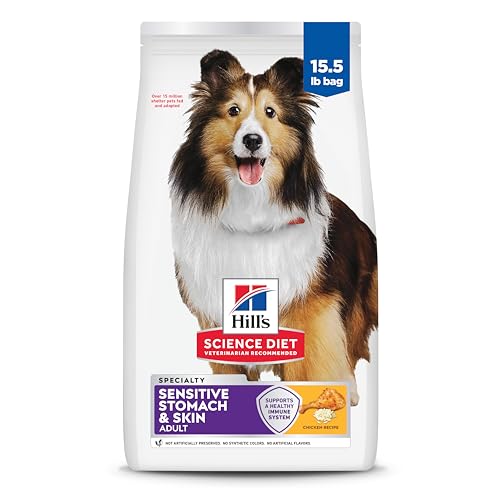
Dog Food for Picky Eaters with Sensitive Stomach
A practical, vet-informed guide to finding food your fussy dog will actually eat — without triggering vomiting, gas, loose stools, or the endless cycle of wasted meals.
Few things are more frustrating than watching your dog turn away from a full bowl of food — especially when you know the wrong meal will trigger digestive upset. When a dog is both a picky eater and prone to a sensitive stomach, every feeding becomes a balancing act between palatability and tolerance.
The good news is that these two problems are often connected, and treating them together produces better results than addressing either one alone. This guide explains why pickiness and digestive sensitivity overlap, what to look for on a label, how to transition safely, and which feeding strategies actually work. Whether your dog has always been fussy or recently became reluctant to eat, the principles here will help you rebuild a calm, reliable feeding routine.
Why Picky Eating and Sensitive Stomachs Go Together
Owners often assume pickiness is a behavioral quirk and sensitivity is a medical issue. In reality, the two frequently share the same root cause: a dog that associates eating with discomfort.
When a dog experiences nausea, gas, bloating, or cramping after eating, they learn to approach food with caution. Over time, that caution looks exactly like pickiness — sniffing, walking away, eating a few bites then quitting, or holding out for something better. The dog is not being stubborn. They are avoiding a negative experience.
This is why forcing a picky dog to "just eat what's in the bowl" rarely works. If the food is causing discomfort, no amount of discipline will make it appealing. The solution is to find a diet that is both gentle on the digestive tract and genuinely appealing to the dog.
Key Insight: A dog who refuses food and then vomits bile on an empty stomach may be experiencing nausea rather than true pickiness. This pattern — often called bilious vomiting — frequently improves when meals are split into smaller, more frequent portions of a highly digestible food.
Signs Your Dog Has a Sensitive Stomach
Before changing foods, confirm that sensitivity is actually part of the picture. A sensitive stomach can show up in many ways, and owners sometimes overlook mild but consistent symptoms.
- Intermittent loose stools or diarrhea that appear after certain meals and resolve on their own.
- Frequent gas or audible stomach gurgling after eating, especially within an hour of a meal.
- Vomiting undigested food or yellow bile, particularly in the morning or after a long gap between meals.
- Eating grass or licking surfaces excessively, which often signals nausea.
- Reluctance to eat that worsens over time rather than improving.
- Dull coat, itchy skin, or paw licking when food intolerance is involved.
- Weight loss or difficulty maintaining condition despite adequate portions.
If your dog has bloody diarrhea, persistent vomiting, or refuses all food for more than 24 hours, that is a medical situation rather than a dietary one. In those cases, seek veterinary guidance immediately before experimenting with new diets.
Ingredients to Look For and Avoid
Reading a label is the single most useful skill when shopping for a picky dog with a sensitive stomach. Marketing terms like "natural" and "holistic" carry little meaning, but the ingredient list tells you what actually matters.
Look For
- A single named animal protein listed first — for example "chicken," "salmon," or "lamb." This makes it easy to identify what your dog tolerates.
- Highly digestible carbohydrates such as white rice, oatmeal, barley, or sweet potato. These are gentle on the gut and provide steady energy.
- Novel or limited proteins like venison, duck, rabbit, or whitefish if your dog has reacted to common proteins in the past. Our guide to limited ingredient diets explains how these formulas reduce trigger exposure.
- Prebiotics and probiotics such as chicory root or specific strains that support gut flora.
- Omega-3 fatty acids from fish oil, which support skin health and reduce inflammation in the digestive tract.
- AAFCO statement confirming the food is complete and balanced for your dog's life stage.
Avoid or Minimize
- Artificial colors, flavors, and preservatives such as BHA, BHT, and ethoxyquin, which some dogs tolerate poorly.
- Generic fat and protein sources like "animal fat" or "meat meal," which make it impossible to identify triggers.
- Excessive fillers like corn, wheat, and soy in large quantities, which can be harder to digest for some dogs.
- High-fat formulas, which can worsen nausea and slow gastric emptying in sensitive dogs.
- Frequent recipe changes, even within the same brand, since reformulations can trigger new reactions.
Practical Tip: If your dog has reacted to chicken in the past, check treats, chews, and toppers as well as the main food. Chicken is a common hidden ingredient in products that appear to be beef or fish based. A food allergy and sensitivity guide can help you map out a safe ingredient list.
Types of Food That Work Best
There is no single best food, but certain formats and formulas consistently perform better for dogs who are both fussy and sensitive. The table below compares the main options.
| Food Type | Palatability | Digestibility | Best For |
|---|---|---|---|
| Limited ingredient dry food | Moderate | High | Dogs with identified protein triggers |
| Novel protein dry food | Moderate to high | High | Dogs who have reacted to chicken, beef, or grain |
| Wet food for sensitive stomachs | High | Very high | Picky dogs who need extra moisture and aroma |
| Fresh or gently cooked food | Very high | High | Dogs who refuse all commercial kibble |
| Hydrated freeze-dried raw | Very high | Moderate to high | Owners wanting raw-style appeal with easier handling |
| Prescription digestive diets | Moderate | Very high | Dogs with diagnosed GI conditions |
Why Wet Food Often Wins for Picky Dogs
Wet food has a stronger aroma, softer texture, and higher moisture content — all factors that appeal to a reluctant eater. It is also easier to digest for many dogs because it requires less breakdown in the stomach. If your dog refuses dry kibble entirely, a wet food formulated for sensitive stomachs is often the most effective starting point.
When Dry Food Still Works
Dry food remains convenient and cost-effective, and many sensitive stomach formulas are now highly digestible. If your dog eats dry food willingly, there is no need to switch formats. Just confirm the protein source is one your dog tolerates and consider a gentle topper to boost appeal.
Fresh and Gently Cooked Options
For dogs who reject everything else, fresh food often succeeds because it smells and tastes closer to real meat. The trade-off is cost and preparation time. If you choose this route, either use a commercial fresh food that meets AAFCO standards or work with a veterinary nutritionist to avoid nutrient gaps.
Toppers and Tricks to Tempt Picky Eaters
A topper can turn a rejected bowl into a clean plate, but it must be chosen with the same care as the main diet. A rich or unfamiliar topper can undo weeks of progress.
- Warm water or unsalted bone broth. Adding a few tablespoons of warm liquid releases aroma, which is the primary driver of appetite in dogs. Bone broth also adds moisture and mild flavor without heavy fat.
- Plain canned pumpkin. One to two tablespoons of plain pumpkin purée adds fiber and appeal. It is gentle, inexpensive, and widely tolerated. Avoid pumpkin pie filling, which contains sugar and spices.
- Plain yogurt or kefir. A small spoonful of plain, unsweetened yogurt introduces probiotics and a creamy texture many dogs enjoy. Introduce slowly if your dog is dairy sensitive.
- A spoonful of wet food. Mixing a small amount of a wet formula your dog already tolerates into dry kibble often solves refusal without changing the whole diet.
- Salmon oil or fish oil. A small drizzle adds omega-3s and a strong aroma. Use sparingly to avoid loose stools.
- Rotate toppers, not main diets. Offering a different topper each day keeps meals interesting while keeping the base diet stable and predictable for the gut.
If your dog is holding out for treats rather than eating meals, review whether table scraps or high-value treats are being given too close to mealtime. A dog who is not truly hungry will rarely eat a bland sensitive-stomach formula. Our guide to dogs who refuse food but accept treats covers this pattern in detail.
How to Transition Without Upset
Even the right food can cause problems if introduced too quickly. A slow transition protects the gut and gives you clear information about whether the new diet is working.
- Days 1–3: 90 percent old food, 10 percent new food. Watch stool quality and appetite.
- Days 4–6: 75 percent old food, 25 percent new food. If stools remain firm, continue.
- Days 7–8: 50 percent old food, 50 percent new food. This is the stage where most reactions appear.
- Days 9–10: 25 percent old food, 75 percent new food. Slow down if you see any softening.
- Day 11 onward: 100 percent new food. Continue monitoring for the first two weeks.
If your dog refuses the mixed bowl entirely, do not force it. Instead, warm the food slightly, add a tolerated topper, or slow the transition further. A dog who is nauseous will often reject a bowl that smells unfamiliar, even if the new food is objectively better for them.
Important: If diarrhea, vomiting, or significant gas appears during the transition, stop increasing the new food and return to the last ratio that worked. Persistent symptoms after two weeks on a new diet warrant a veterinary check rather than another food switch.
Common Mistakes to Avoid
- Switching foods too often. Constant changes prevent the gut from adapting and make it impossible to identify what works. Give each diet at least three to four weeks before judging it.
- Free-feeding. Leaving food down all day removes the natural hunger rhythm that drives appetite. Scheduled meals, removed after 15 to 20 minutes, are far more effective for picky dogs.
- Adding rich human food. Bacon, cheese, and table scraps may tempt a picky dog but frequently trigger the very digestive upset you are trying to prevent.
- Assuming grain-free is better. Most sensitive stomach issues stem from protein sources, not grains. Rice and oats are among the gentlest ingredients available.
- Ignoring dental pain. A dog with a cracked tooth or gum disease may avoid hard kibble for reasons unrelated to taste. Sudden reluctance to chew warrants an oral exam.
- Over-supplementing. Adding multiple powders, oils, and probiotics at once can overwhelm a sensitive gut. Introduce one change at a time.
- Punishing refusal. Scolding a dog for not eating increases stress and makes mealtime worse. Stay neutral, remove the bowl, and try again at the next scheduled meal.
When to See a Veterinarian
Dietary changes solve many mild cases, but some symptoms require professional evaluation. Contact your veterinarian if any of the following apply:
- Your dog has refused all food for more than 24 hours.
- Vomiting occurs more than twice in a day, or is accompanied by lethargy.
- Diarrhea persists beyond 48 hours, contains blood, or is accompanied by fever.
- Your dog is losing weight despite eating.
- Symptoms began suddenly in a dog who previously ate well.
- You suspect your dog swallowed a foreign object or toxic substance.
- Your dog shows pain when eating, drools excessively, or has difficulty swallowing.
A veterinarian can rule out conditions such as pancreatitis, inflammatory bowel disease, intestinal parasites, and food allergies that require prescription diets or medication. Bloodwork, fecal testing, and imaging often provide answers that no amount of food experimentation can.
Frequently Asked Questions
The Bottom Line
Picky eating and a sensitive stomach are rarely separate problems. Find a food built around one or two gentle proteins, keep the base diet stable, use toppers strategically, and transition slowly. Give each change at least three to four weeks before judging results. If symptoms persist despite your best efforts, a veterinary visit will save time, money, and your dog's comfort. A dog who eats willingly and digests comfortably is not a luxury — it is the foundation of good health.