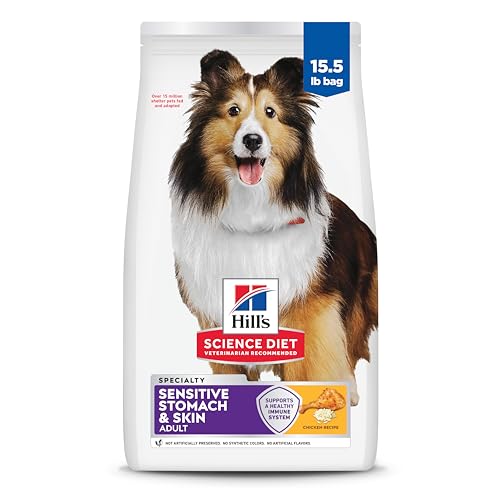
Best Dog Food for Older Dogs with Sensitive Stomachs
Discover how to choose the right nutrition for your senior dog's delicate digestive system — gentle proteins, easy-to-digest carbs, and gut-supporting ingredients that keep older dogs comfortable and healthy.
As dogs age, their digestive systems become less efficient. The same food that worked perfectly at age three may cause gas, loose stools, vomiting, or loss of appetite at age nine. If your older dog has a sensitive stomach, finding the right food can feel overwhelming — especially with hundreds of options on the market, each claiming to be the best.
This guide cuts through the marketing noise. You will learn exactly what to look for in a senior dog food for sensitive stomachs, which ingredients help and which harm, and how to transition your dog safely. By the end, you will have the confidence to choose a food that keeps your older dog comfortable, nourished, and happy.
Why Senior Dogs Develop Sensitive Stomachs
Aging affects every system in your dog's body, including the gastrointestinal tract. Understanding these changes helps you choose food that works with your dog's changing physiology rather than against it.
- Reduced digestive enzyme production: Older dogs produce fewer enzymes needed to break down fats, proteins, and carbohydrates. This means even normal food can be harder to process, leading to undigested nutrients that cause gas and loose stools.
- Thinner stomach lining: The protective mucosal lining of the stomach and intestines thins with age, making it more vulnerable to irritation from spicy, fatty, or highly processed foods.
- Slower gut motility: Food moves through the digestive tract more slowly, which can cause constipation or bloating. Conversely, some dogs develop faster transit times, leading to diarrhea.
- Changes in gut bacteria: The balance of beneficial bacteria in the gut shifts with age, reducing the ability to ferment fiber and absorb nutrients efficiently.
- Underlying health conditions: Many senior dogs develop conditions like colitis, inflammatory bowel disease, kidney disease, or diabetes — all of which affect digestion and require specific dietary management.
- Dental problems: Missing or painful teeth make it harder to chew kibble properly, leading to swallowed chunks that are harder to digest. Soft or moistened food can help.
Important: If your older dog suddenly develops digestive issues, it is not always just "aging." Conditions like food allergies, pancreatitis, or intestinal parasites can appear at any age. Always consult your veterinarian to rule out treatable medical causes before assuming it is simply age-related sensitivity.
Key Nutrients for Older Dogs with Sensitive Stomachs
Senior dog food for sensitive stomachs must balance two sets of needs: the nutritional requirements of aging and the gentle digestion required for a delicate gut. Here are the nutrients that matter most.
Protein
Older dogs need high-quality, easily digestible protein to maintain muscle mass, which naturally declines with age. However, the protein must be gentle on the stomach. Avoid heavily processed or rendered meats. Instead, look for named, single-source proteins like chicken, turkey, salmon, or lamb. Some dogs with sensitive stomachs do better on novel proteins like venison, duck, or whitefish if they have developed sensitivities to common ingredients.
Fat
Fat provides energy and makes food palatable, but too much fat can trigger pancreatitis and diarrhea in sensitive dogs. Senior formulas typically have moderate fat levels — enough for energy but not so much that they overwhelm the digestive system. Omega-3 fatty acids from fish oil are particularly beneficial because they reduce inflammation in the gut and support overall joint and skin health.
Fiber
Fiber is a double-edged sword. Moderate amounts of soluble fiber (like pumpkin, psyllium, or beet pulp) can firm up loose stools and feed beneficial gut bacteria. But too much insoluble fiber can worsen diarrhea and cause gas. The best senior sensitive-stomach formulas use a blend of fibers at moderate levels — typically 3-5% crude fiber.
Prebiotics and Probiotics
These are among the most important additions to any senior sensitive-stomach food. Prebiotics (like chicory root, FOS, or MOS) feed the good bacteria already in your dog's gut. Probiotics (like Lactobacillus or Enterococcus) add live beneficial bacteria directly. Together, they restore balance to the gut microbiome, improving digestion and reducing gas, diarrhea, and inflammation.
Water Content
Dehydration worsens digestive problems. Older dogs are often chronically mildly dehydrated because their thirst drive decreases with age. Wet food, or dry food mixed with warm water, increases moisture intake and makes food easier to digest. This is especially important for dogs with dental issues or kidney disease.
Joint and Cognitive Support
While not directly related to digestion, senior dogs benefit from added glucosamine, chondroitin, and antioxidants like vitamin E and beta-carotene. Some senior formulas also include MCTs (medium-chain triglycerides) for cognitive support. These ingredients should not interfere with digestion when included at appropriate levels.
Types of Food for Older Dogs with Sensitive Stomachs
Not all sensitive-stomach foods are the same. The format — dry, wet, fresh, or raw — affects digestibility, palatability, and convenience. Here is how each option compares for senior dogs with delicate digestion.
Dry Kibble for Sensitive Stomachs
Specially formulated senior kibble with easily digestible proteins, prebiotics, and moderate fiber. Often includes omega-3s for gut health. Convenient, cost-effective, and easy to measure. Look for small kibble sizes for older dogs with dental issues. Can be moistened with warm water to improve digestion.
Mid-range to PremiumWet/Canned Food for Seniors
Higher moisture content supports hydration and is easier to chew and digest. Often more palatable for picky eaters or dogs with reduced appetite. Pâté textures are gentlest on sensitive stomachs. Can be mixed with kibble for a balanced meal. Requires refrigeration after opening.
Mid-range to PremiumFresh/Refrigerated Food
Human-grade, gently cooked ingredients with no preservatives. Excellent for dogs with severe sensitivities because you can see exactly what is in the food. Often includes limited ingredients and novel proteins. Most expensive option and requires refrigeration or freezing.
Premium to LuxuryLimited Ingredient Diets (LID)
Formulas with a single protein source and a single carbohydrate source. Ideal for dogs with suspected food allergies or intolerances. Avoids common triggers like chicken, beef, wheat, corn, and dairy. Available in both dry and wet formats. Often requires veterinary recommendation.
Mid-range to PremiumPrescription/Gastrointestinal Diets
Veterinarian-prescribed formulas designed for specific conditions like colitis, IBD, or pancreatitis. Highly digestible, often hypoallergenic, and nutritionally complete. Requires a prescription. Best for dogs with diagnosed medical conditions rather than general sensitivity.
Premium to LuxuryHome-Cooked Diets
You control every ingredient, which is ideal for severe sensitivities. However, it is extremely difficult to make nutritionally complete without a veterinary nutritionist's guidance. Risk of nutrient deficiencies if done incorrectly. Time-intensive and requires careful planning.
Premium to LuxuryIngredients to Look For & Avoid
The ingredient list is your most important tool when choosing a food for your older dog's sensitive stomach. Here is what to prioritize and what to avoid.
Ingredients to Look For
- Named protein sources: "Chicken," "turkey," "salmon," or "lamb" as the first ingredient. Avoid generic "meat meal" or "poultry by-product."
- Novel proteins: Venison, duck, whitefish, or rabbit if your dog has developed sensitivities to common proteins.
- Easily digestible carbs: Rice, oatmeal, barley, sweet potato, or pumpkin. These are gentler than corn, wheat, or soy.
- Prebiotics: Chicory root, FOS (fructooligosaccharides), MOS (mannanoligosaccharides), or beet pulp.
- Probiotics: Lactobacillus, Bifidobacterium, or Enterococcus faecium.
- Omega-3 fatty acids: Fish oil, salmon oil, or flaxseed for anti-inflammatory support.
- Antioxidants: Vitamin E, vitamin C, beta-carotene, or blueberries for immune support.
- Glucosamine and chondroitin: For joint support, which is important for aging dogs.
Ingredients to Avoid
- Artificial preservatives: BHA, BHT, ethoxyquin, and propyl gallate can trigger sensitivities.
- Artificial colors and flavors: Unnecessary and potentially irritating to a sensitive gut.
- High-fat content: Can trigger pancreatitis and worsen diarrhea.
- Excessive fiber: More than 5-6% crude fiber can cause gas and loose stools.
- Common allergens: Beef, dairy, wheat, corn, and soy are frequent triggers for sensitive dogs.
- By-products: Lower-quality and harder to digest than named meats.
- Added sugars or sweeteners: Including corn syrup, sucrose, or xylitol (which is toxic).
- High sodium: Can worsen heart and kidney conditions common in seniors.
Label Reading Tip: Ingredients are listed by weight. The first three to five ingredients make up the majority of the food. If the first ingredient is a named protein and the next few are easily digestible carbs and healthy fats, you are on the right track. If the list is full of artificial additives and unnamed by-products, keep looking.
Comparison of Diet Options for Senior Dogs with Sensitive Stomachs
The table below compares the main diet options based on factors that matter most for older dogs with delicate digestion.
| Diet Type | Digestibility | Palatability | Convenience | Allergen Control | Best For |
|---|---|---|---|---|---|
| Sensitive Stomach Kibble | Moderate to High | Moderate | High | Moderate | Most seniors with mild sensitivity |
| Wet/Canned Senior Food | High | High | Moderate | Moderate | Dogs with dental issues or low appetite |
| Limited Ingredient Diet | High | Moderate | Moderate | High | Dogs with suspected food allergies |
| Prescription GI Diet | Very High | Moderate to High | Moderate | Very High | Diagnosed colitis, IBD, or pancreatitis |
| Fresh/Refrigerated | Very High | Very High | Low | High | Severe sensitivities or picky eaters |
| Home-Cooked | Variable | High | Low | Very High | Only with veterinary nutritionist guidance |
How to Transition Your Older Dog to a New Food
Switching foods too quickly is one of the most common causes of digestive upset in senior dogs. Even if the new food is better for them long-term, their gut needs time to adjust. Follow this gradual transition plan over 7-10 days.
- Days 1-3: Mix 25% new food with 75% old food. Watch for any changes in stool consistency, gas, or appetite.
- Days 4-6: Increase to 50% new food and 50% old food. If you notice loose stools or vomiting, slow down and stay at the previous ratio for a few more days.
- Days 7-9: Move to 75% new food and 25% old food. By this point, most dogs should be adjusting well.
- Day 10+: Transition to 100% new food. If any digestive upset occurs during the transition, return to the previous ratio and consult your vet if symptoms persist.
Pro Tip: Warm the new food slightly (not hot) to enhance aroma and palatability, especially if your senior dog has a reduced sense of smell. Adding a small amount of bone broth or warm water can also help. If your dog is a picky eater, you may need to try a food topper to encourage them to eat during the transition.
When to See Your Veterinarian
While food sensitivities are common in older dogs, some symptoms require immediate veterinary attention. Do not assume that every digestive problem is simply a food issue.
- Bloody diarrhea: Can indicate serious conditions like hemorrhagic gastroenteritis, parvovirus (in unvaccinated dogs), or intestinal parasites. See our guide on what to do when your dog has bloody diarrhea.
- Persistent vomiting: More than once or twice in a day, or vomiting that continues for more than 24 hours, requires veterinary attention. It can lead to dehydration and electrolyte imbalances.
- Loss of appetite for more than 24 hours: Especially concerning in older dogs, as it can quickly lead to weakness and organ problems.
- Signs of pain: Whining, pacing, panting, or a distended abdomen may indicate a serious condition like bloat or pancreatitis.
- Weight loss despite eating: Can indicate malabsorption, cancer, or organ disease. Requires immediate veterinary investigation.
- Lethargy combined with digestive symptoms: A dog who is both vomiting/diarrhea and unusually tired needs urgent care.
Note: If your dog has been diagnosed with a specific condition like kidney disease, heart disease, or diabetes, their dietary needs may be different from a general sensitive-stomach formula. Always follow your veterinarian's specific recommendations for these conditions. See our guides on wet food for senior dogs with kidney problems and canned food for senior dogs with heart conditions.
Frequently Asked Questions
Putting It All Together
Choosing the right food for your older dog with a sensitive stomach comes down to understanding their unique needs: easily digestible proteins, moderate fat, gut-supporting prebiotics and probiotics, and gentle carbohydrates. Transition slowly, monitor their response, and don't hesitate to consult your veterinarian. With the right nutrition, your senior dog can enjoy comfortable digestion and vibrant health well into their golden years.