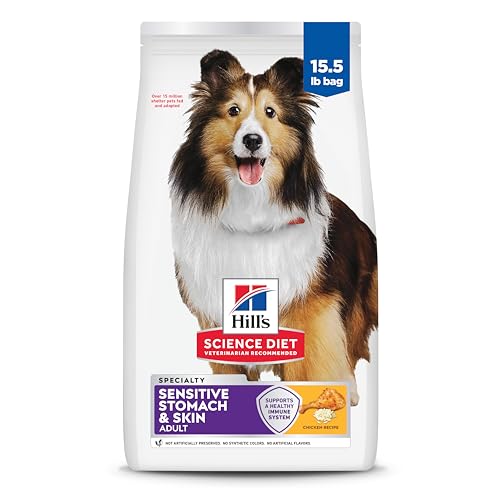
Dog Food for Weight Gain & Sensitive Stomach
Help your underweight dog gain weight safely without triggering digestive upset. A complete guide to choosing the right nutrition for dogs with sensitive stomachs.
Helping an underweight dog gain weight is challenging enough. Add a sensitive stomach into the mix, and you have a delicate balancing act. You need food that packs enough calories to promote weight gain, but gentle enough to not trigger vomiting, diarrhea, or stomach upset.
Whether your dog has always been a picky eater, recently lost weight due to illness, or has a naturally thin build, the right nutrition makes all the difference. This guide walks you through exactly how to choose the best food for weight gain and sensitive stomach issues, so your dog can reach a healthy weight without digestive distress.
If your dog has a sensitive stomach, understanding the root cause is essential. Our guide on dog food for sensitive stomach covers the fundamentals of digestive health and how to identify trigger ingredients.
Why Is Your Dog Underweight?
Before changing your dog's diet, it's important to understand why they are underweight. Weight loss or difficulty gaining weight can stem from several causes, and identifying the root issue ensures you address it correctly.
Common Causes of Being Underweight
- Inadequate calorie intake: Your dog simply isn't eating enough food, either due to pickiness, stress, or being fed the wrong type of food for their metabolism.
- High metabolism: Some dogs, especially certain breeds and young dogs, burn calories faster than others. They need more calorie-dense food to maintain weight.
- Parasites: Intestinal worms, giardia, and other parasites steal nutrients from your dog's body. Regular deworming is essential, and you can learn about options in our dog dewormer guide.
- Food allergies or intolerances: When a dog's body rejects certain ingredients, it can't absorb nutrients properly. This often manifests as sensitive stomach symptoms. See our guide on dog food allergies and sensitive stomachs.
- Underlying medical conditions: Diabetes, kidney disease, cancer, inflammatory bowel disease (IBD), and thyroid issues can all cause weight loss. These require veterinary diagnosis and treatment. Learn about diabetes in dogs and other serious conditions.
- Stress or anxiety: Stress can suppress appetite and interfere with digestion. Dogs with anxiety may benefit from calming products, which you can explore in our dog calming products guide.
- Dental problems: Painful teeth or gums make eating difficult. If your dog has bad teeth, they may need soft food options like those in our guide on soft dry dog food for dogs with bad teeth.
Important: Always rule out medical causes with your veterinarian before assuming your dog just needs more food. Sudden weight loss or difficulty gaining weight despite a good appetite warrants a vet visit.
Understanding Sensitive Stomachs
A sensitive stomach isn't a single condition — it's a collection of symptoms that indicate your dog's digestive system is easily irritated. Understanding what triggers your dog's sensitivity helps you choose food that supports weight gain without causing flare-ups.
Signs Your Dog Has a Sensitive Stomach
- Frequent vomiting or regurgitation after meals
- Chronic diarrhea or loose stools
- Excessive gas or bloating
- Audible stomach gurgling
- Reluctance to eat or sudden food refusal
- Eating grass frequently
- Weight loss despite adequate feeding
- Dull coat or flaky skin (often linked to poor nutrient absorption)
If your dog experiences these symptoms, they may have food allergies or a sensitive skin and stomach condition that requires a specialized diet.
Common Triggers for Sensitive Stomachs
- High-fat foods: While fat is calorie-dense and helpful for weight gain, too much fat can trigger pancreatitis or digestive upset in sensitive dogs. The key is moderate, high-quality fat.
- Artificial ingredients: Colors, flavors, and preservatives like BHA, BHT, and ethoxyquin are common culprits for digestive issues.
- Common allergens: Beef, chicken, wheat, corn, soy, and dairy are the most frequent allergens in dogs. A limited ingredient diet can help identify triggers.
- High-fiber fillers: While some fiber is healthy, excessive amounts from corn, wheat, and soy can cause gas and loose stools.
- Sudden diet changes: Switching foods too quickly disrupts the gut microbiome, causing digestive upset.
Nutritional Needs for Weight Gain
Dogs need more calories to gain weight than to maintain it. But for dogs with sensitive stomachs, those extra calories must come from highly digestible sources that won't irritate the gut. Here's what to look for.
Key Nutritional Components
- High-quality protein: Protein builds muscle mass. Look for named animal proteins like chicken, turkey, salmon, lamb, or venison. Protein should be the first ingredient. For dogs with allergies, novel proteins like duck or kangaroo work well. See our guide on dog food for allergies.
- Moderate, healthy fats: Fat provides concentrated calories — more than twice as many per gram as protein or carbohydrates. Salmon oil, chicken fat, and flaxseed are excellent sources. Omega-3 fatty acids also reduce inflammation in the digestive tract. Learn more about foods for sensitive skin.
- Highly digestible carbohydrates: Easy-to-digest carbs like rice, oatmeal, sweet potato, and pumpkin provide energy without stressing the digestive system. Avoid corn, wheat, and soy if your dog is sensitive.
- Probiotics and prebiotics: These support a healthy gut microbiome, improving nutrient absorption and reducing digestive upset. Many sensitive stomach formulas include them.
- Omega fatty acids: DHA and EPA from fish oil reduce gut inflammation and support overall health. They also promote a healthy coat and skin.
- Vitamins and minerals: Zinc, vitamin E, and B vitamins support metabolism and immune function. A complete and balanced diet meeting AAFCO standards ensures your dog gets everything they need.
Calorie Density Tip: Look for foods with a calorie content of at least 400-500 kcal per cup (or 3.5-4 kcal per gram). This allows you to feed more calories without overfilling your dog's stomach, which is especially important for dogs with sensitive digestion.
Best Food Types for Weight Gain & Sensitive Stomach
Not all dog foods are created equal when it comes to weight gain and digestive sensitivity. Here are the best options ranked by suitability.
Limited Ingredient Diets (LID)
These formulas contain a single protein source and a single carbohydrate source, minimizing the risk of triggering allergies or sensitivities. Ideal for dogs with known food triggers. Look for novel proteins like salmon, venison, or duck. Highly recommended for dogs with food allergies.
Mid-range to PremiumHydrolyzed Protein Diets
Proteins are broken down into tiny fragments too small to trigger an immune response. Often prescribed by vets for severe allergies or IBD. Highly digestible and excellent for sensitive stomachs. May require a veterinary prescription.
PremiumHigh-Calorie Performance Formulas
Designed for active working dogs, these foods pack more calories per cup without excessive volume. Ideal for underweight dogs who can't eat large meals. Choose sensitive-stomach versions if your dog is prone to digestive upset.
Mid-range to PremiumWet Food for Weight Gain
Wet food is highly palatable and often easier to digest. It adds moisture, which helps with hydration. Mixing wet food with dry increases calorie intake and encourages picky eaters. See our guide on wet food for senior dogs to gain weight.
Mid-range to PremiumFresh/Home-Cooked Diets
Human-grade ingredients with no preservatives. Excellent for dogs with severe sensitivities because you control every ingredient. Requires veterinary nutritionist guidance to ensure balance. Time-intensive but highly effective.
Premium to LuxuryPrescription Digestive Care Diets
Veterinarian-formulated for dogs with chronic digestive issues like IBD, colitis, or pancreatitis. Often include prebiotics, probiotics, and highly digestible ingredients. May be necessary for dogs with severe conditions. Learn about colitis symptoms and treatment.
PremiumFeeding Strategies That Work
How you feed your dog is just as important as what you feed. For dogs with sensitive stomachs, the wrong feeding strategy can undo the benefits of even the best food.
- Feed small, frequent meals: Instead of two large meals, feed 3-4 smaller meals throughout the day. This reduces the burden on the digestive system and improves nutrient absorption. For puppies, this is especially important. See our guide on dog feeding schedules.
- Warm the food slightly: Warming food to room temperature or slightly above enhances aroma and palatability, encouraging picky eaters to eat more. It also makes digestion easier.
- Add moisture: Mixing in warm water, low-sodium broth, or wet food makes dry kibble easier to chew and digest. It also increases water intake, which supports overall health.
- Use slow feeders if needed: If your dog eats too fast and vomits, a slow feeder bowl can help. But if your dog is underweight and needs to eat more, don't make eating harder — use a regular bowl.
- Establish a routine: Feed at the same times every day. Dogs thrive on predictability, and a consistent routine reduces stress, which can improve appetite and digestion.
- Monitor body condition: Weigh your dog weekly and assess their body condition score. You should be able to feel but not see their ribs, and they should have a visible waist. Adjust portions accordingly.
Toppers & Supplements for Weight Gain
Adding calorie-dense, gentle toppers to your dog's regular food is one of the easiest ways to increase their calorie intake without causing digestive upset. These additions also make meals more appealing for picky eaters.
Healthy Toppers to Add
- Salmon oil or fish oil: Rich in omega-3 fatty acids, which reduce inflammation and support a healthy coat. Also adds calories. Start with a small amount to avoid loose stools.
- Plain pumpkin puree: Excellent for digestive health. Adds fiber and moisture. Use plain, unsweetened pumpkin, not pumpkin pie filling. Learn more about dog food toppers.
- Plain Greek yogurt or kefir: Provides probiotics for gut health. Only if your dog tolerates dairy. Start with a teaspoon.
- Cooked eggs: Scrambled or hard-boiled eggs are highly digestible and packed with protein. A great addition for underweight dogs.
- Lean cooked meats: Plain, unseasoned boiled chicken, turkey, or lean beef. Shred and mix into regular food. Avoid bones and seasoning.
- Coconut oil: A concentrated source of calories and healthy fats. Start with 1/4 teaspoon for small dogs, 1 teaspoon for large dogs. Too much can cause diarrhea.
- Peanut butter: A calorie-dense treat, but choose natural peanut butter without xylitol (which is toxic to dogs). Use sparingly due to fat content.
Supplements That Support Weight Gain & Digestion
- Probiotics: Support a healthy gut microbiome, improving digestion and nutrient absorption. Especially helpful for dogs with sensitive stomachs.
- Digestive enzymes: Help break down food more efficiently, allowing your dog to absorb more nutrients.
- Vitamin B12: Essential for dogs with digestive issues, as absorption of this vitamin is often impaired.
- Fish oil capsules: A convenient way to add omega-3s. Check with your vet for the right dosage. Learn about dog vitamins.
- High-calorie gels or pastes: Concentrated calorie sources for dogs who won't eat enough. Useful during recovery from illness.
Pro Tip: Introduce any new topper or supplement one at a time, waiting 3-5 days between additions. This allows you to identify if any particular item causes digestive upset. Keep a food diary to track what works and what doesn't.
Transitioning to a New Food Safely
For dogs with sensitive stomachs, a sudden food change is a recipe for disaster. The transition must be gradual — over 7-10 days at minimum. Here's the proper schedule:
- Days 1-2: 75% old food, 25% new food
- Days 3-4: 50% old food, 50% new food
- Days 5-6: 25% old food, 75% new food
- Days 7-8: 100% new food
If your dog shows signs of digestive upset during the transition — loose stools, vomiting, gas — slow down the process. Stay at the current ratio for a few extra days before increasing the new food.
For dogs with severe sensitivities, a 14-day transition may be necessary. Patience is key. Rushing the transition can set your weight gain efforts back by weeks.
When to See Your Veterinarian
While dietary changes can help many underweight dogs with sensitive stomachs, some situations require professional veterinary intervention. Do not hesitate to seek help if:
- Your dog has lost weight rapidly without explanation
- Your dog refuses to eat for more than 24 hours
- Your dog has persistent vomiting or diarrhea lasting more than 48 hours
- You see blood in your dog's stool or vomit
- Your dog shows signs of pain, lethargy, or depression
- Your dog has a known medical condition like diabetes, heart disease, or hip dysplasia
- Your dog has been diagnosed with colitis or inflammatory bowel disease. See our guide on colitis symptoms and treatment.
- Home dietary changes haven't produced results after 4-6 weeks
Your veterinarian can perform blood work, fecal tests, and imaging to rule out underlying conditions. They can also recommend prescription diets tailored to your dog's specific needs.
Common Mistakes to Avoid
These mistakes are common among well-meaning owners trying to help their underweight dogs gain weight. Avoiding them can save you weeks of frustration and your dog from unnecessary discomfort.
- Free-feeding: Leaving food out all day doesn't work for most dogs. It makes it harder to monitor how much they're actually eating and can lead to food aversion if the food sits out too long. Scheduled meals are better.
- Switching foods too quickly: This is the number one cause of digestive upset in dogs. Always transition gradually over 7-10 days.
- Overfeeding: Trying to force weight gain by doubling portions causes vomiting, diarrhea, and can lead to bloat — a life-threatening condition. Increase portions gradually by 10% per week.
- Adding too much fat at once: While fat is calorie-dense, a sudden increase can trigger pancreatitis. Introduce healthy fats slowly and in moderation.
- Giving human table scraps: Many human foods are toxic to dogs, and even safe ones can cause digestive upset. Stick to dog-specific toppers.
- Ignoring dental health: If your dog has painful teeth, they won't eat enough regardless of what you offer. Address dental issues with your vet and consider soft food options.
- Not addressing stress: A stressed dog won't gain weight. If your dog is anxious, consider calming products and consult a behaviorist. Learn about behavior modification techniques.
- Expecting overnight results: Weight gain takes time. Expect 1-2% body weight gain per week. Consistency is key.
Frequently Asked Questions
Key Takeaways
Helping an underweight dog with a sensitive stomach gain weight is a gradual process that requires patience and the right nutrition. Choose a high-calorie, highly digestible food with limited ingredients and named protein sources. Feed small, frequent meals, transition slowly, and add gentle toppers for extra calories. Always rule out medical causes with your vet before making major dietary changes. With consistency and care, your dog can reach a healthy weight while keeping their digestive system calm and comfortable.