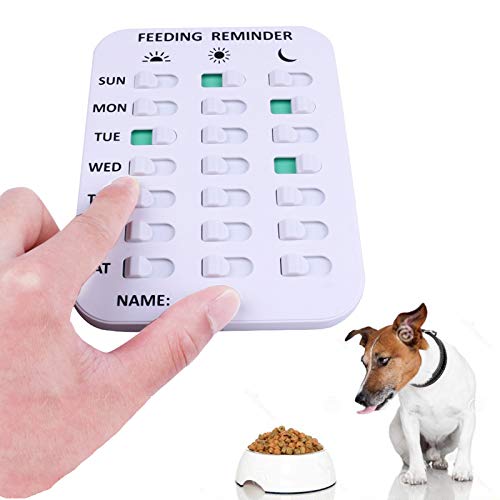
The Complete Dog Feeding Schedule Guide
Stop guessing and start feeding with confidence. Learn the ideal meal times, portion sizes, and feeding schedules for puppies, adult dogs, and seniors.
Establishing a consistent feeding schedule is one of the most important things you can do for your dog's health and well-being. A regular routine helps regulate your dog's digestion, supports house training, and gives you early warning signs of illness. Whether you're bringing home a new puppy or adjusting your senior dog's diet, this guide covers everything you need to know.
Why a Feeding Schedule Matters
A consistent schedule isn't just about convenience—it directly impacts your dog's physical and mental health. Here's why structure matters:
- Digestive Health: Dogs' digestive systems thrive on routine. Consistent meal times help regulate stomach acid production and prevent issues like acid reflux or stomach upset. Unpredictable feeding can lead to digestive problems.
- House Training: Scheduled meals lead to predictable bathroom breaks. This is especially crucial for puppies, as it makes potty training significantly easier and faster.
- Appetite Monitoring: When your dog eats on a schedule, you'll immediately notice if they skip a meal—an early sign of illness that might otherwise go unnoticed for days with free-feeding.
- Weight Management: Portion control is much easier with scheduled meals. It prevents overeating and allows you to accurately measure daily caloric intake, helping maintain an ideal body weight.
- Bloat Prevention: For deep-chested breeds like Great Danes and German Shepherds, feeding two smaller meals instead of one large one can reduce the risk of gastric dilatation-volvulus (GDV), a life-threatening condition. Learn more about preventing bloat.
Feeding Schedule by Life Stage
Your dog's nutritional needs and digestive capacity change dramatically throughout their life. The ideal schedule for a growing puppy looks very different from that of a senior dog.
🐾 Puppy (8 weeks – 6 months)
- 7:00 AMBreakfast
- 11:00 AMLunch (or snack)
- 3:00 PMAfternoon meal
- 6:30 PMDinner
Puppies need 3–4 meals daily to maintain blood sugar and support rapid growth. Small breeds may need more frequent feeding.
🐕 Adult (6 months – 7 years)
- 7:30 AMMorning meal
- 6:30 PMEvening meal
Most adult dogs do well with two meals a day, spaced about 12 hours apart. This is the standard recommendation for optimal digestion.
🦴 Senior (7+ years)
- 8:00 AMBreakfast
- 6:00 PMDinner
Seniors may benefit from two smaller meals to ease digestion. Monitor for changes in appetite—a common sign of aging or health issues.
🏋️ Active/Working Dogs
- 6:00 AMPre-workout meal
- 12:00 PMMidday meal
- 6:00 PMEvening meal
High-energy dogs may need 3 meals or larger portions to fuel their activity. Adjust based on energy expenditure and body condition.
Portion Control & Caloric Needs
Feeding the right amount is just as important as feeding at the right time. Overfeeding is the most common nutritional mistake, leading to obesity and associated health problems. Use these guidelines as a starting point.
| Dog Size | Daily Calories (approx) | Dry Food (cups/day) | Wet Food (cans/day) |
|---|---|---|---|
| Small (5–10 lbs) | 200–300 kcal | ½ – ¾ cup | ½ – 1 can |
| Medium (20–40 lbs) | 500–800 kcal | 1½ – 2 cups | 1½ – 2 cans |
| Large (50–80 lbs) | 900–1400 kcal | 2½ – 4 cups | 2½ – 3 cans |
| Giant (90+ lbs) | 1500–2200 kcal | 4 – 6 cups | 3 – 4 cans |
* These are general estimates. Always check the feeding guide on your dog's food and adjust based on activity level, age, and body condition. Consult your vet for a personalized plan.
How to Know If You're Feeding the Right Amount:
Use the body condition score (BCS) as your guide. You should be able to feel (but not see) your dog's ribs with light pressure. A visible waist should be apparent when viewed from above. If you can't feel the ribs, reduce portions. If the ribs are too prominent, increase portions. For a comprehensive guide, read our dog diet basics.
Best Times to Feed Your Dog
While the exact times depend on your schedule, consistency is the most critical factor. Here are some general guidelines to optimize digestion and routine:
- Morning (7:00 – 8:00 AM): This provides energy for the day and prevents an empty stomach, which can lead to acid buildup and nausea, especially for dogs with sensitive stomachs.
- Evening (6:00 – 7:30 PM): The second meal should be given at least 12 hours after the first. This schedule supports natural feeding rhythms and gives your dog a chance to digest before their final bathroom break.
- Avoid Late-Night Feeding: Feeding too close to bedtime can lead to overnight bathroom accidents and potential stomach upset. Allow at least 2–3 hours between the last meal and sleep.
- Consistency is Key: Try to feed within a 30-minute window each day. Dogs thrive on predictability, and a consistent schedule helps regulate their internal clock and digestive system.
Special Considerations
Some dogs have unique needs that require adjustments to the standard feeding schedule.
Dogs with Sensitive Stomachs
Dogs with digestive issues often benefit from smaller, more frequent meals. Instead of two large meals, consider splitting their daily intake into three or four smaller portions. This reduces the digestive load and can help manage conditions like acid reflux or colitis. For dogs with frequent digestive upset, consider a sensitive stomach formula.
Large & Giant Breeds
Deep-chested breeds are at higher risk for bloat (gastric dilation-volvulus). To minimize risk, feed two smaller meals instead of one large one. Avoid vigorous exercise immediately before and after meals—wait at least 1 hour before and after eating. Elevated bowls have been debated; some studies suggest they may increase bloat risk, so discuss this with your vet.
Dogs with Diabetes or Weight Issues
Dogs with diabetes require strict meal timing to coordinate with insulin injections. Typically, they need to eat the same amount at the same times every day. For overweight dogs, feeding 3 small meals a day can help boost metabolism and reduce begging. Check out our weight loss food guide for more targeted advice.
Common Feeding Mistakes
Even well-meaning owners make these errors. Avoid them to keep your dog healthy and happy.
- Free-Choice Feeding: Leaving food out all day (free-feeding) is a common but risky practice. It makes it impossible to monitor your dog's appetite, can lead to obesity, and increases the risk of bloat in deep-chested dogs.
- Ignoring Body Condition: Following the feeding guide on the bag without adjusting for your dog's individual needs. Bag recommendations are a starting point, not a prescription. Always adjust based on your dog's body condition.
- Inconsistent Treats: Forgetting to count treats and table scraps as part of your dog's daily calorie intake. Even small treats add up and can lead to significant weight gain over time. Limit treats to 10% of daily calories.
- Sudden Diet Changes: Switching foods abruptly can cause gastrointestinal upset. Always transition over 7–10 days by gradually mixing new food with old.
Pro Tip: Use a Slow Feeder Bowl
If your dog eats too quickly, they risk vomiting, choking, or developing bloat. A slow-feed bowl can add 2–3 minutes to meal time and significantly improve digestion. Pair with a raised bowl to ease neck strain for larger dogs (though elevated bowls are not recommended for bloat-prone breeds).
Feeding Schedules by Diet Type
The type of food you feed can influence the ideal schedule. Here's how to adapt.
- Dry Kibble: Twice-daily feeding is standard. Kibble can be left out for short periods (15–20 minutes) to allow grazing, but if your dog doesn't finish, pick it up to encourage scheduled eating.
- Wet Food: Wet food spoils more quickly. It's best to feed it fresh and remove any uneaten portion after 20–30 minutes. Wet food can be mixed with kibble to add variety.
- Raw Diet: Raw food must be handled with caution. Feed it fresh and discard any leftovers after 20 minutes to prevent bacterial growth. Many raw feeders split the daily portion into two meals.
- Homemade/Home-Cooked: Home-cooked diets spoil quickly. Treat them like wet food—feed fresh and don't leave out for more than 30 minutes. Portion control is critical with homemade diets.
Frequently Asked Questions
Start Today, Build a Routine
Your dog's feeding schedule is one of the most effective tools for maintaining their health. By establishing a consistent routine, you'll support their digestion, catch health issues early, and strengthen your bond through reliable care. Pair your schedule with a high-quality food, and your dog will thrive.