Canine Colitis: A Complete Guide
Understand the causes, symptoms, and treatment options for colitis in dogs. Learn how to manage this condition with the right diet and care to help your dog live comfortably.
Canine colitis is a common digestive condition that affects dogs of all ages and breeds. It refers to inflammation of the colon (large intestine) and can cause discomfort, frequent diarrhea, and other gastrointestinal issues. Whether your dog experiences occasional flare-ups or chronic symptoms, understanding this condition is the first step toward effective management.
This guide provides a comprehensive overview of canine colitis, from the underlying causes and symptoms to treatment options, dietary recommendations, and lifestyle adjustments. If you've noticed your dog straining to defecate, passing mucus-coated stool, or having frequent accidents in the house, you're in the right place.
What Is Canine Colitis?
Canine colitis is an inflammation of the colon, which is the final section of the digestive tract responsible for absorbing water and electrolytes from undigested food and storing feces. When the colon becomes inflamed, it cannot perform these functions properly, leading to frequent, often urgent bowel movements and loose, watery, or mucus-filled stool.
Colitis can be acute (sudden and short-lived) or chronic (persisting for weeks or months). While some cases resolve quickly with minimal intervention, others require ongoing management. Understanding the nature of your dog's colitis is crucial for choosing the right treatment plan.
Recognizing the Symptoms of Canine Colitis
Early detection of colitis can significantly improve treatment outcomes. The most common signs are related to bowel movements, but you may also notice changes in your dog's behavior and overall well-being.
Frequent Diarrhea
Passing small amounts of loose stool multiple times per day, often with mucus or fresh blood.
Straining & Urgency
Tenesmus — straining to defecate with little result, or sudden urgent need to go outside.
Flatulence & Bloating
Excessive gas, abdominal discomfort, and a gurgling stomach are common with colitis.
Lethargy & Loss of Appetite
Your dog may seem tired, less interested in food, or show signs of abdominal pain.
When to see a vet: If your dog has diarrhea for more than 24 hours, if you see fresh blood, or if your dog is vomiting, refuses water, or seems weak, seek veterinary care immediately. Puppies, senior dogs, and those with underlying health conditions are at higher risk of dehydration.
Common Causes and Risk Factors
Colitis can be triggered by a variety of factors, ranging from dietary indiscretion to underlying medical conditions. Identifying the root cause is essential for effective treatment and prevention.
- Dietary indiscretion: Eating garbage, rich or fatty foods, or sudden changes in diet can irritate the colon.
- Food allergies or intolerances: Some dogs are sensitive to specific proteins (e.g., chicken, beef) or grains.
- Infections: Bacterial (e.g., Salmonella, E. coli), viral (e.g., parvovirus), or parasitic (e.g., whipworms, Giardia) infections.
- Stress: Emotional stress from boarding, travel, or changes in routine can trigger colitis in sensitive dogs.
- Inflammatory bowel disease (IBD): A chronic condition where the immune system overreacts to intestinal contents.
- Medications: Some drugs, especially antibiotics or NSAIDs, can disrupt the gut microbiome.
- Other conditions: Hypothyroidism, pancreatitis, or cancer can also cause colitis symptoms.
How Vets Diagnose Canine Colitis
To accurately diagnose colitis, your veterinarian will take a detailed history and perform a physical examination. Depending on the severity and chronicity of the symptoms, further diagnostic tests may be recommended.
- Fecal examination: To rule out parasites and bacterial overgrowth.
- Blood tests: To check for underlying conditions like pancreatitis or thyroid issues.
- Abdominal imaging: X-rays or ultrasound to visualize the colon and detect any abnormalities.
- Colonoscopy: In chronic cases, a biopsy may be taken to distinguish IBD from other conditions.
Once a diagnosis is confirmed, your vet will recommend a tailored treatment plan. The approach often combines dietary changes, medication, and lifestyle adjustments.
Effective Treatment Options for Canine Colitis
Treatment depends on the underlying cause and the severity of symptoms. For many dogs, a combination of dietary management and medication provides relief.
Dietary Management
- Novel protein diet: Switching to a protein source your dog hasn't eaten before (e.g., duck, venison, or kangaroo) can help identify food triggers.
- Hydrolyzed protein diet: These diets break proteins into small pieces that the immune system is less likely to react to.
- High-fiber diet: For some dogs, increasing soluble fiber (like psyllium or pumpkin) helps regulate bowel movements.
- Low-fat diet: Helps reduce inflammation and is especially important if pancreatitis is suspected.
Medical & Supportive Care
- Probiotics: Supplementing with beneficial bacteria can restore a healthy gut microbiome.
- Anti-inflammatory drugs: In moderate to severe cases, your vet may prescribe metronidazole, sulfasalazine, or corticosteroids.
- Antidiarrheal medications: To provide symptomatic relief during acute episodes.
- Stress reduction: Behavioral modifications, calming aids, and maintaining a consistent routine help minimize stress-induced flare-ups.
Important: Never give human medications (such as Imodium or Pepto-Bismol) to your dog without veterinary guidance, as they can be toxic or worsen certain conditions.
Diet and Nutrition for Dogs with Colitis
Nutrition plays a central role in managing colitis. The right diet can reduce inflammation, soothe the digestive tract, and promote healing. Here's what you need to know about feeding a dog with colitis:
Choosing the Right Food
- Consult your vet: Always work with your veterinarian to select a diet that meets your dog's specific needs.
- Limited ingredient diets: These formulas contain a single protein source and a limited number of carbohydrates, making it easier to identify food sensitivities.
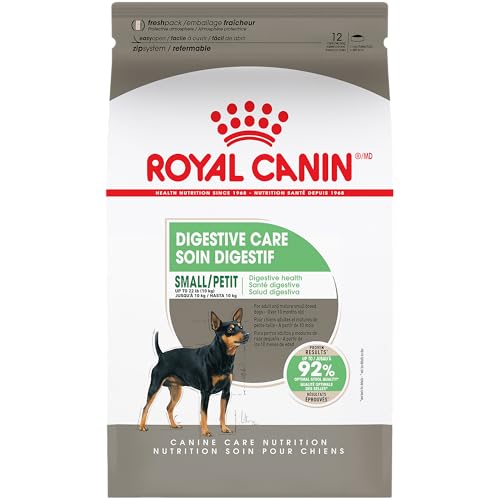
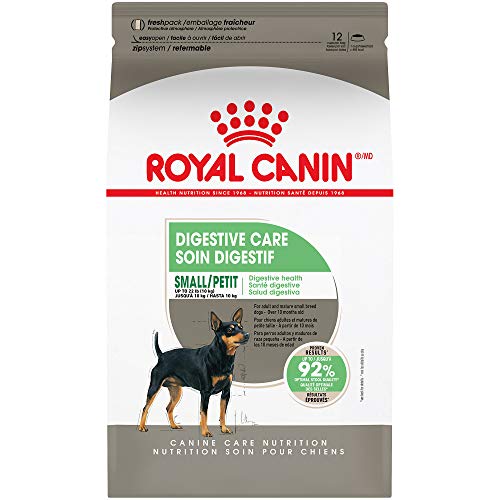
- Gastrointestinal prescription diets: Brands like Hill's i/d, Royal Canin Gastrointestinal, or Purina EN are formulated for digestive health and are highly digestible.
- Home-cooked meals: If you prefer to cook for your dog, work with a veterinary nutritionist to ensure the diet is balanced and complete.
Feeding Tips
- Feed smaller, more frequent meals to reduce the workload on the colon.
- Introduce new foods gradually over 7–10 days to avoid upsetting the digestive system.
- Consider using puzzle feeders or slow-feed bowls to prevent gulping, which can cause bloating.
- Always provide fresh, clean water to prevent dehydration, especially during diarrhea episodes.
For more specific dietary advice, read our in-depth guides on best dog food for sensitive stomachs and dog food allergies.
Managing Canine Colitis at Home
In addition to veterinary treatment, there are several steps you can take at home to support your dog's recovery and minimize flare-ups:
- Keep a symptom diary: Track what your dog eats, their bowel movements, and any behavioral changes. This can help identify patterns and triggers.
- Reduce stress: Maintain a consistent daily routine. Use calming aids like pheromone diffusers or anxiety wraps if your dog is prone to stress.
- Provide gentle exercise: Light walks can help regulate digestion, but avoid strenuous activity during acute episodes.
- Monitor water intake: Ensure your dog stays hydrated, especially if diarrhea is present. Electrolyte solutions may be recommended by your vet.
- Administer medications as prescribed: Follow your vet's instructions precisely, and never stop treatment without consulting them.
Proactive care is key: By understanding your dog's unique triggers and responding early to changes, you can reduce the frequency and severity of colitis flare-ups, improving your dog's quality of life significantly.
Frequently Asked Questions
Take control of your dog's digestive health. Canine colitis can be stressful, but with the right knowledge and support, you can manage it effectively. Start by observing your dog's symptoms, consulting your vet, and choosing a diet that promotes gut health.
If you're looking for high-quality digestive supplements, gastrointestinal support foods, or other products to help your dog, explore our recommended options below.