Best Dog Food to Help My Dog Lose Weight
Vet-approved guide to choosing the right weight management dog food. Learn which ingredients matter, how to read labels, and what to expect during your dog's weight loss journey.
Carrying extra pounds is one of the most common health problems facing dogs today. Studies show that over 50% of pet dogs are overweight, and even a few extra pounds can significantly impact your dog's joint health, lifespan, and overall quality of life. The good news is that with the right food and a consistent plan, your dog can achieve a healthy weight.
This guide focuses specifically on the best dog food to help your dog lose weight — what to look for, what to avoid, and how to transition your dog to a weight management plan. If you're wondering how to choose the best dog food in general, that guide covers the basics. Here, we dive deep into calorie control, ingredient quality, and proven strategies for safe weight loss.
📌 Key Fact: A 10 lb overweight dog is equivalent to a human carrying 20-30 extra pounds. Even modest weight loss (5-10%) can dramatically improve mobility, reduce joint pain, and add years to your dog's life.
Why Specialized Weight Management Food Matters
Simply feeding your dog less of their regular food can lead to nutritional deficiencies. Weight management dog foods are specifically formulated to provide complete nutrition with fewer calories per cup, higher protein to maintain muscle mass, and increased fiber to help your dog feel full.
Key differences in weight management formulas:
- Lower calorie density: 250-350 kcal per cup vs. 350-450+ in regular adult foods
- Higher protein percentage: Helps preserve lean muscle during weight loss
- Increased fiber: Promotes satiety and digestive health
- Added L-carnitine: An amino acid that helps convert fat into energy
- Balanced omega fatty acids: Support skin and coat health during dieting
When selecting a weight loss food, always look for the AAFCO (Association of American Feed Control Officials) statement indicating it is formulated for weight management or all life stages. Avoid foods with vague ingredient names like "meat meal" or "animal fat" — choose named protein sources such as chicken, salmon, or turkey.
How to Choose the Best Dog Food for Weight Loss
Reading the Label Correctly
Pet food labels can be confusing, but a few key metrics will tell you everything you need to know:
- Guaranteed Analysis: Look for crude protein at least 25%, crude fat between 8-15%, and crude fiber at least 5% (on dry matter basis).
- First Ingredient: Should be a named animal protein (chicken, salmon, turkey, etc.) — not corn, wheat, or generic "meat."
- Calorie Content: Always listed as "kcal/cup" or "kcal/kg." For weight loss, choose foods under 350 kcal per cup.
- Metabolizable Energy (ME): The lower the ME, the fewer calories per gram. Look for ME below 3,500 kcal/kg.
Ingredients to Avoid
- Artificial preservatives: BHA, BHT, ethoxyquin
- By-products or generic fats: "Animal fat," "poultry by-product meal"
- High-glycemic fillers: Corn, wheat, soy (offer little nutrition)
- Added sugars or sweeteners: Unnecessary for dogs and add calories
- Excess salt: Can increase thirst without nutritional benefit
Comparison of Weight Management Dog Food Types
| Food Type | Avg. Calories/cup | Protein (%) | Fiber (%) | Best For |
|---|---|---|---|---|
| Dry Kibble (Weight Control) | 280–330 | 28–32 | 5–10 | Most dogs, convenient, cost-effective |
| Canned (Weight Control) | 250–300 | 30–35 | 4–8 | Dogs needing more moisture, picky eaters |
| Fresh/Refrigerated | 290–340 | 32–38 | 3–6 | Dogs with allergies, premium nutrition |
| High-Protein/Low-Carb | 300–350 | 35–40 | 4–8 | Active dogs needing muscle preservation |
* Values are approximate. Always check individual product labels for exact nutritional information.
How to Transition Your Dog to a Weight Loss Food
Switching foods abruptly can cause digestive upset. Follow this 7-day transition plan:
- Days 1-2: 75% old food + 25% new food
- Days 3-4: 50% old food + 50% new food
- Days 5-6: 25% old food + 75% new food
- Day 7: 100% new food
Monitor your dog's stool and energy levels during the transition. If you notice diarrhea or vomiting, slow the transition down (extend each phase by 1-2 days).
⭐ Pro Tip: Use a kitchen scale to measure your dog's food rather than a measuring cup. Cups can vary widely in accuracy, and even 10 extra calories per day adds up over time. Weighing ensures precision.
What to Expect: Realistic Weight Loss Timeline
Weight loss takes time and patience. A safe rate is 1-2% of body weight per week. For example:
- 50 lb dog: 0.5–1 lb per week
- 30 lb dog: 0.3–0.6 lb per week
- 80 lb dog: 0.8–1.6 lb per week
Most dogs will reach their target weight in 2-4 months. If your dog is not losing weight after 4 weeks, re-evaluate portion sizes, treat intake, and exercise levels. Weight loss is a combination of proper diet and consistent exercise.
Common Mistakes to Avoid
- Underestimating treats: Treats can add 100+ calories daily. Use low-calorie treats (< 5 kcal each) or use part of their meal kibble as treats.
- Free-feeding: Leaving food out all day makes calorie counting impossible. Switch to measured meals twice daily.
- Not adjusting portions as weight drops: As your dog loses weight, their calorie needs decrease. Recalculate portions every 5-10 lbs lost.
- Giving in to begging: Extra snacks undermine progress. Everyone in the household must stick to the plan.
- Expecting results too quickly: Healthy weight loss is gradual. Celebrate small milestones.
Beyond Food: Exercise & Lifestyle Support
Diet alone can work, but combining it with exercise yields faster, more sustainable results. Start with low-impact activities if your dog is very overweight:
- Short, frequent walks: Three 15-minute walks per day instead of one long walk
- Swimming: Excellent low-impact exercise for joint health
- Puzzle feeders: Slow down eating and provide mental stimulation (see best puzzle feeders)
- Indoor fetch or tug: Gentle play that doesn't overstress joints
Gradually increase exercise duration as your dog's fitness improves. Always consult your vet before starting a new exercise program for an overweight dog.
Frequently Asked Questions
🐾 Your Dog's Weight Loss Journey Starts Here
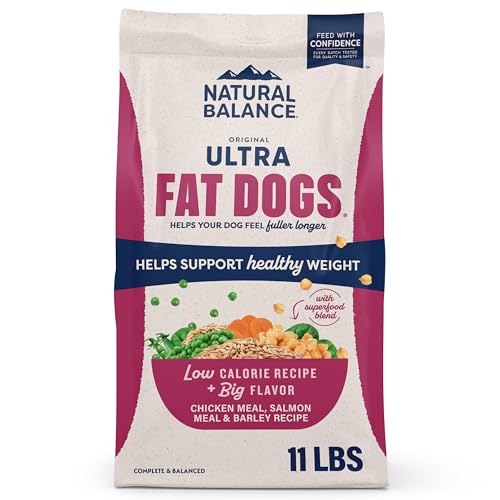
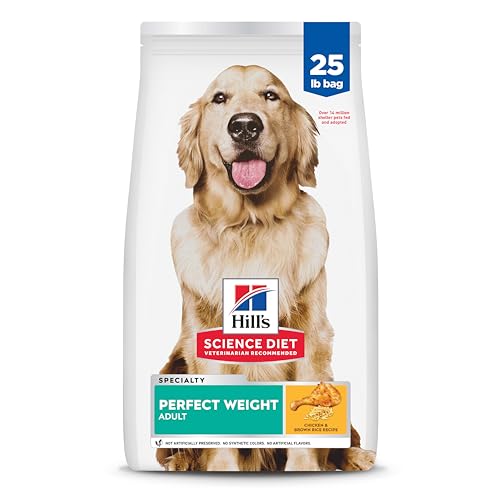
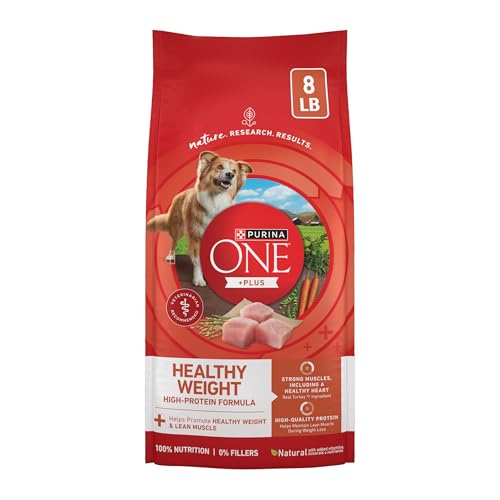
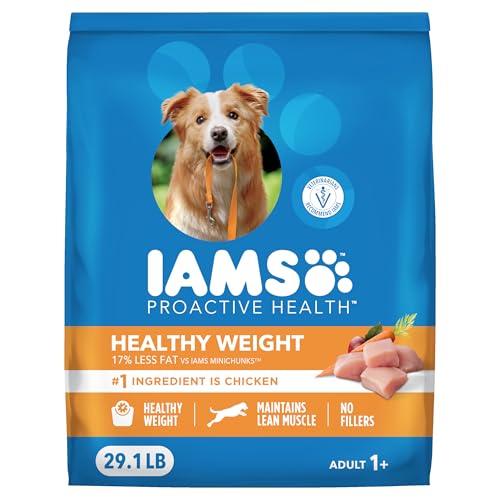
Choosing the best dry dog food to help your dog lose weight is a critical step, but it's only part of the picture. Combine it with regular exercise, portion control, and regular vet checkups. The products recommended below are hand-picked for their quality, palatability, and proven results in weight management. Every purchase helps support our independent reviews — thank you for trusting us with your dog's health.