Canine Bloat Prevention: A Life-Saving Guide
Learn how to protect your dog from this deadly condition with our comprehensive prevention guide. Discover the risk factors, essential dietary changes, and proactive steps to keep your dog safe.
Canine bloat, also known as Gastric Dilatation-Volvulus (GDV), is one of the most terrifying emergencies a dog owner can face. It strikes suddenly and can kill a dog within hours if left untreated. However, the good news is that with the right knowledge and preventative measures, you can significantly reduce your dog's risk. This guide is your complete resource on canine bloat prevention, designed to give you the tools and confidence to protect your best friend.
What is Canine Bloat (GDV)? It's a life-threatening condition where a dog's stomach fills with gas, food, or fluid and then twists on its axis. This twist cuts off the blood supply to the stomach and other vital organs, leading to rapid tissue death and shock. Without immediate veterinary surgery, GDV is fatal. This is why prevention is not just helpful—it's essential.
Understanding Bloat Risk Factors
Knowing your dog's risk profile is the first step in prevention. While any dog can theoretically develop bloat, certain factors make it much more likely. Understanding these factors helps you tailor your prevention strategy effectively.
Breed & Body Type
Deep-chested, large, and giant breeds are at the highest risk. This includes Great Danes, German Shepherds, Standard Poodles, Boxers, and Bloodhounds. Their deep, narrow chests allow more room for the stomach to twist.
Age & Genetics
Dogs over 7 years of age are at greater risk. Additionally, if a dog's first-degree relative (parent or sibling) has suffered from bloat, their risk increases significantly, suggesting a hereditary component.
Feeding & Exercise
Eating one large meal per day, eating rapidly, and drinking large amounts of water immediately after exercise are all major risk factors. The combination of a heavy stomach and physical activity is particularly dangerous.
Breed-Specific Risk and Prevention
For owners of high-risk breeds, proactive prevention is non-negotiable. This involves a combination of lifestyle management and, in many cases, a prophylactic surgical procedure known as a gastropexy. This procedure, often performed during spaying or neutering, tacks the stomach to the body wall, preventing it from twisting. While it does not stop the stomach from filling with gas, it prevents the life-threatening volvulus (twist). Many experts now recommend it for all at-risk breeds. Consult your veterinarian to discuss if this is the right choice for your dog.
Proactive Prevention Tip: If you own a high-risk breed, it's wise to discuss a prophylactic gastropexy with your vet. This is often combined with a spay/neuter procedure, making it a cost-effective and highly effective way to prevent a devastating emergency.
Dietary Strategies for Bloat Prevention
What and how you feed your dog plays a pivotal role in preventing bloat. Implementing these dietary changes can dramatically reduce the risk for all dogs, especially those in high-risk categories.
- Divide Daily Meals: Instead of one large meal, feed your dog two or three smaller meals per day. This prevents the stomach from becoming overly full and reduces the chance of it twisting.
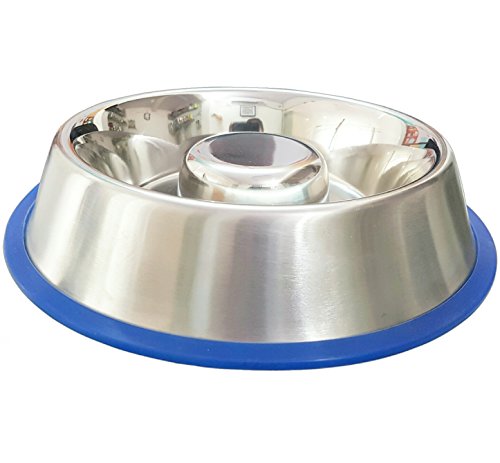
- Use a Slow Feeder Bowl: For dogs that inhale their food, a slow feeder bowl or puzzle feeder is essential. It forces them to eat more slowly, reducing the amount of air they swallow, which is a major contributor to gas buildup.
- Choose a High-Quality, Low-Gas Diet: Some ingredients are more likely to cause gas. While every dog is different, high-quality food with limited fillers is often easier to digest. Always transition to new foods gradually to avoid stomach upset.
- Control Water Intake After Meals: Limit your dog's water intake for at least 30-60 minutes after a meal. Encouraging them to drink a large amount of water right after eating can rapidly fill the stomach and increase the risk of bloat.
- Avoid Raised Bowls (in most cases): While previously recommended, recent studies suggest that raised food bowls may actually increase the risk of bloat in some large-breed dogs. Unless specifically recommended by your vet for other health reasons, it's safer to feed on the floor.
Crucial Exercise Guidelines
Exercise and bloat prevention are inextricably linked. The timing and intensity of your dog's activity are just as important as what you feed them.
- No Vigorous Exercise After Meals: This is the golden rule. Do not allow your dog to run, play fetch, or engage in any intense activity for at least one hour after eating. Ideally, wait for 1-2 hours to allow the stomach to begin the digestive process and empty partially. A full stomach is a heavy, unstable stomach.
- Pre-Exercise Snacks: If your dog needs energy for a long hike or activity session, consider giving them a small, low-volume snack or a dog treat rather than a full meal before exercise.
- Moderate Exercise is Beneficial: While high-impact activity after meals is dangerous, regular, moderate exercise like a calm walk is beneficial and helps maintain a healthy digestive system. Just be sure to schedule these walks well before or after meal times.
- Monitor for Stress: Stress can contribute to bloat. Ensure your dog has a calm, stable routine. Avoid situations that might cause anxiety, especially around meal times.
Recognizing the Signs: Act Fast
Despite your best prevention efforts, you must know the signs of bloat. Acting quickly is the single most important factor in your dog's survival. Bloat is a medical emergency. If you suspect it, do not wait—go to the nearest emergency vet immediately.
Emergency Signs of Canine Bloat:
- A swollen, tight, and painful-looking abdomen that feels hard when touched.
- Unproductive retching or vomiting (trying to throw up but nothing comes out).
- Excessive drooling or panting.
- Restlessness, pacing, or an inability to get comfortable.
- Signs of severe pain, such as whining, groaning, or a hunched posture.
- Rapid breathing or shallow breaths.
- Collapse or weakness.
What to do: Call your vet or the nearest emergency clinic to let them know you are coming. Do not attempt to treat your dog at home. This condition requires immediate surgery.
Frequently Asked Questions
Your Action Plan for Bloat Prevention
Protecting your dog from bloat is a combination of knowledge and proactive habits. Feed multiple small meals instead of one large one, use a slow feeder bowl for rapid eaters, restrict exercise after meals, and know the early warning signs. For high-risk breeds, discuss a prophylactic gastropexy with your vet. By following these strategies, you are taking the most important steps to ensure your dog lives a long, healthy, and bloat-free life.