Dog Diarrhea Causes: A Complete Guide for Pet Owners
Learn the common causes of diarrhea in dogs, from diet and infections to stress and serious health conditions. Discover symptoms, treatment options, and when to visit the vet.
Understanding Canine Diarrhea
Diarrhea in dogs is one of the most common health issues veterinarians encounter. It is characterized by frequent, loose, or liquid bowel movements. While often benign and self-limiting, diarrhea can also be a sign of a serious underlying condition that requires immediate veterinary attention.
When a dog has diarrhea, the digestive system is not functioning properly. The intestines are either not absorbing water efficiently, or they are passing waste too quickly. A single episode of diarrhea may not be cause for concern, but prolonged or severe cases can lead to dehydration, electrolyte imbalances, and weight loss.
Understanding the common causes of dog diarrhea is the first step in determining the right treatment for your pet.
Did you know? Diarrhea is a symptom, not a disease itself. The underlying cause can range from something as simple as a dietary indiscretion to life-threatening conditions like parvovirus or pancreatitis. Proper diagnosis is crucial for effective treatment.
Common Causes of Dog Diarrhea
Diarrhea in dogs can be triggered by a variety of factors. Let's explore the most common culprits in detail.
1. Dietary Indiscretion (Garbage Gut)
Often referred to as "garbage gut," dietary indiscretion is one of the most frequent causes of sudden diarrhea in dogs. This occurs when a dog eats something they shouldn't—such as table scraps, spoiled food from the trash, foreign objects, or even grass. The digestive system reacts by increasing motility to quickly expel the offending substance.
If you notice your dog scavenging or eating unusual items, they may develop mild to moderate diarrhea that typically resolves within 24-48 hours with supportive care. However, ingestion of toxic foods like chocolate, grapes, or onions can lead to severe illness.
2. Sudden Diet Changes
A dog's digestive system relies on a steady population of beneficial bacteria to process food. Switching to a new dog food too quickly can disrupt this balance, leading to gastrointestinal upset. This is especially common with high-fat foods or when transitioning from one brand to another.
To avoid this, gradually transition your dog's food over 7-10 days, mixing increasing amounts of the new food with the old. This gives the digestive system time to adapt.
3. Food Allergies & Intolerances
Just like humans, dogs can develop allergies or intolerances to certain ingredients in their diet. Common allergens include beef, chicken, dairy, wheat, corn, and soy. These allergies can cause inflammation in the gut, leading to chronic diarrhea, gas, and skin problems.
If you suspect a food allergy, consider a limited ingredient diet or a dog allergy test to identify triggers. A hypoallergenic dog food may also be recommended.
4. Intestinal Parasites
Parasites like roundworms, hookworms, whipworms, and giardia are common causes of diarrhea in dogs, especially puppies. These organisms irritate the intestinal lining and interfere with nutrient absorption.
Regular deworming and fecal exams are essential for prevention. If your dog has chronic diarrhea, your vet may recommend a dog dewormer or test for protozoal infections.
5. Stress & Anxiety
Dogs can experience emotional stress from changes in their environment, travel, or separation anxiety. This stress triggers the release of hormones like cortisol that can accelerate digestion and lead to diarrhea (often called "stress colitis").
Calming aids like dog calming products and anxiety wraps can help reduce stress-related digestive issues.
Pro Tip: If your dog has occasional diarrhea, keep a "poop journal." Note what they ate, their activity level, and any stressful events. This can help identify patterns and make it easier to pinpoint the cause.
Serious Underlying Conditions
In some cases, diarrhea is a symptom of a more serious underlying condition. These conditions require prompt veterinary diagnosis and treatment.
- Viral Infections: Parvovirus and distemper are highly contagious and life-threatening diseases. Symptoms include severe bloody diarrhea, vomiting, and lethargy.
- Bacterial Infections: Salmonella, E. coli, and Campylobacter can cause severe gastroenteritis. These are often contracted from contaminated food or water.
- Pancreatitis: Inflammation of the pancreas is often triggered by high-fat meals. Symptoms include severe abdominal pain, vomiting, and diarrhea.
- Inflammatory Bowel Disease (IBD): A chronic condition where the dog's immune system attacks the intestinal lining. Leads to chronic diarrhea, weight loss, and vomiting.
- Kidney Disease: Dogs with kidney problems often have increased thirst and urination. Diarrhea can occur as toxins build up in the bloodstream.
- Liver Disease: Impaired liver function can cause digestive issues, including diarrhea, due to bile acid problems.
- Intestinal Blockages: Foreign bodies or tumors can block the intestines. Signs include vomiting, decreased appetite, and inability to defecate.
- Cancer: Tumors in the digestive tract (lymphoma, adenocarcinoma) can cause chronic diarrhea and weight loss.
If you notice any of these symptoms along with diarrhea, seek veterinary care immediately. Early detection is critical for successful treatment.
Home Care & Treatment Options
For mild, uncomplicated diarrhea in otherwise healthy adult dogs, some home care strategies can help. However, always consult your vet if symptoms persist.
Immediate Steps
- Withhold food for 12-24 hours: Give the digestive system a break. Always provide access to fresh, clean water to prevent dehydration.
- Introduce a bland diet: Feed small, frequent meals of boiled chicken breast (no bones, no skin) and white rice. You can also use a prescription gastrointestinal diet.
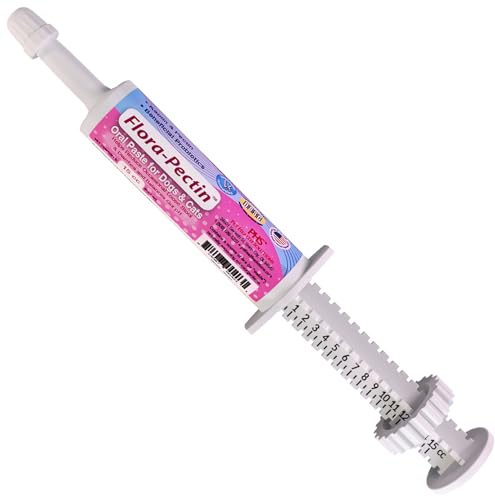
- Add probiotics: Digestive enzymes and probiotics can help restore healthy gut bacteria. This is especially useful after a course of antibiotics.
- Consider pumpkin puree: 100% pure canned pumpkin (not pie filling) is rich in soluble fiber and can help firm up stool. Use 1-2 tablespoons for medium dogs.
Hydration is Critical
Diarrhea causes significant fluid loss. Dehydration can occur rapidly, especially in small dogs and puppies. Check for dehydration by gently pinching the skin on your dog's back. If it doesn't spring back quickly, your dog is dehydrated. Offer water frequently.
You can also offer an electrolyte solution designed for dogs or a low-sodium broth. Avoid giving human sports drinks.
When to See a Veterinarian
While many cases of diarrhea resolve on their own, some situations require urgent veterinary care. Do not hesitate to call your vet if your dog shows any of the following signs.
- Diarrhea lasting more than 24 hours in an adult dog or 12 hours in a puppy.
- Bloody or black, tarry stools, which indicate internal bleeding.
- Lethargy, weakness, or collapse.
- Vomiting along with diarrhea (can lead to severe dehydration).
- Fever (rectal temperature above 102.5°F).
- Suspected ingestion of a toxin or foreign object.
- Underlying health conditions like kidney disease, diabetes, or Cushing's disease.
- Puppies or senior dogs, as they are more susceptible to dehydration.
Remember: It's always better to be safe than sorry. If you're unsure, call your vet. They can provide guidance on whether a visit is necessary.
Prevention Strategies
Preventing diarrhea is often easier than treating it. Here are key strategies to keep your dog's digestive system healthy.
- Maintain a consistent diet: Stick to high-quality food and avoid frequent changes. Transition slowly between foods.
- Prevent scavenging: Keep trash cans secured and avoid feeding table scraps. Use a dog muzzle during walks if your dog picks up foreign objects.
- Regular deworming and flea prevention: Use year-round parasite prevention to avoid intestinal worms. Consider dog flea treatment to prevent parasite transmission.
- Reduce stress: Provide a consistent routine and safe space. Use dog calming products during stressful events like fireworks or travel.
- Gradual introductions to new foods: When introducing dog treats or new foods, do it slowly to avoid digestive upset.
By following these guidelines, you can minimize the risk of digestive issues and ensure your dog stays happy and healthy.
Frequently Asked Questions
Take Action for Your Dog's Digestive Health
Diarrhea in dogs is a manageable condition when you understand its causes and know when to act. By providing a balanced diet, ensuring regular veterinary checkups, and minimizing stress, you can keep your dog's digestive system healthy. If your dog experiences persistent diarrhea, don't wait—consult your veterinarian for a proper diagnosis and treatment plan.