Best Dog Food for Sensitive Stomachs
If your dog suffers from frequent diarrhea, vomiting, or gas, the right diet can make all the difference. Discover the best foods, key ingredients to look for, and how to transition your dog to a gentle diet that soothes their digestive system.
If your dog regularly experiences loose stools, excessive gas, or vomiting, they may have a sensitive stomach. This condition is not just uncomfortable for your dog—it's also stressful for you as their owner. Finding the best dog food for sensitive stomachs can be life-changing, turning frequent digestive distress into consistent, healthy digestion.
Dogs with sensitive stomachs often suffer from dog food allergies that trigger inflammation and digestive upset. Unlike humans, dogs don't show allergies through sneezing—they show them through their skin and digestive system. This makes selecting the right dog food critical for their overall health and comfort.
Key Fact: Digestive issues are one of the top reasons dogs are brought to the vet. Many cases can be resolved or significantly improved with a change in diet. When choosing dog food for dogs with allergies and sensitive stomach, quality ingredients and proper formulation are non-negotiable.
Understanding Sensitive Stomachs in Dogs
A sensitive stomach isn't a single condition—it's a symptom that can stem from various underlying issues. Some dogs are born with more delicate digestive systems, while others develop sensitivity due to diet, stress, or medical conditions.
Your dog's digestive system is home to billions of bacteria that help break down food and absorb nutrients. When this delicate balance is disrupted—whether by poor-quality ingredients, food allergies, or illness—digestive problems appear. The right best dog food can help restore balance and bring relief.
Common Underlying Causes
- Food Allergies and Intolerances: Many dogs are allergic or intolerant to common proteins like chicken or beef, or grains like corn, wheat, and soy. Switching to a best limited ingredient dog food with a novel protein source often helps.
- Inflammatory Bowel Disease (IBD): A chronic condition where the intestinal lining becomes inflamed, making it difficult for the dog to absorb nutrients.
- Parasites and Bacterial Overgrowth: Parasites like hookworms or whipworms, and bacterial imbalances, can cause chronic digestive upset.
- Stress and Anxiety: Just like in humans, stress affects digestion. A stressed dog may experience diarrhea or loss of appetite.
- Eating Habits: Eating too fast, eating non-food items, or sudden diet changes can all trigger digestive distress.
Common Symptoms & Causes
Recognizing the signs of a sensitive stomach is the first step to helping your dog. Symptoms can range from mild to severe, and persistent signs should always be checked by a veterinarian.
Chronic Diarrhea
Frequent loose or watery stools, often occurring multiple times a day.
Vomiting & Regurgitation
Regularly vomiting food or bile, especially after meals or in the morning.
Excessive Gas
Frequent flatulence or burping can indicate fermentation in the digestive tract.
Weight Loss
Despite eating normally, your dog may lose weight due to poor nutrient absorption.
Decreased Appetite
Reluctance to eat or eating less than usual, often linked to nausea or discomfort.
Skin & Coat Issues
Food sensitivities often cause skin problems, including itching, flaking, or dull coat.
If you notice any of these signs for more than a week, it's time to consider whether your dog's current diet is the culprit. Many owners find that switching to a dog food for sensitive stomach dramatically reduces or eliminates these symptoms.
Ingredients to Look For & Avoid
Reading dog food labels is essential when you have a dog with a sensitive stomach. The best dog foods for digestive health use high-quality, easily digestible ingredients with minimal additives.
❌ Ingredients to Avoid
- Artificial Colors & Preservatives: BHA, BHT, and ethoxyquin can trigger allergic reactions and digestive upset.
- Common Allergens: Corn, wheat, soy, and dairy are frequent culprits in food sensitivities.
- By-Products and Fillers: Low-quality protein sources and cheap fillers offer little nutritional value.
- High-Fat Content: Excess fat can be difficult for sensitive stomachs to digest, especially in large amounts.
- Certain Protein Sources: Chicken and beef are among the most common allergens for dogs.
✅ Ingredients to Look For
- Limited Ingredient Diets: Fewer ingredients mean less chance of triggering an allergic reaction. Best limited ingredient dog food options are specifically formulated for this purpose.
- Novel Proteins: Protein sources your dog hasn't eaten before, such as lamb, duck, venison, or salmon. These are less likely to trigger allergies.
- Easily Digestible Carbohydrates: Brown rice, oatmeal, and sweet potatoes are gentle on the digestive system and provide good fiber.
- Prebiotics & Probiotics: Support a healthy gut microbiome and improve nutrient absorption.
- Omega-3 Fatty Acids: Reduce inflammation in the digestive tract and support overall health.
When selecting food for a sensitive stomach, look for best dry dog food for dogs with sensitive stomachs that clearly lists a single, high-quality protein as the first ingredient and avoids fillers. For dogs with additional skin issues, best dog food for allergies and sensitive skin can tackle both problems simultaneously.
Types of Sensitive Stomach Food
Not all sensitive stomach foods are the same. Different formats offer different benefits, and your choice depends on your dog's specific needs, preferences, and budget.
Dry Kibble (Limited Ingredient)
The most popular choice for best dog food for dogs with sensitive stomachs. Offers convenience, affordability, and often contains added probiotics. Look for brands that use minimal ingredients and avoid fillers.
$40–$90/bagWet/Canned Food
Higher moisture content aids hydration and is often gentler on the digestive system. Great for senior dogs or those with dental issues who struggle with dry food.
$2.50–$4.50/canFresh/Frozen Food
Human-grade ingredients cooked in small batches. Often the gentlest option for sensitive stomachs, with no preservatives or artificial ingredients.
$120–$250/monthDehydrated/Freeze-Dried
Retains nutritional value while being shelf-stable. Rehydrated before serving, offering a fresh-like experience without the cost of fresh food.
$90–$180/monthHydrolyzed Protein Diet
Proteins are broken down into tiny molecules that don't trigger allergic reactions. Often prescribed by vets for severe food allergies.
$80–$120/bagGrain-Free Options
Replaces grains with peas, sweet potatoes, or tapioca. Considered helpful for dogs with grain allergies, but consult your vet first as best dog food for dogs with sensitive stomachs often does include grains like rice.
$50–$100/bagFor small breeds prone to digestive issues, best small dog food options often come in smaller kibble sizes that are easier to digest. Similarly, best dog food for small dogs with sensitive stomachs should be specifically formulated for their smaller digestive systems.
How to Transition Your Dog's Food
Switching your dog to a new food too quickly can cause digestive distress—exactly what you're trying to avoid. A slow, gradual transition is essential for giving your dog's digestive system time to adapt to the new ingredients.
Important: Always consult your veterinarian before making a major diet change, especially if your dog has chronic health issues or is on medication.
Days 1–2: 25% New Food
Mix 25% new food with 75% old food. Monitor for any signs of digestive upset.
Days 3–4: 50% New Food
Increase to 50% new food and 50% old food. Watch for any changes in stool quality.
Days 5–6: 75% New Food
Increase to 75% new food and 25% old food. Your dog's digestive system should be adapting well.
Day 7+: 100% New Food
Complete the transition to 100% new food. Continue monitoring for the next 1-2 weeks.
If your dog experiences vomiting or severe diarrhea during the transition, slow down the process. Go back to the previous ratio and wait a few more days before increasing the new food. For dogs with extremely sensitive stomachs, you might need a transition period of 10-14 days.
Tip: Adding a best digestive enzymes for dogs supplement during the transition can help ease the digestive process and reduce symptoms of dog bloat and discomfort. These enzymes help break down food more effectively, making it easier for your dog to tolerate the new ingredients.
Top Recommended Sensitive Stomach Foods
Based on ingredient quality, customer reviews, and veterinarian recommendations, here are our top picks for the best dog food for sensitive stomachs. These foods have been shown to reduce digestive issues and improve overall health in dogs with sensitive stomachs.
| Brand | Key Protein | Key Carb | Special Features | Price (Approx.) |
|---|---|---|---|---|
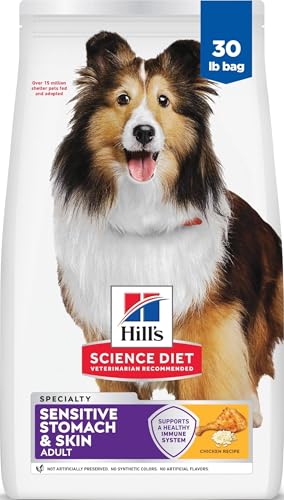
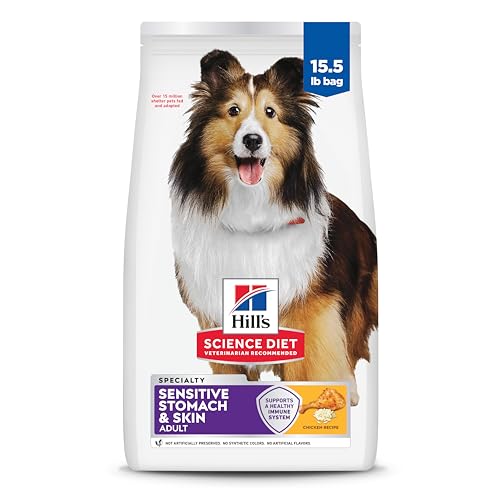
| Hill's Science Diet Sensitive Stomach & Skin |
Chicken | Brown Rice | Prebiotic fiber, Omega-6s, Vitamin E | $65/bag |
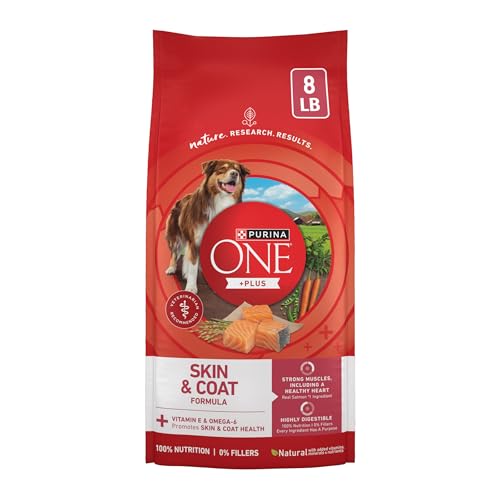
| Purina Pro Plan Sensitive Skin & Stomach |
Salmon | Rice | Probiotics, Omega-3 fatty acids | $58/bag |
| Royal Canin Gastrointestinal |
Chicken | Barley | Veterinary diet, Highly digestible | $85/bag |
| Blue Buffalo Basics Limited Ingredient |
Turkey | Potato | Grain-free, No poultry by-products | $72/bag |
| Natural Balance L.I.D. Limited Ingredient |
Duck | Brown Rice | Single novel protein, Sweet potato | $68/bag |
| Wellness Core Digestive Health |
Deboned Turkey | Oats | Prebiotics, Probiotics, Antioxidants | $75/bag |
| Merrick Limited Ingredient |
Salmon | Sweet Potato | Grain-free, No artificial ingredients | $80/bag |
| Instinct Raw Boost Digestive Health |
Chicken | Oatmeal | Freeze-dried raw pieces, Probiotics | $90/bag |
When selecting from these options, consider your dog's specific needs. If your dog has a known poultry allergy, avoid chicken-based foods and opt for salmon, duck, or turkey options. For budget-conscious owners, some best dry dog food for dogs with sensitive stomachs offer excellent value without compromising quality.
Home Care & Additional Tips
Beyond choosing the right food, there are additional steps you can take to support your dog's digestive health and minimize episodes of upset stomach.
- Use a Slow Feeder Bowl: Dogs that eat too fast often experience gas and bloat. A best slow feed dog bowls can help your dog eat at a more comfortable pace, reducing air intake and improving digestion.
- Elevate Food and Water Bowls: For larger breeds, using best elevated dog bowls can help reduce the risk of bloat and aid in comfortable digestion, especially if your dog has been diagnosed with canine bloat prevention needs.
- Add a Digestive Enzyme or Probiotic: Supplements can help balance the gut microbiome and aid in breaking down food. Some of the best digestive enzymes for dogs can be used alongside food to improve nutrient absorption.
- Maintain a Consistent Feeding Schedule: Regular feeding times help regulate your dog's digestive system and make it easier to identify triggers when issues occur.
- Keep a Food Diary: Track what your dog eats and any symptoms that appear. This can help you and your vet identify specific triggers.
- Provide Plenty of Water: Dehydration can worsen digestive issues, especially if your dog experiences diarrhea or vomiting. Ensure fresh water is always available.
Important Consideration: Some dogs with sensitive stomachs may also be sensitive to changes in their environment. If you're considering adopt a dog with known digestive issues, ask the shelter about their current diet and any known triggers. A slow transition and gentle approach are key to helping an adopted dog adjust.
Frequently Asked Questions
Finding the Right Food Matters
Choosing the right food for your dog with a sensitive stomach can seem overwhelming, but the rewards are worth the effort. A dog with a healthy digestive system is more energetic, comfortable, and happier. Whether you're selecting from our recommended list or working with your vet to choose a specialized diet, the key is patience and consistency. Your dog relies on you to make the best choices for their health—and with the right dog food for sensitive stomach, you can give them the relief they deserve.