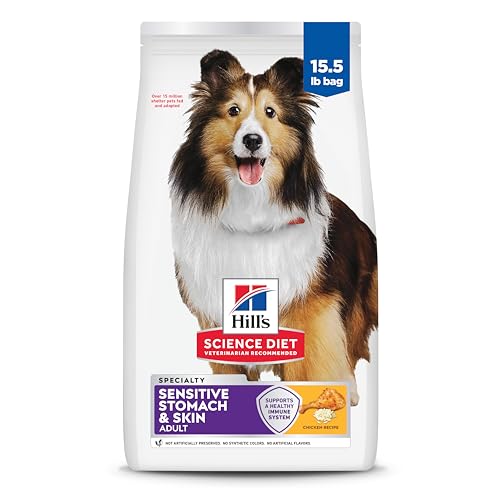
Dog Food for Sensitive Stomach and Itchy Skin
If your dog is constantly scratching and suffering from digestive issues, the problem may be in their bowl. This guide will help you understand the link between diet, sensitive stomachs, and itchy skin, and how to choose the right food to bring them relief.
Watching your dog suffer from relentless itching and unpredictable digestive upsets is heartbreaking. You want to help, but the sheer number of "specialized" dog foods on the market can be overwhelming. The good news is that for many dogs, the solution lies in a targeted dietary change.
This guide cuts through the marketing hype. We will explore the science behind the gut-skin connection, help you identify potential triggers, and provide a clear roadmap for selecting a diet that can soothe your dog's stomach and calm their irritated skin. Whether you're dealing with a suspected food allergy or a general sensitive stomach, the information here will empower you to make informed decisions.
The Gut-Skin Connection: Why Diet Matters
The digestive system and the skin are deeply interconnected. A compromised gut lining can allow undigested food particles and toxins to leak into the bloodstream, triggering an immune response that manifests as inflammation throughout the body — including the skin. This is often referred to as "leaky gut syndrome."
Furthermore, an imbalanced gut microbiome (the community of bacteria in the digestive tract) can lead to chronic inflammation. When the immune system is constantly on high alert, it can overreact to harmless substances, leading to allergic reactions and skin problems. By feeding a diet that supports a healthy gut, you can often see a dramatic improvement in your dog's skin and coat.
Key Takeaway: Treating the skin from the inside out is often the most effective approach. A healthy gut is the foundation for a healthy immune system and, by extension, healthy skin.
Recognizing the Symptoms: Is It a Food Issue?
It can be tricky to tell if your dog's issues are food-related or caused by something else, like environmental allergies or a parasite. However, certain signs point strongly toward a dietary trigger.
Digestive Symptoms (Sensitive Stomach)
- Chronic Diarrhea: Loose stools that persist for more than a few days.
- Vomiting: Especially if it happens regularly or soon after eating.
- Excessive Gas: Frequent, foul-smelling flatulence.
- Abdominal Pain: Your dog may seem uncomfortable, have a bloated belly, or resist having their stomach touched.
- Loss of Appetite: Refusing to eat or showing a sudden disinterest in food.
- Weight Loss: Unexplained weight loss despite a normal or increased appetite.
Skin Symptoms (Itchy Skin)
- Constant Scratching: Especially around the ears, paws, face, and rear end.
- Red, Inflamed Skin: Visible redness, rashes, or hot spots.
- Hair Loss: Patches of thinning hair or bald spots.
- Recurring Ear Infections: Often a sign of an underlying allergy.
- Paw Licking or Chewing: Red, irritated paws are a classic allergy symptom.
- Scaly or Greasy Skin: A dull coat with excessive dandruff or oiliness.
If your dog exhibits a combination of these symptoms, a dietary cause should be high on your list of suspects. Keep in mind that skin issues often take longer to resolve than digestive ones.
Common Causes: Allergies vs. Sensitivities
It's important to understand the difference between a true food allergy and a food sensitivity or intolerance.
- Food Allergy: An immune system reaction to a specific protein, most commonly chicken, beef, dairy, egg, or wheat. Even a tiny amount can trigger a severe reaction, including hives, swelling, and severe gastrointestinal distress.
- Food Sensitivity/Intolerance: A non-immune reaction. The digestive system has trouble processing a certain ingredient, leading to gas, bloating, and diarrhea. It's a matter of quantity and digestive capability, not an immune response.
- Environmental Allergies: Sometimes, the itching is caused by pollen, dust mites, or mold. However, a compromised gut can worsen environmental allergies. A diet change can still help by reducing overall inflammation.
Common protein sources that trigger reactions include chicken, beef, and lamb. Common carbohydrates include wheat, corn, and soy. However, any protein can potentially be an allergen. This is why novel or hydrolyzed protein diets are so effective.
How to Choose the Right Food: A Step-by-Step Guide
Choosing the right diet can feel like a puzzle. Follow these steps to narrow down your options.
- Consult Your Veterinarian First: This is non-negotiable. Your vet can rule out other medical conditions (like parasites, colitis, or infections) and help you determine if a dietary trial is appropriate. They may recommend a specific prescription diet.
- Look for a Limited-Ingredient Diet (LID): These formulas contain a single protein source and a single carbohydrate source. This dramatically reduces the number of potential allergens. A limited ingredient diet is a great starting point.
- Choose a Novel Protein: A novel protein is one your dog has never eaten before, so their immune system is unlikely to recognize it as an allergen. Examples include salmon, venison, duck, kangaroo, or whitefish.
- Consider a Hydrolyzed Protein Diet: In these prescription diets, the protein is broken down into such tiny pieces that the immune system cannot recognize and react to it. This is often the gold standard for diagnosing and managing food allergies.
- Check for Omega-3 Fatty Acids: Look for foods containing fish oil or flaxseed. Omega-3s are natural anti-inflammatories that can help soothe itchy skin and support a healthy coat.
- Avoid Artificial Additives: Artificial colors, flavors, and preservatives (like BHA, BHT, and ethoxyquin) can be irritants for sensitive dogs. Choose foods with natural preservatives like mixed tocopherols (vitamin E).
- Assess the Quality Tier: While not a guarantee, foods from the "premium" or "luxury" tiers often use higher-quality ingredients and have stricter quality control, which can be beneficial for sensitive dogs.
Types of Specialized Diets Explained
Limited Ingredient Diet (LID)
Contains a minimal number of ingredients, typically one animal protein and one carbohydrate. Ideal for dogs with mild sensitivities or as a first step in an elimination diet. Examples include salmon & sweet potato or venison & pea.
Mid-range to PremiumHydrolyzed Protein Diet
A prescription diet where the protein is broken down into tiny fragments too small to trigger an immune response. Highly effective for diagnosing and managing true food allergies. Requires a vet's prescription.
Premium to LuxuryGrain-Free Diet
Eliminates grains like wheat, corn, and rice. While often marketed for allergies, grains are rarely the culprit. It can be helpful for dogs with a specific grain intolerance, but it's not a cure-all.
Entry-level to PremiumNovel Protein Diet
Uses a protein source your dog has never been exposed to, such as duck, venison, or kangaroo. This is a core strategy for avoiding known allergens. Often part of an LID formula.
Mid-range to PremiumHigh-Fiber Diet
Formulated with increased fiber to support digestive health and firm up stools. Can be helpful for dogs with chronic diarrhea or anal gland issues, but may not address skin problems directly.
Entry-level to Mid-rangeFresh/Home-Cooked Diet
You control every ingredient, making it the ultimate elimination diet. However, it must be meticulously balanced with the help of a veterinary nutritionist to avoid nutritional deficiencies. Very time-intensive.
LuxuryHow to Transition Your Dog's Food Safely
A sudden switch can cause a revolt in your dog's digestive system, even if the new food is better for them. A slow, gradual transition is crucial.
- Days 1-2: 75% old food, 25% new food.
- Days 3-4: 50% old food, 50% new food.
- Days 5-6: 25% old food, 75% new food.
- Day 7+: 100% new food.
If your dog has a very sensitive stomach, you may need to stretch this transition over 10-14 days. Watch for any signs of digestive upset. If diarrhea or vomiting occurs, slow down and stay at the previous ratio for a few more days. During this transition, avoid all other treats, table scraps, and flavored medications. You can use a few pieces of the new kibble as a treat if needed. For dogs that gobble their food, consider using a slow-feeder bowl to aid digestion.
Common Mistakes to Avoid
- Not Seeing a Vet: Assuming it's a food allergy without a diagnosis can delay proper treatment for a more serious condition.
- Switching Foods Too Quickly: This is the fastest way to cause a digestive upset and confuse the results of your dietary trial.
- Giving in to Begging: A single treat or table scrap can contain the allergen you're trying to avoid, ruining weeks of progress.
- Choosing a "Grain-Free" Diet Blindly: As mentioned, grains are rarely the issue. Focus on the protein source instead.
- Not Being Patient: It can take 4-8 weeks to see full improvement. Don't give up after a week.
- Ignoring the Role of Treats: You must also change your dog's treats to match their new diet. Look for single-ingredient treats like freeze-dried liver or sweet potato chews. You can find some great options in our dog treats guide.
Frequently Asked Questions
Your Dog's Comfort is Within Reach
Dealing with a dog that has a sensitive stomach and itchy skin can be a long and frustrating journey, but it's one you can navigate successfully. The key is a systematic approach: work with your vet, choose a high-quality limited-ingredient or hydrolyzed protein diet, transition slowly, and be patient. By taking control of your dog's nutrition, you are not just treating symptoms — you are addressing the root cause and setting the stage for a happier, healthier, and more comfortable life for your best friend.