Dog Cleaning Supplies: The Complete Guide to a Fresh, Clean Home
Everything you need to know about choosing, using, and maintaining the right cleaning supplies for your dog — from stain removers and odor eliminators to grooming tools and everyday hygiene essentials.
Living with a dog means living with messes — muddy paw prints, shed fur, drool, accidents, and that unmistakable "dog smell" that can settle into carpets and furniture. The right dog cleaning supplies make the difference between a home that feels fresh and one that smells like a kennel.
But not all cleaning products are created equal. Some are ineffective, some merely mask odors, and some are actually toxic to your dog. This guide breaks down exactly which supplies you need, how to use them correctly, and how to build a cleaning routine that keeps your home hygienic without overwhelming your schedule. Whether you are dealing with a new puppy or a senior dog, the principles here will help you maintain a clean, safe environment for everyone in the household. For broader care guidance, see our dog care section.
Why Dog-Specific Cleaning Supplies Matter
You might be tempted to reach for your regular household cleaner when your dog has an accident. But this is a mistake with real consequences. Dog waste contains proteins, fats, uric acid crystals, and bacteria that ordinary cleaners cannot fully neutralize.
When a standard cleaner is used on pet waste, it may remove the visible stain and temporarily mask the smell, but residue remains. Dogs have an olfactory sense up to 100,000 times more sensitive than humans, so they can detect these leftover scent markers even when we cannot. This is why a dog will often return to the same spot to urinate again — the residual scent tells them "this is the bathroom."
Dog-specific cleaning supplies, particularly enzymatic cleaners, break down the organic compounds at a molecular level. They eliminate both the stain and the scent, removing the trigger for repeat behavior. Using the right products from the start saves you time, money, and frustration. If you are also dealing with behavioral issues related to marking or accidents, our guide on dog destructive behavior may help identify underlying causes.
Key Insight: The difference between a clean-looking home and a truly hygienic home comes down to whether you are masking odors or eliminating their source. Enzymatic cleaners eliminate; ordinary cleaners mask.
Essential Dog Cleaning Supplies
A well-stocked cleaning arsenal should cover every type of mess your dog can produce. Below is a breakdown of the categories every dog owner should have on hand. Quality tiers are indicated as entry-level, mid-range, or premium to help you prioritize where to invest.
The Core Cleaning Kit
- Enzymatic stain and odor remover: The single most important product. Breaks down urine, feces, vomit, and drool at the source. Entry-level options work for mild accidents; mid-range and premium formulas offer broader coverage and faster action on set-in stains.
- Pet-safe surface cleaner: For countertops, floors, crates, and hard surfaces. Must be non-toxic and free of ammonia, bleach, and phenols. Choose a mid-range or premium concentrate for economical refills.
- Carpet and upholstery cleaner: Designed to lift pet stains from fabric without leaving residue that attracts dirt. Look for formulas compatible with your carpet cleaning machine.
- Paper towels and microfiber cloths: Microfiber is far more absorbent than paper towels and reusable. Keep a dedicated set for pet messes separate from general cleaning cloths.
- Disposable gloves: Essential for handling waste and cleaning accidents hygienically.
- Trash bags and waste bags: Biodegradable bags for walks, plus a sealed trash bin for indoor cleanup.
- Blacklight (UV flashlight): Reveals dried urine stains invisible to the naked eye. Invaluable for thorough cleanup, especially in carpeted homes or for puppies in training.
- Scrub brushes: A stiff-bristled brush for carpets and a soft-bristled brush for delicate surfaces.
- Cleaning caddy or bucket: Keeps supplies organized and portable so you can respond to messes quickly.
Pro Tip: Assemble two kits — one for daily spot cleaning and one for deep cleaning. This prevents you from scrambling for supplies mid-cleanup and ensures you always have enzymatic cleaner on hand when accidents happen.
Stain & Odor Removal Products
Stain and odor removal is the most demanding part of dog ownership cleaning. Different types of messes require different approaches, and understanding the chemistry behind the products helps you choose wisely.
Enzymatic Cleaners
Enzymatic cleaners are the gold standard for pet messes. They contain enzymes or beneficial bacteria that digest the proteins, fats, and uric acid in pet waste. The result is complete elimination of both stain and odor, rather than temporary masking.
- Entry-level: Effective for fresh accidents on hard surfaces and low-pile carpets. Requires longer dwell time and may need multiple applications.
- Mid-range: Broader enzyme blends that tackle urine, feces, vomit, blood, and drool. Faster acting and safer on a wider range of fabrics.
- Premium: Concentrated formulas with advanced enzyme technology, often with added odor neutralizers and stain blockers. Best for stubborn, set-in stains and multi-pet households.
Oxygen-Based Stain Removers
Oxygen cleaners use hydrogen peroxide or similar compounds to lift stains through oxidation. They work well on organic stains and are generally color-safe. However, they do not eliminate odor as thoroughly as enzymatic cleaners and can bleach some fabrics, so always test on a hidden area first.
Odor Neutralizers and Air Purifiers
For general household odor control, odor neutralizers use cyclodextrins or similar molecules to trap odor particles. Pairing these with a HEPA air purifier dramatically reduces airborne dander and smell. Note that these products complement enzymatic cleaning — they do not replace it.
Understanding Uric Acid Crystals:
When dog urine dries, the water evaporates but uric acid crystals remain. These crystals are insoluble in water and many common cleaners, which is why the smell returns on humid days. Only enzymatic cleaners or specialized uric acid dissolvers break down these crystals completely.
This is why repeat marking happens: the crystals signal to your dog that this is a bathroom spot.
What to Avoid
- Ammonia-based cleaners: Urine contains ammonia, so these cleaners smell like urine to your dog and encourage re-marking.
- Bleach on urine: Mixing bleach with ammonia in urine creates toxic chloramine gas. Never use bleach on pet accidents.
- Steam cleaners on fresh urine: Heat can set the stain and bond uric acid crystals to the fabric permanently.
- Generic "pet stain" sprays without enzymes: These typically only mask odor and will fail over time.
Step-by-Step: Removing Dog Urine from Carpet
- Blot immediately: Press a clean microfiber cloth or paper towel firmly onto the stain to absorb as much liquid as possible. Do not rub — rubbing pushes urine deeper into the fibers and spreads the stain.
- Rinse with cool water: Pour a small amount of cool water onto the area and blot again. This dilutes remaining urine. Repeat once or twice.
- Apply enzymatic cleaner: Saturate the area generously, including slightly beyond the visible stain. The cleaner must reach the padding beneath the carpet where urine pools.
- Allow dwell time: Let the cleaner sit for the time specified on the label — typically 10 to 30 minutes. Do not rush this step. Enzymes need time to work.
- Blot and air dry: Press dry with a clean cloth, then allow the area to air dry completely. Avoid using a hair dryer or heater, which can set remaining proteins.
- Check with a blacklight: Once dry, shine a UV blacklight on the area. Any glowing spots indicate residual urine that needs another treatment.
Floor & Surface Cleaners
Your floors take the brunt of dog-related mess — muddy paws, drool, food spills, and accidents. The right cleaner depends on your flooring type, but all must be pet-safe.
- Hardwood and laminate: Use a pH-neutral, pet-safe cleaner. Avoid steam mops on hardwood, as moisture can warp the wood over time. A microfiber mop with a diluted pet-safe solution works best.
- Tile and stone: Mild pet-safe cleaners work well. Avoid acidic cleaners on natural stone, which can etch the surface. A mid-range concentrated cleaner diluted in water is economical and effective.
- Vinyl and linoleum: Most pet-safe all-purpose cleaners work here. Avoid abrasive scrubbers that can scratch the surface and harbor bacteria.
- Concrete (garages, basements): A stiff brush and pet-safe degreaser handle most messes. For urine, use an enzymatic cleaner formulated for porous surfaces.
For daily maintenance, a simple diluted pet-safe cleaner in a spray bottle handles most paw prints and drool. For deeper cleaning, a dedicated floor cleaner with a microfiber mop pad is more effective than a traditional string mop, which can spread bacteria. If your dog has allergies or sensitive skin, our guide on dog environmental allergies covers how cleaning products and environmental factors interact.
Surface-Specific Tips:
• Kitchen counters: Wipe down after every meal prep. Dogs can counter-surf, and food residue attracts pests.
• Dog crates: Wipe down weekly with a pet-safe cleaner. Remove the tray and wash it separately.
• Walls: Drool and food splatter happen. A magic eraser or a microfiber cloth with diluted cleaner handles most marks.
• Doors and door frames: Frequently touched and licked. Wipe monthly with a pet-safe disinfectant.
Grooming & Bathing Supplies
Keeping your dog clean reduces the mess they bring into your home. Regular grooming also gives you a chance to inspect for skin problems, parasites, and injuries. For a deeper dive, see our dog grooming supplies and dog grooming tools guides.
Bathing Essentials
- Dog-specific shampoo: Human shampoo disrupts the pH balance of canine skin, leading to dryness and irritation. Choose a formula appropriate for your dog's coat type and skin condition. Options exist for sensitive skin, medicated needs, and odor control.
- Conditioner: Optional but helpful for long-coated breeds prone to tangles. Look for a detangling or moisturizing formula.
- Bath tub or basin: A dedicated pet tub or a non-slip mat in your regular tub works. Some dogs do well with a handheld sprayer for rinsing.
- Absorbent towels or a dog dryer: Microfiber towels absorb far more water than regular towels. For double-coated breeds, a dog dryer dramatically reduces drying time and prevents matting.
- Non-slip mat: Keeps your dog steady in the tub and reduces anxiety during bath time. See our guide on dog bath setups for more ideas.
Brushing and Coat Care Tools
- Slicker brush: Removes loose fur and detangles medium to long coats. Essential for breeds like Golden Retrievers and Poodles.
- Undercoat rake: Reaches beneath the topcoat to remove dead undercoat, dramatically reducing shedding. Best for double-coated breeds.
- Bristle brush: Ideal for short-coated breeds to distribute natural oils and remove surface dirt.
- Rubber curry brush: Great for short-haired dogs and for use during baths to work shampoo into the coat.
- De-shedding tool: Specialized blades remove loose fur from the undercoat. Use sparingly to avoid irritating the skin.
To learn more about which brush suits your dog's coat, see our dog brushes guide. If your dog suffers from itching or skin issues, our articles on dog food allergies and dog food for dogs with allergies and sensitive skin may help identify dietary triggers.
Ear, Eye, and Dental Care Supplies
- Ear cleaner solution: Dog-specific ear cleaner removes wax and debris. Never use cotton swabs inside the ear canal. For a full routine, see dog ear cleaning.
- Eye wipes: Gentle wipes remove tear stains and discharge, especially important for breeds with prominent eyes or excessive tearing.
- Dog toothbrush and toothpaste: Human toothpaste is toxic to dogs. Use dog-specific enzymatic toothpaste. For a complete guide, see dog dental care and dog dental cleaning.
- Nail clippers or grinder: Regular nail trimming prevents painful overgrowth. See our dog nail clippers guide for tool options.
Pet Hair Removal Tools
Shedding is unavoidable, but the right tools make it manageable. Pet hair removal falls into three categories: tools that remove hair from your dog, tools that remove hair from surfaces, and tools that prevent hair from spreading.
Tools for Removing Hair from Your Dog
- De-shedding tools: Bladed tools that reach the undercoat. Use with gentle strokes and avoid overuse, which can irritate skin.
- Furminator-style brushes: A type of de-shedding tool with a fine-toothed edge. Excellent for double-coated breeds during shedding season.
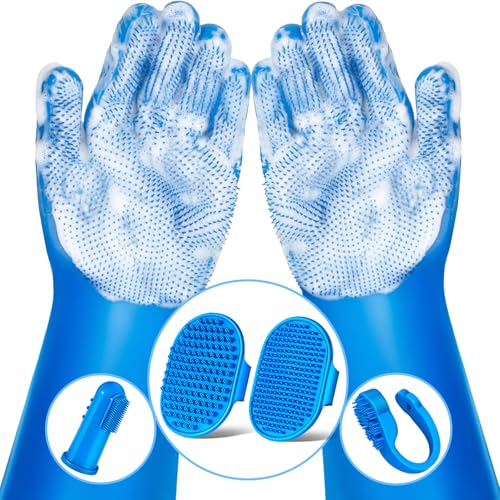
- Grooming gloves: Rubber-tipped gloves that collect loose hair while petting. Great for dogs who dislike traditional brushes.
Tools for Removing Hair from Surfaces
- Rubber brooms or squeegees: Surprisingly effective at gathering embedded hair from carpets before vacuuming.
- Lint rollers: Essential for clothing, furniture, and car seats. Reusable rollers are more economical and eco-friendly than disposable sheets.
- Pet hair vacuum attachments: Specialized attachments for upholstery and stairs. A vacuum with strong suction and a HEPA filter is a worthwhile investment.
- Reusable pet hair remover: A tool that collects hair from fabric with a back-and-forth motion. Effective on couches and bedding.
- Dryer sheets or anti-static sprays: Reduce static cling that holds hair to fabric, making removal easier.
If shedding seems excessive, it may be a sign of an underlying health issue. Our dog health section covers common conditions that affect coat and skin. For dogs prone to anxiety during grooming, dog calming products can help make the process stress-free.
Shedding Season Strategy: During peak shedding (typically spring and fall for double-coated breeds), brush your dog daily and vacuum every other day. This prevents hair from accumulating in corners and on furniture. A de-shedding treatment at a professional groomer can also dramatically reduce loose hair.
Cleaning Your Dog's Supplies
Your dog's belongings harbor bacteria, dirt, and allergens. Regular cleaning of these items keeps your dog healthy and your home fresh.
Food and Water Bowls
Wash bowls daily with hot water and pet-safe soap. Stainless steel and ceramic bowls are easiest to sanitize; plastic bowls scratch and harbor bacteria over time. If your dog has acne or chin irritation, switching from plastic to stainless steel often resolves the problem. For bowl options, see dog bowls and dog food and water bowl.
Toys
Wash rubber and plastic toys weekly with hot soapy water or run them through the dishwasher (top rack, no detergent with bleach). Fabric toys should be machine washed in a pillowcase on a gentle cycle. Rope toys can harbor bacteria and should be replaced when frayed or soiled beyond cleaning. See dog toys for selection guidance.
Beds and Bedding
Wash dog beds every two weeks, or weekly if your dog sheds heavily or has allergies. Use a pet-safe detergent and avoid fabric softener, which can irritate skin. Dry thoroughly to prevent mildew. For bed options, see dog beds and dog crate mats.
Collars, Leashes, and Harnesses
Wipe down monthly with a damp cloth and pet-safe cleaner. For fabric collars and harnesses, hand wash with mild soap and air dry. Inspect hardware for wear and replace if damaged. See dog collars, dog leashes, and dog harnesses for product guidance.
Crates and Carriers
Deep clean monthly. Remove the tray and wash with hot soapy water. Wipe down the frame and bars with a pet-safe disinfectant. Allow to dry completely before returning your dog. For crate options, see dog crate and dog carrier.
Building a Cleaning Routine
A consistent routine prevents messes from becoming overwhelming. Below is a suggested schedule that balances thoroughness with practicality.
| Frequency | Tasks |
|---|---|
| Daily | Wash food and water bowls, spot-clean accidents immediately, wipe paws after walks, sweep or vacuum high-traffic areas. |
| Weekly | Clean toys, wipe down crates, brush your dog, mop floors, wash bedding if heavily soiled. |
| Bi-weekly | Wash dog beds, deep clean carpets and upholstery, clean car if your dog rides regularly. |
| Monthly | Wipe collars, leashes, and harnesses, deep clean crates and carriers, wash curtains or blinds if pet hair accumulates. |
| Seasonally | Deep clean carpets professionally, wash walls and baseboards, clean vents and air filters, inspect and replace worn supplies. |
Adjust this schedule based on your dog's activity level, coat type, and the number of pets in your home. A senior dog may need less frequent brushing but more frequent bedding changes for incontinence. A puppy in training requires immediate spot cleaning for every accident. For more on caring for aging dogs, see dog food for elderly dogs and dog health.
Efficiency Tip: Keep a cleaning caddy in each area where messes happen — one in the kitchen, one near the dog's main living area, and one in the car if your dog travels with you. This eliminates the time wasted searching for supplies and ensures you respond to accidents immediately.
Safety & Toxicity Considerations
Not every cleaner labeled "natural" or "green" is safe for dogs. Understanding common toxic ingredients helps you make informed choices.
Ingredients to Avoid
- Ammonia: Found in glass cleaners and some floor cleaners. Toxic to dogs and encourages re-marking when used on urine stains.
- Bleach: Highly toxic if ingested. Fumes can irritate respiratory tracts. Never use on surfaces your dog contacts until fully dry and aired.
- Phenols: Found in some disinfectants and pine-scented cleaners. Particularly dangerous to cats, but also toxic to dogs. Can cause neurological symptoms.
- Phthalates and synthetic fragrances: Can trigger allergies and respiratory issues. Choose fragrance-free or naturally scented products.
- Quaternary ammonium compounds (quats): Common in disinfectants. Can cause skin irritation and gastrointestinal upset if ingested.
- Formaldehyde: Found in some air fresheners and cleaning products. Known carcinogen and respiratory irritant.
Safe Alternatives
- Vinegar and water: A 1:1 solution makes a safe, effective cleaner for many surfaces. Do not use on stone or marble.
- Baking soda: Excellent for deodorizing carpets and absorbing moisture from accidents. Sprinkle, let sit, then vacuum.
- Castile soap: A plant-based soap that is safe for most surfaces when diluted. Effective for general cleaning.
- Hydrogen peroxide (3%): Safe for stain removal on colorfast fabrics when diluted. Test on a hidden area first.
- Essential oils (with caution): Some essential oils are toxic to dogs — tea tree, eucalyptus, citrus, and peppermint among them. Only use dog-safe oils like lavender in very diluted form, and never apply directly to your dog.
If your dog has ingested a cleaning product, contact your veterinarian or a pet poison control hotline immediately. Symptoms of poisoning include vomiting, diarrhea, drooling, lethargy, tremors, and difficulty breathing. Our dog first aid kit guide covers what to keep on hand for emergencies, and dog health products covers supportive care items.
When in Doubt, Ventilate: After cleaning with any product, open windows and allow surfaces to dry completely before letting your dog back into the area. Good ventilation reduces airborne chemical exposure even with pet-safe products.
Frequently Asked Questions
Start With the Essentials:
If you are building your dog cleaning supply kit from scratch, start with an enzymatic cleaner, a pet-safe surface cleaner, a quality vacuum, and a set of microfiber cloths. These four items handle the vast majority of messes. Add grooming tools, a blacklight, and specialized cleaners as your needs grow. For a full product overview, see our dog cleaning products, dog cleanup supplies, and dog cleaning guides. A clean home and a healthy dog go hand in hand — and with the right supplies, maintaining both is simpler than you might think.