Dog Cleanup Supplies: The Complete Guide
Everything you need to keep your home fresh, clean, and odor-free — from enzymatic stain removers and odor eliminators to waste bags, hair removal tools, and the best cleaning routines for dog owners.
Living with a dog means dealing with messes — it's an unavoidable part of the joy they bring. Whether it's muddy paw prints, shedding fur, accidents on the carpet, or that unmistakable dog smell, every dog owner needs a reliable arsenal of cleanup supplies. The right products make the difference between a home that smells like a kennel and one that stays fresh and inviting.
This guide covers every category of dog cleanup supplies you need, from enzymatic cleaners that eliminate odors at the source to specialized tools that make hair removal effortless. If you're bringing home a new puppy or simply looking to upgrade your current cleaning routine, you'll find practical, vet-approved advice here.
Why This Matters: Dog messes aren't just unpleasant — they can harbor bacteria, cause allergies, and damage your home's surfaces. Using the wrong products can set stains permanently or leave harmful residues. Using the right supplies protects your home, your dog's health, and your sanity.
Stain & Odor Removers: The Foundation of Dog Cleanup
Accidents happen — especially with puppies, senior dogs, or dogs with medical conditions. The key to effective cleanup is acting fast and using the right product. Regular household cleaners don't work on pet messes because they don't break down the unique compounds in urine, feces, and vomit.
Why Enzymatic Cleaners Are Essential
Enzymatic cleaners contain beneficial bacteria and enzymes that literally digest the organic matter in pet waste. They break down uric acid crystals — the component in urine that causes that lingering, ammonia-like smell. Regular cleaners may remove the visible stain, but they leave behind uric acid crystals that continue to off-gas odor and attract your dog back to the same spot.
- Enzymatic stain and odor removers: The gold standard for pet accidents. These products break down uric acid, proteins, and fats in urine, feces, and vomit. They work on carpets, upholstery, hardwood, tile, and even concrete. Apply generously, let sit for the recommended time (usually 10-15 minutes), then blot dry.
- Urine-specific spot treatments: Some products are formulated specifically for urine, with added UV tracers that help you find old stains you might have missed. These are invaluable for house training and for homes with senior dogs.
- Odor neutralizers vs. air fresheners: True odor neutralizers chemically bond with odor molecules and eliminate them. Air fresheners merely mask smells. Look for products that contain cyclodextrin or activated carbon for genuine odor elimination.
- Pet-safe disinfectants: After cleaning organic matter, a pet-safe disinfectant kills remaining bacteria and viruses. Look for products labeled as safe for use around pets, and always follow dwell time instructions.
Pro Tip: Never use ammonia-based cleaners on pet messes. Urine contains ammonia, and using ammonia-based products can actually attract your dog back to the spot. Similarly, avoid bleach on urine — it can create toxic fumes. Stick with enzymatic or oxygen-based cleaners.
How to Clean Different Types of Pet Messes
- Fresh urine on carpet: Blot up as much as possible with clean towels. Apply enzymatic cleaner generously, ensuring it reaches the padding. Let sit for 10-15 minutes, then blot dry. Place a clean towel over the area and weigh it down with a heavy object overnight to draw out remaining moisture.
- Dried urine stains: Use a UV blacklight to find all affected areas. Rehydrate the stain with warm water, then apply enzymatic cleaner. Allow extra dwell time (30+ minutes) to break down the crystals. For severe cases, you may need to pull back the carpet and treat the padding and subfloor.
- Dog vomit: Remove solid matter immediately. Blot liquids. Apply enzymatic cleaner, let sit, then blot. For acidic vomit, follow with a mild baking soda and water paste to neutralize, then rinse.
- Diarrhea: This requires extra care. Remove solids, then apply a pet-safe disinfectant after cleaning with enzymatic cleaner. Steam cleaning is not recommended for diarrhea, as heat can set proteins. Consider professional carpet cleaning for extensive contamination.
- Blood stains: Use cold water only — hot water sets blood proteins. Apply enzymatic cleaner or hydrogen peroxide (test on a hidden area first). Blot, don't rub.
Waste Management Supplies
Picking up after your dog is a daily necessity — not just for cleanliness, but for hygiene and environmental responsibility. The right waste management supplies make this chore quick, easy, and hygienic.
- Waste bags: The most basic supply. Look for thick, leak-proof bags with tie handles. Biodegradable and compostable options are available for eco-conscious owners. Consider scented bags if odor is a concern during walks, or unscented if you or your dog are sensitive to fragrances.
- Waste bag dispensers: Attach to your leash or belt loop for easy access. Some dispensers have built-in clips for used bags, so you don't have to carry them in your hand.
- Pooper scoopers: Essential for backyard cleanup. Choose a sturdy scooper with a long handle to save your back. Rake-style scoopers work well for grass, while pan-style scoopers are better for gravel or dirt.
- Indoor potty solutions: For puppies in training, senior dogs, or apartment dwellers, options include pee pads, washable pee pads, indoor dog potties with artificial turf, and grass patches. These require regular cleaning and replacement to prevent odor.
- Waste storage: A dedicated, sealable waste container for your backyard keeps odors contained until trash day. Look for containers with locking lids and charcoal filters.
- Disposable gloves: Keep a box handy for handling messes, especially if your dog has digestive issues or you're cleaning up after a sick pet.
Environmental Note: Dog waste is not a natural fertilizer — it contains bacteria and parasites that can contaminate water sources. Always bag and dispose of dog waste properly. Never compost dog waste for use on edible gardens.
Hair & Shedding Control
Dog hair is the most persistent cleanup challenge for most owners. It weaves into carpet fibers, clings to upholstery, and somehow ends up everywhere — even in rooms your dog never enters. The right tools make managing shedding infinitely easier.
Tools for Removing Dog Hair
- Rubber brooms and squeegees: These are surprisingly effective at gathering hair from carpets and rugs before vacuuming. The rubber creates static that attracts hair.
- Lint rollers and pet hair rollers: Essential for quick touch-ups on clothing and furniture. Reusable rollers with washable adhesive surfaces are more economical and eco-friendly than disposable sheets.
- Upholstery brushes: Stiff-bristled brushes designed for furniture help lift embedded hair from couches, chairs, and car seats. Look for brushes with rubber or silicone bristles.
- Pet hair removal gloves: These grooming gloves can be used on your dog to remove loose hair before it sheds onto your furniture, and also work well for wiping down upholstery.
- Deshedding tools: Regular use of a deshedding brush or rake on your dog dramatically reduces the amount of hair that ends up in your home. This is especially important during seasonal shedding periods.
Vacuum Features That Matter for Dog Owners
Not all vacuums are created equal when it comes to pet hair. Look for these features:
- HEPA filtration: Captures fine hair, dander, and allergens, preventing them from being blown back into the air.
- Powerful suction and motorized brush roll: Essential for pulling embedded hair from carpets and rugs.
- Tangle-free brush roll: Designed to prevent hair from wrapping around the brush — a common problem with standard vacuums.
- Large dustbin capacity: You'll be vacuuming more often with a dog in the house, so a large bin means fewer interruptions.
- Multi-surface capability: Transitions easily between carpet, hardwood, tile, and upholstery.
- Handheld or cordless vacuum: Invaluable for quick cleanups of dog beds, stairs, and car interiors.
Floor & Surface Cleaners
Different surfaces require different cleaning approaches. Using the wrong product can damage your floors or leave harmful residues that your dog might lick.
- Hardwood floor cleaners: Use pH-neutral, pet-safe cleaners specifically designed for hardwood. Avoid excessive water, which can warp wood. Dry immediately after cleaning.
- Tile and linoleum cleaners: These surfaces are more forgiving. Use a pet-safe all-purpose cleaner or a diluted vinegar solution. Avoid harsh chemicals that can leave residue.
- Carpet cleaners and spot treatments: For deep cleaning, consider a carpet cleaning machine with a pet-specific formula. For spot cleaning, enzymatic cleaners are your best friend.
- Disinfecting wipes and sprays: Keep pet-safe disinfecting wipes handy for quick cleanup of food bowls, toy bins, crates, and high-traffic areas.
- Microfiber mops and cloths: These are more effective than traditional mops at picking up dirt, hair, and bacteria. They're also more hygienic — you can wash and reuse them.
Safety First: Always check that your cleaning products are labeled as pet-safe. Many common household cleaners contain chemicals like bleach, ammonia, phenols, and quaternary ammonium compounds that are toxic to dogs. When in doubt, look for products specifically marketed as pet-safe, or use natural alternatives like vinegar, baking soda, and castile soap.
Grooming Cleanup Tools
Keeping your dog clean reduces the amount of cleanup you need to do in your home. Regular grooming removes loose hair, prevents matting, and keeps your dog's coat healthy. But grooming itself creates cleanup needs — hair clippings, wet towels, and dirty tools.
- Grooming brushes and combs: A slicker brush, undercoat rake, and metal comb are the essentials for most coat types. Regular brushing removes loose hair before it ends up on your furniture. Our dog grooming tools guide breaks down which tools work best for different coats.
- Deshedding tools: Tools like the Furminator or similar deshedding blades remove loose undercoat hair effectively. Use them sparingly — overuse can irritate skin.
- Dog-specific shampoo: Human shampoo disrupts your dog's skin pH. Use a dog shampoo formulated for their coat type. Medicated shampoos are available for skin conditions.
- Grooming gloves: These double as cleanup tools — use them to brush your dog, then rinse the collected hair off the gloves.
- Towels and microfiber cloths: Keep a dedicated set of dog towels for drying after baths, wiping paws, and cleaning up minor messes. Microfiber cloths are excellent for wiping down dog crates and mats.
- Paw cleaning supplies: Paw wipes, a paw washer cup, or a simple towel by the door can dramatically reduce the amount of dirt and mud tracked into your home. For more paw care, see our dog paw protection guide.
Air Purification & Odor Control
Even with diligent cleaning, dog odors can linger in the air. Dander, hair, and volatile organic compounds from waste all contribute to that "dog smell" that visitors notice immediately. Air purification is the final frontier of dog cleanup.
- HEPA air purifiers: Capture fine particles including dander, hair, and pollen. Look for units with activated carbon filters, which also remove odors and volatile organic compounds.
- Activated charcoal bags: Place these in closets, near dog beds, in cars, and in litter box areas. They absorb odors naturally and can be refreshed by placing them in sunlight.
- Zeolite odor absorbers: Similar to activated charcoal, zeolite is a mineral that traps odor molecules. It's particularly effective for ammonia-based odors from urine.
- Essential oil diffusers: Use with caution — many essential oils are toxic to dogs. Only use dog-safe oils like lavender or chamomile in well-ventilated areas. Never diffuse oils around dogs with respiratory issues.
- Air purifying plants: While not a substitute for mechanical air purification, plants like spider plants, peace lilies, and snake plants can help improve air quality. However, many common houseplants are toxic to dogs — check the ASPCA's toxic plant database before bringing any plant into your home.
Important: Air purifiers and odor absorbers are supplements, not replacements for cleaning. They cannot compensate for unsanitary conditions. Always address the source of odors first — clean up accidents thoroughly, wash bedding regularly, and maintain your dog's grooming routine.
Building Your Dog Cleanup Kit
A well-stocked cleanup kit means you're never caught off guard by a mess. Keep supplies in a designated spot — a cleaning caddy, a dedicated shelf, or a storage bin — so you can grab what you need quickly.
Essential Supplies for Every Dog Owner
- Enzymatic stain and odor remover (at least one bottle, preferably two — one for immediate use, one as backup)
- Pet-safe disinfectant spray or wipes
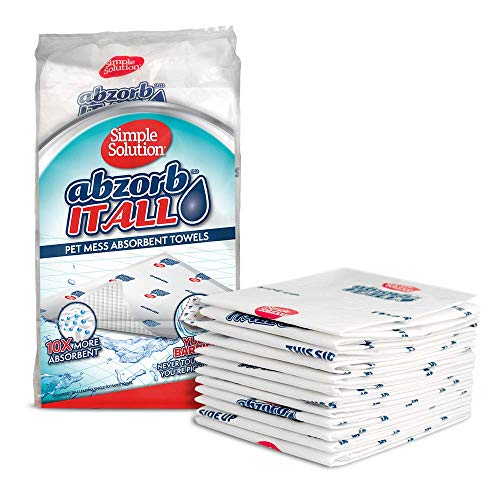
- Absorbent towels or microfiber cloths (dedicated for pet messes)
- Paper towels or rags for initial blotting
- Waste bags and a dispenser for walks
- Pooper scooper for yard cleanup
- Lint roller or pet hair removal tool
- Rubber broom or squeegee for hair removal
- Pet-safe floor cleaner
- Disposable gloves
- Blacklight (UV flashlight) for finding old stains
- Storage caddy or bin to keep everything organized
Nice-to-Have Supplies
- Carpet cleaning machine or spot cleaner
- HEPA air purifier
- Steam mop (for tile and sealed hardwood)
- Pet-safe odor absorber bags (charcoal or zeolite)
- Washable pee pads for puppies or senior dogs
- Paw cleaning station (towel, paw washer, or mat)
- Dog-specific laundry detergent for bedding and towels
Daily, Weekly & Monthly Routines
The secret to a clean home with dogs isn't marathon cleaning sessions — it's consistent, manageable routines. Here's a schedule that works for most dog owners:
Daily Tasks (5-10 minutes)
- Pick up dog waste in the yard
- Wipe your dog's paws after walks
- Sweep or quick-vacuum high-traffic areas
- Wash food and water bowls
- Spot-clean any accidents immediately
- Quick tidy of dog toys
Weekly Tasks (30-60 minutes)
- Vacuum all floors and rugs thoroughly
- Wash dog bedding and blankets
- Wipe down crates, mats, and feeding stations
- Clean and disinfect dog toys
- Brush your dog to remove loose hair
- Mop hard floors with pet-safe cleaner
- Empty and clean waste containers
Monthly Tasks (1-2 hours)
- Deep clean carpets (spot clean or use carpet machine)
- Wash dog collars, leashes, and harnesses
- Clean upholstery and furniture
- Wash or replace air purifier filters
- Clean windows and surfaces your dog touches (nose prints!)
- Inspect and clean dog house or outdoor shelter
- Refresh odor absorbers (charcoal bags in sunlight)
Consistency Beats Intensity: A quick daily tidy-up prevents messes from piling up. Ten minutes a day is far more manageable than a four-hour deep clean every weekend. Involve all family members — everyone who benefits from the dog should contribute to cleanup.
Common Dog Cleanup Mistakes to Avoid
Even well-intentioned owners make mistakes that can worsen odors, damage surfaces, or endanger their dogs. Here's what to avoid:
- Using ammonia-based cleaners on urine. Urine contains ammonia. Using ammonia-based cleaners attracts your dog back to the same spot and can cause respiratory irritation. Always use enzymatic cleaners for pet messes.
- Using heat on stains. Hot water, steam cleaners, and irons set protein-based stains (urine, vomit, blood) permanently. Always use cold water and enzymatic cleaners.
- Rubbing stains instead of blotting. Rubbing pushes mess deeper into carpet fibers and can spread the stain. Always blot firmly with clean towels.
- Using human cleaning products around pets. Many common household cleaners contain toxic ingredients. Always check labels and choose pet-safe options.
- Neglecting the source of odors. Masking odors with air fresheners doesn't solve the problem. Find and eliminate the source — old stains, dirty bedding, or unwashed toys.
- Over-bathing your dog. Bathing too frequently strips natural oils and can cause skin problems. Most dogs need bathing every 2-3 months unless they get into something smelly. See our dog bathing guide for details.
- Ignoring the car. Dog hair and odors accumulate in cars just as they do in homes. Use seat covers, rubber floor mats, and keep a handheld vacuum and lint roller in the car for quick cleanups.
- Letting waste sit in the yard. Accumulated waste attracts flies, spreads parasites, and creates persistent odors. Pick up daily, especially in warm weather.
Frequently Asked Questions
You Don't Need Everything at Once
Start with the essentials: an enzymatic cleaner, waste bags, a good vacuum, and microfiber cloths. Add specialized tools as you identify your specific pain points. The goal isn't a perfectly sterile home — it's a comfortable, healthy living environment for both you and your dog. Consistent daily habits matter far more than expensive products. With the right supplies and a solid routine, you can enjoy all the joy your dog brings without the mess taking over your home.