What to Do When Your Dog Gets Her Period
A complete guide to caring for your female dog during her heat cycle — from the first signs to the final stage.
When your female dog gets her first "period," it can be a surprising and messy experience. Clinically known as the estrus cycle or heat cycle, this is a natural part of a female dog's reproductive life. Understanding what is happening and knowing how to care for your dog during this time is essential for her comfort and your peace of mind.
This guide covers everything from the signs that your dog is in heat to actionable steps for managing bleeding, protecting her from unwanted pregnancy, and making the right long-term decisions about spaying. Let's ensure you are fully prepared.
Important: Most female dogs experience their first heat cycle between 6 and 15 months of age. Small breeds tend to start earlier, while large and giant breeds may not have their first heat until 18–24 months. The cycle typically repeats every 6–8 months, but this can vary.
What Does "In Heat" Mean?
Being "in heat" means your dog is fertile and capable of becoming pregnant. It is the only time during her reproductive cycle when she will accept a male dog for mating. The heat cycle is driven by hormones and prepares her body for potential pregnancy.
Understanding the process starts with knowing at what age a dog goes into heat for the first time. It is a milestone that signals sexual maturity. Before this, her body is not yet ready for reproduction. Once the cycles begin, they will continue throughout her life unless she is spayed.
Unlike humans, dogs do not have a monthly period. Their heat cycles occur twice a year on average, though breeds and individuals differ. The entire cycle, from the start of bleeding to the end of the receptive period, lasts about 2 to 4 weeks.
How to Recognize Your Dog Is in Heat
Recognizing the signs of a heat cycle early helps you prepare and prevent surprises. The most obvious signs are physical, but behavioral changes can be equally telling. Here is what to look for:
- Swollen vulva: The external genitalia becomes noticeably larger and may appear puffy. This is often the first visible sign.
- Bloody discharge: A reddish or straw-colored discharge from the vulva is the classic sign. The color and consistency change as the cycle progresses.
- Increased urination: She may urinate more frequently and in smaller amounts. This is a way to leave pheromone signals for male dogs.
- Behavioral changes: She may become restless, anxious, or more clingy. Some dogs become more affectionate, while others may seem irritable or moody.
- Interest from male dogs: If you have intact male dogs nearby, they will likely show intense, persistent interest. Unneutered males may become overly focused on her.
- Flagging: She may hold her tail to the side (flagging) and expose her vulva when approached, especially during the fertile phase.
Pro Tip: Keep a journal or mark your calendar when you first notice signs. Tracking your dog's cycles helps you predict her next heat and plan for spaying or safe management. Many owners find the first heat cycle can be different and less predictable than subsequent ones.
The 4 Stages of a Dog's Heat Cycle
Understanding the four stages of the heat cycle helps you know exactly where your dog is in the process and what to expect next. The stages are driven by hormonal changes and each has distinct characteristics.
- Proestrus (The Start): This stage lasts 7–10 days on average. You will notice a swollen vulva and bloody discharge. She is not yet receptive to males and will likely reject their advances. This is often the messiest stage.
- Estrus (The Fertile Period): Lasting 5–14 days, this is when she is sexually receptive and can become pregnant. The discharge often changes to a lighter, watery color. She will actively seek out and accept males. Pregnancy can only occur during this window.
- Diestrus (The Aftermath): This stage lasts around 60–90 days. Even if not pregnant, her body undergoes changes similar to early pregnancy. The swelling and discharge subside. Progesterone levels rise and then drop.
- Anestrus (The Rest Period): This is the dormant period between cycles, lasting several months. Her hormones are at baseline. This is the calm before the next heat cycle begins.
For a deeper look, the 4 stages of a dog in heat are explained in more detail in our dedicated guide, which can be a valuable reference.
Immediate Steps to Take
When you first notice signs of heat, here is what to do to manage the situation effectively and ensure her well-being:
- Assess the situation: Confirm the signs. Check for vulvar swelling and discharge. Determine which stage she is likely in based on the timeline.
- Isolate from intact males: This is critical. Unneutered male dogs can be very persistent. Keep her indoors or in a secure fenced area. Never leave her unattended outdoors, even in a fenced yard.
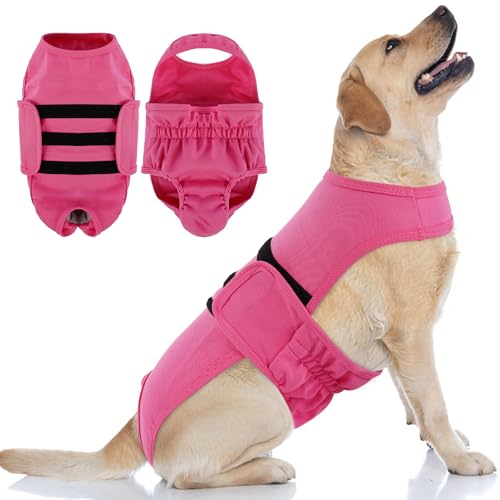
- Prepare for mess: The bleeding can stain furniture and floors. Use washable covers on beds and couches. Consider dog diapers to manage the discharge effectively.
- Maintain her routine: While she may feel uncomfortable, try to keep walks and feeding times consistent. This provides a sense of normalcy. Be flexible if she seems tired or less interested.
- Monitor behavior: Watch for signs of distress or pain. While not common, some dogs experience discomfort. Contact your vet if she seems unusually lethargic, stops eating, or shows signs of severe pain.
Home Care: Diapers, Cleanliness & Comfort
Caring for your dog during her period involves managing hygiene, providing comfort, and minimizing stress for both of you. Here are practical strategies for home care:
Using Dog Diapers
Dog diapers are the most effective way to manage the bleeding. They come in disposable and washable varieties. Ensure a proper fit to prevent leaks and skin irritation. Change the diaper frequently (every 3–4 hours) to maintain hygiene and prevent rashes. Give her diaper-free time to air out and allow her to groom herself naturally. Some owners prefer to use baby diapers with a tail hole cut out as a cost-effective option, but a well-fitting dog diaper is more comfortable and secure.
Cleanliness & Hygiene
Keep her bedding and resting areas clean. Use washable covers and wash them in hot water. Wipe the vulva area gently with a damp cloth if discharge is heavy. Be cautious to avoid irritation. She will also be grooming herself regularly. Let her do this as it is natural and helps keep her clean.
Comfort & Environment
Provide a quiet, comfortable space where she can rest undisturbed. Some dogs are more restless during heat, so a calm environment is beneficial. Maintain your usual interactions but respect her cues. If she wants more attention, give it. If she wants space, allow it. A comfortable bed and a stable routine can make her feel more secure.
Managing Behavior Changes
Hormonal changes during the heat cycle can lead to noticeable shifts in your dog's behavior. Understanding and managing these changes is an important part of caring for her during this time.
Many owners observe that their dog becomes more clingy, seeking extra attention and affection. Others may become restless, pacing or whining. Some may be less interested in food, while others may have an increased appetite. It is also common for a dog to show signs of anxiety or nervousness. These behaviors are driven by her biology and are not acts of defiance.
Here are ways to manage these changes:
- Be patient and understanding. Recognize that her behavior is largely hormonal and temporary.
- Maintain a calm routine. Predictability helps reduce stress. Stick to regular feeding, walking, and play schedules as much as possible.
- Provide mental stimulation. Puzzle toys and training sessions can redirect nervous energy and provide positive outlets.
- Avoid over-stimulating environments. Limit interactions with unfamiliar dogs or busy places. This reduces stress and the risk of unwanted encounters with male dogs.
- Talk to your vet. If behavior changes are extreme or concerning, your vet can offer advice or rule out other underlying issues.
Preventing Unwanted Pregnancy
If you have an intact male dog in the house or in the neighborhood, preventing pregnancy is your top priority during your dog's fertile window. The estrus stage is when she can conceive, and you must be diligent.
- Absolute separation: Keep her completely separated from intact males. This means different rooms, secured doors, and no access to shared spaces.
- Supervised outdoor time: Even a fenced yard is not safe during this time. Always supervise her outdoor time. Male dogs can be incredibly determined and may breach fences or gates.
- Consider a dog diaper: While diapers are not a contraceptive, they can mask scent signals that attract males, reducing their interest.
- Distance on walks: Avoid areas where other dogs frequent. Change your walk routes to minimize encounters.
- Plan ahead: If you are not planning to breed, spaying is the most reliable way to prevent heat cycles and unwanted litters. Discuss timing with your vet.
Important: A female dog can become pregnant during her first heat cycle, even if she is still young. She cannot get pregnant outside of the estrus stage, but the fertile window can be unpredictable. Do not rely on guesswork. If you are not prepared for puppies, strict prevention is required.
Spaying: What to Know
Spaying (ovariohysterectomy) is a surgical procedure that removes the ovaries and uterus, permanently ending a female dog's heat cycles and fertility. It is a major decision that has significant health and behavioral impacts.
Benefits of Spaying
- Eliminates heat cycles: No more bleeding, swelling, or behavioral changes related to estrus.
- Prevents unwanted pregnancy: The most reliable form of birth control.
- Reduces health risks: Drastically lowers the risk of mammary tumors (especially if done before the first heat), and eliminates the risk of uterine infections (pyometra) and ovarian cancers.
- Potentially improves behavior: Can reduce roaming behaviors and certain types of aggression in some dogs.
When to Spay
The optimal age for spaying is a topic of discussion among veterinarians. Traditionally, it was recommended at 6 months, before the first heat. However, more recent studies, particularly in large and giant breeds, suggest waiting until 12-18 months to allow for proper joint development and reduce the risk of certain orthopedic issues. The timing of spaying can be critical for long-term health. Consult your veterinarian to determine the best age for your dog based on her breed, size, and health status.
Spaying During Heat
It is generally recommended to avoid spaying while a dog is in heat. The uterus becomes engorged with blood, increasing surgical risks and complications. Most vets will advise waiting 2–3 months after the heat cycle ends to perform the surgery. Discuss this with your vet to schedule the procedure safely.
Important: Spayed dogs do not go into heat. If your spayed dog seems to be showing signs of heat, or if you notice any discharge or swelling, contact your veterinarian immediately. This could be a sign of a condition called "ovarian remnant syndrome" or a urinary tract infection. If a dog is spayed properly, she will not have a period, but any abnormal symptoms should be evaluated.
When to Call the Vet
While a heat cycle is a normal physiological process, there are situations where veterinary attention is needed. It's important to recognize the warning signs of complications.
- Bleeding that is excessively heavy or lasts longer than 2 weeks.
- Lethargy, weakness, or loss of appetite that lasts more than a day.
- Excessive thirst or urination.
- Signs of pain: whining, pacing, shaking, or a tucked abdomen.
- Foul-smelling discharge from the vulva.
- A bloated abdomen or difficulty breathing.
- Unusual behavior changes, especially aggression.
These symptoms could indicate an infection, a uterine condition (pyometra), or another health issue requiring immediate treatment. Trust your instincts. If something feels wrong, contact your vet or an emergency clinic. It is always better to be cautious when it comes to your dog's health.
Frequently Asked Questions
You Are Ready: Managing your dog's heat cycle is a temporary but recurring responsibility. With the right preparation, you can keep her comfortable, prevent unwanted pregnancies, and maintain a clean home. If you are considering a long-term solution, spaying is an important option. Whether this is her first or fifth heat, you now have the knowledge to handle it with confidence. For any specific health concerns, always consult your veterinarian.