The 4 Stages of a Dog in Heat
A clear, complete guide to the canine estrous cycle. Learn what happens during proestrus, estrus, diestrus, and anestrus — so you can care for your female dog with confidence.
If you have an unspayed female dog, understanding her heat cycle is essential. The reproductive cycle — scientifically called the estrous cycle — is divided into four distinct stages. Each stage brings physical and behavioral changes that signal her fertility and reproductive status. Knowing these stages helps you prevent unwanted pregnancies, manage her behavior, and spot potential health issues early.
This guide breaks down what are the 4 stages of a dog in heat, how long each stage lasts, what signs to look for, and how to support your dog through her cycle. Whether you're a first-time dog owner or preparing to breed, this information is crucial for responsible pet ownership.
🐾 Quick Overview of the Canine Estrous Cycle
- Proestrus: Swollen vulva, bloody discharge, attracts males but not receptive. (Avg. 9 days)
- Estrus: Fertile period, discharge lightens, "flagging" behavior, receptive to males. (Avg. 9 days)
- Diestrus: Post-fertile phase, pregnancy or rest, no longer receptive. (Avg. 60 days if pregnant)
- Anestrus: Reproductive rest, no sexual activity. (Avg. 4–5 months)
Stage 1: Proestrus — The Beginning
Proestrus marks the start of the heat cycle. During this stage, hormonal changes trigger physical signs and behavioral shifts. This is often the most noticeable stage for owners because of the visible bleeding and swelling.
🔴 Key Signs
Duration: 3–9 days (avg. 9 days)- Vulvar swelling: The vulva becomes enlarged and firm.
- Bloody discharge: A red or pink discharge is common. The color often darkens as the stage progresses.
- Increased urination: She may urinate more frequently to leave scent markers.
- Attracts males: Male dogs will be interested, but she is not yet receptive to mating.
- Behavioral changes: Some dogs become restless, clingy, or more irritable.
🧐 What to Watch For
Hormonal Shift: Estrogen rising- She may reject male advances with a growl or snap — she is not ready.
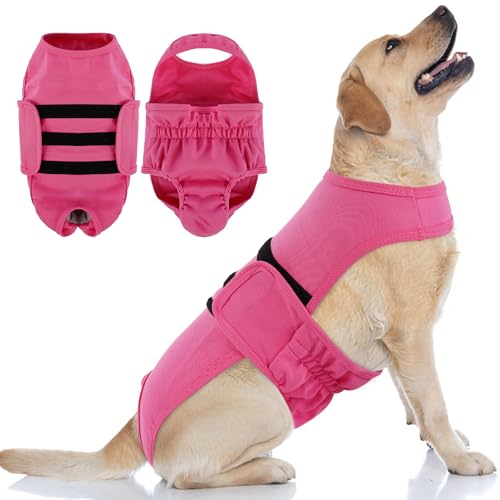
- Use dog diapers or belly bands to manage discharge and protect your home.
- Keep her on a leash during walks — male dogs may appear from surprising places.
- Track the start date to anticipate the fertile period (estrus) which usually follows.
Stage 2: Estrus — The Fertile Window
Estrus is the "standing heat" phase. This is the fertile period when ovulation occurs, and the female dog is receptive to mating. If you are planning to breed, this is the critical window.
💕 Key Signs
Duration: 3–11 days (avg. 9 days)- Discharge changes: Bleeding lightens to a straw-colored or pinkish discharge.
- "Flagging": When you pet her back or apply pressure, she may stand still, raise her tail, and move it to the side (flagging).
- Receptive to males: She will actively court males and stand firmly for breeding.
- Vulva softening: The vulva is still swollen but becomes softer and more relaxed.
🧐 What to Watch For
Fertile Period: Ovulation occurs- This is when she can become pregnant. Keep her away from intact males unless breeding is intended.
- Supervise all outdoor time — a fenced yard may not be enough to deter a determined male.
- Continue using diapers if discharge is still present.
- If breeding, consult your vet for timing — progesterone tests can pinpoint ovulation.
⏰ Important: Ovulation typically occurs 2-3 days after the LH surge, which is often 4-6 days into estrus. The optimal breeding window is usually days 3-5 of estrus (counting from the first day of estrus). However, each dog is individual — vaginal cytology and progesterone testing are the most accurate ways to confirm.
Stage 3: Diestrus — The Resting Phase
Diestrus begins after estrus. Whether your dog is pregnant or not, her body enters a resting phase. This is a period of hormonal stabilization and, if pregnancy occurs, gestation.
🛌 Key Signs
Duration: 30–90 days (avg. 60 days if pregnant)- No longer receptive: She will not accept males and may become aggressive toward them.
- Discharge subsides: The discharge stops, and the vulva returns to normal size.
- Pregnancy: If conception occurred, gestation lasts about 63 days from ovulation.
- Hormonal levels: Progesterone remains high, supporting a potential pregnancy.
🧐 What to Watch For
Progesterone dominant phase- Behavior often normalizes — she is no longer in the hormonal "heat" mindset.
- If not pregnant, she will still go through this hormonal phase but without pups.
- Watch for signs of pyometra(uterine infection), which is more common in older unspayed dogs.
- If you suspect pregnancy, schedule a vet visit for confirmation and prenatal care.
Stage 4: Anestrus — Reproductive Rest
Anestrus is the period of reproductive inactivity between cycles. This is a necessary "reset" phase for the female reproductive system.
⏸️ Key Signs
Duration: 3–5 months (avg. 4–5 months)- No heat symptoms: No vulvar swelling, no discharge, no attraction to males.
- Normal behavior: Her temperament returns to baseline.
- Reproductive rest: The ovaries are inactive, and hormone levels are low.
- Prepares for next cycle: The body prepares for the next proestrus.
🧐 What to Watch For
Quiet phase, prepare for the next cycle- Use this time to schedule a wellness exam or dental care.
- Track the duration of anestrus — it can vary by breed and individual.
- Typically, dogs go into heat twice a year (every 6 months), but some breeds vary.
- If the cycle seems irregular or absent, consult your vet for a checkup.
At-a-Glance Comparison: The 4 Stages
| Stage | Average Duration | Key Signs | Fertility |
|---|---|---|---|
| Proestrus | 9 days | Bleeding, swelling, attracts males | ❌ Not receptive |
| Estrus | 9 days | Flagging, receptive, discharge lightens | ✅ Fertile |
| Diestrus | 60–90 days | Not receptive, pregnancy or rest | ❌ Not receptive |
| Anestrus | 4–5 months | No symptoms, reproductive rest | ⏸️ Dormant |
Frequently Asked Questions
🐕 Ready for the next step?
Understanding the 4 stages of a dog in heat empowers you to make informed decisions about breeding, health, and prevention. If you're not planning to breed, spaying is a responsible choice that eliminates heat cycles and reduces the risk of certain cancers. For breeders, tracking these stages with a fertility calendar and veterinary guidance is essential. No matter your plan, your dog relies on you for her well-being — and knowledge is the first step to great care.