How Can You Tell If Your Dog Is In Heat?
Recognize the 8 key signs, understand the 4 stages of the heat cycle, and learn how to care for your female dog during this important time.
If you have a female dog that hasn't been spayed, one of the most important things you need to understand is the heat cycle (also called estrus). Knowing how can you tell if your dog is in heat is crucial for her health, safety, and to prevent unwanted pregnancies. This comprehensive guide will walk you through every sign, stage, and step of caring for a dog in heat.
8 Key Signs Your Dog Is In Heat
Recognizing the signs of heat is the first step. Here are the most common physical and behavioral changes to look for:
- Swollen Vulva: The most visible physical sign. The vulva will become noticeably enlarged, red, and puffy. This can be one of the first signs that a heat cycle is starting.
- Bloody or Straw-Colored Discharge: During the first stage (proestrus), you will see a bloody discharge. As the cycle progresses to estrus, the discharge often becomes lighter in color, turning to a straw-like or watery consistency.
- Increased Urination: You may notice your dog is marking her territory more often. She may lift her leg more frequently on walks or ask to go out more often to pee.
- Behavioral Changes: Many dogs become more affectionate and clingy. Some may become more restless, anxious, or even a little irritable. Her personality might seem 'different' than usual.
- Flagging (Tail Position): When you pet her lower back or when a male dog is near, she may "flag" – which means holding her tail to the side to expose her vulva. This is a sign she is receptive to breeding.
- Attraction to Male Dogs: Intact male dogs will become more interested in her. She may also show interest in males, especially during the estrus stage. She might even try to escape to find a mate.
- Licking the Genital Area: You may notice your dog licking her vulva more often to clean up the discharge. This is a normal part of her cycle.
- Changes in Appetite: Some female dogs experience a decreased appetite or even mild nausea during the early stages of their heat cycle.
🐕 Important Note: These signs can vary between individual dogs. Some dogs show very clear symptoms, while others may have a "silent heat" with very few outward signs. If you are unsure, consult your vet. Understanding how long are dogs in heat for the first time can help you better anticipate when your dog might first show these signs.
The 4 Stages of the Heat Cycle
The canine estrus cycle is broken down into four distinct stages. Knowing what happens in each stage will help you answer the question, "how can you tell if your dog is in heat?" at any point in the cycle.
- Proestrus (First 7-10 days): This is the beginning of the heat cycle. You'll notice a swollen vulva, a bloody discharge, and your dog will be attractive to males but will not yet allow breeding. She may also show signs of increased urination and behavioral changes (clinging, restlessness).
- Estrus (Next 5-10 days): This is the fertile, "standing heat" period. The discharge often becomes lighter (straw-colored). She will now accept a male and actively court him (flagging). She is most fertile during this stage and can get pregnant. This is the time when she will actively seek out male dogs.
- Diestrus (Lasts 2-3 months): This is the period after estrus. The discharge will stop, and the vulva will return to its normal size. The dog is no longer fertile. If she is pregnant, this is the gestation period. If not, this stage ends with her body returning to a baseline hormonal state.
- Anestrus (The 'rest' period, ~3-4 months): This is the period of reproductive inactivity between cycles. Her body is preparing for the next heat cycle, and she shows no signs of being in heat. This is the longest stage of the cycle, lasting until the next proestrus begins.
🩸 Did you know? The bleeding phase is called proestrus, not the actual "period" itself. Many people think a dog's 'period' is the whole heat cycle, but it's just the first stage. Understanding what are the 4 stages of a dog in heat is crucial to managing her care properly.
Heat Cycle Timeline & Frequency
Knowing the typical timeline and frequency helps you plan ahead and prepare for each cycle.
- First Heat: Most dogs have their first heat between 6 and 15 months of age. How old is a dog when they go in heat can vary widely depending on the breed, with smaller breeds starting earlier.
- Frequency: On average, dogs go into heat about twice a year, or every 6 months. However, this can range from once a year (especially in giant breeds) to up to three times a year in some smaller breeds.
- Cycle Length: A full cycle from the start of one heat to the start of the next is usually around 6 months. The actual period of being 'in heat' (Proestrus and Estrus combined) lasts about 2 to 4 weeks. Knowing how long does a female dog stay in heat for will help you plan for her care during this time.
- When It Stops: Female dogs do not go through menopause like humans. Their cycles will typically continue throughout their lives, although the frequency may decrease as they age. You can read more about what age does a female dog stop going in heat.
How to Care for a Dog in Heat
Proper care is essential to keep your dog comfortable and safe during her heat cycle. Here are practical steps you can take.
- Prevent Unwanted Pregnancy: This is the most important step! Keep her away from intact male dogs. Never leave her unattended outside, and supervise all interactions. Even a moment of inattention can lead to a pregnancy. If you are not planning to breed her, consider puppy spaying timing as a long-term solution.
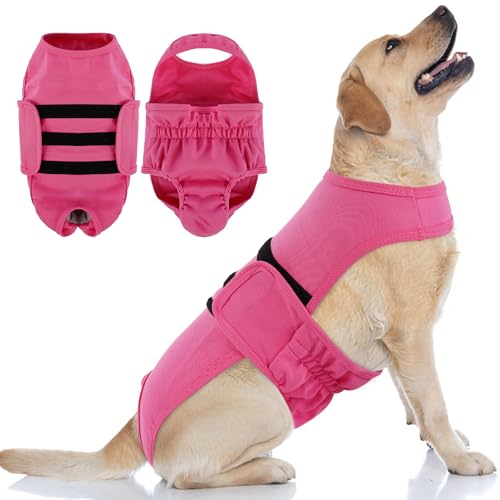
- Maintain Hygiene: Provide a clean, comfortable space. You can use washable dog diapers or sanitary pads designed for dogs to manage the discharge. These can be found at pet stores.
- Keep Her Calm and Comfortable: She may feel uncomfortable, anxious, or restless. Provide a safe, quiet space where she can retreat. Extra cuddles and comfort can help her feel secure.
- Exercise Routine: Continue her normal exercise routine, but be mindful of her energy levels. Avoid dog parks and areas where male dogs may be present. Leash walks in less popular areas are a safer option.
- Monitor Her Health: Watch for any signs of complications, like a foul-smelling discharge, excessive bleeding, or signs of illness such as fever or lethargy. These could indicate a uterine infection (pyometra) and require immediate veterinary attention.
Veterinary Care: If you have any concerns about your dog's health during her heat cycle, or if you notice anything unusual, don't hesitate to contact your veterinarian. This is also an excellent time to discuss spaying or other reproductive health questions.
Understanding your dog's reproductive cycle is a vital part of responsible pet ownership. By recognizing the signs, knowing the stages, and providing proper care, you can ensure a healthy and comfortable experience for your canine companion. For more detailed health care advice, be sure to explore our dog health section.
Frequently Asked Questions
🐾 Final Thought: Knowing how can you tell if your dog is in heat is a fundamental part of being a responsible pet owner. By staying observant and proactive, you can ensure your female dog remains healthy and safe throughout her reproductive life. If you have any doubts or concerns, your veterinarian is always the best source of advice.