Best Dog Treats for Training Puppies
Everything you need to know about choosing the right treats, using them effectively, and building a strong training foundation with your puppy.
Training a puppy is one of the most rewarding experiences of dog ownership, but it comes with a steep learning curve. Puppies have short attention spans, boundless energy, and a natural curiosity that makes them both eager to learn and easy to distract. The right training treats can make the difference between a focused, enthusiastic learner and a puppy who ignores you in favor of the nearest leaf.
But not all treats are created equal. The best dog treats for training puppies are not simply the ones your puppy loves most—they must also be practical, healthy, and used strategically. This guide walks you through everything you need to know, from understanding treat value to managing portions and transitioning away from food rewards as your puppy matures. Whether you are just starting out with puppy training or looking to refine your approach, these principles will help you build a strong, lasting foundation.
Why Treats Matter in Puppy Training
Positive reinforcement is the foundation of modern, ethical dog training. It works by rewarding desired behaviors, which increases the likelihood that those behaviors will be repeated. For puppies, food treats are the most effective and efficient reward because they are primary reinforcers—meaning puppies are naturally motivated by food and do not need to learn to value it.
Treats allow you to communicate precisely what you want. When your puppy sits and you immediately deliver a treat, they learn that sitting earns rewards. When they come to you and get a treat, they learn that coming is worthwhile. Without a clear, immediate reward, puppies struggle to connect their actions to your approval.
Why Food Beats Praise (in the Beginning):
Praise and petting are secondary reinforcers—puppies must learn to value them. Food is a primary reinforcer, meaning puppies are born understanding its value. This makes food the most powerful tool for teaching new behaviors, especially in distracting environments. Once behaviors are learned, you can gradually replace food with praise and life rewards.
Treats also help build a positive association with training itself. A puppy who learns that training sessions are fun and rewarding will be more eager to participate, making future lessons easier. This is especially important for young puppies who are still forming their attitudes toward learning and cooperation.
Types of Training Treats
The market is flooded with options, but for training purposes, some types work better than others. The key characteristics of a good training treat are: small size, soft texture, strong aroma, and high palatability.
Soft Commercial Training Treats
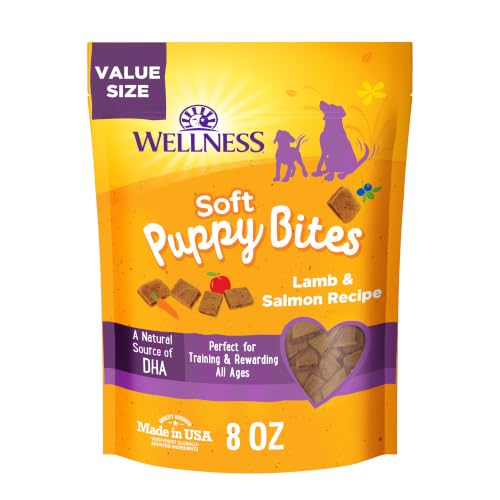
Specifically designed for training, these treats are small, soft, and come in resealable pouches. They are easy to break into smaller pieces and are highly palatable. Many brands offer low-calorie options, making them ideal for frequent use. Look for treats with named meat as the first ingredient and no artificial preservatives. These are the most convenient option for most puppy owners.
entry-level to mid-rangeFreeze-Dried Meat Treats
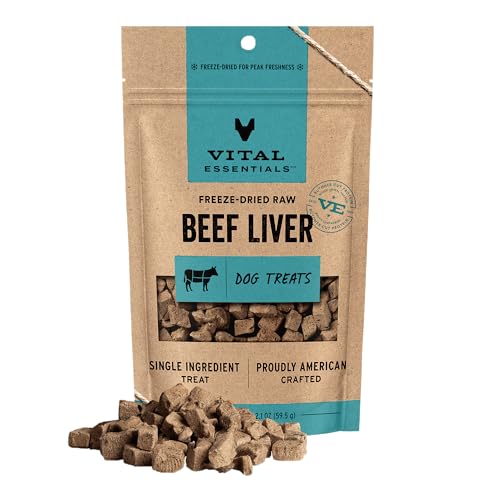
Single-ingredient treats like freeze-dried liver, chicken, or beef are incredibly high-value and aromatic. They are lightweight, easy to crumble, and dogs go crazy for them. Because they are pure protein, they are a healthy option. However, they can be more expensive than commercial treats and may crumble in your pocket. Perfect for high-distraction environments or teaching difficult behaviors.
mid-range to premiumSoft Jerky & Meat Strips
Soft jerky treats made from chicken, turkey, or duck are highly motivating. They can be torn into tiny pieces, making them cost-effective. Look for jerky without added sugars, glycerin, or artificial flavors. Some puppies may have sensitive stomachs, so introduce new proteins gradually. These are excellent for recall training and outdoor sessions.
budget-friendly to mid-tierCheese & Hot Dog Bits
Small cubes of low-sodium cheese or tiny pieces of hot dog are classic high-value training treats. They are affordable and extremely motivating for most puppies. However, they are high in fat and salt, so use them sparingly and only for challenging tasks. Cut them into pea-sized pieces to avoid overfeeding. Not suitable for puppies with dairy sensitivities.
affordableKibble (Regular Food)
Using a portion of your puppy's daily kibble as training rewards is the healthiest option and prevents overfeeding. However, kibble is low-value for most puppies, so it works best in low-distraction environments or for behaviors already well-learned. For new behaviors, you may need to mix kibble with higher-value treats. This is the most budget-friendly option.
budget-friendlyDehydrated Organ Meats
Treats like dehydrated liver, kidney, or heart are nutrient-dense and highly aromatic. They are often sold as single-ingredient products and are excellent for puppies with food sensitivities. They can be crumbled into small pieces and used sparingly due to their richness. These are top-tier training treats for motivated learners.
mid-range to premiumHow to Choose the Best Treats for Your Puppy
With so many options, how do you decide? The best treat for your puppy depends on their individual preferences, dietary needs, and the specific training context. Here are the key factors to consider:
Size & Texture
Training treats should be no larger than a pea. Small treats allow you to reward frequently without filling your puppy up or interrupting the flow of training. Soft treats are ideal because they can be chewed and swallowed quickly—hard, crunchy treats take too long to eat and slow down your session.
Aroma & Palatability
Dogs rely heavily on their sense of smell. A treat that smells strong and appealing will be more motivating than a bland one. Freeze-dried meats and soft commercial treats tend to have the strongest aromas. Test a few options to see what your puppy finds most exciting.
Health & Ingredients
Treats should complement your puppy's diet, not undermine it. Look for treats with named meat as the first ingredient, no artificial colors or preservatives, and no added sugars. Avoid treats high in fillers like corn, wheat, or soy, especially if your puppy has a sensitive stomach. For puppies with allergies, single-ingredient treats are safest.
Convenience
You will be carrying these treats on walks, to training classes, and around the house. Resealable pouches, crumble-friendly textures, and lightweight options make training easier. Treats that leave greasy residue or crumble into dust are less practical for daily use.
Value for Money
Training requires a lot of treats. While premium options may be more motivating, you can stretch your budget by mixing high-value treats with kibble or lower-value options. The key is to match the reward to the difficulty of the task—save the best treats for the hardest challenges.
Pro Tip: Buy a variety of textures and proteins. Puppies can get bored with the same treat, and variety keeps training exciting. Rotate between chicken, beef, liver, and fish-based treats to maintain your puppy's interest.
Understanding Treat Value
Not all treats are equally motivating. In training, we categorize treats into three tiers based on their value to the dog. Understanding these tiers allows you to use the right reward for the right situation.
- Low-Value Treats: These include your puppy's regular kibble, plain biscuits, or simple commercial treats. They are useful for easy behaviors in familiar, low-distraction environments. They are also ideal for rewarding behaviors your puppy already knows well.
- Medium-Value Treats: Soft commercial training treats, small pieces of cheese, or jerky bits. These work well for teaching new behaviors in a familiar setting or practicing known behaviors in slightly more distracting environments.
- High-Value Treats: Freeze-dried liver, chicken, hot dog bits, or specialized high-value training treats. Reserve these for challenging tasks—like recall in a park, ignoring distractions, or working through fear. High-value treats should be used sparingly to maintain their power.
The golden rule: match the reward to the difficulty. If you ask your puppy to do something easy, a low-value reward is fine. If you are asking for something difficult or in a highly distracting environment, bring out the high-value treats. Using high-value treats for everything will dilute their effectiveness and may lead to overfeeding.
Managing Portions & Nutrition
One of the biggest mistakes puppy owners make is overfeeding treats. Treats should never exceed 10% of your puppy's daily caloric intake. For a growing puppy, proper nutrition is critical—filling up on treats can lead to nutritional deficiencies, obesity, and picky eating.
How to Stay Within the 10% Rule
- Break treats into tiny pieces: A pea-sized piece is plenty for most rewards. You can break a single treat into 4-6 pieces.
- Use kibble as treats: Measure out a portion of your puppy's daily kibble and use it for training. Subtract this from their regular meals.
- Adjust meal portions: On training-heavy days, reduce your puppy's regular meals slightly to account for treat calories.
- Choose low-calorie treats: Look for training treats specifically formulated to be low in calories.
Treats and Picky Eating
If your puppy starts refusing their regular food, they may be holding out for treats. This is a common problem. To prevent it, avoid giving treats outside of training sessions, and never use treats to bribe a puppy to eat their meals. If your puppy refuses their food, pick it up after 15 minutes and offer it again at the next scheduled meal—do not replace it with treats.
For puppies with specific dietary needs, consult your veterinarian before introducing new treats. If you are dealing with a sensitive stomach, single-ingredient treats are often the safest choice.
DIY & Healthy Alternatives
You do not need to buy expensive commercial treats to train your puppy effectively. Many healthy, affordable options are already in your kitchen. Here are some excellent alternatives:
- Cooked chicken breast: Plain, boiled, and cut into tiny pieces. High-value and healthy.
- Small pieces of carrot: Low-calorie and crunchy. Best for puppies who enjoy vegetables.
- Cucumber slices: Hydrating and low-calorie. Great for puppies who need to watch their weight.
- Plain cooked green beans: Low-calorie and filling. Use small pieces.
- Cheese cubes: Use low-sodium cheese cut into tiny pieces. High-value but use sparingly.
- Freeze-dried single-ingredient treats: While not DIY, these are essentially just dehydrated meat and are excellent for sensitive puppies.
- Homemade liver treats: Blend cooked liver, egg, and oat flour, bake, and cut into tiny squares. High-value and cost-effective.
Important: Always introduce new foods slowly and one at a time to monitor for allergic reactions or digestive upset. Avoid toxic foods like chocolate, grapes, onions, garlic, and xylitol. For a full list, see our guide to toxic foods for dogs.
Common Mistakes to Avoid
Even well-meaning owners make mistakes when using treats for training. Avoiding these common pitfalls will make your training more effective and keep your puppy healthy.
- Using treats that are too large: Large treats fill your puppy up and slow down training. Always break treats into pea-sized pieces.
- Using the same treat for everything: This dilutes the value of high-value treats. Reserve the best treats for the hardest tasks.
- Rewarding at the wrong time: The treat must come within 1-2 seconds of the desired behavior. If you wait too long, your puppy will not understand what they are being rewarded for.
- Overfeeding treats: Exceeding the 10% rule can lead to obesity and nutritional deficiencies. Always account for treat calories.
- Bribing instead of rewarding: Showing a treat before asking for a behavior is bribery and creates a puppy who only performs when food is visible. Reward after the behavior, not before.
- Using treats as a crutch: Treats are a teaching tool, not a permanent requirement. Gradually fade treats as behaviors become reliable.
- Ignoring your puppy's preferences: Some puppies prefer certain proteins or textures. Pay attention to what your puppy finds most motivating.
Transitioning Away from Treats
Treats are essential for teaching new behaviors, but you do not want to rely on them forever. The goal is to transition to a variable reward schedule where your puppy performs reliably without expecting a treat every time.
The Variable Reward Schedule
Once a behavior is learned, start rewarding intermittently. Sometimes give a treat, sometimes give praise, sometimes give a toy or a game of tug. This is called a variable reward schedule, and it is actually more powerful than consistent rewards because it keeps your puppy guessing and engaged.
Using Life Rewards
Life rewards are things your puppy wants naturally—going for a walk, playing fetch, being let outside, or getting attention. You can use these as rewards for good behavior. For example, ask your puppy to sit before opening the door, or ask for a down before throwing a ball. This teaches your puppy that listening leads to good things, without relying on food.
Phasing Out Treats Gradually
- Start by rewarding every correct response with a treat.
- Once reliable, reward every other response.
- Gradually increase the number of responses between treats.
- Replace treats with praise, petting, or play.
- Occasionally surprise your puppy with a treat to maintain the behavior.
Remember: even after transitioning away from treats, it is good practice to reward your puppy occasionally. This maintains the behavior and keeps training positive. For more advanced training techniques, see our guide to clicker training.
Frequently Asked Questions
Ready to Start Training?
The right treats are just one piece of the puzzle. Combine high-value rewards with patience, consistency, and positive reinforcement, and you will build a strong training foundation that lasts a lifetime. For a complete training system, explore our puppy training guide and our training equipment recommendations. Remember: every interaction is a training opportunity, and the time you invest now will pay off for years to come.