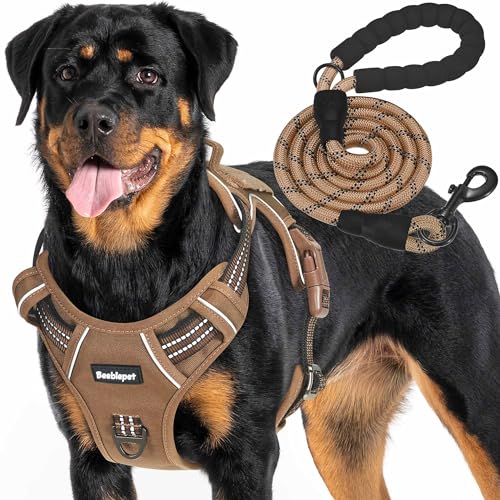
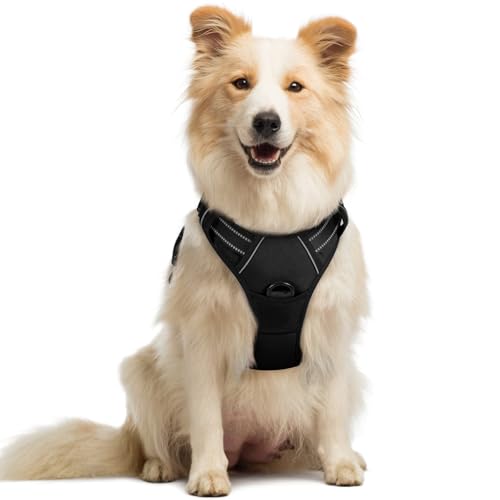
Dog Harness Guide: Choosing the Right Fit for Your Dog
A well-fitted harness is one of the most important pieces of gear you will ever buy for your dog. Learn how harnesses work, which type suits your dog, and how to get the fit right the first time.
Walking your dog should be one of the most enjoyable parts of your day, yet for many owners it becomes a daily struggle. A dog who pulls, chokes, or slips out of their collar turns a relaxing stroll into a stressful tug-of-war. The dog harness was designed to solve exactly this problem. By distributing pressure across the chest and shoulders instead of the throat, a harness gives you more control while keeping your dog comfortable and safe.
But not all harnesses are created equal. A harness that fits poorly or is designed for the wrong activity can restrict movement, rub the skin raw, or even encourage more pulling. This guide walks you through every decision you need to make — from understanding the different harness styles to measuring your dog correctly and choosing materials that hold up over time. If you are still weighing your options across gear categories, our dog harnesses overview and the broader dog products hub are useful companions to this article.
Why Use a Dog Harness
A harness is more than a fashion accessory. It changes how force is applied to your dog's body when the leash tightens. With a collar, all the pressure concentrates on the trachea, thyroid, and blood vessels in the neck. With a harness, that force is spread across the chest, shoulders, and ribcage — areas built to handle load.
Core Benefits of a Well-Fitted Harness
- Protects the neck and throat: This matters most for small breeds, flat-faced dogs, and any dog prone to tracheal collapse. Pressure from a collar on a narrow windpipe can cause chronic coughing and permanent damage.
- Reduces choking and gagging: A dog who pulls hard on a collar often coughs, wheezes, or gags. A harness removes this entirely because nothing presses on the airway.
- Better control for strong pullers: A front-clip harness gives you leverage to redirect your dog's momentum rather than fighting against it. This makes walks safer for both of you, especially with large or reactive dogs.
- Escape prevention: A properly fitted harness is much harder for a dog to back out of than a collar. This is critical for dogs who panic at loud noises or slip their collar during walks.
- Comfort during long activities: Hiking, running, and travel are more comfortable for your dog when weight is distributed across the body instead of concentrated on the neck.
- Supports training: A no-pull harness combined with reward-based training is one of the most effective tools for teaching loose-leash walking, as explained in our guide on how to stop dog pulling.
- Accommodates medical needs: Dogs recovering from neck injuries, surgery, or respiratory conditions often cannot wear a collar at all. A harness becomes the only safe walking option.
Who benefits most from a harness?
Small and toy breeds, flat-faced (brachycephalic) breeds like French Bulldogs and Pugs, dogs with existing neck or throat issues, strong pullers, dogs prone to slipping their collar, and any dog being trained to walk calmly on a leash. Collars remain useful for ID tags and for calm dogs who already walk well — but for walking control, the harness is the safer default.
Harness vs Collar: What's the Difference
Both tools have a place, and the right answer depends on your dog, your training goals, and the activity. The table below summarizes the practical differences so you can decide which makes sense for your situation.
| Factor | Dog Harness | Dog Collar |
|---|---|---|
| Pressure distribution | Chest, shoulders, and ribcage | Neck and throat |
| Best for pulling dogs | Yes — especially front-clip designs | Not recommended |
| Risk to trachea | Minimal | Significant with pulling |
| Escape resistance | High when fitted correctly | Low — dogs can back out |
| ID tag attachment | Some models include a tag loop | Standard and convenient |
| Ease of putting on | Moderate — some learning curve | Very easy |
| Comfort on long walks | Excellent | Adequate for calm dogs |
| Use for training loose leash | Excellent with front-clip or no-pull design | Limited |
A practical approach used by many trainers is to keep a collar on your dog for ID tags, and use a harness for walking and training. If you want to explore collar options for tag-only purposes, our dog collars guide covers materials and buckle types. For leash matching, see the dog leash guide.
Types of Dog Harnesses
Harnesses fall into several broad categories, each designed for a different purpose. Understanding the differences before you buy prevents the common mistake of choosing a style that fights against your dog's body or your training goals.
Back-Clip Harness
The leash attaches on the dog's back. This is the most traditional design and works well for calm dogs who already walk nicely. It is comfortable, easy to put on, and allows full shoulder movement. However, back-clip harnesses do little to discourage pulling, and strong pullers may actually pull harder because they can lean into the pressure.
Everyday walkingFront-Clip Harness
The leash attaches at the chest. When your dog pulls forward, the leash gently turns them to the side, redirecting momentum. This makes it a favorite for training loose-leash walking. Front-clip harnesses work best for dogs who lunge or pull hard, though they can feel awkward for dogs new to the design at first.
No-pull trainingDual-Clip Harness
Offers attachment points on both the back and the chest. You can use the front clip for training sessions and the back clip for relaxed walks, or use a double-ended leash to connect both points for maximum control. This is the most versatile option and a strong choice if you only want to buy one harness.
Versatile all-rounderStep-In Harness
Your dog steps into the harness like a vest, and it fastens on the back. Step-in harnesses are quick to put on and ideal for dogs who dislike having straps pulled over their head. They suit small and medium dogs well, though very strong pullers may need a sturdier design with more adjustment points.
Quick on and offOver-the-Head Harness
The most common design. The harness slips over your dog's head and fastens at the chest or side. Over-the-head harnesses offer excellent adjustability and security, and are available in every category from entry-level to premium. The main drawback is that some dogs resist the head loop at first — train with treats and patience.
Best adjustabilityPadded / Sport Harness
Designed for running, hiking, and active use. These harnesses feature wide, padded straps, reflective trim, and reinforced stitching. Many include a sturdy handle on the back for lifting your dog over obstacles or assisting them into a car. A high-end padded harness is worth it for dogs who accompany you on outdoor adventures.
Active outdoorsEscape-Proof Harness
Built with extra straps, a martingale loop, or a third belly strap to prevent dogs from backing out. These are essential for dogs who panic easily, are anxious, or have a history of slipping collars. Some models also include a buckle on the neck strap so you do not have to pull the harness over the head of a fearful dog.
High-security designCar Safety Harness
Engineered to restrain your dog in a vehicle, often crash-tested and compatible with seat belt buckles. A car safety harness is not a substitute for a walking harness, but it is essential for safe travel. For short errands, a dog car seat may be more practical, while a dog car harness is the right choice for longer journeys.
Travel safetyChoosing between front and back clip: If your dog pulls, start with a front-clip or dual-clip harness. If your dog already walks calmly on a loose leash, a well-padded back-clip harness is comfortable and unobtrusive. Many owners find a dual-clip harness the best long-term investment because it adapts as the dog's training progresses.
How to Measure and Fit a Dog Harness
Fit is the single most important factor in harness safety and comfort. A harness that is too loose allows your dog to slip out. A harness that is too tight causes chafing, restricts breathing, and limits shoulder movement. Getting the measurements right takes five minutes and prevents weeks of frustration.
Step-by-Step Measuring
- Measure the girth: Wrap a soft tape measure around the widest part of your dog's ribcage, just behind the front legs. This is the most important measurement and appears on every sizing chart.
- Measure the neck: Measure around the base of the neck where the harness collar will sit. Leave room for two fingers.
- Measure the back length (if applicable): From the base of the neck to the base of the tail. Some harnesses use this to determine size.
- Check the chest depth: For dogs with deep chests or narrow waists, measure from behind the front legs down to the sternum. Some brands include this measurement for a secure fit.
- Compare to the chart: Always use the manufacturer's sizing chart rather than relying on weight or breed. If you fall between sizes, choose the larger size on adjustable harnesses and tighten it down.
How a Good Fit Should Feel
- You can slide two fingers under every strap — snug but not tight.
- The harness does not slide sideways or rotate during walks.
- The chest strap sits below the throat, not on the windpipe.
- No strap crosses the shoulder joint or restricts front leg movement.
- The harness does not rub in the armpits — a common problem spot.
- Your dog can walk, run, sit, and lie down without the harness shifting.
Signs of an ill-fitting harness: Redness or bald patches in the armpits, a dog who walks sideways or bunny-hops, a dog who backs out of the harness, visible strap marks after a walk, or a dog who suddenly refuses to walk. If you see any of these signs, re-measure and adjust.
Seasonal changes matter too. A dog's coat thickens in winter and thins in summer, so a harness that fit perfectly in January may be too tight in July. Re-check the fit at the start of each season, and any time your dog gains or loses significant weight.
Materials and Construction
The materials used in a harness determine how long it lasts, how comfortable it is, and how safe it is under load. Understanding the trade-offs helps you avoid both flimsy entry-level harnesses that fail at the worst moment and overbuilt harnesses your dog does not need.
Strap Materials
- Nylon webbing: The standard material. Durable, affordable, and available in many colors. Quality varies widely — look for thick webbing with tight weave and reinforced stitching at stress points. Entry-level nylon harnesses often fray within months, while premium nylon webbing lasts for years.
- Polyester webbing: Slightly softer than nylon, dries faster, and resists fading. Good for dogs who swim or live in humid climates.
- Rope or cord: Found on some sport and climbing-inspired harnesses. Strong and lightweight but can be less comfortable against the skin. Best for active, short-coated dogs.
- Leather: Premium and long-lasting when properly cared for. Heavy and not waterproof, but comfortable once broken in. Leather harnesses suit calm dogs who walk in cool climates.
- BioThane or coated webbing: A waterproof, easy-to-clean material that looks like leather but performs like synthetic. Durable and resistant to odor, making it popular with trainers and handlers.
Padding and Comfort Features
- Neoprene padding: Soft, water-resistant, and comfortable. Common in mid-range and premium harnesses.
- Fleece lining: Plush and gentle on the coat, but absorbs water and dirt. Better for cool, dry climates and short walks.
- Air mesh: Breathable and quick-drying. A good choice for summer walking and dogs who overheat easily.
- Foam padding: Provides load distribution for large dogs and strong pullers. Common on sport and no-pull harnesses.
Hardware Quality
- Aluminum: Lightweight and strong, but can bend under extreme load. Common on premium harnesses for small and medium dogs.
- Steel: The strongest option. Heavier but reliable for large dogs and strong pullers.
- Plastic buckles: Convenient and lightweight, but lower quality plastic can crack in cold weather. Avoid cheap plastic on large-dog harnesses.
- Reflective stitching and trim: A meaningful safety feature for evening walks. Worth prioritizing if you walk at dawn or dusk.
- Reinforced stitching: Look for box-X stitching or bar-tack reinforcement at every stress point — the handle, leash rings, and buckles.
Whichever material you choose, match it to your climate and activity level. A mesh harness is ideal for hot, humid weather; a padded waterproof harness is the better choice for muddy trails. For cold-season walks, you may want to combine a harness with a coat — see our guide to winter jackets for dogs for layering advice.
Using a No-Pull Harness for Training
A no-pull harness is a training tool, not a substitute for training. It reduces the leverage your dog gains from pulling, which makes your training sessions more productive — but your dog still needs to learn what you want them to do instead of pulling.
How No-Pull Harnesses Work
Front-clip harnesses attach the leash at the chest. When your dog pulls forward, the attachment point turns their body toward you. This interrupts the pulling motion without pain or force. Some harnesses also include a martingale loop at the front that tightens gently when the dog pulls, similar in principle to a martingale collar but distributed across the chest instead of the throat.
Training Principles That Work
- Reward the behavior you want: The moment your dog looks back at you or the leash goes slack, mark it with "yes" and reward. This teaches that walking near you is worthwhile.
- Stop when the leash tightens: If your dog pulls, stop moving and wait. When they look back or step toward you, resume walking. This teaches that pulling makes the walk stop.
- Change direction: If your dog is locked onto a target, turn and walk the other way. Reward your dog when they follow. This builds the habit of checking in with you.
- Practice in low-distraction environments first: Start in your driveway or a quiet street, then gradually add distractions. A dog who walks well at home is not yet ready for a busy park.
- Keep sessions short and positive: Five to ten minutes of focused training is better than an hour of frustrated tugging. End every session on a success.
Mistakes to Avoid
- Yanking or jerking the leash to correct pulling — this can cause injury and damages trust.
- Using a no-pull harness without training — the harness reduces pulling force but does not teach your dog what to do instead.
- Expecting instant results — loose-leash walking is a skill that develops over weeks, not days.
- Skipping the treat — reward-based training works best when rewards are frequent and valuable at first.
- Punishing check-ins — if your dog looks at you and gets scolded for something unrelated, they learn not to check in.
For a deeper dive into the mechanics of pulling and step-by-step training plans, read our full guide on how to stop dog pulling. If your dog jumps on people during walks, the stop dog jumping guide addresses that related behavior. And for impulse control that makes walks easier, the teach dog leave it exercise is invaluable.
Expect an adjustment period: Some dogs walk awkwardly in a front-clip harness for the first few sessions because the attachment point is unfamiliar. This is normal. Keep sessions short, reward generously, and give your dog time to adjust. Most dogs settle within a week.
Harnesses for Special Needs and Breeds
Certain dogs have physical characteristics that make harness selection more critical. The right design can mean the difference between comfortable walks and chronic discomfort.
Small and Toy Breeds
Small dogs have delicate tracheas and are at higher risk of tracheal collapse when walked on a collar. A lightweight harness with narrow straps and soft padding is ideal. Avoid bulky harnesses designed for large dogs — they can overwhelm a small frame. Step-in designs are popular for tiny breeds because they are quick to put on and do not require pulling a strap over the head.
Flat-Faced (Brachycephalic) Breeds
French Bulldogs, Pugs, Bulldogs, and Boston Terriers have shortened airways and often struggle with heat and exertion. A harness is essential for these breeds because collars add pressure to an already compromised airway. Look for a harness with a Y-shaped front that sits below the throat rather than across it, and choose breathable mesh for hot weather. Our guides on French Bulldog feeding and Cavalier King Charles Spaniel care cover related breed-specific needs.
Senior Dogs and Dogs with Arthritis
Older dogs benefit from a harness with a sturdy back handle, which lets you assist them over steps or into the car without lifting them by the abdomen. Padded straps are important because aging skin is thinner and more prone to chafing. A well-designed harness can keep a senior dog walking longer, which supports joint health and mobility.
Dogs with Anxiety or Escape Behavior
For dogs who panic during thunderstorms or fireworks, an escape-proof harness is essential. Look for a harness with a third belly strap and a neck buckle so you do not have to pull it over a fearful dog's head. Pair the harness with a calming aid — the dog Thundershirt guide and the separation anxiety tips are helpful companions. For broader strategies, see behavior modification techniques and when to see a behaviorist.
Large and Giant Breeds
Large dogs need harnesses built with stronger hardware and wider straps to distribute load. A front-clip harness is particularly valuable for a large dog who pulls, because the redirect gives the handler real control. Check stitching quality carefully — cheap stitching on a large-dog harness can fail under load, which is a serious safety risk.
Harness Care and Maintenance
A quality harness should last years with basic care. Regular cleaning prevents odor, removes salt and dirt that degrade webbing, and gives you a chance to inspect for wear before a strap fails.
Cleaning Routine
- Rinse after muddy or salty walks: Fresh water removes salt, sand, and mud that abrade the webbing and irritate your dog's skin.
- Hand wash monthly: Use mild soap and warm water. Scrub with a soft brush, rinse thoroughly, and air dry away from direct heat. Avoid machine washing unless the manufacturer explicitly allows it.
- Deep clean for odor: Soak in a mixture of water and a small amount of pet-safe detergent, then rinse and air dry completely before use.
- Dry fully before storage: Damp webbing grows mildew quickly, which causes odor and weakens the fibers.
Inspection Checklist
- Check stitching at the handle, leash rings, and buckles for fraying or loosening.
- Inspect webbing for cuts, thinning, or stiffness that indicates wear.
- Test plastic buckles for cracks, especially in cold weather.
- Check metal rings for rust or deformation.
- Look for chafing on the inside of the straps where they contact the dog.
- Replace the harness immediately if any load-bearing component shows significant wear.
When to replace a harness: Replace immediately if a buckle cracks, stitching pulls apart at a stress point, webbing becomes frayed more than a few millimeters, or the metal hardware bends. A harness failure during a walk can mean a loose dog near traffic. Do not gamble on worn gear.
Store your harness hanging rather than crumpled in a bag, which prevents creasing and mildew. If your dog swims regularly, rinse the harness after every swim and dry it fully — chlorine and salt both degrade webbing over time.
Common Harness Buying Mistakes
These mistakes are made by well-meaning owners every day. Knowing them in advance saves money and prevents discomfort for your dog.
- Buying by weight or breed alone: Sizing charts exist for a reason. A "medium" from one brand can be wildly different from a "medium" in another. Always measure your dog's girth and compare to the specific brand's chart.
- Choosing a back-clip harness for a strong puller: A back-clip harness gives a pulling dog more leverage. If your dog pulls, choose a front-clip or dual-clip design instead.
- Sacrificing adjustability for looks: A beautiful harness with only two adjustment points may not fit your dog's unique shape. Prioritize adjustability, especially for dogs with deep chests or narrow waists.
- Skipping the fit check after purchase: Always try the harness on your dog before removing tags or cutting packaging. Walk them around the house and check for rubbing.
- Assuming a harness will stop pulling on its own: A no-pull harness reduces pulling force, but the dog still needs training. Expect to combine the harness with reward-based loose-leash training.
- Ignoring the dog's coat type: Long-haired dogs need harnesses with smooth lining and generous adjustment to prevent matting. Short-haired dogs benefit from padding to avoid chafing.
- Buying the cheapest option for a large dog: Entry-level harnesses are fine for small, calm dogs. For large dogs and strong pullers, invest in mid-range or premium construction with reinforced stitching and quality hardware.
- Using a walking harness as a car restraint: Only crash-tested car harnesses should be used to restrain a dog in a vehicle. A walking harness is not designed for crash forces.
If you are also shopping for walking accessories, our dog boots guide covers paw protection for hot pavement and rough terrain, and the paw protection article explains balms and booties in more detail.
Frequently Asked Questions
Bottom Line
The best dog harness is the one that fits your dog correctly, matches your walking goals, and is built well enough to last. Measure your dog before you shop, choose a front-clip or dual-clip design if your dog pulls, and prioritize padded straps and reinforced stitching for large or active dogs. Combine your harness with consistent training for the calm, comfortable walks you and your dog deserve. If you are still exploring gear categories, our dog harnesses collection, dog leashes guide, and dog products hub are good next stops.

](https://m.media-amazon.com/images/I/41ji4lsxEIL._SL500_.jpg)