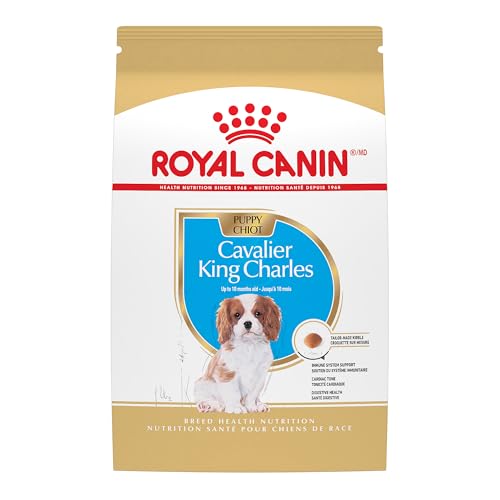
Cavalier King Charles Spaniel: The Complete Breed Guide
Affectionate, gentle, and endlessly companionable, the Cavalier King Charles Spaniel is one of the most beloved toy breeds. This guide covers temperament, grooming, exercise, health risks, training, and what to look for before bringing one home.
See Recommended Breed ProductsThe Cavalier King Charles Spaniel sits in a rare sweet spot in the dog world: small enough to live comfortably in an apartment, but sturdy and sociable enough to join long family walks and outdoor adventures. They were bred for centuries as companion dogs, and it shows in everything they do. Cavaliers want to be near their people — on the couch, in the car, following you from room to room — and they tend to greet strangers with a wag rather than a warning bark.
That affectionate nature makes them excellent first dogs for many households, but it also means they do not do well when left alone for long stretches. They are not guard dogs, they are not high-drive athletes, and they are not low-maintenance. Understanding what this breed actually needs — company, gentle handling, consistent grooming, and proactive heart monitoring — is the difference between a happy Cavalier and a stressed one. If you are still comparing options, our broader guide to dog products and breed resources can help you weigh the trade-offs before committing.
Breed Overview & History
The Cavalier King Charles Spaniel descends from the small spaniels painted alongside European nobility in the 16th and 17th centuries. King Charles II was famously devoted to these little spaniels, and they appear in portraits from his era with the long, feathered ears and gentle expression still seen today. Over subsequent centuries, breeding in England favored a shorter nose and domed skull — producing the modern English Toy Spaniel — before a breeder named Roswell Eldridge offered a prize in the 1920s to anyone who could recreate the older, longer-nosed look. That effort ultimately produced today's Cavalier, which was recognized as a distinct breed and has since become one of the most popular toy breeds in the United States and the United Kingdom.
Breed Group
Toy group. Bred purely as a companion dog, which shapes nearly every behavioral trait — high sociability, low aggression, and a strong need for human contact.
Companion breedSize & Weight
Small breed, typically 12 to 18 pounds as adults, standing roughly 12 to 13 inches at the shoulder. Females are usually slightly smaller than males.
Small / toy-sizedLifespan
Generally 9 to 14 years. Heart health and weight management are the two biggest factors influencing longevity in this breed.
Long-lived for its sizeEnergy Level
Moderate for a toy breed. Happy with short walks and play sessions rather than intense daily athletic training.
Moderate energyShedding
Moderate. The silky coat sheds steadily with seasonal spikes. Not hypoallergenic, but brushing keeps loose hair under control.
Moderate shedderTrainability
Eager to please and food-motivated, which makes positive reinforcement training straightforward. Sensitive to harsh correction.
Highly trainableTemperament & Personality
If you could summarize the Cavalier in one word, it would be affectionate. These dogs form deep attachments to their families and generally prefer to be in the same room as their people at all times. They are famously good with children, patient with other dogs, and often indifferent-to-friendly toward cats and household pets when properly introduced. Aggression is genuinely rare in well-bred, well-socialized Cavaliers.
That said, their companion-dog heritage has a flip side. Cavaliers are prone to separation-related distress because they were never bred to work independently. A Cavalier left alone for ten hours a day will often bark, chew, or house-soil out of anxiety. If your schedule involves long absences, plan for a dog walker, daycare, or a different breed. Our article on things that help with separation anxiety in dogs is worth reading before you bring one home.
They are also sensitive dogs. Raised voices and punishment-based training tend to make them shut down rather than improve behavior. A Cavalier responds best to calm, consistent, reward-based guidance — the same approach that works for most small companion breeds, though Cavaliers are notably softer in temperament than most terriers.
Is a Cavalier Right for Your Household?
- Great fit: Families with gentle children, retirees, apartment dwellers, first-time dog owners, and anyone who works from home or is home most of the day.
- Workable fit: Busy professionals who can arrange midday visits or daycare, and active households that want a walking companion rather than a running partner.
- Poor fit: Homes where the dog will be alone all day, households that want a protective watchdog, and very high-energy athletic homes expecting a jogging or hiking partner for long distances.
Key Temperament Traits at a Glance:
• Affectionate and people-oriented — wants constant companionship
• Gentle and patient — generally excellent with children and seniors
• Sociable with other dogs — rarely dominant or aggressive
• Sensitive — responds poorly to harsh training methods
• Moderate energy — happy with walks and play, not intense sport
• Prone to separation distress — not suited to long daily absences
Appearance & Coat Colors
The Cavalier is a small, well-balanced spaniel with a silky, medium-length coat, long feathered ears, and a soft, expressive face. The tail is usually docked in some countries and left natural in others. The breed comes in four recognized color patterns, each with a distinct look:
| Color Pattern | Description | Notes |
|---|---|---|
| Blenheim | Rich chestnut red patches on a pearly white background | Named after Blenheim Palace; the most recognizable Cavalier color |
| Tricolor | Black and white body with tan markings on cheeks, legs, and eyebrows | Classic spaniel look with distinctive tan points |
| Ruby | Solid rich red coat with no white markings | Uniform color; can make skin issues easier to spot early |
| Black and Tan | Black body with tan markings on face, chest, and legs | Similar pattern to the Gordon Setter, in miniature |
Regardless of color, the coat is fine and silky rather than thick, which means it tangles more easily than it mats. The long feathering on the ears, chest, and backs of the legs is the highest-maintenance area and deserves extra brushing attention. Eye shape and placement give the breed its characteristic soft, melting expression — a trait that has made it a favorite in paintings and, more recently, in advertising.
Exercise & Activity Needs
Cavaliers are moderate-energy dogs. Unlike herding or sporting breeds that need an hour or two of intense daily activity, most Cavaliers thrive on roughly 30 to 45 minutes of daily movement, split into two or three shorter outings. A brisk morning walk, a midday play session in the yard or living room, and an evening stroll is an ideal rhythm for most adults.
Puppies need less structured exercise and more frequent short play bursts, and their joints should not be subjected to repetitive jumping or long forced runs while they are growing. Senior Cavaliers benefit from gentler, shorter walks — often several per day — to maintain mobility without straining the heart or joints.
Best Exercise for a Cavalier
- Neighborhood walks: Two 15–20 minute walks per day cover most of their physical needs and provide valuable sniffing time, which is mentally tiring in a good way.
- Indoor play: Fetch down a hallway, tug with a soft toy, or a short game of hide-and-seek gives them activity without needing outdoor space.
- Mental work: Puzzle feeders and short training sessions tire a Cavalier out faster than extra walking. Fifteen minutes of sniffing or problem-solving is genuinely taxing for them. Our guide to puzzle toys for dogs covers options that suit small breeds.
- Gentle swimming: Some Cavaliers enjoy supervised water play, which is low-impact and good for joint health — but never leave them unattended near water.
Heat and Exercise Caution: The Cavalier has a relatively short muzzle and does not tolerate heat or strenuous exertion well. Walk in the early morning or evening during summer, avoid hot pavement that can burn paw pads, and never push a Cavalier to keep running in warm weather. Signs of overheating include heavy panting, drooling, and reluctance to move — stop immediately and cool the dog down. A cooling mattress for dogs is a worthwhile addition for warm climates.
Grooming & Hygiene
The Cavalier's silky coat is beautiful but genuinely requires routine. This is not a wash-and-go breed. Plan on brushing three to four times per week at minimum, with daily brushing during seasonal shedding periods and whenever the coat starts to look stringy.
Grooming Routine by Task
| Task | Frequency | Details |
|---|---|---|
| Brushing | 3–4 times weekly | Use a slicker brush for the body and a metal comb for ears and feathering. Work through tangles gently — never yank. |
| Bathing | Every 3–4 weeks | Use a dog-specific shampoo. Rinse thoroughly; residue causes itching and dull coat. Our guide to dog shampoo explains how to choose a formula for sensitive skin. |
| Ear cleaning | Weekly | Floppy ears trap moisture and warmth. Check for redness, odor, or discharge and clean with a dog-safe ear solution. |
| Nail trimming | Every 2–4 weeks | Long nails alter gait and stress joints. If you hear clicking on hard floors, it is time to trim. |
| Dental care | Daily ideal, 3x weekly minimum | Small breeds are prone to dental disease. Use dog toothpaste and consider dental chews as a supplement, not a replacement. |
| Eye and face check | Daily | Wipe tear staining, check for redness or discharge, and keep hair trimmed away from the eyes. |
Because the coat is fine and prone to tangling behind the ears and under the front legs, many owners keep the feathering trimmed shorter for easier maintenance. A professional groomer every six to eight weeks is a reasonable schedule for most pet Cavaliers, especially if you are not comfortable trimming around the ears, paws, and sanitary areas yourself. The full set of dog grooming tools needed is fairly modest: slicker brush, metal comb, nail clippers, ear cleaner, and a good shampoo.
Ear Infection Alert: The Cavalier's long, pendulous ears are a genuine health liability. Weekly checks are not optional — they are preventive care. Signs of infection include head shaking, scratching at the ears, a yeasty odor, redness, or discharge. Untreated ear infections can become chronic and painful, and in severe cases can affect balance. If you notice any of these signs, book a vet visit rather than trying home remedies.
Health Issues & Prevention
No breed guide for the Cavalier is complete without an honest discussion of health. This is an affectionate, wonderful breed, but it carries a higher-than-average burden of specific genetic conditions. Knowing what to watch for lets you catch problems early and choose a breeder who is actively working to reduce them.
The Two Major Breed-Specific Concerns
- Mitral valve disease (MVD): A progressive degeneration of the heart's mitral valve that causes a murmur and eventually heart failure. It is the single most significant health issue in the breed, and a large majority of Cavaliers develop some degree of MVD as they age, with many showing murmurs by middle age. There is no cure, but early detection allows veterinary management that can extend both lifespan and quality of life. Annual heart auscultation — and echocardiography for breeding dogs — is the standard of care.
- Syringomyelia (SM): A neurological condition in which fluid-filled cavities form in the spinal cord, often because the skull is too small for the brain. It can cause pain, sensitivity around the head and neck, and abnormal scratching behavior. Responsible breeders screen breeding stock with MRI. This is one of the strongest arguments for buying from a breeder who follows ethical breeding practices and can show health testing documentation.
Other Health Conditions to Monitor
- Patellar luxation: A slipping kneecap common in small breeds. Mild cases may need only monitoring; severe cases may require surgery. Keep the dog lean to reduce stress on the joint.
- Hip dysplasia: Less common than in large breeds but still present. Breeding dogs should be screened, and puppies should not be over-exercised during growth.
- Eye conditions: Cataracts, corneal dystrophy, and retinal problems occur in the breed. Annual eye exams catch changes early.
- Obesity: A serious and under-discussed risk. Excess weight accelerates heart strain and joint disease, and Cavaliers are skilled at begging. Measure food, limit treats, and maintain a visible waistline.
- Dental disease: Small mouths and crowded teeth mean tartar buildup is common. Daily brushing and professional cleanings protect the heart and kidneys as well as the mouth.
- Tracheal collapse: Small breeds can develop a collapsing windpipe that causes a honking cough. Using a harness instead of a collar for leash walking reduces pressure on the throat. Our dog harness guide explains the fit.
Preventive Care Schedule
- Annual wellness exams: Physical exam, weight check, dental assessment, and vaccination review. After age five or six, ask for a heart murmur check at every visit.
- Heart screening: Auscultation annually from middle age onward; echocardiography if a murmur is detected. Early cardiology referral improves long-term management.
- Parasite prevention: Year-round flea, tick, and heartworm prevention is standard. Heartworm disease is particularly dangerous for a breed already predisposed to heart problems.
- Dental cleanings: Professional cleaning as recommended by your vet, usually every one to two years depending on home care.
- Weight monitoring: Weigh monthly at home and adjust portions accordingly. Ask your vet to score body condition at every exam.
Choosing a Health-Tested Breeder Matters: Cavaliers are a breed where breeder screening is not a luxury — it is the primary lever for reducing heart and neurological disease. Ask to see cardiac clearances from a veterinary cardiologist and, for SM, MRI screening results on the parents. Reputable breeders will discuss these issues openly rather than dismissing them. Review our questions to ask a dog breeder and the red flags of a bad breeder before placing a deposit.
Training & Socialization
Cavaliers are among the easier toy breeds to train, provided you use the right method. They are food-motivated, eager to please, and genuinely want to be near you — all of which makes positive reinforcement highly effective. They are also soft-natured, meaning harsh corrections cause them to shut down rather than comply. Short, cheerful sessions with treats and praise will get you farther with a Cavalier than any corrective tool.
Core Commands and Life Skills
- Recall: The most important safety cue. Practice in a fenced area first, reward generously every time, and never scold a Cavalier for coming to you — even slowly. A reliable recall is what allows off-leash time in safe spaces.
- Loose-leash walking: Because the breed is small and prone to tracheal issues, polite walking on a harness protects the throat. Our guide to stopping a dog from pulling lays out the mechanics.
- Leave it and drop it: Critical for a dog that will pick up stray food or small objects on walks. Both cues take only a few minutes a day to teach. See our step-by-step guide to teaching a dog leave it.
- Settle and quiet: Cavaliers can be alert barkers, especially when they hear noises in the hallway. Teaching a calm settle and rewarding quiet behavior is far more effective than shouting.
- No jumping: A small dog that jumps on guests is less dangerous than a large one, but it is still rude behavior and can cause scratches. Address it early with the techniques in our guide to stopping a dog from jumping.
Socialization Window
The critical socialization period runs roughly from three to fourteen weeks of age. During this window, positive exposure to new people, sounds, surfaces, and gentle handling shapes a Cavalier's confidence for life. Puppy classes that follow vaccination-safe protocols are ideal. Even after the window closes, continue exposing your dog to new experiences — a calm adult Cavalier is a well-socialized one. Our guide to the dog socialization period explains the timeline in detail.
Training Mindset for Cavaliers: Keep sessions to five or ten minutes, end on a success, and train before meals when treats are most motivating. Never use physical corrections or dominance-based methods — this breed is sensitive and will lose trust quickly. If you hit a wall with a specific behavior, a session or two with a reward-based trainer is well worth it. See when to see a behaviorist if anxiety or fear issues appear.
Living With a Cavalier
A Cavalier fits comfortably into most living situations. They are small enough for apartments, quiet enough for close neighbors, and generally adaptable to city or suburban life. The main constraint is not space — it is time. This is a dog that needs company, and a Cavalier left alone for long hours will struggle regardless of how nice the apartment is.
- Apartment living: Very well suited. Short walks replace a yard, and the breed's moderate energy means they are not bouncing off the walls indoors. A lick mat or puzzle feeder helps with quiet enrichment.
- Homes with children: A good match, but the dog is small and can be injured by rough handling. Supervise interactions with toddlers and teach children to pet gently and leave the dog alone while eating or sleeping.
- Multi-dog homes: Cavaliers usually integrate smoothly with other dogs, especially when introductions are gradual. They are rarely the ones starting conflict.
- Cats and small pets: Generally fine, particularly when the Cavalier is raised with them. Introduce carefully and supervise early encounters.
- Car travel: A small dog that travels well, but should always be secured in a carrier or crash-tested harness rather than loose in the vehicle. A dog car seat or dog car harness is essential for safety.
- Gates and boundaries: A dog gate is useful for keeping a Cavalier out of the kitchen during meal prep or safely confined to one area when needed.
- Beds and comfort: This breed loves soft surfaces and will claim the best cushion in the house. A supportive dog bed helps maintain joint comfort as they age.
Because Cavaliers are companion dogs at their core, enrichment at home is as important as physical exercise. Rotate toys, use food-dispensing puzzles at mealtime, and set aside ten minutes a day for a short training session. A mentally satisfied Cavalier is calmer, less vocal, and less likely to develop destructive habits. Our roundup of interactive dog toys and puzzle toys for dogs covers suitable options for small breeds.
Choosing a Puppy
Buying a Cavalier puppy is not the place to chase the lowest tier of the market. Because the breed carries serious genetic health risks, the quality of the breeder directly affects the likelihood that your dog will develop heart disease or syringomyelia at a young age. Expect a legitimate breeder to ask you as many questions as you ask them, to raise puppies in the home with early socialization, and to provide written health-testing documentation on the parents.
What to Verify Before You Commit
- Cardiac clearance: The parents should have current clearances from a veterinary cardiologist — not just a general practitioner's listen-and-clear. Ask for the documentation.
- Syringomyelia screening: Ideally MRI screening on breeding dogs. This is expensive and many breeders skip it, which is exactly why it is a meaningful filter.
- Other health testing: Eye exams, patellar evaluation, and hip screening where relevant. Our overview of genetic testing for dog breeds explains what the different tests mean.
- Contract terms: A written contract covering health guarantee, return policy, and registration type. Review the breeder contract guide before signing anything.
- Limited vs full registration: Most pet-quality Cavaliers are sold on limited registration, meaning no breeding rights. Understand the distinction before assuming you are buying breeding rights.
- Puppy visit: Meet the puppy, see the mother, and observe where the puppies were raised. A clean, enriched home environment is a strong predictor of a well-socialized puppy. Our puppy visit checklist covers what to look for on-site.
Be cautious of any breeder who cannot produce health clearances, who has multiple litters available at all times, who sells puppies on short notice, or who pressures you to skip the home visit. These are classic characteristics of commercial operations and backyard breeding. Review the difference between a puppy mill and a reputable breeder and the dangers of backyard breeding before you start shopping.
Consider an Adult Rescue Cavalier: Breed-specific rescue organizations frequently have adult Cavaliers available, including retired breeding dogs and dogs surrendered due to owner circumstances. An adult Cavalier's temperament is already established, which can be an advantage for families with children. If you are open to adoption, check breed rescue groups in addition to shelters.
Frequently Asked Questions
The Bottom Line on the Cavalier King Charles Spaniel
The Cavalier is a genuinely wonderful companion: affectionate, gentle, adaptable, and easy to train with positive methods. It suits apartment dwellers, families with children, and anyone who wants a dog that truly wants to be with them. The trade-offs are real — significant breed-specific heart and neurological risks, a grooming routine that cannot be skipped, and a strong need for company. Buy from a health-testing breeder, keep the dog lean, monitor the heart annually, and you will have one of the most loving small breeds in the world. Start by reviewing our dog breeders section for how to identify a responsible source, and take your time before placing a deposit.