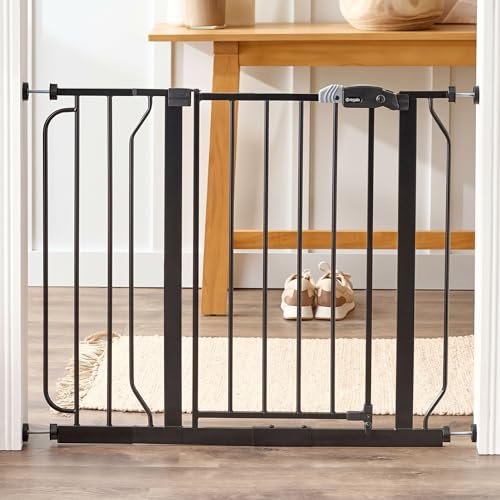
The Complete Dog Gate Buying Guide
Everything you need to know about choosing, measuring, and installing a dog gate — so you can keep your dog safe, protect your home, and create comfortable boundaries for your pet.
A dog gate is one of the most practical and affordable investments you can make for your home and your dog. It creates safe boundaries, keeps your dog out of dangerous areas like kitchens and stairways, protects furniture and flooring, and gives your dog a calm, predictable space of their own. Yet many owners buy the wrong gate — one that is too short, too flimsy, or mounted incorrectly — and end up with a dog who jumps over it or pushes it down.
This guide walks you through every decision involved in buying a dog gate: the different types available, how to measure your space correctly, which materials hold up best, and how to install a gate safely. Whether you need a dog gate for a doorway, a staircase, or a wide open living area, the principles here will help you choose a gate that actually works for your dog's size and temperament.
Why Every Dog Owner Needs a Dog Gate
Dogs are naturally curious and often drawn to places they shouldn't go — the kitchen during meal prep, the stairs when they're still a puppy, or the front door when guests arrive. A dog gate gives you a simple, humane way to manage your dog's environment without constant supervision or closing doors.
A well-placed gate solves several common problems at once:
- Safety: Keeps dogs away from stairs, hot stoves, cleaning supplies, and other hazards. This is especially important for new puppies who explore with their mouths.
- House training support: Confining your dog to a smaller, safe area makes crate training and potty training easier and reduces accidents in other parts of the home.
- Behavior management: Prevents jumping on guests, counter surfing, and door dashing. A gate gives you a moment to manage greetings calmly.
- Separation when needed: Gives your dog a quiet space away from children, visitors, or other pets, which is especially useful for dogs with separation anxiety or those who need gradual introductions.
- Protecting your home: Keeps dogs off carpets, away from furniture, and out of rooms with valuables or fragile items.
- Multi-pet households: Creates separate zones for dogs and cats or for pets who need time apart during feeding or adjustment periods.
Did You Know? Veterinary behaviorists often recommend gates as part of a comprehensive behavior modification plan. A gate gives a reactive or anxious dog a visual barrier that reduces stress without total isolation. Combined with positive behavior modification, gates can help dogs learn calm behavior around triggers.
Types of Dog Gates
Not all dog gates are the same. The right choice depends on where you plan to use it, your dog's size and strength, and whether you rent or own your home. Here are the main types available:
Pressure-Mounted Gates
Installed by tension against walls or doorframes without drilling. Ideal for renters and temporary setups. Best for doorways and room dividers on level floors. Not recommended for the top of stairs because a determined dog can push them loose.
Budget-friendly to mid-tierHardware-Mounted Gates
Screwed directly into walls or banisters for a permanent, secure installation. The safest choice for stairs and strong dogs. Requires drilling but provides much greater stability. Often includes a walk-through door for easy human passage.
Mid-tier to premiumWalk-Through Gates
Feature a door that opens for people, so you don't have to step over the gate every time. Available in both pressure and hardware-mounted versions. Look for one-handed latches and auto-close features for convenience and safety.
Mid-tier to high-endRetractable Gates
Roll up like a window blind when not in use, making them great for wide or irregular openings and small homes. Best for small to medium dogs that are not escape artists. Less sturdy than fixed gates and not suitable for stairs.
Mid-rangeFree-Standing / Playpen Gates
Configurable panels that form a pen or a freestanding barrier. Useful for puppies, travel, and creating temporary safe zones. Not attached to walls, so they are easy to move but can be pushed by large dogs.
Entry-level to mid-rangeWide-Span Gates
Designed for extra-wide openings such as open-plan living areas or double doorways. Often pressure-mounted with extension kits. Choose models with reinforced bars and a secure latch for larger dogs.
Mid-tier to premiumIf you're also setting up a safe outdoor area, consider pairing an indoor gate with a dog fence for complete containment. For travel and vet visits, a dog crate serves a different but complementary purpose.
How to Measure and Choose the Right Size
Buying the wrong size is the most common dog gate mistake. A gate that is too narrow leaves gaps your dog can squeeze through; one that is too short invites jumping. Measure carefully before you buy.
Measuring Width
- Measure the opening at its narrowest point — usually at the baseboard, where trim can reduce width.
- Measure at the top, middle, and bottom, because walls are rarely perfectly straight.
- Add at least 2 inches to your widest measurement to account for mounting hardware and adjustment.
- Most standard gates fit openings between 28 and 32 inches. Wider openings need extension kits or a wide-span gate.
Measuring Height
- Measure your dog's standing height at the shoulders.
- Measure your dog's height when standing on their hind legs.
- Choose a gate taller than the hind-leg height, ideally with a buffer of several inches.
- Standard gates are about 30 inches high. Large dogs and jumpers need 36 inches or more.
Quick Sizing Guide by Dog Size:
• Small dogs (under 20 lbs): 24–30 inch gate height, standard width openings.
• Medium dogs (20–50 lbs): 30–36 inch gate height, sturdy frame recommended.
• Large dogs (50–90 lbs): 36 inch or taller, hardware-mounted preferred.
• Giant breeds (90+ lbs): 40 inch or taller, heavy-duty hardware-mounted gate only.
Always verify with your dog's actual measurements — breed labels are guides, not rules.
For dogs who are escape artists, a taller gate combined with puzzle toys and lick mats in the gated area can reduce the motivation to escape by keeping them mentally engaged.
Materials and Build Quality
The material of your gate determines how long it lasts and how well it holds up to chewing, pushing, and daily use. Here's how the common options compare:
| Material | Durability | Best For | Notes |
|---|---|---|---|
| Metal (steel/iron) | High | Large dogs, stairs, chewers | Strongest option. Look for powder-coated finishes to prevent rust. Heavier and more expensive. |
| Wood | Medium | Indoor doorways, decorative use | Attractive and blends with home decor. Can be chewed. Best for calm dogs that don't push. |
| Plastic | Low to medium | Small dogs, temporary use, travel | Lightweight and affordable. Can crack under pressure. Avoid for strong chewers. |
| Mesh / fabric | Low | Small dogs, retractable gates | Convenient and portable. Not chew-resistant. Best for gentle dogs and short-term separation. |
| Wire | Medium to high | Indoor use, puppies | See-through and lightweight. Choose models with tight bar spacing to prevent squeezing through. |
For dogs who chew, pair a sturdy gate with appropriate chew toys and treat-dispensing toys for aggressive chewers to redirect the behavior. If your dog is a heavy chewer, a dog muzzle during unsupervised time may be necessary until training improves.
Installation: Pressure vs Hardware Mounted
The installation method is the single biggest factor in how secure your gate will be. Choose based on where the gate goes and how strong your dog is.
Pressure-Mounted Installation
- How it works: The gate is wedged between two walls or doorframes using tension knobs and rubberized pressure pads.
- Pros: No drilling, renter-friendly, easy to move, quick to install.
- Cons: Can be pushed over by determined dogs, may mark walls if over-tightened, not safe for stairs.
- Best for: Doorways, room dividers, level floors, calm or small-to-medium dogs.
- Installation tips: Tighten the tension until the gate cannot be moved by hand, but avoid crushing drywall. Check tension monthly, especially if the gate is used frequently.
Hardware-Mounted Installation
- How it works: The gate is screwed into wall studs or banisters using mounting brackets.
- Pros: Far more secure, safe for stairs, holds up to large dogs and jumpers, often includes a walk-through door.
- Cons: Requires drilling and patching when removed, not ideal for renters, installation takes longer.
- Best for: Stairs, large dogs, strong dogs, permanent setups.
- Installation tips: Always drill into studs or use heavy-duty anchors. For banisters, use specialized banister adapters. Follow the manufacturer's height and spacing instructions exactly.
Stair Safety Rule: Never use a pressure-mounted gate at the top of a staircase. A dog leaning against the gate can cause it to pop loose, and a fall down stairs can be fatal. Use a hardware-mounted gate secured into studs for all stairway placements.
Best Places to Use a Dog Gate
Strategic placement maximizes the gate's usefulness. These are the most common and effective locations:
- Top and bottom of stairs: Protects puppies, senior dogs, and dogs with joint issues from falls. Use hardware-mounted gates. Consider a dog ramp for seniors who need help with stairs.
- Kitchen doorway: Keeps dogs away from hot stoves, food prep, and garbage. A walk-through gate lets family members pass without stepping over.
- Front entryway: Prevents door dashing when guests arrive or deliveries are made. Pairs well with a dog door if you have a securely fenced yard.
- Between living areas: Separates dogs from guests or children when needed, giving everyone a calm space.
- Laundry or utility rooms: Keeps dogs away from cleaning products, litter boxes, and other hazards. Use a dog camera to monitor if your dog is gated while you're away.
- Outdoor patios and decks: Creates a contained outdoor area when paired with a dog fence or when a full fence isn't possible.
If your dog will spend time gated in a room, make that space comfortable with a dog bed, dog bowl for water, and a few dog toys. A positive association with the gated area makes training much easier.
Training Your Dog to Accept the Gate
Some dogs accept a gate immediately; others whine, jump, or try to push through. Training your dog to be calm around the gate is essential, especially if you'll use it regularly.
- Introduce the gate slowly: Set the gate up while your dog watches. Let them sniff it. Reward calm curiosity with treats and praise.
- Feed meals near the gate: Place your dog's bowl on one side of the gate and sit on the other side. This builds positive associations.
- Practice short separations: Put your dog behind the gate for a few seconds, reward calm behavior, then open it. Gradually increase duration.
- Reward quiet behavior: If your dog whines or barks at the gate, wait for a moment of silence before opening it. Never open the gate while your dog is vocalizing, or you'll teach them that noise works.
- Use lick mats and puzzle toys: Give your dog something to do behind the gate. Mental stimulation reduces anxiety and boredom.
- Be consistent: If the gate is sometimes passable and sometimes not, your dog will test it constantly. Decide on rules and stick to them.
For Anxious Dogs: If your dog shows severe distress behind a gate — drooling, pacing, destructive behavior, or nonstop barking — the gate may be too isolating. Pair the gate with calming products or anxiety wraps, and consult a behaviorist if the problem persists. A ThunderShirt can also help during the adjustment period.
Safety Features to Look For
Not every dog gate on the market is equally safe. These features matter more than cosmetic design:
- Narrow bar spacing: Bars should be spaced no more than 2.5 inches apart to prevent small dogs and puppies from squeezing through or getting their heads stuck.
- Secure latch: A latch that requires two motions or a firm squeeze is harder for clever dogs to open. Avoid simple lift-latches that dogs can nudge with their nose.
- Auto-close door: A walk-through door that swings closed automatically prevents accidental open gates.
- Rubberized pressure pads: For pressure-mounted gates, wide rubber pads protect walls and improve grip.
- No sharp edges or exposed screws: Inspect the gate for burrs or pinch points, especially on lower-cost models.
- Non-toxic finish: Dogs may lick or chew the gate. Look for powder-coated or water-based finishes that are safe if ingested.
- Height appropriate for your dog: The safest gate is one your dog cannot jump over or climb.
For added peace of mind, monitor your dog with a dog camera or a GPS tracker if your dog spends time gated in a separate area.
Common Dog Gate Mistakes to Avoid
- Using a pressure gate at the top of stairs: The most dangerous mistake. Always use a hardware-mounted gate for stairways.
- Buying a gate too short for your dog: Measure your dog's jumping height, not just their standing height. A gate that only reaches chest height invites jumping.
- Ignoring bar spacing: A puppy or small dog can squeeze through bars that are too widely spaced. Check spacing before buying.
- Not measuring the opening correctly: Baseboards, molding, and uneven walls all affect fit. Measure at multiple points and add a buffer.
- Over-tightening pressure gates: Overtightened pressure pads can crack drywall or damage doorframes. Follow the manufacturer's tension guidelines.
- Using a cheap gate for a strong dog: A large or determined dog can push over, jump over, or chew through lightweight plastic gates. Match the gate's build to your dog's strength.
- Forgetting to train: A gate is a tool, not a solution. Without training and positive associations, some dogs will injure themselves or become anxious behind the gate.
- Placing the gate where the dog can climb over furniture: Clear nearby climbable objects so your dog can't use furniture to vault the gate.
Frequently Asked Questions
Ready to Choose Your Dog Gate?
Start by deciding where the gate will go. For stairs or strong dogs, choose a hardware-mounted metal gate. For doorways and renters, a pressure-mounted gate with wide pads works well. Measure the opening carefully, match the gate height to your dog's jumping ability, and train your dog gradually with positive reinforcement. If you're also setting up your home for a new dog, our dog products section covers other essentials like dog beds, dog bowls, and toys to complete your setup.