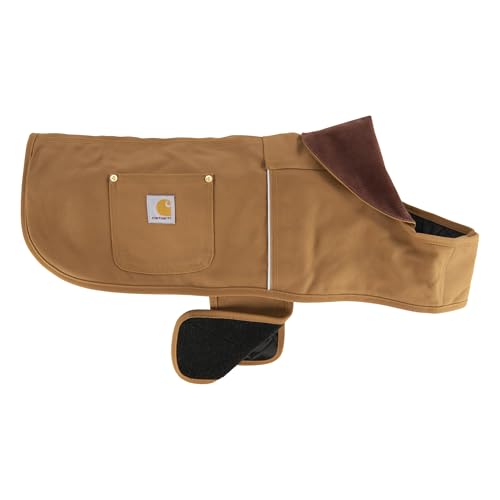
Jackets for Dogs Winter: Complete Buying Guide
Everything you need to know about choosing the right winter jacket for your dog — materials, fit, sizing, and top recommendations for cold-weather walks.
When temperatures drop, your dog still needs exercise, potty breaks, and outdoor time — but cold weather poses real risks for many breeds. A properly fitted winter jacket for dogs provides insulation, blocks wind and moisture, and keeps your canine companion comfortable during cold-weather adventures. Unlike human clothing, dog jackets must balance warmth with mobility, so understanding what actually works matters far more than picking the cutest design.
This guide walks you through everything you need to know about dog clothes for winter: which dogs genuinely benefit, what materials perform best, how to measure for a secure fit, and which features separate a quality jacket from a decorative one. By the end, you'll have the confidence to choose a jacket that keeps your dog warm, dry, and comfortable all season long.
Why Dogs Need Winter Jackets
Dogs regulate body temperature differently than humans. Their fur provides insulation, but for many breeds that insulation is simply not enough when temperatures fall below freezing or when wind and rain strip away body heat. A winter dog jacket compensates by trapping warm air close to the body and blocking the elements.
Key reasons a winter jacket matters:
• Hypothermia prevention: Small and short-haired dogs lose body heat rapidly in cold weather.
• Wind protection: Wind chill accelerates heat loss even when temperatures are mild.
• Moisture management: Wet fur loses insulating properties; a water-resistant shell keeps the undercoat dry.
• Comfort during recovery: Senior dogs, arthritic dogs, and dogs recovering from illness benefit from extra warmth.
• Visibility: Reflective jackets improve safety on dark winter walks.
Cold tolerance varies enormously between individual dogs. A Husky may happily romp in the snow while a Chihuahua shivers at 45°F. Age, body condition, coat type, and overall health all influence how well a dog handles cold. Recognizing the signs of cold discomfort — shivering, tucked tail, lifting paws, reluctance to walk — helps you decide when a jacket is necessary rather than optional.
Which Dogs Benefit Most From Winter Jackets
Not every dog needs a winter coat, and for some breeds a jacket can actually cause overheating. Understanding your dog's natural cold tolerance helps you decide whether to buy one at all.
Small & Toy Breeds
Chihuahuas, Pomeranians, Yorkies, and similar small dogs have a high surface-area-to-body-mass ratio, meaning they lose heat quickly. They benefit most from insulated winter jackets.
High priorityShort-Haired Breeds
Boxers, Greyhounds, Whippets, and Pit Bulls have thin coats with little undercoat. A winter jacket provides essential insulation during cold walks.
High prioritySenior Dogs
Older dogs often struggle to regulate body temperature and may have arthritis that worsens in cold weather. A warm jacket keeps them comfortable and mobile.
High priorityPuppies
Young puppies have developing immune systems and less body fat. Short outdoor potty breaks in cold weather are safer with a properly fitted jacket.
RecommendedThin-Coated Working Breeds
Greyhounds, Salukis, and other sighthounds have minimal body fat and thin skin. They feel cold quickly and benefit from insulated jackets.
RecommendedDouble-Coated Breeds
Huskies, Malamutes, and Newfoundlands have natural insulation and generally do not need jackets for warmth. A waterproof shell may still help in wet conditions.
OptionalDogs with medical conditions such as thyroid issues, heart disease, or kidney disease may have reduced cold tolerance and benefit from extra protection. If you're unsure whether your dog needs a jacket, ask your veterinarian during a routine wellness visit.
Types of Winter Dog Jackets
The market offers several distinct styles, each designed for different conditions and activity levels. Choosing the right type depends on your climate, your dog's activity level, and how long your outdoor walks typically last.
| Jacket Type | Best For | Key Characteristics | Limitations |
|---|---|---|---|
| Insulated Vest | Everyday walks in dry cold | Quilted padding, fleece lining, easy on/off | Not waterproof; limited rain protection |
| Waterproof Shell | Rain, sleet, wet snow | Water-resistant outer, taped seams, lightweight | Minimal insulation on its own |
| Full-Body Coat | Extreme cold, long walks | Covers back, chest, and belly; high collar | Can restrict movement if poorly fitted |
| Fleece Jacket | Mild cold, indoor-to-outdoor transitions | Soft, breathable, lightweight | Not water-resistant; limited wind blocking |
| Snowsuit / Full Cover | Deep snow, freezing temperatures | Full leg coverage, high insulation | Requires precise fit; can be cumbersome |
| Reversible Jacket | Versatility and style | Two looks in one; often water-resistant one side | Insulation may be thinner than dedicated winter coats |
For most dog owners in temperate climates, a mid-range insulated vest with a water-resistant shell covers the majority of winter conditions. In harsher climates or for dogs that spend extended time outdoors, a full-body coat with a waterproof exterior and warm lining is the better choice.
Materials & Insulation
The materials used in a winter dog jacket determine how well it performs in real-world conditions. A jacket that looks warm but soaks through in light rain, or one that traps sweat against the skin, creates more problems than it solves.
Outer Shell Materials
- Ripstop nylon: Lightweight, durable, and wind-resistant. Often treated with a water-repellent finish. A solid mid-range choice for most conditions.
- Polyester blends: Affordable and reasonably durable. Water resistance varies widely; look for treated or coated versions for wet climates.
- Softshell fabric: Combines wind resistance with breathability and stretch. Excellent for active dogs that move a lot.
- Waxed cotton: Traditional water-resistant material. Durable but heavier and requires maintenance. More common in premium heritage-style jackets.
- TPU / PVC coatings: Fully waterproof but less breathable. Best for short walks in heavy rain rather than extended activity.
Insulation & Linings
- Fleece lining: Soft, warm, and breathable. Common in entry-level to mid-range jackets. Provides moderate insulation.
- Quilted padding: Synthetic fill traps warm air. More insulating than fleece alone and common in dedicated winter coats.
- Sherpa / faux fur: Adds warmth around the collar and chest. Comfortable but can mat if not washed properly.
- Thermal reflective lining: Reflects body heat back toward the dog. Found in premium performance jackets.
Material tip: For wet winter climates, prioritize the outer shell's water resistance first, then insulation. A soaked jacket loses most of its insulating value, so a water-resistant shell with moderate insulation outperforms a heavily insulated jacket that soaks through.
How to Measure & Fit a Winter Dog Jacket
Fit is the single most important factor in whether a winter jacket works for your dog. A jacket that's too small restricts movement and causes chafing; one that's too large lets cold air circulate and can trip your dog on stairs or during play.
Three Essential Measurements
- Back length: Measure from the base of the neck (where the collar sits) to the base of the tail. This determines the overall size category. The jacket should cover the back without extending past the tail base.
- Chest girth: Measure around the widest part of the ribcage, just behind the front legs. This is the most critical measurement for a secure fit. Allow room for two fingers under the strap.
- Neck circumference: Measure around the neck where the collar normally sits. This ensures the jacket's neck opening is comfortable and doesn't restrict breathing.
Fit checklist before you buy:
• Compare your measurements to the manufacturer's size chart — never assume by breed or weight alone.
• If your dog is between sizes, size up for layering or if the jacket has adjustable straps.
• Check that the jacket allows full leg movement and does not rub under the front legs.
• Look for adjustable chest and belly straps — they accommodate body shape variations.
• Ensure the jacket has a leash opening or harness compatibility if your dog wears a harness.
Signs of a Poor Fit
- Jacket slides to one side during walks
- Straps leave red marks or chafe under the legs
- Dog refuses to walk or moves stiffly while wearing it
- Jacket rides up over the tail or bunches at the neck
- Belly area is exposed in cold or wet conditions
If you're also outfitting your dog with dog harnesses or a dog leash, check that the jacket has compatible openings. Many quality winter jackets include a leash portal on the back so you can attach a leash without removing the jacket.
Key Features to Look For
Beyond basic warmth, certain features make a winter dog jacket significantly more practical for daily use. Prioritize the features that match your actual walking conditions and routine.
- Adjustable straps: Chest and belly straps with hook-and-loop or buckle closures allow a customized fit and accommodate weight fluctuations. Look for at least two adjustment points.
- Reflective elements: Reflective piping, strips, or logos improve visibility during early morning and evening walks when daylight is limited. This is a safety essential, not a luxury.
- Leash opening / harness compatibility: A reinforced opening on the back lets you attach a leash to a collar or harness without removing the jacket.
- High collar: A raised collar protects the neck from wind and snow. Ensure it doesn't rub the ears or restrict head movement.
- Belly coverage: Many short-haired dogs have sensitive, exposed bellies. Jackets with belly panels provide essential warmth and protect against wet snow.
- Easy on/off design: Hook-and-loop closures or buckles make dressing quick, which matters for dogs that resist clothing or for frequent potty breaks.
- Water-resistant finish: Even if the jacket isn't fully waterproof, a DWR (durable water repellent) finish helps snow and light rain bead off.
- Machine washable: Winter jackets get dirty quickly. Confirm the care instructions before buying — hand-wash-only jackets are less practical for everyday use.
For dogs that pull on leash: Pair a winter jacket with a no-pull solution. Our guide on how to stop dog pulling covers training approaches that work well alongside winter gear.
Safety & Comfort Tips
A winter jacket should enhance your dog's outdoor experience, not create new risks. Keep these safety considerations in mind, especially during the first few wears.
Introducing the Jacket
- Let your dog sniff and investigate the jacket before putting it on.
- Start with short wearing sessions indoors and reward calm behavior.
- Pair the jacket with positive experiences — treats, praise, and play.
- Never force a frightened dog into a jacket; build positive associations gradually.
- Check for signs of stress: tucked tail, freezing, trying to remove the jacket.
Cold-Weather Walk Safety
- Remove the jacket if your dog becomes overheated — panting, restlessness, or excessive warmth.
- Check paw pads regularly in freezing conditions; use paw protection when necessary.
- Avoid metal hardware that can freeze against the skin in extreme cold.
- Wash and dry the jacket regularly to prevent salt and ice-melt residue buildup.
- Never leave a jacketed dog unattended in a cold vehicle.
Winter walks also raise concerns about visibility and traction. If you walk near roads or on icy paths, consider combining a reflective jacket with dog boots for grip and protection.
Care & Maintenance
Proper care extends the life of your dog's winter jacket and keeps it performing season after season. Winter conditions expose jackets to salt, mud, snow, and moisture — regular maintenance prevents premature wear.
- Read the care label first: Different materials require different cleaning methods. Some waterproof jackets should not be machine washed, while others tolerate gentle cycles.
- Brush off loose dirt and salt: Before washing, remove surface debris with a soft brush. Salt residue can degrade water-resistant coatings.
- Use a pet-safe detergent: Harsh detergents can strip water-repellent finishes and leave irritants against your dog's skin.
- Air dry whenever possible: High heat can damage waterproof coatings and synthetic insulation. Hang the jacket to dry in a well-ventilated area.
- Reapply water repellent as needed: After several washes, DWR finishes may need refreshing with a spray-on treatment designed for technical fabrics.
- Inspect straps and seams regularly: Check for fraying, broken buckles, or loose stitching before each season. Replace damaged jackets to prevent accidents during walks.
Common Buying Mistakes to Avoid
Even experienced dog owners make avoidable mistakes when shopping for winter jackets. Learning from these common pitfalls saves money and ensures your dog actually wears the jacket comfortably.
- Buying by breed instead of measurements. Body shapes vary widely within breeds. Always measure and consult the size chart.
- Prioritizing style over function. A fashionable jacket that doesn't block wind or retain heat provides little practical value in cold weather.
- Ignoring the weather conditions. A lightly insulated fleece jacket is fine for mild cold but inadequate for freezing rain or snow. Match the jacket to your actual climate.
- Skipping the test walk. Always test a new jacket on a short walk before relying on it for longer outings. Watch for rubbing, restriction, or slipping.
- Forgetting harness and leash compatibility. A jacket without a leash opening forces you to choose between warmth and walkability.
- Buying for a puppy that will outgrow it quickly. Puppies grow fast. Buy a properly fitted jacket for the current season rather than a larger one that fits poorly now.
Frequently Asked Questions
Bottom Line: A quality winter jacket for dogs is an investment in your dog's comfort and safety during cold weather. Focus on proper fit, appropriate insulation for your climate, and features like reflective trim and leash openings that make daily walks easier. Measure carefully, test the fit on a short walk, and choose materials that match the weather conditions your dog actually experiences. For more winter gear recommendations, explore our dog products section.