Dog Spayed or Neutered: The Complete Guide
Everything you need to know about spaying and neutering your dog — benefits, ideal timing, recovery, risks, and how to make the best decision for your pet's health and happiness.
Deciding whether to spay or neuter your dog is one of the most important health decisions you will make as a pet owner. It affects your dog's long-term health, behavior, and lifespan — and it also impacts the broader issue of pet overpopulation. Yet the topic is surrounded by misinformation, outdated advice, and emotional debate.
This guide cuts through the noise. You will learn exactly what these procedures involve, the proven benefits, the ideal timing for your dog's breed and size, how to prepare for surgery, what recovery looks like, and how to spot complications early. Whether you have a new puppy or an older dog, the information here will help you make a confident, informed decision with your veterinarian.
Spaying and neutering are among the most common veterinary procedures performed worldwide. Millions of dogs undergo them every year with excellent outcomes. Understanding the facts — not the myths — is the first step toward giving your dog the healthiest possible life.
What Spaying and Neutering Mean
These two terms are often used interchangeably, but they refer to different procedures for different sexes. Understanding the distinction helps you have a more productive conversation with your vet.
Spaying (Female Dogs)
Spaying is the surgical removal of a female dog's reproductive organs. There are two types: ovariohysterectomy (removal of both ovaries and uterus) and ovariectomy (removal of just the ovaries). Both eliminate the heat cycle and prevent pregnancy.
This procedure is performed under general anesthesia and typically takes 30 to 90 minutes depending on the dog's size and surgical method. Most dogs go home the same day.
Also called: OvariohysterectomyNeutering (Male Dogs)
Neutering, or castration, is the surgical removal of a male dog's testicles. This eliminates sperm production and dramatically reduces testosterone levels. It prevents unwanted litters and reduces hormonally driven behaviors.
The procedure is less invasive than spaying and typically takes 15 to 45 minutes. Most dogs recover quickly and go home the same day.
Also called: CastrationImportant Distinction: Spaying is a major abdominal surgery for female dogs, while neutering is a simpler external procedure for males. This difference affects recovery time, risk profile, and aftercare requirements. Female dogs generally need more rest and monitoring during the first week after surgery.
Health and Behavioral Benefits
The benefits of spaying and neutering extend far beyond preventing unwanted litters. Decades of veterinary research show clear health and behavioral advantages — especially when the procedure is performed at the right age.
Health Benefits for Female Dogs
- Eliminates pyometra risk: Pyometra is a life-threatening uterine infection that affects up to 25% of unspayed females. Treatment requires emergency surgery and can be fatal. Spaying removes the uterus entirely, eliminating this risk.
- Reduces mammary cancer risk: Spaying before the first heat cycle reduces mammary tumor risk by over 90%. After the first heat, risk reduction drops to about 50%. Mammary cancer is the most common cancer in unspayed female dogs.
- Prevents ovarian and uterine cancers: These cancers are eliminated when the organs are removed. While less common than mammary cancer, they are aggressive and difficult to treat.
- Ends heat cycles: No more bleeding, mood changes, or attracting male dogs. This eliminates the stress and inconvenience of managing a dog in heat.
- Prevents pregnancy complications: Dystocia (difficult birth), cesarean sections, and pregnancy-related health risks are all eliminated.
Health Benefits for Male Dogs
- Prevents testicular cancer: This cancer is eliminated when the testicles are removed. Testicular tumors are relatively common in older unneutered males.
- Reduces prostate problems: Benign prostatic hyperplasia (enlarged prostate) affects over 80% of unneutered males by age 5. Neutering prevents or dramatically reduces this condition and lowers the risk of prostatic infections.
- Reduces perianal tumors: These tumors are hormone-dependent and rarely occur in neutered males.
- Lowers risk of certain hernias: Perineal hernias are more common in unneutered males and can cause serious complications.
- Prevents roaming injuries: Unneutered males are far more likely to escape and roam in search of females in heat, leading to car accidents, fights, and lost pets.
Behavioral Benefits
Spaying and neutering reduce hormonally driven behaviors that many owners find challenging. These changes are most pronounced when the procedure is done before the behaviors become habitual:
- Reduced marking and spraying: Unneutered males frequently mark territory indoors. Neutering eliminates or dramatically reduces this behavior in the vast majority of dogs.
- Less mounting and humping: While some dogs mount for other reasons, hormone-driven mounting is eliminated after neutering.
- Reduced roaming and escaping: The drive to find a mate is one of the most common reasons dogs escape from yards and homes. Neutering removes this motivation.
- Lower aggression toward other dogs: Especially in males, neutering reduces inter-dog aggression related to competition for mates and territory.
- Calmer, more focused behavior: Many owners report that their dogs are easier to train and more responsive after spaying or neutering. This is particularly true when the procedure is done before sexual maturity.
Training Note: While spaying and neutering reduce hormonally driven behaviors, they do not replace training. A dog who has practiced marking, jumping, or aggression for years may continue the behavior out of habit. Combining surgery with professional training and consistent management gives the best results.
Ideal Timing by Breed and Size
When to spay or neuter is one of the most debated topics in veterinary medicine. The answer depends on your dog's breed, size, health status, and lifestyle. There is no single "right" age for every dog — but there are clear guidelines.
| Dog Size / Type | Recommended Age | Key Considerations |
|---|---|---|
| Small breeds (under 20 lbs) | 6 to 9 months | Small dogs reach maturity quickly. Early spaying/neutering is generally safe and reduces cancer risk significantly. |
| Medium breeds (20–50 lbs) | 6 to 12 months | Most medium breeds do well with surgery around 6–9 months, though some vets recommend waiting until 12 months. |
| Large breeds (50–90 lbs) | 12 to 18 months | Waiting allows growth plates to close fully, reducing risk of joint issues like hip dysplasia and ACL tears. |
| Giant breeds (over 90 lbs) | 18 to 24 months | Extended waiting period supports bone health and joint development. Discuss with your vet based on breed-specific risks. |
| Females | Before first heat or 3–4 months after | Spaying before first heat offers maximum mammary cancer protection. If already in heat, wait until 3–4 months after to reduce surgical risk. |
| Males | 6 to 18 months | Neutering before sexual maturity reduces marking and roaming. Larger breeds benefit from waiting longer for joint health. |
The "right" age also depends on your dog's individual health. Dogs with certain medical conditions may need to wait longer or may not be candidates for surgery at all. Your veterinarian will assess your dog's overall health, body condition, and breed-specific risks before recommending a date. For a deeper dive into timing considerations, see our guide on dog spaying timing.
Pediatric Spay/Neuter: Many animal shelters perform spay/neuter surgery as early as 6–8 weeks of age before adoption. This practice is safe when performed by experienced veterinarians and is critical for population control. However, for owned dogs, waiting until 6 months or later allows for better assessment of individual health and breed-specific needs.
What Happens During Surgery
Understanding the surgical process helps you prepare mentally and physically for your dog's procedure. While the specifics vary by clinic, the general steps are consistent.
Before Surgery
- Pre-surgical exam: Your veterinarian performs a full physical examination to ensure your dog is healthy enough for anesthesia. This may include blood work to check organ function, especially for older dogs.
- Fasting requirement: You will be asked to withhold food for 8–12 hours before surgery. Water is usually allowed until 2–4 hours before. Fasting prevents vomiting and aspiration during anesthesia.
- Medication review: Inform your vet of all medications, supplements, and herbs your dog takes. Some may need to be paused before surgery.
- Admission: You will drop your dog off at the clinic in the morning. The veterinary team will review the procedure, risks, and aftercare instructions with you.
During Surgery
- Anesthesia: Your dog receives a pre-anesthetic medication to relax, followed by general anesthesia via injection or gas. A breathing tube is placed to maintain anesthesia and deliver oxygen.
- Monitoring: A veterinary technician monitors heart rate, blood pressure, oxygen levels, and temperature throughout the procedure.
- Spay procedure: For females, an incision is made on the midline of the abdomen. The ovaries and uterus are located, blood vessels are tied off, and the organs are removed. The incision is closed with sutures, staples, or surgical glue.
- Neuter procedure: For males, a small incision is made in front of the scrotum. The testicles are removed, blood vessels are tied off, and the incision is closed. Some vets perform a scrotal ablation (removing the scrotum) for a cleaner appearance.
- Recovery from anesthesia: Your dog is monitored as they wake up. Most dogs are groggy and disoriented for a few hours. Pain medication is administered before they go home.
Pain Management: Modern veterinary medicine takes surgical pain seriously. Your dog will receive injectable pain medication during surgery and sent home with oral pain relievers. Never give human pain medications like ibuprofen or acetaminophen — they are toxic to dogs. If you are concerned about your dog's comfort, contact your vet. For more on post-surgical care, see our guide on dog surgery recovery.
Recovery and Aftercare
Proper recovery care is just as important as the surgery itself. Most complications occur during the recovery period and are preventable with diligent monitoring and adherence to veterinary instructions.
The First 24 Hours
- Keep your dog warm and quiet: Anesthesia lowers body temperature and makes dogs drowsy. Provide a warm, soft bed in a quiet area away from children and other pets.
- Offer small amounts of water: Once your dog is fully awake, offer small amounts of water. If they keep it down, offer a small meal of their regular food.
- Monitor for vomiting: Some nausea after anesthesia is normal. If vomiting persists or your dog refuses to eat for more than 24 hours, call your vet.
- Check the incision: Look for excessive redness, swelling, discharge, or bleeding. A small amount of redness is normal; worsening swelling or discharge is not.
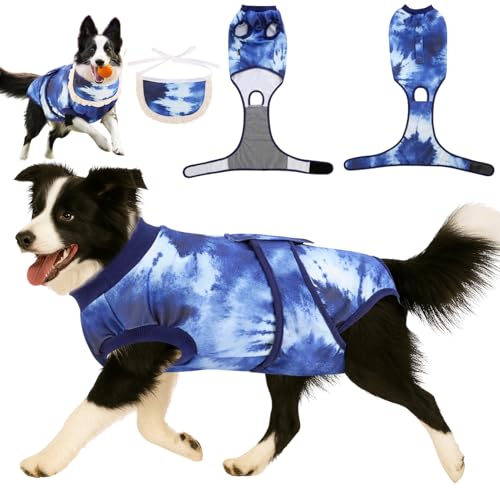
- Prevent licking: Your dog will want to lick the incision. This can introduce bacteria and cause infection. Use an Elizabethan collar (cone), recovery suit, or soft collar. For collar options, see dog in Elizabethan collar.
Days 2 to 14
- Restrict activity: No running, jumping, stairs, or rough play for at least 7–10 days (longer for large breeds or complicated surgeries). Use a leash for potty breaks and keep walks short and gentle.
- Keep the incision clean and dry: Do not bathe your dog or let them swim until the incision is fully healed and your vet gives approval. For bathing guidance, see dog bath.
- Administer medications as prescribed: Give all pain medications and antibiotics exactly as directed. Do not stop early, even if your dog seems fine.
- Monitor appetite and elimination: Your dog should be eating and drinking normally within 24–48 hours and having regular bowel movements within 48–72 hours.
- Check the incision daily: Look for signs of infection: increased redness, swelling, pus, foul odor, or reopening of the incision. Contact your vet immediately if you notice any of these.
- Keep other pets away: Other dogs may lick or bother the incision. Separate your recovering dog when you cannot supervise.
When to Call Your Vet Immediately:
• Excessive bleeding or discharge from the incision
• Incision opening or gaping
• Vomiting or diarrhea lasting more than 24 hours
• Refusal to eat or drink for more than 24 hours
• Extreme lethargy or difficulty waking
• Difficulty urinating or defecating
• Labored breathing or pale gums
• Signs of severe pain (whining, pacing, trembling)
Long-Term Recovery
Most dogs are back to normal within two weeks. However, internal healing takes longer. Even after your dog seems fine, avoid intense activity for the full period recommended by your vet. For large breeds and active dogs, a gradual return to exercise over several weeks prevents complications. If your dog has other health conditions, such as joint issues, discuss a modified recovery plan with your vet.
Risks and Considerations
Spaying and neutering are safe procedures, but like any surgery, they carry some risks. Understanding these risks helps you make an informed decision and prepare for a smooth recovery.
Surgical Risks
- Anesthesia complications: Rare but possible, especially in dogs with underlying heart, lung, or kidney disease. Pre-surgical blood work and monitoring reduce this risk significantly.
- Bleeding: Some bleeding is normal, but excessive bleeding can occur if blood vessels are not properly sealed. This is rare with experienced surgeons.
- Infection: Incision infections can occur if the site is not kept clean or if the dog licks it. Most are treatable with antibiotics.
- Incision problems: Dehiscence (incision opening) can occur if the dog is too active too soon. This may require additional surgery to repair.
- Reaction to sutures: Some dogs react to internal or external sutures. Your vet can use different materials if this is a concern.
Long-Term Considerations
- Weight gain: Spaying and neutering slow metabolism. Without adjusting food intake and exercise, many dogs gain weight after surgery. This is manageable with portion control and regular activity. For weight management, see dog nutrition guide.
- Joint issues in large breeds: Some studies suggest that early neutering in large breeds may increase the risk of joint disorders like hip dysplasia and cranial cruciate ligament tears. Waiting until growth plates close (12–24 months) reduces this risk.
- Certain cancers: While spaying/neutering reduces the risk of some cancers, it may slightly increase the risk of others (like osteosarcoma in large breeds). The overall health benefits generally outweigh these risks. Discuss breed-specific concerns with your vet.
- Urinary incontinence: Spayed females have a slightly higher risk of urinary incontinence later in life. This is usually manageable with medication.
- Behavioral changes: While most behavioral changes are positive, some dogs may become less playful or more food-motivated. These changes are individual and usually minor.
Risk-Benefit Analysis: For most dogs, the health and behavioral benefits of spaying or neutering far outweigh the risks. The key is to work with your veterinarian to choose the right timing for your dog's breed, size, and health status. There is no one-size-fits-all answer — but there is a best answer for your individual dog.
Common Myths Debunked
Misinformation about spaying and neutering is widespread. These myths can prevent owners from making the best decision for their dogs. Here is the truth behind the most common misconceptions.
- Myth: "My dog will become fat and lazy." Truth: Weight gain is caused by overfeeding and under-exercise, not by spaying or neutering. Metabolism does slow slightly after the procedure, so you may need to reduce food by 10–20% and increase activity. Dogs who maintain a healthy weight live longer and have fewer health problems.
- Myth: "My dog's personality will change." Truth: Core personality does not change. Hormonally driven behaviors like marking, roaming, and mounting are reduced or eliminated. Most dogs become calmer and more focused — which most owners consider an improvement. Training and environment shape personality far more than reproductive hormones.
- Myth: "It's better to let my female have one litter first." Truth: There is no health benefit to letting a dog have a litter. In fact, spaying before the first heat provides the greatest protection against mammary cancer. Letting a dog have a litter increases the risk of pregnancy complications and contributes to pet overpopulation.
- Myth: "Spaying or neutering is painful and traumatic." Truth: Modern veterinary medicine uses safe anesthesia and effective pain management. Most dogs are comfortable within 24–48 hours and back to normal within two weeks. The short-term discomfort is far less than the long-term health risks of remaining intact.
- Myth: "My dog will feel like less of a male/female." Truth: Dogs do not have gender identity or ego in the way humans do. They do not mourn the loss of their reproductive organs. They simply feel better and are less driven by hormones.
- Myth: "Neutering makes dogs aggressive." Truth: The opposite is true. Neutering reduces testosterone, which is linked to aggression and dominance-related behaviors. Neutered males are generally less aggressive toward other dogs and less likely to fight.
- Myth: "Spaying or neutering is too expensive." Truth: The cost of surgery is far less than the cost of treating pyometra, mammary cancer, testicular cancer, or caring for an unwanted litter. Many low-cost clinics and shelters offer affordable options. Pet insurance may cover the procedure. For insurance options, see dog insurance.
- Myth: "My dog is indoors only, so they don't need it." Truth: Indoor dogs can still escape and mate, and they are still at risk for pyometra, mammary cancer, and testicular cancer. Intact indoor dogs also mark territory, mount, and display hormonally driven behaviors that can be challenging.
Understanding the Investment
The cost of spaying or neutering varies widely depending on your location, the clinic you choose, your dog's size and age, and whether the procedure is performed by a general vet, a specialist, or a low-cost clinic. Rather than quoting specific numbers that may become outdated, here is how to think about the investment in tiers:
- Budget-friendly options: Low-cost clinics and shelters offer spay/neuter services at significantly reduced rates. These clinics are typically well-equipped and perform hundreds of procedures per month. They are an excellent choice for healthy young dogs.
- Mid-tier options: General veterinary practices offer spay/neuter surgery as a routine procedure. The cost includes pre-surgical exam, anesthesia, surgery, pain medication, and a follow-up visit. This is the most common choice for owned dogs.
- Premium options: Specialty hospitals may offer advanced monitoring, laparoscopic surgery (less invasive), and additional pain management. These options may be appropriate for older dogs, high-risk breeds, or owners who want the least invasive procedure possible.
Beyond the procedure itself, consider the long-term financial impact. Spaying and neutering can prevent costly emergency surgeries (pyometra, cesarean sections) and cancer treatments. Pet insurance often covers spay/neuter as an elective procedure, or may offer wellness add-ons that include it. For more on managing pet healthcare costs, see dog insurance worth it.
Financial Assistance: If cost is a barrier, ask your veterinarian about payment plans. Many communities have low-cost spay/neuter programs funded by animal welfare organizations. Some clinics offer sliding-scale fees based on income. Do not let cost prevent you from doing the right thing for your dog's health.
Alternatives to Surgery
While spaying and neutering are the most common and effective methods of reproductive control, some owners explore alternatives. It is important to understand that no alternative provides the same level of health benefits or reliability.
- Hormonal contraception: Medications or injections that suppress heat cycles or fertility. These require regular administration and can have side effects including increased risk of pyometra, mammary tumors, and behavioral changes. They do not provide the same cancer-prevention benefits as surgery.
- Chemical castration: A hormonal implant or injection that temporarily suppresses testosterone in males. Effects last 6–12 months. It can be used to assess behavioral changes before committing to surgery. However, it does not prevent testicular cancer and requires repeated treatments.
- Ovary-sparing spay: A procedure that removes the uterus but leaves the ovaries. This prevents pregnancy and pyometra but does not eliminate heat cycles or the risk of ovarian cancer. It is less commonly performed than traditional spay.
- Vasectomy: A surgical procedure that cuts the vas deferens to prevent sperm from being ejaculated. The testicles remain, so testosterone production continues. This preserves hormone-related traits but does not prevent testicular cancer or reduce hormonally driven behaviors.
These alternatives may be appropriate in specific situations, but they all have limitations. Discuss the pros and cons with your veterinarian. For most dogs, traditional spaying or neutering remains the most effective way to protect long-term health and prevent unwanted litters.
Frequently Asked Questions
Making the Decision
Spaying or neutering your dog is a decision that should be made with your veterinarian, not based on internet forums or outdated advice. The science is clear: for most dogs, the health and behavioral benefits far outweigh the risks. The key is choosing the right timing for your dog's breed, size, and health status.
If you are still unsure, ask your vet these questions: What are the specific risks for my dog's breed? Is my dog healthy enough for surgery? What is the best age for my dog? What should I expect during recovery? A good veterinarian will help you weigh the options and make the best choice for your individual dog.
Whether you have a new puppy or an older dog, the fact that you are researching this topic means you are a responsible, caring owner. Your dog is lucky to have you. For more on keeping your dog healthy, see our preventive health care guide and dog vet visits.