Dog in Elizabethan Collar: The Complete Recovery Guide
Everything you need to know about helping your dog heal comfortably and stress-free while wearing an E-collar — from choosing the right type to managing daily life during recovery.
Your dog has just come home from surgery, or perhaps they have a hot spot, an eye ulcer, or a paw injury that simply won't heal because they keep licking it. The veterinarian hands you a plastic cone — the infamous "cone of shame" — and tells you it needs to stay on. Your dog looks miserable. You feel guilty. And you're already wondering how you'll both get through the next two weeks.
You're not alone. Millions of dog owners face this exact scenario every year. The Elizabethan collar, also called an E-collar or recovery collar, is one of the most effective tools in veterinary medicine — but it's also one of the most misunderstood and mismanaged. Used correctly, it prevents your dog from reopening wounds, removing stitches, or making an existing injury worse. Used incorrectly, it can cause stress, skin irritation, and even injury.
This guide walks you through everything you need to know about caring for a dog in an Elizabethan collar. You'll learn which type of collar works best for different situations, how to make mealtime and sleep manageable, and when it's safe to take the collar off. By the end, you'll have a clear, practical plan for getting your dog through recovery as comfortably as possible.
Why Dogs Need Elizabethan Collars
Dogs lick. It's a natural behavior that serves many purposes — grooming, soothing, exploring. But when a dog has a wound, surgical incision, or skin irritation, licking becomes a problem. Dog saliva contains bacteria, and constant licking macerates the skin, delays healing, and introduces infection. A dog can undo a costly surgical procedure in minutes by chewing out stitches
The Elizabethan collar works through a simple mechanical barrier. It creates a physical distance between your dog's mouth and the affected area. Most dogs can't reach around or through the collar to lick, chew, or scratch. It's not a punishment — it's a protective tool, like a cast for a broken bone.
When E-Collars Are Typically Needed:
• After spay or neuter surgery to protect the incision
• Following any surgery — orthopedic, dental, tumor removal, etc.
• For hot spots (acute moist dermatitis) to prevent self-trauma
• With eye ulcers or after eye surgery to prevent rubbing
• For paw or leg injuries that your dog won't leave alone
• During treatment for skin infections or allergies
• When ear infections cause constant head shaking and scratching
The dog surgery recovery process is delicate. Whether it's a routine procedure or an emergency operation, the first 10-14 days are critical. During this time, the body is laying down new tissue, forming scar tissue, and fighting off potential infection. Every time your dog licks, they disrupt that process. The E-collar is your best insurance policy against complications.
Types of Elizabethan Collars Compared
Not all E-collars are the same. The traditional clear plastic cone is what most people picture, but modern veterinary medicine offers several options. Each has strengths and weaknesses depending on your dog's size, the injury location, and your dog's persistence.
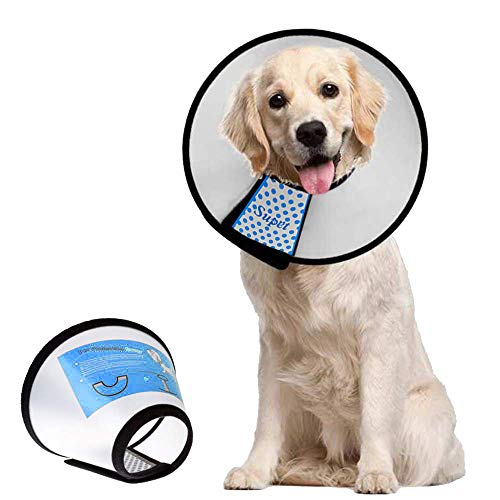
Standard Plastic E-Collar
The classic cone. Made from rigid or semi-flexible plastic. Provides the most reliable protection because dogs cannot compress it or see through it easily. Best for determined lickers and wounds on the face, paws, or lower body. Some dogs find it noisy and bulky.
Entry-level to mid-rangeSoft Fabric E-Collar
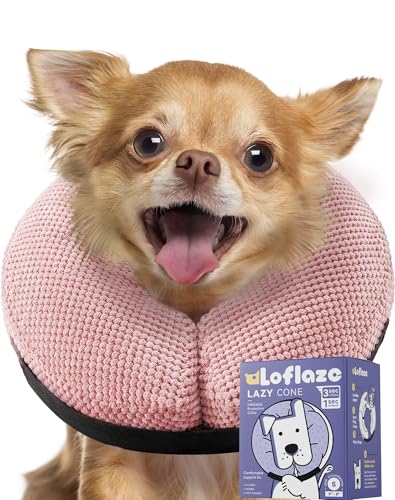
Made from plush fabric or foam with a stiff outer ring. More comfortable for sleeping and moving around the house. Better for short-nosed breeds and dogs who panic in plastic cones. Less effective for very flexible dogs who can still reach their paws or tail.
Mid-rangeInflatable Donut Collar
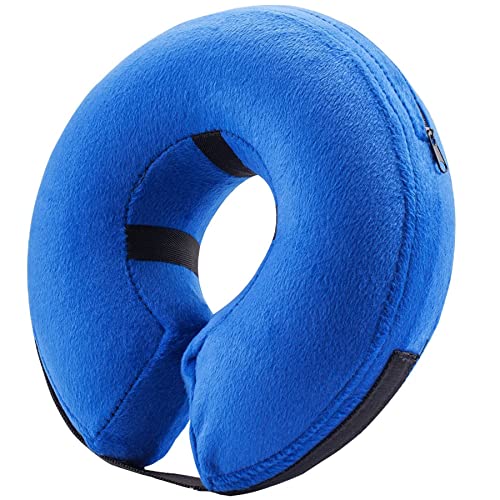
Looks like a travel pillow around the neck. Inflates to create a soft barrier. Allows full peripheral vision and easy eating and drinking. Excellent for body wounds and after abdominal surgery. Not suitable for paw, face, or tail injuries because dogs can still reach those areas.
Mid-range to premiumRecovery Suit (Medical Pet Shirt)
A body suit that covers the torso and prevents licking of body incisions. Great for post-spay/neuter and skin conditions on the body. Allows full mobility and no neck obstruction. Requires a backup collar for dogs who chew at the suit or for wounds on the head or paws.
Mid-range to premiumHybrid / Adjustable Collars
Combine features — a soft outer ring with a clear plastic inner shield, or a fabric collar with removable stiffeners. Offer customizable protection and comfort. Often the best choice for owners who want versatility across different situations.
PremiumNeck Brace / Cervical Collar
Primarily used for neck injuries or after cervical spine surgery. Limits head movement rather than creating a barrier. Not a substitute for a traditional E-collar for wound protection. Often used in combination with other recovery tools.
Premium to luxuryHow to Choose: Match the collar type to the injury location and your dog's determination level. For paw or face wounds, a rigid plastic cone is usually necessary. For body incisions, an inflatable donut or recovery suit may suffice. For highly anxious dogs, a soft fabric collar or hybrid design reduces stress. Always confirm with your veterinarian before switching to a less restrictive option.
Alternatives to the Plastic Cone
If your dog is miserable in a traditional plastic cone, you have options. But "alternative" does not mean "less effective" — it means "different trade-offs." The key is understanding which alternative works for your dog's specific situation.
- Inflatable donut collars: Best for post-abdominal surgery, spay/neuter, and body skin issues. Allows full vision, eating, and sleeping comfort. Not effective for paw, face, or tail wounds.
- Soft fabric cones: Best for short-snouted breeds and dogs who panic in plastic. Good for body and upper leg wounds. Less reliable for flexible dogs or paw injuries.
- Recovery suits: Best for body incisions and skin conditions. Allows complete freedom of movement. Must be sized correctly — too loose and the dog can reach the wound, too tight and it causes chafing.
- Bitter sprays and topical deterrents: Not a substitute for a collar. Some dogs ignore the taste entirely. May cause skin irritation if applied near wounds. Use only as a supplement, never as a primary protective measure.
- Training and redirection: Teaching a "leave it" cue can help, but no dog is 100% reliable when unsupervised. Training is a supplement, not a replacement for physical barriers.
Whichever alternative you choose, the test is simple: can your dog reach the wound? If yes, the alternative is not working. Put the traditional E-collar back on and try a different approach. Your dog's health is not worth the risk of a reopened incision or a worsening infection.
For dogs with sensitive skin, fabric collars and recovery suits may cause less irritation than rigid plastic. Keep the collar clean and check for redness or rubbing under the chin and around the neck.
Daily Care & Comfort Tips
A dog in an Elizabethan collar needs a modified daily routine. Small adjustments make a big difference in comfort and healing speed.
Home Setup for Recovery
- Create a quiet recovery zone: Set up a comfortable area away from household traffic. Soft bedding, dim lighting, and minimal noise reduce stress. A quality dog bed with orthopedic support helps prevent pressure sores and joint stiffness during long rest periods.
- Remove obstacles: The collar increases your dog's effective width. Clear narrow pathways, move furniture, and block stairs if your dog is unsteady. Use dog gates to limit access to stairs or slippery floors.
- Elevate food and water: The collar makes reaching floor-level bowls difficult. Use elevated bowls or shallow wide dishes. Hand-feeding small meals is also an option for dogs who struggle.
- Keep the collar clean: Wipe the inside of a plastic collar daily with a damp cloth and mild soap. Fabric collars can be machine washed. A dirty collar traps moisture and bacteria, leading to skin irritation and odor.
- Check for rubbing: Inspect your dog's neck twice daily. The collar should be snug enough to stay on but loose enough to allow two fingers between the collar and the neck. Redness, hair loss, or sores mean the collar is too tight or the material is irritating.
Activity & Mobility
- Leash walks only: No off-leash running, jumping, or rough play during recovery. Use a secure leash and comfortable harness for short, controlled bathroom breaks.
- Limit stairs: If your dog must navigate stairs, use a dog ramp or carry them if they are small enough. Stairs put stress on healing tissues and increase fall risk.
- Short, frequent potty breaks: Take your dog out every 2-4 hours during the day. The collar may make them hesitant to eliminate. Give them time and space.
- Mental stimulation: Boredom increases stress. Gentle mental stimulation like puzzle feeders or puzzle toys can be used while your dog is supervised and calm.
If your dog is recovering from a leg injury or surgery, a mobility aid like a sling or support harness can help them move safely without putting stress on the healing limb.
Feeding, Drinking & Medication
Mealtime is one of the biggest challenges for dogs in E-collars. The collar's length often prevents them from reaching food and water bowls on the floor. But with a few adjustments, you can ensure your dog stays hydrated and well-nourished during recovery.
Feeding Strategies
- Elevate the bowls: Place food and water on a raised surface — a low stool, a box, or an elevated feeder. The goal is to bring the bowl to a height where your dog can reach it without the collar hitting the floor.
- Use shallow, wide dishes: Deep bowls force your dog to push their face into the bowl, which the collar prevents. Shallow plates or wide saucers are easier to access.
- Remove the collar during meals (with supervision): If your dog is calm and not prone to licking the wound, you can remove the collar during meals. Stay within arm's reach and watch them constantly. Put the collar back on immediately after eating.
- Hand-feed small portions: For dogs who struggle, hand-feeding ensures they eat enough. It also becomes a bonding and calming activity.
- Try soft food: Canned food or moistened kibble is easier to eat through a collar than dry kibble. It also provides hydration. Choose a quality wet dog food or add a food topper to make meals more appealing.
Medication Administration
Many dogs come home from surgery with pain medication, antibiotics, or anti-inflammatory drugs. Giving pills to a dog in an E-collar requires patience and technique.
- Pill pockets and treats: Hide medication inside a high-value dog treat or pill pocket. Most dogs swallow without noticing. For picky dogs, try a food topper or a small amount of wet food.
- Liquid medication: Use a syringe (without the needle) to squirt liquid into the side of the mouth, between the cheek and gums. Do not squirt directly down the throat, which can cause choking.
- Crushing pills (with vet approval): Some medications can be crushed and mixed with food. Others cannot — especially time-release or enteric-coated tablets. Always ask your vet first.
- Pill shooters: A pet pill shooter lets you place the pill at the back of the tongue without your fingers near their teeth. Useful for dogs who are difficult to pill.
- Stay calm: If medication time becomes a battle, your dog will resist more. Use a calm, matter-of-fact approach. Reward generously after every successful dose.
Hydration Check: Dehydration is a common risk during recovery. Check your dog's gums — they should be moist and pink. Gently pinch the skin on the back of the neck; it should snap back immediately. If gums are dry, skin is slow to snap back, or your dog is not drinking, call your vet.
Helping Your Dog Sleep Comfortably
Sleep is when the body does most of its healing. A dog who sleeps poorly heals slower and is more stressed. The E-collar makes sleep uncomfortable for most dogs, but you can improve the situation significantly with the right setup.
- Orthopedic bedding: A supportive dog bed with a bolster or raised edge gives your dog something to rest the collar against. Memory foam or thick padding reduces pressure on joints and the neck.
- Collar-free naps (supervised): If your dog is calm and not licking, you can remove the collar for short supervised naps while you are actively watching. Never do this while you are sleeping or leaving the house.
- Soft fabric collar for sleep: If your dog is on a rigid plastic cone during the day, ask your vet if a soft fabric collar is acceptable for nighttime. Many dogs sleep much better in a soft collar, and the risk of licking during sleep is lower if the dog is comfortable and calm.
- Dim, quiet environment: Reduce household noise and light in the evening. A predictable routine signals to your dog that it's time to rest.
- White noise or calming music: Some dogs relax with gentle background sound. Calming products like pheromone diffusers can also help.
- Elevated head position: If your dog has a respiratory condition or is recovering from certain surgeries, elevating the head slightly with a pillow or folded blanket can ease breathing and reduce swelling.
Sleep Position Challenges
Dogs who normally curl up tightly may struggle with the collar. Dogs who sprawl may knock the collar against walls or furniture. Watch how your dog prefers to sleep and adjust the environment accordingly:
- Curlers: Provide a bed with raised sides so they can nestle without the collar hitting the floor.
- Sprawlers: Give them a larger, flat area with soft padding and clear space around them.
- Side sleepers: Ensure the collar doesn't press into the neck when they lie on their side. A soft collar or donut may work better.
- Belly sleepers: This position is usually comfortable with most collar types. Ensure the collar is not too tight when they lie down.
If your dog is consistently unable to sleep, cries through the night, or becomes increasingly distressed, contact your veterinarian. They may prescribe a mild sedative or anti-anxiety medication to help your dog rest during the critical healing period. For dogs with separation anxiety, the collar can intensify distress — talk to your vet about a comprehensive plan.
Managing Stress & Anxiety
Some dogs adapt to the E-collar within hours. Others fight it for days. Stress slows healing, reduces appetite, and makes everyone miserable. Your job is to minimize stress without compromising the collar's protective function.
Signs Your Dog Is Stressed by the Collar
- Pacing, panting, or inability to settle
- Whining, crying, or barking excessively
- Refusing to eat or drink
- Attempting to remove the collar constantly
- Bumping into walls or furniture (due to reduced vision)
- Freezing in place or refusing to walk
- Increased clinginess or hiding
Stress Reduction Techniques
- Stay calm yourself: Dogs mirror our emotions. If you act anxious and guilty, your dog will feel more stressed. Treat the collar as normal and matter-of-fact.
- Reward calm behavior: Give treats, praise, and gentle attention when your dog is relaxed. Do not reward whining or pawing at the collar.
- Use calming aids: Pheromone diffusers, anxiety wraps, and calming products can take the edge off. Some dogs respond well to calming treats.
- Maintain routine: Keep feeding, walking, and bedtime schedules as normal as possible. Predictability reduces anxiety.
- Provide gentle distraction: Chew toys, lick mats, and puzzle feeders give your dog something to focus on besides the collar. Interactive dog toys that don't require vigorous movement are ideal.
- Consider a different collar type: If your dog is genuinely panicked in a plastic cone, ask your vet if a soft fabric collar, inflatable donut, or recovery suit is appropriate for their specific wound.
- Medication when needed: For severe anxiety, your vet may prescribe anti-anxiety medication. This is not a failure — it's a legitimate medical tool that helps your dog heal.
Remember: The collar is temporary. Most dogs wear it for 10-14 days. Focus on the end goal — a fully healed, healthy dog. Your patience and calm presence are the most powerful tools you have.
Monitoring Wound Healing
The E-collar is only part of the recovery process. You also need to monitor the wound or incision site daily to catch problems early. A collar that stays on but hides a developing infection doesn't help anyone.
Daily Wound Check
- Visual inspection: With clean hands, gently look at the wound. You may need a second person to help hold your dog still and calm.
- Normal healing: Slight redness at the edges, mild swelling that decreases over time, a small amount of clear or blood-tinged fluid in the first 24-48 hours.
- Signs of infection: Increasing redness, swelling, heat, yellow or green discharge, foul odor, or the wound opening up.
- Signs of pain: Whining when touched, growling, snapping, refusing to move, or excessive panting unrelated to activity.
- Stitch check: Look for loose or missing stitches. If any stitches are gone, call your vet immediately.
When to Call Your Vet
- Wound is opening or stitches are missing
- Discharge is yellow, green, or foul-smelling
- Swelling is increasing instead of decreasing
- Your dog is lethargic, refuses to eat, or has a fever
- Your dog is in obvious pain despite medication
- Your dog has not urinated or defecated in 24 hours
- Your dog is vomiting or has diarrhea
- Your dog has difficulty breathing
If your dog is recovering from a major procedure, you may also be monitoring for respiratory distress or other complications. Keep your vet's emergency number and an emergency clinic number on hand. A dog first aid kit is also valuable to have at home for minor issues.
For dogs with pre-existing conditions like joint issues or sensitive skin, recovery may require additional care. Ask your vet about supplements that support healing, and keep the collar clean to prevent skin irritation.
Common Mistakes to Avoid
Even well-meaning owners make mistakes that slow healing or cause unnecessary suffering. Learn from these common errors.
- Taking the collar off too early: "He seems fine" is not a medical assessment. Incisions can look healed on the surface while deeper tissue is still repairing. Removing the collar early risks reopening the wound. Follow your vet's timeline exactly.
- Using a collar that's too short: The collar must be long enough to prevent your dog's tongue from reaching the wound. If your dog can still lick, the collar is too short. Ask your vet to measure.
- Using a collar that's too tight: A collar that presses into the neck causes discomfort, skin irritation, and breathing difficulty. You should be able to fit two fingers between the collar and your dog's neck.
- Leaving the collar off unsupervised: Even for a minute. A determined dog can undo stitches in seconds. If you must remove the collar, keep your hand on your dog at all times.
- Not cleaning the collar: A dirty collar traps bacteria, drool, and wound drainage. This can cause skin infections and bad odor. Clean it daily.
- Ignoring signs of distress: Some stress is normal. Severe, persistent distress is not. If your dog is panicked, not sleeping, not eating, or injuring themselves trying to get the collar off, call your vet for alternatives or medication.
- Skipping pain medication: Pain slows healing and makes your dog more likely to fight the collar. Give all medications as prescribed. If you're worried about side effects, call your vet — don't just stop.
- Allowing too much activity: A dog in an E-collar may feel better before they are healed. Running, jumping, and playing can tear internal stitches and cause complications. Keep activity restricted for the full recovery period.
Frequently Asked Questions
You've Got This
Caring for a dog in an Elizabethan collar is challenging, but it's temporary. Focus on the essentials: keep the collar on, keep it clean, monitor the wound, and make your dog as comfortable as possible. Adjust meals, sleep arrangements, and activity levels to accommodate the collar. Stay calm and patient — your dog takes cues from you. Before you know it, the collar will come off, and you'll both have a healthy, happy dog again. If you're preparing for an upcoming surgery, our dog surgery guide and dog supplies checklist can help you get ready. And for ongoing wellness, see our preventive health care guide to keep your dog healthy long after recovery.