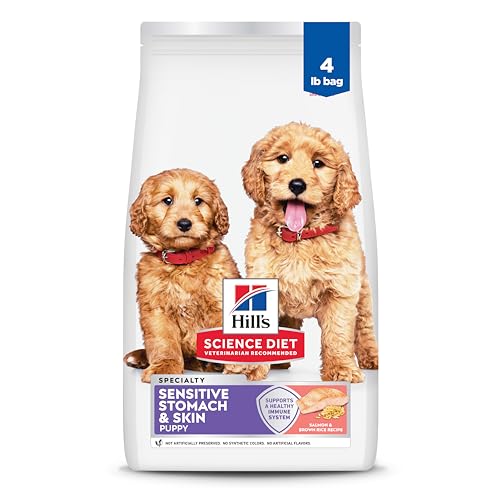
Puppy Food for Large Breed Sensitive Stomachs
Everything you need to know about choosing the right nutrition for your growing large breed puppy with a delicate digestive system — from ingredients and feeding schedules to managing diarrhea and supporting healthy growth.
Bringing home a large breed puppy is an exciting adventure — but when that puppy has a sensitive stomach, mealtime can quickly become a source of stress. Loose stools, gas, vomiting, and food refusal are common complaints among owners of growing large breed dogs. The good news is that with the right nutrition, you can support your puppy's rapid growth while keeping their digestive system calm and comfortable.
Large breed puppies have unique nutritional requirements that differ significantly from small breed puppies. They grow faster, reach much larger adult sizes, and are more prone to developmental orthopedic diseases if their diet is unbalanced. When you add a sensitive stomach to the mix, choosing the right food becomes even more critical. This guide will walk you through everything you need to know to select the best puppy food for your large breed companion with a sensitive stomach.
Whether you are dealing with chronic loose stools, food allergies, or simply want to prevent digestive issues before they start, the information here will help you make informed decisions and give your puppy the best possible start in life.
Why Large Breed Puppies Have Sensitive Stomachs
Understanding why your large breed puppy is prone to digestive upset is the first step toward choosing the right food. Several factors contribute to this vulnerability:
- Rapid growth rate: Large breed puppies grow at an astonishing pace. A Great Dane puppy may gain over 100 pounds in their first year. This rapid growth puts significant stress on the digestive system, which must process large volumes of food efficiently.
- Immature digestive tract: Puppies are born with sterile digestive systems. It takes months for the gut microbiome to fully develop and stabilize. During this time, the digestive tract is more sensitive to changes in diet, stress, and pathogens.
- Developmental orthopedic concerns: Large breed puppies are prone to conditions like hip dysplasia and hypertrophic osteodystrophy. These are influenced by nutrition, particularly calcium and phosphorus levels, which must be carefully balanced. Diets that are too rich or unbalanced can exacerbate these issues.
- Food transitions: Changing food too quickly is one of the most common causes of diarrhea in puppies. Their digestive systems need time to adapt to new ingredients and nutrient profiles.
- Dietary indiscretion: Puppies explore the world with their mouths. Eating garbage, plants, or inappropriate items can cause gastrointestinal upset.
- Genetic predisposition: Some large breed dogs are genetically more prone to food sensitivities and inflammatory bowel disease. Breeds like German Shepherds, Labrador Retrievers, and Golden Retrievers have higher rates of digestive issues.
Important Note: If your puppy has chronic diarrhea, vomiting, or weight loss, consult your veterinarian. These can be signs of serious conditions like parasites (such as parvovirus), bacterial infections, or food allergies that require medical diagnosis and treatment.
Key Nutrients for Large Breed Puppies
Large breed puppy food must provide complete and balanced nutrition tailored to their unique needs. Here are the critical nutrients to prioritize:
Protein
Protein is essential for muscle development, tissue repair, and immune function. Large breed puppies need high-quality animal protein — ideally 22-26% on a dry matter basis. Look for named meat sources like chicken, lamb, turkey, or salmon as the first ingredient. Avoid vague terms like "meat meal" or "poultry by-product."
Calcium and Phosphorus
This is where large breed puppy food differs most from small breed formulas. The calcium-to-phosphorus ratio should be approximately 1.2:1 to 1.4:1. Calcium levels should be around 0.7-1.2% on a dry matter basis. Too much calcium can cause bone growth abnormalities; too little can lead to weak bones. Never supplement a complete puppy food with additional calcium without veterinary guidance.
DHA (Docosahexaenoic Acid)
DHA is an omega-3 fatty acid crucial for brain and eye development. Large breed puppies benefit from DHA levels of at least 0.1% on a dry matter basis. It also has anti-inflammatory properties that can support digestive health.
Prebiotics and Probiotics
These support a healthy gut microbiome. Prebiotics like FOS (fructooligosaccharides) and MOS (mannooligosaccharides) feed beneficial bacteria. Probiotics (live beneficial bacteria) can help stabilize the digestive tract, especially during times of stress or food transitions.
Fiber
Fiber supports digestive health by promoting regular bowel movements and feeding beneficial gut bacteria. Look for moderate fiber levels (3-5%) from sources like beet pulp, pumpkin, or rice bran. Both soluble and insoluble fiber play important roles.
Omega-3 Fatty Acids
Beyond DHA, other omega-3s like EPA have anti-inflammatory effects that can soothe an irritated digestive tract. Fish oil or flaxseed are common sources. These also support healthy skin and coat.
Vitamins and Minerals
Complete and balanced puppy food will include all essential vitamins and minerals. Pay attention to vitamin E (an antioxidant), zinc (for skin and immune health), and B vitamins (for energy metabolism). Avoid foods with excessive supplementation, which can be harmful.
Water
Never overlook hydration. Fresh water should be available at all times. Adequate water intake supports digestion and helps prevent constipation. If your puppy is prone to loose stools, ensure they are drinking enough to prevent dehydration.
Ingredients to Look For (and Avoid)
The ingredient list on a dog food label can be confusing. Here is a practical breakdown of what to prioritize and what to avoid when choosing food for a large breed puppy with a sensitive stomach:
| Look For | Avoid |
|---|---|
| Named animal protein as first ingredient (chicken, lamb, salmon, turkey) | Vague protein sources (meat meal, poultry by-product, animal digest) |
| Easily digestible carbohydrates (rice, oats, barley, sweet potato) | Excessive fillers (corn, wheat, soy) — these can trigger sensitivities |
| Prebiotics and probiotics (FOS, MOS, dried fermentation products) | Artificial preservatives (BHA, BHT, ethoxyquin) |
| Omega-3 fatty acids (fish oil, flaxseed, DHA) | Artificial colors and flavors |
| Natural preservatives (vitamin E, vitamin C, rosemary extract) | Excessive sugar or corn syrup |
| Moderate fiber from natural sources (beet pulp, pumpkin) | High levels of low-quality fat or rendered fat |
| AAFCO statement for "growth" or "all life stages" | Foods without a nutritional adequacy statement |
For puppies with particularly sensitive stomachs, limited ingredient diets (LIDs) can be helpful. These formulas use fewer ingredients and a single novel protein source (like salmon or duck) to minimize the risk of triggering an allergic reaction. However, LIDs should still meet AAFCO standards for complete and balanced nutrition. You can learn more about managing food allergies in our guide on dog food for allergies and sensitive stomachs.
Types of Food for Sensitive Stomachs
When selecting puppy food for a large breed with a sensitive stomach, you have several options. Each has advantages and considerations:
Dry Kibble
Dry kibble is the most convenient and cost-effective option for most owners. Many premium brands offer large breed puppy formulas with sensitive stomach support. Look for kibble that is appropriately sized for large breed puppies — not too small, which can be a choking hazard, but not so large that it is difficult to chew. Some sensitive stomach formulas use easily digestible ingredients and added probiotics. Dry food also helps reduce plaque buildup on teeth.
Wet/Canned Food
Wet food is more palatable and has higher moisture content, which can be beneficial for puppies who need extra hydration. For puppies with sensitive stomachs, wet food can be easier to digest. However, wet food is more expensive per calorie and requires refrigeration after opening. Some owners mix a small amount of wet food with kibble to enhance palatability.
Limited Ingredient Diets (LID)
These formulas use a restricted number of ingredients and a single protein source. They are ideal for puppies with suspected food allergies or sensitivities. The key is to ensure the diet is still complete and balanced for growth. Always transition slowly and monitor for improvements.
Hydrolyzed Protein Diets
These prescription diets break down proteins into smaller molecules that are less likely to trigger an immune response. They are typically used for diagnosed food allergies and require veterinary guidance. They are not necessary for most puppies with sensitive stomachs, but can be a lifesaver for those with true allergies.
Fresh/Refrigerated Food
Fresh, gently cooked diets are becoming increasingly popular. They use human-grade ingredients and are often highly digestible. However, they are more expensive and require careful handling to prevent bacterial growth. If you choose a fresh diet, ensure it meets AAFCO standards for large breed puppy growth — many fresh food companies now offer puppy-specific formulas.
Home-Cooked Diets
While home-cooking allows complete control over ingredients, it is extremely difficult to formulate a nutritionally balanced diet for a growing large breed puppy without the help of a veterinary nutritionist. Improperly balanced home-cooked diets can cause serious developmental problems. If you want to home-cook, consult a board-certified veterinary nutritionist to create a recipe that meets all of your puppy's nutritional needs.
Pro Tip: Whatever type of food you choose, make sure it carries an AAFCO statement confirming it is complete and balanced for "growth" or "all life stages." For large breed puppies, the statement should specifically mention "large breed" or "growth" with appropriate calcium and phosphorus levels. Avoid foods labeled "for maintenance" or "for adult dogs" during the puppy growth phase.
How to Transition Foods Safely
Even if you choose the best possible food for your puppy, transitioning too quickly can cause diarrhea and digestive upset. The key is a slow, gradual transition over 7-10 days. Here is a step-by-step guide:
- Days 1-3: Mix 25% new food with 75% old food. This introduces the new food while giving the digestive system time to adapt.
- Days 4-6: Increase to 50% new food and 50% old food. Monitor your puppy's stool consistency. If diarrhea develops, slow down and stay at the previous ratio for a few more days.
- Days 7-9: Move to 75% new food and 25% old food. By now, your puppy should be adjusting well.
- Day 10: Transition to 100% new food. Continue to monitor for any signs of digestive upset.
If at any point your puppy develops diarrhea, vomiting, or refuses to eat, slow down the transition. You may need to stay at a 50/50 ratio for several more days. Some puppies with very sensitive stomachs benefit from an even slower transition over 14 days. Patience is key — a rapid transition almost guarantees digestive upset.
Signs of Transition Problems:
• Loose or watery stools
• Vomiting or regurgitation
• Loss of appetite
• Increased gas or bloating
• Lethargy or discomfort
If these signs persist beyond a few days, consult your veterinarian. They may recommend a different food or a temporary bland diet to settle the stomach.
Feeding Schedule and Portion Control
How much and how often you feed your large breed puppy matters just as much as what you feed. Overfeeding can cause rapid growth and increase the risk of developmental orthopedic diseases, while underfeeding can stunt growth and weaken the immune system.
Meal Frequency by Age
- 8-12 weeks: 4 meals per day
- 3-6 months: 3 meals per day
- 6-12 months: 2-3 meals per day
- 12-18 months: 2 meals per day (depending on breed and growth rate)
Splitting meals into smaller portions is especially important for puppies with sensitive stomachs. Large meals can overwhelm the digestive system and cause loose stools. Smaller, more frequent meals are easier to digest and help maintain stable blood sugar levels.
Portion Control
Start with the feeding guidelines on the food package as a baseline, but adjust based on your puppy's individual needs. Here is how to assess whether your puppy is eating the right amount:
- Body condition score: You should be able to feel (but not see) your puppy's ribs. They should have a visible waist when viewed from above and a slight tuck-up when viewed from the side.
- Growth rate: Large breed puppies should grow steadily, not explosively. Rapid weight gain can strain developing joints. Your veterinarian can help you monitor your puppy's growth curve.
- Stool quality: Well-formed, easy-to-pick-up stools indicate good digestion. Loose or watery stools may indicate overfeeding or a food that doesn't agree with your puppy.
- Energy level: A puppy that is active, playful, and alert is likely getting adequate nutrition. Lethargy or weakness may indicate underfeeding or an underlying health issue.
For more detailed guidance on feeding schedules, see our article on puppy feeding schedules.
Managing Diarrhea and Digestive Upset
Even with the best food, large breed puppies with sensitive stomachs may experience occasional bouts of diarrhea. Here is how to manage these episodes and when to seek veterinary care:
Immediate Steps
- Withhold food for 12-24 hours: For adult dogs, fasting for 24 hours can help settle the stomach. For puppies, do not withhold food for more than 12 hours, as they need consistent nutrition. Always provide fresh water.
- Provide bland food: After fasting, offer small amounts of bland, easily digestible food such as boiled chicken and rice (no seasoning). This gives the digestive system a rest while providing nutrition.
- Gradually reintroduce regular food: Over 2-3 days, mix the bland food with your puppy's regular food, gradually increasing the proportion of regular food.
- Consider a probiotic: Probiotics can help restore beneficial gut bacteria after a bout of diarrhea. Consult your veterinarian for a puppy-safe product.
- Ensure hydration: Diarrhea can cause dehydration, especially in small puppies. Offer water frequently and monitor for signs of dehydration (tacky gums, skin tenting, lethargy).
When to See a Vet
Contact your veterinarian immediately if your puppy has:
- Bloody diarrhea (fresh red blood or black, tarry stool)
- Diarrhea lasting more than 48 hours
- Vomiting combined with diarrhea
- Signs of lethargy, weakness, or collapse
- Loss of appetite for more than 24 hours
- Signs of pain or discomfort
- Fever (temperature above 102.5°F)
- Known or suspected exposure to toxins or foreign objects
Puppies can deteriorate quickly. When in doubt, err on the side of caution and call your vet. For more information on serious puppy illnesses, see our guide on parvovirus in puppies.
Prevention Tips:
• Keep your puppy on a consistent diet — avoid frequent food changes.
• Transition foods slowly over 7-10 days.
• Avoid table scraps, which can upset the digestive system.
• Keep garbage and toxic foods securely out of reach.
• Feed smaller, more frequent meals rather than one large meal.
• Ensure fresh water is always available.
• Consider adding a canine-specific probiotic to their daily routine, especially during times of stress or transition.
When to Switch to Adult Food
Large breed puppies should remain on puppy food longer than small breeds because their growth plates close later and their bones and joints require extended nutritional support. Here is a general guideline:
- Large breed dogs (50-90 lbs adult weight): 12-18 months
- Giant breed dogs (90+ lbs adult weight): 18-24 months
The exact timing depends on your dog's individual growth rate and breed. Your veterinarian can assess your dog's physical development and help you determine the right time to transition. Signs that your puppy may be ready for adult food include reaching adult height, filling out in muscle mass, and a slowing growth rate. When you do switch, follow the same slow transition protocol described earlier.
For more information on large breed puppy nutrition, see our article on dog food for large breed puppies with sensitive stomachs.
Frequently Asked Questions
Final Thoughts
Choosing the right food for a large breed puppy with a sensitive stomach requires careful consideration of ingredients, nutrient balance, and your puppy's individual needs. Prioritize high-quality animal protein, easily digestible carbohydrates, and added probiotics for digestive support. Transition foods slowly, feed smaller meals more frequently, and monitor your puppy's body condition and stool quality. With patience and the right nutrition, you can support your puppy's healthy growth while keeping their tummy calm and comfortable. If you are still deciding on the best formula, explore our guide to puppy food for sensitive stomachs and food for sensitive stomach and diarrhea. Your veterinarian is your best partner in tailoring a feeding plan for your growing large breed companion.