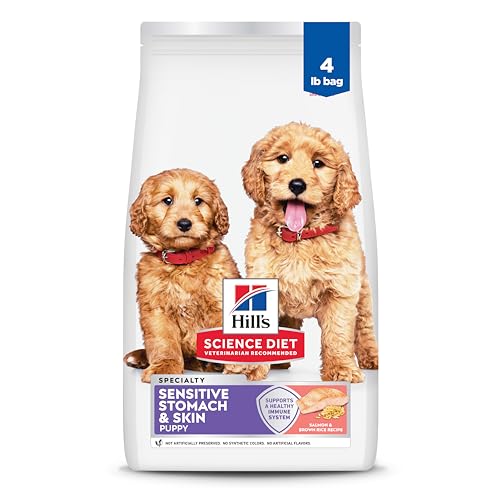
Puppy Food for Puppies with Sensitive Stomachs
Choosing the right food for a puppy with a sensitive stomach can feel overwhelming. This guide explains what causes digestive upset, which ingredients to look for, and how to build a gentle feeding routine that supports healthy growth.
Puppies are naturally prone to digestive upset. Their gut microbiome is still developing, their immune system is immature, and their diet changes frequently during the first year of life. Add in the stress of moving to a new home, vaccinations, and the tendency to eat everything in sight, and it is no surprise that sensitive stomach issues are one of the most common reasons puppy owners consult a veterinarian.
The good news is that sensitive stomachs are highly manageable with the right food and feeding strategy. This guide walks you through everything you need to know to choose a formula that keeps your puppy comfortable, nourished, and growing steadily — without the loose stools, gas, and vomiting that send many owners into a panic.
Understanding Puppy Sensitive Stomachs
A sensitive stomach is not a specific diagnosis. It is a general term describing a puppy who reacts poorly to certain foods or dietary changes. Reactions typically include loose stools, diarrhea, vomiting, excessive gas, and abdominal discomfort. Some puppies have a genetic predisposition, while others develop sensitivity after a bout of illness or a rapid food change.
Puppies differ from adult dogs in several important ways. Their digestive tracts are shorter and their digestive enzymes are less mature, which makes processing complex or rich foods more difficult. Their nutritional requirements are also much higher because they are growing rapidly. A food that works for an adult dog may be far too rich for a puppy's developing system.
Key Insight: A puppy's digestive system continues developing until roughly 12 to 18 months of age, depending on breed size. Large and giant breed puppies mature more slowly than small breeds, which is why they require specifically formulated food with controlled calcium and phosphorus levels.
If your puppy is experiencing diarrhea alongside other symptoms, see our guide on puppy food for sensitive stomach and diarrhea for targeted recommendations.
Common Causes of Digestive Upset in Puppies
Identifying the cause of your puppy's sensitive stomach is the first step toward choosing the right food. Most cases fall into one or more of these categories:
- Rapid food transitions: Switching foods too quickly is the most common cause of temporary diarrhea in puppies. Their gut bacteria need time to adapt to a new formula.
- Food allergies or intolerances: Proteins like chicken, beef, and dairy are frequent triggers. Puppies with true allergies may also show itchy skin, ear infections, and paw licking alongside digestive symptoms.
- Rich or high-fat formulas: Foods with high fat content can overwhelm a puppy's digestive system and cause loose stools. Puppy foods are already calorie-dense, so additional fat is rarely helpful.
- Fillers and artificial ingredients: Corn, wheat, soy, artificial colors, and preservatives can irritate the gut lining in sensitive puppies.
- Overfeeding: Puppies are notoriously enthusiastic eaters. Eating too much at one time stretches the stomach and leads to vomiting and diarrhea.
- Parasites: Roundworms, hookworms, giardia, and coccidia are common in puppies and cause chronic digestive upset. Regular deworming is essential.
- Stress: Moving to a new home, traveling, vaccinations, and changes in routine can all disrupt digestion.
- Infections: Viral infections like parvovirus are serious and require immediate veterinary attention. Learn the warning signs in our puppy parvo symptoms guide.
If your puppy's symptoms persist for more than 48 hours, include blood in the stool, or are accompanied by lethargy and loss of appetite, contact your veterinarian immediately. Puppies dehydrate quickly, and early intervention is critical.
How to Choose the Right Food for a Sensitive Stomach
Not every food labeled "sensitive stomach" is created equal. Use these criteria to evaluate any puppy food you are considering:
What to Look For
- AAFCO statement: The label should state that the food is complete and balanced for growth or for all life stages, which confirms it meets minimum nutritional standards for puppies.
- Named protein first: The first ingredient should be a specific animal protein such as chicken, turkey, salmon, or lamb — not a generic "meat meal."
- Single or limited protein: Formulas with one primary protein source are easier to digest and make it simpler to identify triggers if problems arise.
- Easily digestible carbohydrates: Rice, oatmeal, barley, and sweet potato are gentler on the gut than corn, wheat, and soy.
- Prebiotics and probiotics: Ingredients like chicory root, FOS, and dried fermentation products support gut flora and improve stool quality.
- Omega-3 fatty acids: Fish oil and flaxseed support skin health and reduce inflammation in the digestive tract.
- Appropriate life stage and size: Small breed, large breed, and toy breed puppies have different nutritional needs. Choose a formula designed for your puppy's expected adult size.
What to Avoid
- Artificial colors, flavors, and preservatives: BHA, BHT, ethoxyquin, and artificial dyes serve no nutritional purpose and can irritate sensitive guts.
- Excessive fillers: Corn, wheat, soy, and by-product meals are common allergens and provide lower-quality nutrition.
- High fat content: Very high-fat formulas can trigger diarrhea and pancreatitis in susceptible puppies.
- Dairy ingredients: Many puppies are lactose intolerant, and dairy can cause gas and loose stools.
- Generic "meat" or "animal" ingredients: These vague sources make it impossible to know what your puppy is actually eating.
- Unverified health claims: Look for brands that employ veterinary nutritionists and conduct feeding trials, not just marketing claims.
Pro Tip: Keep a food diary for your puppy. Record what you feed, when you feed it, and any symptoms that appear. This simple habit makes it much easier to identify triggers and to give your veterinarian accurate information if problems persist.
Ingredients to Look For and Avoid
Reading ingredient labels is one of the most valuable skills a puppy owner can develop. Here is a practical breakdown of what matters:
| Category | Best Choices | Use With Caution | Avoid |
|---|---|---|---|
| Protein | Chicken, turkey, salmon, lamb, egg | Beef, duck, venison (novel but rich) | Generic meat meal, by-products, unnamed animal sources |
| Carbohydrates | Rice, oatmeal, barley, sweet potato | Peas and legumes in large amounts | Corn, wheat, soy, gluten |
| Fats | Chicken fat, salmon oil, flaxseed | High-fat formulas above 18 to 20 percent | Rendered fats of unknown origin |
| Fiber | Pumpkin, beet pulp, chicory root, psyllium | Excessive insoluble fiber | None in moderation |
| Additives | Probiotics, prebiotics, omega-3 | Natural preservatives like tocopherols | BHA, BHT, ethoxyquin, artificial colors |
Types of Sensitive Stomach Puppy Food
There is no single best format for every puppy. The right choice depends on your puppy's age, size, preferences, and specific symptoms. Here is how the main options compare:
Dry Kibble
The most convenient and cost-effective option. Look for formulas specifically labeled for sensitive digestion, with a single protein source and easily digestible grains. Kibble helps scrape plaque from teeth and is easy to portion accurately. Choose a mid-range or premium brand that meets AAFCO growth standards.
Most convenientWet or Canned Food
Higher moisture content supports hydration and is often more palatable for picky puppies. Wet food is easier to digest in some cases and can be mixed with kibble to improve appetite. It is generally more expensive per calorie and requires refrigeration once opened. Check our guide on wet food to mix with dry for puppies for pairing tips.
Most palatableLimited Ingredient Diets
Formulas with a reduced number of ingredients and a single novel protein are ideal for puppies with suspected allergies. These diets make it easier to isolate triggers and are widely available in both dry and wet formats. The entry-level options in this category can vary significantly in quality, so read labels carefully.
Best for allergiesGrain-Free Formulas
Grain-free does not automatically mean better for sensitive stomachs. Some puppies thrive on grain-free diets, but others do well with grains like rice and oatmeal. The evidence linking certain grain-free diets to heart concerns in some dogs means these formulas deserve careful consideration and a discussion with your veterinarian.
Not always necessaryHow to Transition Foods Safely
Even the best food will cause problems if you switch too quickly. A gradual transition gives your puppy's gut bacteria time to adapt. Use this schedule over 7 to 10 days:
- Days 1 to 3: 25 percent new food, 75 percent old food.
- Days 4 to 6: 50 percent new food, 50 percent old food.
- Days 7 to 9: 75 percent new food, 25 percent old food.
- Day 10 onward: 100 percent new food.
If your puppy develops loose stools or vomiting during the transition, slow down and stay at the current ratio for a few extra days. Some sensitive puppies need two to three weeks to fully transition. For puppies with a history of severe reactions, consult your veterinarian before starting any new food.
Important: Never mix a new food into the same bowl without measuring the proportions. Eyeballing the mix is a common mistake that can lead to an accidental abrupt switch. Use a measuring cup and follow the schedule above.
Feeding Schedule and Portion Control
Sensitive stomachs benefit from small, frequent meals. Puppies under six months should eat three to four times daily. Between six and twelve months, three meals daily is usually appropriate. After twelve months, most puppies can transition to two meals per day, though large breed puppies may benefit from staying on three meals longer.
- Follow the feeding chart: Every reputable food provides a chart based on current weight and expected adult size. Start with the recommended amount and adjust based on body condition.
- Measure every meal: Free-feeding makes it impossible to track intake and is a common cause of overeating. Use a standard measuring cup or kitchen scale.
- Monitor body condition: You should be able to feel your puppy's ribs without pressing hard, and your puppy should have a visible waist when viewed from above. Adjust portions gradually if weight gain is too slow or too fast.
- Keep meals consistent: Feed at the same times each day. Routine supports digestive regularity and reduces stress.
- Provide fresh water: Always make clean water available, especially if you feed dry kibble. Proper hydration supports digestion and overall health.
For a detailed schedule by age, see our guide on the puppy feeding schedule.
Signs Your Puppy Needs a Vet
Sensitive stomachs are usually manageable at home, but some symptoms require professional care. Puppies are small and dehydrate rapidly, so do not wait if you notice any of the following:
- Bloody diarrhea or black, tarry stools
- Persistent vomiting that prevents your puppy from keeping water down
- Lethargy or unusual weakness
- Loss of appetite lasting more than 24 hours
- Fever or a body temperature outside the normal range
- Signs of dehydration such as dry gums, skin that does not spring back when gently pinched, or sunken eyes
- Abdominal swelling or signs of pain when the belly is touched
- Weight loss or failure to gain weight despite regular feeding
If your puppy is not vaccinated, diarrhea and vomiting could be signs of parvovirus, which is a life-threatening emergency. Learn more in our guide on parvo and the parvovirus vaccine for puppies. Always err on the side of caution — a veterinary visit is always safer than waiting.
Emergency Tip: Keep your veterinarian's phone number and the number of the nearest 24-hour emergency clinic saved in your phone. In a crisis, you do not want to be searching for contact information.
Frequently Asked Questions
Ready to Choose the Right Food for Your Puppy?
Browse our curated selection of gentle, digestible puppy foods recommended for sensitive stomachs.
View Recommended Products