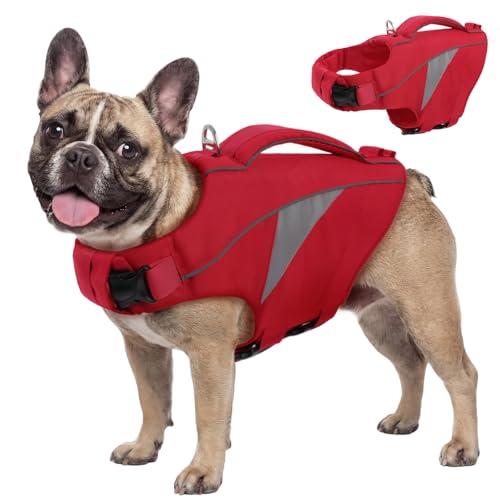
Canine Life Preserver: The Complete Guide to Dog Life Jackets
Everything you need to know about keeping your dog safe in and around water — sizing, features, flotation tips, and why every water-loving dog deserves a properly fitted life jacket.
Water can be one of the most enjoyable environments for your dog — swimming, fetching, boating, and splashing provide excellent low-impact exercise and mental stimulation. But water also carries real risks, even for dogs who seem confident in it. A canine life preserver is not a luxury item for pampered pets; it is a genuine safety device that can prevent drowning and give you peace of mind.
Every year, countless dogs drown in pools, lakes, rivers, and oceans — many of them strong swimmers who simply tired out or encountered unexpected conditions. This guide will help you understand why a life jacket matters, how to choose the right one, and how to use it safely so your dog can enjoy the water without unnecessary risk.
Why Your Dog Needs a Life Preserver
Many owners assume their dog can swim because they've seen them paddle in a pool or shallow lake. But paddling and swimming are different skills, and endurance in water is not guaranteed. Here's why a flotation device is essential:
- Fatigue happens fast: Dogs use much more energy in water than on land. A dog who swims confidently for ten minutes may struggle after twenty. A life jacket keeps them afloat when their muscles tire.
- Currents and waves: Even calm-looking water can have hidden currents, undertows, or sudden waves. A life jacket provides buoyancy and helps your dog stay oriented.
- Cold water: Cold water saps body heat and can cause muscle weakness and hypothermia. Flotation devices often add a layer of insulation while keeping the dog's head above water.
- Brachycephalic breeds: Flat-faced dogs like Bulldogs, Pugs, and Boston Terriers have compromised airways and struggle to keep their heads above water. A life preserver is mandatory for these breeds near water.
- Senior and special-needs dogs: Aging dogs, dogs with arthritis, and dogs with medical conditions may lack the strength or mobility to swim safely.
- Puppies and inexperienced swimmers: Young dogs and first-time swimmers panic easily. A life jacket keeps them safe while they learn.
- Boating and water sports: If you take your dog on a boat, kayak, or paddleboard, a life jacket is as essential for them as it is for you.
Important: A life preserver does not replace supervision. Never leave your dog unattended near water, even with a life jacket on. Flotation devices are safety aids, not substitutes for your attention.
Types of Canine Flotation Devices
Not all life jackets are built the same. Understanding the different types helps you choose the right one for your dog's activities and body shape.
Vest-Style Life Jackets
The most common and versatile option. These wrap around the chest and belly with adjustable straps and provide flotation panels on the back and sides. Best for general swimming, beach trips, and boating. Look for models with a strong grab handle and reflective trim.
Ripstop/Nylon Shells
Durable outer shells that resist tears and abrasion. Ideal for active dogs who swim frequently or explore rocky shorelines. Often feature mesh panels for drainage and breathability.
Neoprene Life Vests
Provide additional warmth and flexibility. Neoprene conforms to the body and is comfortable for extended wear. Great for cold-water swimming and dogs with short coats. Slightly heavier and requires proper drying to prevent odor.
Hybrid/Adventure Vests
Designed for boating, kayaking, and paddleboarding. Often include D-rings for leash attachment, reinforced handles for lifting, and higher-visibility colors. Some feature removable flotation panels for versatility.
Whatever type you choose, the jacket must fit properly and provide flotation under the chest to keep your dog's head elevated. A jacket that only floats the back will allow the head to drop — defeating the purpose.
Key Features to Look For
When evaluating a dog gear purchase like a life preserver, these features separate a safe, functional jacket from one that looks good but performs poorly:
- Grab handle: A sturdy handle on the back is essential for lifting your dog out of the water quickly. It should be reinforced and large enough for a human hand to grip securely. Test it before relying on it.
- Adjustable straps: Look for at least two adjustment points — one around the chest and one around the belly. Quick-release buckles make fitting easier, but they should be secure and not prone to accidental opening.
- Flotation placement: The bulk of the flotation should be under the chest and around the sides, not just on the back. This keeps the dog's head up and body level in the water.
- Reflective trim: High-visibility colors (orange, yellow, neon green) and reflective strips make your dog easier to spot in water, especially in low-light conditions or murky water.
- D-ring for leash: A metal D-ring allows you to attach a leash without putting stress on the jacket's fabric. Useful for walking to the water and for control on boats.
- Comfort and range of motion: The jacket should not restrict leg movement or rub against the skin. Look for padded chest panels and soft edges. Mesh drainage panels help water escape and speed drying.
- Secure closure system: Buckles, Velcro, and zippers should all work together to keep the jacket in place. A jacket that shifts or rides up is dangerous.
Pro Tip: Test the grab handle with your dog's full weight before you need it in an emergency. Lift your dog a few inches off the ground while wearing the jacket. If the handle stretches, the stitching pulls, or the jacket shifts dangerously, return it and choose a sturdier model.
How to Measure and Fit Your Dog
A life preserver that doesn't fit is worse than no life preserver at all — it can slip off, restrict breathing, or fail to keep your dog's head above water. Proper sizing is the most important step.
Three Measurements You Need
- Ribcage circumference: Measure the widest part of your dog's chest, just behind the front legs. This is the most critical measurement. Keep the tape snug but not tight.
- Neck circumference: Measure around the base of the neck where a collar sits. This ensures the jacket doesn't choke or slip over the head.
- Back length: Measure from the base of the neck to the base of the tail. This helps determine the overall length of the jacket.
Fitting Guidelines
- Snug but not tight: You should be able to fit two fingers under any strap. If you can't, it's too tight. If you can fit more than three, it's too loose.
- Check range of motion: With the jacket on, your dog should be able to walk, sit, lie down, and turn normally. Watch for rubbing under the front legs and around the neck.
- Test in shallow water: Before any deep-water activity, let your dog wade in shallow water with the jacket on. Watch how it floats. The dog's head should stay well above water, and the body should remain level — not tipped forward or backward.
- Re-check after adjustment: Straps can loosen over time. Check the fit before every use, especially if your dog has been swimming vigorously.
Size Up If In Doubt: If your dog is between sizes, choose the larger size and adjust the straps. A slightly larger jacket that can be cinched down is safer than a jacket that's too small and restricts movement or breathing.
Breed-Specific Considerations
Not all dogs are built for water. Understanding your breed's natural abilities and limitations helps you choose the right life jacket and set realistic expectations.
Natural Swimmers
Retrievers (Labradors, Golden Retrievers, Chesapeake Bay Retrievers), Newfoundlands, and Portuguese Water Dogs were bred for water work. They have water-resistant coats, webbed feet, and strong swimming instincts. Even so, they should wear a life preserver during boating, in rough water, or when swimming long distances. Check our hunting dog breed guide for more on water-oriented breeds.
Struggling Swimmers
Brachycephalic breeds (Bulldogs, Pugs, Boston Terriers, French Bulldogs) have flat faces and narrow airways, making swimming difficult and dangerous. Dachshunds, Corgis, and other short-legged breeds have limited paddling ability. These dogs should always wear a life jacket near water, and they should never be left unattended.
Giant Breeds
Large and giant breeds like Mastiffs, Great Danes, and Saint Bernards are heavy and may tire quickly. A life jacket with a strong handle and reinforced stitching is essential for lifting them out of water. Read our mastiff breed guide for more on these gentle giants.
Small and Toy Breeds
Small dogs lose body heat quickly and can be overwhelmed by even small waves. Look for life jackets designed specifically for small breeds with shorter body lengths and smaller neck openings. Avoid jackets that are too bulky and restrict movement.
Introducing Your Dog to Water and Life Jackets
Some dogs take to water immediately; others are terrified. A patient, positive approach makes all the difference.
- Start on dry land: Let your dog sniff and investigate the life jacket at home. Put it on for short periods with treats and praise. Gradually increase wear time until your dog is comfortable moving around in it.
- Practice commands while wearing it: Ask for sits, downs, and walks while the jacket is on. This builds positive associations and ensures the jacket doesn't interfere with obedience.
- Choose calm, shallow water: A quiet beach, a kiddie pool, or a shallow stream is ideal for the first introduction. Avoid waves, currents, and crowded areas.
- Never force it: Let your dog approach the water at their own pace. Toss a favorite toy a short distance into shallow water and encourage them to retrieve it. Reward any forward movement.
- Get in the water yourself: Your presence is reassuring. Walk into the water with your dog and offer support under their chest if needed.
- Keep sessions short: End on a positive note before your dog gets tired or overwhelmed. A successful five-minute session is better than a stressful twenty-minute one.
Pro Tip: If your dog is anxious around water, consider a calming product or consult a professional trainer. Never throw a nervous dog into water — this can create a lifelong fear and is dangerous even with a life jacket.
Water Safety Best Practices
A life preserver is one part of a comprehensive water safety plan. Follow these guidelines every time your dog is near water:
- Supervision is non-negotiable: Never leave your dog unattended near a pool, lake, river, or ocean, even with a life jacket. Drowning can happen silently and in seconds.
- Secure your pool: If you have a backyard pool, install a fence with a self-latching gate. Teach your dog how to get out of the pool using steps or a ramp — dogs often panic and try to climb out the side, exhausting themselves.
- Avoid stagnant or toxic water: Blue-green algae, bacteria, and parasites can make your dog seriously ill. Check local advisories before swimming. Learn more about dog health products that support recovery from waterborne illness.
- Watch for signs of fatigue: Heavy panting, slower paddling, dipping the head, or trying to climb on you are signs your dog is tired. End water activity immediately.
- Rinse after swimming: Chlorine, salt, and lake water can irritate skin and coat. Rinse your dog with fresh water after every swim and dry thoroughly, especially around the ears. A quality dog shampoo helps maintain skin health.
- Protect paws: Hot sand, sharp rocks, and rough surfaces can damage paw pads. Consider paw protection for rocky shorelines.
- Bring fresh drinking water: Dogs should not drink pool water, lake water, or ocean water. Bring a portable dog water bottle and offer frequent breaks.
Emergency Preparedness: Keep a dog first aid kit nearby when enjoying water activities. Know the signs of drowning, hypothermia, and water intoxication (excessive water intake leading to sodium imbalance). If your dog is struggling in water, stay calm, use the grab handle to lift them out, and seek veterinary care if they've inhaled water.
Care and Maintenance
A well-maintained life jacket lasts longer and performs better. After every use:
- Rinse with fresh water: Salt, chlorine, and lake water degrade fabric and hardware over time. Rinse the jacket thoroughly and hang it to dry in the shade.
- Check for damage: Inspect straps, buckles, stitching, and the grab handle for wear or tears. Replace the jacket if any component is compromised.
- Clean according to manufacturer instructions: Most life jackets can be hand-washed with mild soap. Avoid harsh detergents and machine drying, which can damage flotation materials.
- Store properly: Keep the jacket in a dry, ventilated area away from direct sunlight. Avoid compressing flotation panels for long periods.
Common Mistakes to Avoid
- Buying based on weight alone: Weight is a starting point, but chest circumference and body shape matter more. A stocky Bulldog and a lean Labrador of the same weight need very different fits.
- Skipping the test swim: Always test a new life jacket in shallow water before trusting it in deep water. Fit and flotation performance vary by design.
- Using a human life jacket: Human life jackets do not fit dogs properly. They ride up, restrict movement, and fail to keep the head elevated. Always use a device designed for canine anatomy.
- Leaving the jacket on all day: Life jackets are for water activity, not all-day wear. Remove them during breaks to prevent chafing and overheating.
- Ignoring the grab handle: The grab handle is a critical safety feature. If it's flimsy or uncomfortable to grip, the jacket is not safe.
- Assuming swimming ability: Many dogs can paddle but cannot truly swim or self-rescue. Always supervise and always use a life jacket in unfamiliar water.
Frequently Asked Questions
Bottom Line: A canine life preserver is one of the most important safety purchases you can make for a water-loving dog. Choose one that fits properly, features a strong grab handle and secure straps, and suits your dog's breed and swimming ability. Always supervise your dog in water, test the jacket in shallow water first, and replace it when worn. With the right gear and precautions, your dog can enjoy water safely for years to come.
For more on keeping your dog safe and comfortable, explore our guides on dog gear, first aid kits, and paw protection.