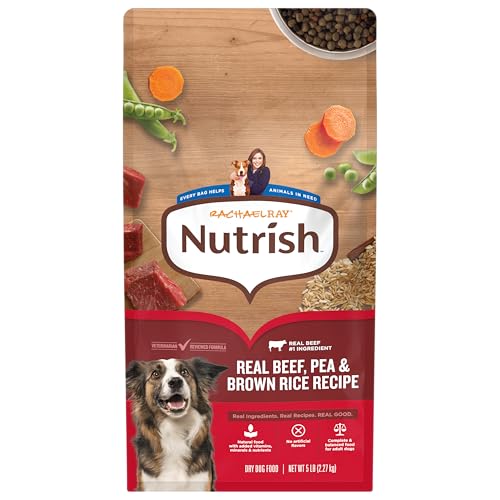
Most Recommended Dry Dog Food: A Practical Buying Guide
Navigate the kibble aisle with confidence. Learn what veterinary nutritionists look for, which ingredients matter, and how to match a dry food to your dog's specific needs — without the marketing noise.
Walking down the dry dog food aisle can feel overwhelming. Every bag promises optimal nutrition, glossy coats, and boundless energy. But behind the colorful packaging and bold claims, the differences between formulas are often subtle — and some are more meaningful than others. This guide cuts through the noise. Whether you are feeding a growing puppy or a senior with sensitive digestion, understanding what separates a genuinely well-formulated dry food from an average one will help you make a choice you can feel confident about.
What Makes a Dry Dog Food "Recommended"?
A recommended dry dog food is not simply one with a recognizable brand name or a premium price tag. It is a formula that consistently delivers complete and balanced nutrition, uses quality ingredients, and is backed by transparent manufacturing practices. Several factors distinguish a genuinely well-formulated kibble from a mediocre one.
- AAFCO compliance: The food meets the nutritional adequacy statement for the dog's life stage, either through formulation or feeding trials. This is the baseline — without it, the food cannot legally be called "complete and balanced."
- Named animal protein first: Ingredients like "chicken," "salmon," or "lamb" should appear at the top of the list, not vague terms like "meat meal" or "poultry by-product."
- Transparent manufacturing: The brand discloses where the food is made and has a veterinary nutritionist on staff. Companies that invest in research and quality control produce more consistent products.
- Appropriate nutrient profile: Protein, fat, and fiber levels match the dog's life stage and lifestyle. A sedentary senior does not need the same calorie density as a working retriever.
- Evidence of digestibility: Quality formulas use ingredients that dogs can actually absorb — not just ingredients that look good on a label.
Key Insight: The most expensive food is not automatically the best, and the cheapest is rarely a good value in the long run. The right dry food is one that meets your dog's nutritional needs, agrees with their digestion, and fits your household's practical realities.
Reading the Label Like a Pro
The ingredient list tells a story — but you need to know how to read it. Ingredients are listed by weight before cooking, which means fresh meats (which are mostly water) appear higher than they would after processing. This is why some premium foods list "chicken" first but derive most of their actual protein from a meal further down the list.
Ingredients That Signal Quality
- Named meat meals: "Chicken meal" or "salmon meal" are concentrated protein sources. They are not inferior to fresh meat — in fact, they provide more protein per pound in the finished kibble.
- Whole grains and digestible carbohydrates: Brown rice, oatmeal, barley, and sweet potatoes provide energy and fiber. These are preferable to excessive use of corn, wheat, or unnamed grain fragments for most dogs.
- Named fat sources: "Chicken fat" or "salmon oil" preserved with mixed tocopherols (vitamin E) are preferable to generic "animal fat" or artificial preservatives like BHA and BHT.
- Specific omega sources: Fish oil, flaxseed, and chelated minerals indicate a formula designed with nutrient absorption in mind.
Red Flags to Watch For
- Vague protein sources: "Meat meal," "poultry by-product meal," or "animal digest" without a named species tells you little about quality or consistency.
- Excessive splitting: If peas, pea protein, pea fiber, and pea starch all appear separately, they may collectively make up a large portion of the food while appearing lower individually on the list.
- Artificial colors and flavors: These add nothing nutritional and may indicate a lower-quality formulation.
- Unclear sourcing: Brands that do not disclose where ingredients come from or where the food is manufactured are harder to trust.
Quality Tiers Explained
Dry dog foods generally fall into three broad tiers based on ingredient quality, manufacturing standards, and nutritional philosophy. Understanding these tiers helps you make a value-based decision without relying on price alone.
Entry-Level
These formulas meet AAFCO standards and provide adequate nutrition, but often rely on corn, wheat, or soy as primary carbohydrate sources and may include by-product meals or artificial preservatives. They are a reasonable option for budget-conscious households, but they typically offer less transparency and fewer premium ingredients.
Basic NutritionMid-Range
The sweet spot for many dog owners. These foods feature named animal proteins, digestible grains or quality alternative carbohydrates, and natural preservatives. They often include added joint support, omega fatty acids, or probiotics. Mid-range formulas represent the best balance of nutritional quality and practical value.
Best Overall ValuePremium
These diets emphasize high animal protein content, limited or novel ingredients, and rigorous sourcing. They may use fresh or raw-inspired ingredients, undergo feeding trials, and include functional additives like glucosamine or novel protein sources. Premium foods are ideal for dogs with specific sensitivities or owners seeking maximum nutritional density.
Specialized NutritionWhen comparing tiers, consider digestibility and calorie density rather than ingredient count alone. A mid-range food with highly digestible ingredients may provide better value than a premium food that your dog cannot fully absorb. For dogs with sensitive stomachs, a targeted sensitive-stomach formula from the mid-range or premium tier often delivers the most noticeable improvements.
Life Stage and Size Matter More Than Breed
Breed-specific marketing is everywhere, but the two factors that most influence a dog's nutritional needs are life stage and body size. A large-breed puppy has very different requirements from a small-breed senior, regardless of breed name on the bag.
Life Stage Considerations
- Puppy formulas: Higher in protein, calories, and specific nutrients like DHA for brain development. Large-breed puppies need controlled calcium and phosphorus levels to support healthy bone growth without excess.
- Adult maintenance: Balanced protein and fat to maintain weight and energy. The majority of a dog's life is spent on adult food, so choosing a high-quality maintenance formula is the most important decision for most owners.
- Senior formulas: Often lower in calories to prevent weight gain, with added joint support and easily digestible ingredients. Not all senior dogs need a senior formula — an active, healthy older dog may do fine on adult food with portion monitoring.
Size Considerations
- Small breeds: Benefit from smaller kibble and higher calorie density. A toy breed cannot eat enough large kibble to meet its energy needs without overeating.
- Large breeds: Need larger kibble to encourage chewing and slow eating, plus joint support nutrients like glucosamine and chondroitin. Large breeds are also prone to bloat, so avoiding very small kibble can reduce risk.
If your dog has specific breed-related concerns, such as a German Shepherd with a sensitive stomach or a French Bulldog with skin allergies, look for formulas that address those issues directly rather than relying on a breed-specific label.
Special Dietary Needs and Targeted Formulas
For dogs with confirmed food sensitivities, allergies, or medical conditions, a targeted dry food can make a remarkable difference. The key is to match the formula to the specific issue — not to guess.
- Limited ingredient diets (LID): These formulas reduce the number of primary protein and carbohydrate sources, making it easier to identify and avoid trigger ingredients. They are most useful during an elimination diet or for dogs with known sensitivities. Look for a single novel animal protein and a digestible carbohydrate source.
- Hydrolyzed protein diets: The protein is broken down into tiny fragments too small to trigger an immune response. These are often prescription diets for dogs with severe protein allergies. A hydrolyzed protein formula may be recommended by your veterinarian.
- Weight management formulas: Lower in calories and fat, with higher fiber to promote satiety. These are appropriate for dogs that need to lose weight or maintain a healthy weight after neutering. A weight loss dry food should be paired with portion control and increased exercise.
- Sensitive skin and stomach formulas: Often use novel proteins (salmon, lamb, duck) and avoid common allergens like chicken, beef, wheat, and corn. They may include added omega fatty acids and probiotics for digestive and skin support.
Important: If you suspect your dog has a food allergy, do not switch foods repeatedly on your own. Work with your veterinarian to conduct a proper elimination diet or allergy test. Repeatedly changing foods without a plan can make it harder to identify the trigger and may cause unnecessary digestive upset.
The Grain-Free Debate: What You Need to Know
Grain-free dry dog food remains popular, but the conversation around it has become more nuanced. True grain allergies in dogs are relatively uncommon — most adverse food reactions involve animal proteins, not grains. Grain-free formulas are a legitimate choice for dogs with confirmed grain sensitivities, but they are not inherently healthier for the average dog.
The FDA has investigated a potential association between certain grain-free diets — particularly those with high proportions of peas, lentils, and other legumes — and dilated cardiomyopathy (DCM), a serious heart condition. While no definitive causal link has been established, many veterinary cardiologists recommend caution with grain-free diets that rely heavily on legumes as protein and carbohydrate sources.
If you choose grain-free, look for formulas where animal protein remains the primary ingredient and legume content is moderate. For most dogs, a grain-inclusive diet with digestible grains like rice, oats, or barley provides excellent nutrition with fewer unknowns. If your dog has been diagnosed with a specific grain allergy, a novel protein diet may be a more targeted solution than simply going grain-free.
How to Switch Dry Foods Safely
Abruptly changing your dog's food is one of the most common causes of digestive upset. Even a high-quality new food can cause loose stools or vomiting if introduced too quickly. A gradual transition gives your dog's gut microbiome time to adjust.
- Days 1–3: Feed 75% old food and 25% new food. Watch for any signs of digestive discomfort.
- Days 4–6: Move to a 50-50 ratio. If stools remain normal, continue.
- Days 7–9: Feed 25% old food and 75% new food.
- Day 10 onward: Transition to 100% new food.
If your dog develops diarrhea, vomiting, or refuses to eat during the transition, slow down and extend the timeline. Some dogs with particularly sensitive digestion benefit from a 2–3 week transition. If problems persist, consult your veterinarian — the food may not be the right match, or there may be an underlying issue.
Frequently Asked Questions
The Bottom Line: The most recommended dry dog food is the one that meets your dog's individual needs — not the one with the flashiest marketing or the highest price. Prioritize AAFCO compliance, named animal protein, and a formula appropriate for your dog's life stage and size. If your dog has sensitivities, choose a targeted formula rather than guessing. And remember: dry food is only one part of the equation. Portion control, fresh water, regular exercise, and routine veterinary care matter just as much as what's in the bowl.