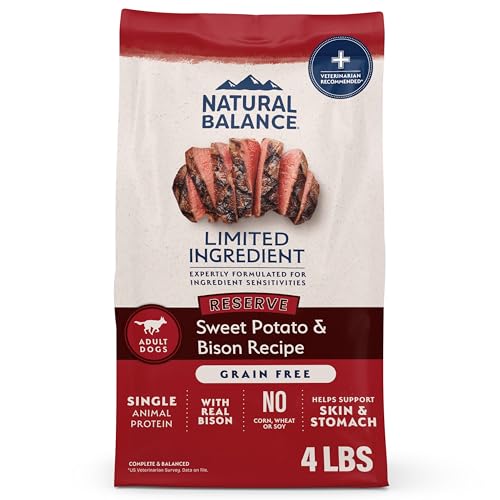
Novel Protein Dog Food: The Complete Guide
If your dog suffers from chronic itching, digestive upset, or recurring ear infections, a novel protein diet may be the solution. Learn how these specialized formulas work, which proteins to choose, and how to run a successful elimination trial.
Food allergies and sensitivities affect an estimated 10 to 20 percent of dogs. Unlike humans, dogs rarely show respiratory symptoms from food allergies. Instead, they develop itchy skin, chronic ear infections, paw licking, vomiting, diarrhea, and unexplained weight loss. When a standard diet keeps triggering these problems, novel protein dog food becomes one of the most effective tools in veterinary dermatology.
This guide explains exactly what novel protein dog food is, how it differs from other hypoallergenic options, which protein sources work best, and how to run a proper elimination trial so you can identify the true cause of your dog's symptoms instead of guessing. If you have already tried switching brands without success, the information below explains why — and what to do differently.
Quick Definition: A novel protein is any protein source your dog has never eaten before. Because the immune system has no prior exposure to it, the risk of an allergic reaction is dramatically lower. Common examples include venison, kangaroo, rabbit, duck, bison, alligator, and insect-based proteins.
What Is Novel Protein Dog Food?
Novel protein dog food is a diet built around a single protein source that is new to your dog's immune system. Most commercial dog foods rely on chicken, beef, lamb, or fish — proteins that appear in countless treats, chews, and table scraps. After months or years of exposure, some dogs develop an immune response to these common ingredients. A novel protein formula breaks that cycle by introducing a protein the body does not recognize as a threat.
It is important to understand that novel protein food is not the same as "grain-free" or "limited ingredient." A limited ingredient diet simply contains fewer components. A true novel protein formula must use a protein your individual dog has never consumed. The same bag of venison kibble is novel for one dog and completely familiar for another who grew up on a venison-based diet. That is why a detailed diet history is the first step before choosing any formula.
These diets are most often used in two scenarios. First, as a diagnostic tool during an elimination trial to confirm or rule out food allergy. Second, as a long-term maintenance diet for dogs with confirmed allergies who cannot tolerate conventional proteins. For dogs with sensitive stomachs that are not true allergies, novel proteins can still help reduce digestive upset, though the mechanism is different. If your dog struggles specifically with dry food refusal, our guide on why dogs stop eating dry food covers additional strategies.
How Food Allergies Develop in Dogs
Food allergies are not present at birth. They develop after repeated exposure to a protein. The immune system gradually becomes sensitized, and symptoms appear only after months or years of eating the same ingredient. This delayed onset is why owners are often confused: the dog has eaten chicken for years without issue, then suddenly develops itching and ear infections. The chicken did not change — the immune system did.
This mechanism also explains why switching to a "hypoallergenic" food from the pet store sometimes fails. Many over-the-counter formulas still contain chicken, beef, or fish by-products, or they are processed on shared equipment where cross-contamination occurs. A genuine novel protein diet requires strict control over every ingredient and every treat that enters the dog's mouth.
Signs Your Dog May Need Novel Protein Food
Food allergy symptoms overlap with many other conditions, including environmental allergies, parasite infestations, and hormonal disorders. That is why a veterinary diagnosis matters. Still, certain patterns strongly suggest a food component is involved.
Skin-Related Symptoms
- Chronic itching that does not respond to flea treatment
- Recurring ear infections, especially in both ears
- Constant paw licking and chewing
- Redness, rashes, and hot spots around the face, paws, and rear
- Hair loss and thickened, darkened skin from chronic scratching
- Secondary bacterial or yeast infections on the skin
Skin symptoms are the most common presentation of food allergy in dogs. If your dog's paws are persistently red and licked raw, our article on red, licked paws explains how to tell food allergy apart from environmental triggers.
Digestive Symptoms
- Vomiting or regurgitation after meals
- Chronic diarrhea or loose stools
- Frequent gas and abdominal discomfort
- Weight loss despite a normal or increased appetite
- Stool that contains mucus or fresh blood
- Eating grass or other non-food items to soothe the stomach
Digestive signs can be subtle at first. If your dog has had diarrhea for several days and is still acting normally, our guide on persistent diarrhea outlines when to see a vet versus when to try a dietary change.
Important: Not every itchy or vomiting dog has a food allergy. Environmental allergies, parasites, and inflammatory bowel disease produce identical symptoms. A novel protein elimination trial is the only reliable way to confirm food allergy — and it must be run correctly to produce meaningful results.
Best Novel Protein Sources for Dogs
The right protein depends entirely on your dog's dietary history. A protein is only novel if your dog has never eaten it. Below are the most commonly used novel proteins in veterinary diets, along with what makes each one useful and what to watch for.
Venison (Deer)
One of the most widely available novel proteins. Lean, highly digestible, and rarely used in mainstream dog food. Excellent for dogs with chicken or beef allergies. Watch for formulas that blend venison with chicken meal as a flavor booster — that defeats the purpose entirely.
Mid-range to premiumKangaroo
Extremely lean and uncommon in most households, making it an excellent choice for dogs with multiple protein allergies. High in protein and low in fat. Availability is limited and formulas tend to be premium to luxury tier. Not suitable for dogs with kidney disease due to high protein density.
Premium to luxuryRabbit
Highly digestible and well tolerated by most dogs. Frequently used in veterinary prescription diets. Rabbit is lean and rich in B vitamins. The main risk is cross-contamination in facilities that also process poultry, so source quality matters.
Mid-range to premiumDuck
Technically poultry, but distinct enough from chicken and turkey that many allergic dogs tolerate it. Rich in iron and easily digestible. Widely available in both kibble and wet formats. Confirm the formula contains no chicken fat or chicken by-products.
Mid-rangeBison
Leaner than beef with a different protein structure, making it novel for most dogs. High in iron and omega-3 fatty acids. Availability has improved significantly. Look for single-source bison with no beef meal blended in.
PremiumAlligator
A truly exotic option with extremely low cross-reactivity. Used in select prescription and boutique diets. High in lean protein, low in fat. Availability is limited and formulas are typically top-tier. Best reserved for dogs with confirmed allergies to multiple common proteins.
Luxury tierInsect-Based Protein
Sustainable and increasingly popular. Black soldier fly larvae provide a complete amino acid profile. Highly novel for dogs raised on conventional diets. Environmental benefits are significant. Digestibility and palatability are improving with each generation of products.
Mid-priced, emerging segmentWhitefish and Salmon
Novel only if your dog has never eaten fish. Many commercial foods contain fish oil or fish meal, which can sensitize the immune system. Verify the entire formula is fish-free before treating fish as novel. Excellent source of omega-3 fatty acids for skin health.
Entry-level to mid-rangeNotice that tier descriptors reflect relative market positioning, not absolute quality. A premium-tier formula is not automatically better for your dog than a mid-range one — the correct choice is the protein your dog has never eaten, paired with a manufacturer that maintains strict cross-contamination controls.
Novel Protein vs Hydrolyzed Protein Dog Food
Both approaches target food allergy, but they work differently. Understanding the distinction helps you have a more productive conversation with your veterinarian about which is appropriate for your dog's situation.
| Feature | Novel Protein Diet | Hydrolyzed Protein Diet |
|---|---|---|
| Mechanism | Uses a protein the immune system has never encountered | Breaks proteins into fragments too small to trigger an immune response |
| Best for | Dogs with known allergies to common proteins | Dogs with multiple allergies or severe reactions |
| Palatability | Generally good to excellent | Often lower; some dogs refuse hydrolyzed diets |
| Availability | Wide; many over-the-counter options | Mostly veterinary prescription only |
| Cost positioning | Mid-range to luxury depending on protein | Premium to top-tier |
| Risk of failure | Higher if cross-contamination occurs | Lower due to molecular size of proteins |
| Long-term use | Yes, once a safe protein is identified | Yes, though some dogs transition to novel protein after diagnosis |
Many veterinarians start with a hydrolyzed diet because it provides the most controlled diagnostic conditions, then transition the dog to a novel protein diet for long-term maintenance once the allergy is confirmed. This two-step approach balances diagnostic accuracy with quality of life and long-term practicality.
How to Choose the Right Formula
Choosing a novel protein food is more complex than grabbing the most exotic bag on the shelf. Every ingredient, every processing facility, and every treat your dog eats affects the outcome. Use the checklist below to evaluate any candidate formula.
- Verify the protein is truly novel. Review your dog's entire dietary history, including treats, chews, dental products, and flavored medications. If your dog has ever eaten duck-flavored training treats, duck is no longer novel. Our article on choosing dog treats explains how to audit hidden protein sources.
- Confirm single-source protein. The ingredient list should contain one animal protein. Formulas that blend venison with chicken meal, or rabbit with fish, defeat the purpose. Look for "single-source" or "limited ingredient" claims — but verify them on the label, not just the front of the bag.
- Check for cross-contamination risk. A manufacturer that processes chicken and venison on the same line can introduce trace allergens. Look for brands that run dedicated facilities or publish their allergen control protocols. This is one reason veterinary prescription diets are often preferred for diagnostic trials.
- Meet AAFCO nutritional standards. A novel protein diet must still be complete and balanced. Look for the AAFCO statement on the package confirming the formula meets nutritional requirements for your dog's life stage. Novelty does not excuse nutritional gaps.
- Match the format to your dog's needs. Kibble is convenient and helps with dental health. Wet food supports hydration and is often more palatable for picky eaters. Our guides on dry dog food and wet dog food explain how each format works. For dogs with both allergies and sensitive stomachs, the best food for allergies and sensitive stomachs combines both considerations.
- Review the full ingredient list for hidden triggers. Chicken fat, fish oil, and "natural flavors" are common hidden protein sources. Even small amounts can trigger reactions in highly sensitized dogs. If your dog has severe allergies, choose formulas that explicitly state they contain no chicken, beef, or other target proteins.
- Consider the life stage. Puppies need higher protein and calories for growth. Senior dogs need lower calories and joint support. A novel protein diet must match your dog's life stage. The best food for older small dogs with few teeth explains how senior dietary needs intersect with allergy management.
Pro Tip: Before committing to a full bag, request a small sample from the manufacturer or buy the smallest available size. Some dogs refuse novel proteins based on smell or texture alone. Testing palatability early avoids wasting money on a formula your dog will not eat.
Running an Elimination Trial
An elimination trial is the gold standard for diagnosing food allergy. Without it, any improvement you observe is anecdotal and may reflect coincidence, seasonal changes, or the placebo effect. A properly conducted trial produces a clear answer.
Step-by-Step Trial Protocol
- Work with your veterinarian. Do not start an elimination trial on your own. Your vet will assess your dog's symptoms, rule out parasites and other causes, and select an appropriate protein based on diet history.
- Eliminate everything except the trial diet. For 8 to 12 weeks, your dog eats only the novel protein food and water. No treats, no table scraps, no flavored toothpaste, no rawhides, no flavored medications. Even a single biscuit can invalidate the trial. Use the kibble itself as a training treat if needed.
- Keep a symptom diary. Record itching intensity, stool quality, ear condition, and any vomiting daily. Photos of affected skin at weekly intervals help track subtle changes that are hard to remember accurately.
- Do not change anything else. Avoid switching shampoos, flea products, or environment during the trial. If you introduce multiple changes at once, you cannot tell which one caused the improvement.
- Reassess at the end of the trial. If symptoms improve, your vet may recommend a "rechallenge" with the original diet. If symptoms return, food allergy is confirmed. If symptoms never improve, the problem is likely environmental or another condition — and a different diagnostic path is needed.
Timeline Reality Check: Skin symptoms often take longer to resolve than digestive symptoms. Diarrhea may improve within two weeks, while itchy skin can take the full 12 weeks. Do not abandon a trial early because the skin has not cleared completely. Patience is essential — premature termination is the most common reason elimination trials produce inconclusive results.
If your dog has concurrent digestive issues like intermittent diarrhea with blood, address those with your vet before or alongside the trial. Our guide on bloody diarrhea with normal behavior explains when symptoms suggest a more urgent workup.
Transitioning Your Dog Safely
Switching to any new food requires a gradual transition to avoid digestive upset. However, during a diagnostic elimination trial, your veterinarian may recommend a faster switch to minimize cross-contamination with the old diet. Always follow your vet's specific guidance for your dog's situation.
Standard Transition Schedule
- Days 1–2: 75 percent old food, 25 percent new food
- Days 3–4: 50 percent old food, 50 percent new food
- Days 5–6: 25 percent old food, 75 percent new food
- Day 7 onward: 100 percent new food
If your dog has a sensitive stomach, extend each phase by two to three days. Probiotics and digestive enzymes can smooth the transition, though check with your vet first. For dogs with a history of vomiting and diarrhea, a slower transition combined with a vet-supervised plan is safer.
During the transition, watch for signs of intolerance: increased gas, loose stools, vomiting, or refusal to eat. Mild gas and slightly softer stools in the first few days are normal. Persistent vomiting or diarrhea lasting more than 48 hours warrants a call to your vet. Our guide on vomiting with bloody diarrhea covers red-flag symptoms that require immediate attention.
Common Mistakes to Avoid
- Assuming "grain-free" means hypoallergenic. Most dog food allergies are to animal proteins, not grains. A grain-free chicken formula is useless for a dog allergic to chicken. The protein source matters far more than the presence of grain.
- Choosing a protein based on marketing rather than diet history. Kangaroo is not better than rabbit simply because it sounds more exotic. The right protein is the one your dog has never eaten — no more, no less.
- Feeding treats during the trial. This is the single most common reason elimination trials fail. All treats, chews, table scraps, and flavored medications must be eliminated. If your dog needs medication, ask your vet for a compound that is free of animal proteins.
- Ending the trial too early. Skin symptoms can take the full 12 weeks to resolve. Stopping at four weeks because the itching has not fully cleared wastes the effort and produces a false negative.
- Ignoring cross-contamination. A bag that lists venison as the first ingredient may still contain chicken fat or be processed on equipment shared with chicken-based foods. For highly sensitive dogs, this trace exposure can trigger symptoms. Our guide on most recommended dry dog food explains how to evaluate manufacturing transparency.
- Switching proteins too frequently. If you rotate novel proteins every few weeks, the immune system becomes exposed to each one and none remain novel. Once you identify a safe protein, stick with it for long-term maintenance.
- Overlooking non-food allergens. If your dog improves on a novel protein diet but still has residual itching, environmental allergens like pollen or dust mites may be contributing. Food allergy and environmental allergy frequently occur together.
Cross-Contamination Warning: If your dog shares a home with other pets eating different food, feed them separately and wash bowls between meals. Store the novel protein food in a sealed container away from other foods. Even a few kibbles of the old diet can trigger a reaction in a highly sensitized dog.
Frequently Asked Questions
Bottom Line
Novel protein dog food is a powerful tool for managing food allergies, but it only works when used correctly. The protein must be genuinely new to your dog, the diet must be fed exclusively for the full trial period, and the entire process should be guided by your veterinarian. Done properly, it can transform an itchy, uncomfortable dog into a comfortable one — and give you a clear answer about what is actually causing the problem. If you are also managing flea or parasite issues alongside allergies, our guides on dog flea treatment and monthly flea, tick, and heartworm prevention cover the other half of the itch relief equation.