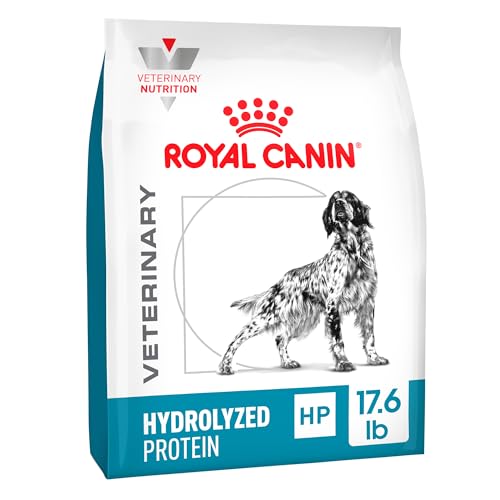
MRx RC Canine Hydrolyzed Protein Moderate Calorie
A complete guide to understanding this veterinary-exclusive diet for dogs with food sensitivities who also need weight management support. Learn how hydrolyzed protein works, who it is for, and what to expect.
If your veterinarian has recommended MRx RC Canine Hydrolyzed Protein Moderate Calorie, you are likely dealing with two challenges at once: managing your dog's food sensitivities and keeping their weight in check. This formula is designed specifically for that dual purpose, combining a hypoallergenic protein source with a calorie-controlled profile.
This guide explains what makes this diet different from standard hydrolyzed protein formulas, how it works to support dogs with adverse food reactions, and what you need to know before making the switch. Whether your dog has been diagnosed with a food allergy, inflammatory bowel disease, or chronic skin issues, understanding the science behind this formula will help you feel confident in your decision.
Important: This is a veterinary prescription diet. It should only be fed under the supervision of a licensed veterinarian who has evaluated your dog's specific health condition. Never switch to a therapeutic diet without professional guidance.
What Is MRx RC Canine Hydrolyzed Protein Moderate Calorie?
MRx RC Canine Hydrolyzed Protein Moderate Calorie is a dry dog food produced by Royal Canin as part of their Veterinary Diet range. The "MRx" designation refers to the veterinary prescription required to purchase this product, ensuring it is used appropriately for diagnosed medical conditions rather than general feeding.
The formula uses hydrolyzed soy protein as its primary protein source. Hydrolysis is a process that breaks proteins down into much smaller fragments called peptides. These small fragments are less likely to be recognized by a dog's immune system as allergens, which is why hydrolyzed diets are the gold standard for diagnosing and managing food allergies and intolerances [citation:1].
What sets this specific formula apart is its moderate calorie content. It contains approximately 9.7% fewer calories than the standard Hydrolyzed Protein HP formula, along with reduced fat levels. This makes it appropriate for dogs who need a hypoallergenic diet but are also prone to weight gain, have been neutered, or live a less active lifestyle [citation:1][citation:2].
Nutritional Profile at a Glance
| Nutrient | Amount |
|---|---|
| Crude Protein (min.) | 21.0% |
| Crude Fat (min.) | 10.0% |
| Crude Fat (max.) | 14.0% |
| Crude Fiber (max.) | 3.0% |
| Moisture (max.) | 10.5% |
| Phosphorus (max.) | 0.72% |
| Metabolizable Energy | 306 kcal per cup |
These values are based on the manufacturer's guaranteed analysis and reflect the typical composition of the formula [citation:1][citation:18].
How Hydrolyzed Protein Works for Food Sensitivities
When a dog has a food allergy or intolerance, their immune system mistakenly identifies certain proteins as threats. This triggers reactions ranging from itchy skin and ear infections to digestive upset including vomiting and diarrhea. The proteins most commonly responsible are those with larger molecular structures that the immune system can easily recognize.
Hydrolysis solves this problem by using enzymes to break proteins into fragments so small that the immune system largely ignores them. In this formula, the soy protein is broken down into low molecular weight peptides, which are highly digestible and significantly less likely to provoke an allergic response [citation:1].
This makes hydrolyzed diets valuable for two purposes: diagnosing food allergies through elimination trials and managing the condition long-term once the allergen has been identified. For dogs with inflammatory bowel disease or chronic enteropathies, hydrolyzed protein also gives the digestive system a break by providing protein that is easier to absorb [citation:15].
Why soy protein? Some owners are surprised that a hypoallergenic diet uses soy, which is a common allergen in humans. However, the hydrolysis process fundamentally changes how the body recognizes the protein. The resulting peptides are so small that they bypass the immune recognition that causes allergic reactions. This is different from feeding whole soy protein.
Key Benefits and Features
This formula addresses multiple aspects of canine health simultaneously. Understanding these benefits helps explain why veterinarians choose this specific diet over alternatives.
- Hydrolyzed protein for reduced allergenicity: The soy protein is broken into low molecular weight peptides that are highly digestible and less likely to trigger immune reactions. This supports both gastrointestinal and dermatological health.
- Moderate calorie content: With fewer calories than the standard hydrolyzed formula, this diet helps dogs maintain an ideal weight without sacrificing nutritional completeness. This is particularly important for neutered dogs and those with limited activity.
- Skin barrier support: The formula includes a complex of nutrients designed to reinforce the skin's natural protective barrier. This is crucial for dogs whose food sensitivities manifest as skin problems [citation:1].
- Restricted phosphorus: Moderate phosphorus levels help support kidney health, which becomes increasingly important as dogs age. This makes the diet suitable for long-term use in senior dogs [citation:2].
- Digestive support: An exclusive blend of fibers helps support healthy digestion in dogs prone to gastrointestinal upset, including those with a history of diarrhea or soft stools [citation:14].
Who Should Use This Diet?
This formula is intended for adult dogs with diagnosed or suspected food sensitivities who also need help managing their weight. Your veterinarian may recommend it for several specific situations.
Common Indications
- Food allergy diagnosis (elimination trials): When a food allergy is suspected, veterinarians often recommend a hydrolyzed protein diet for 3 to 8 weeks to see if symptoms improve. If they do, the diet may be continued long-term.
- Adverse food reactions: Dogs with confirmed allergies or intolerances to common proteins like chicken, beef, or wheat benefit from the hypoallergenic protein source.
- Inflammatory bowel disease (IBD): The highly digestible protein and fiber blend can help manage chronic intestinal inflammation.
- Chronic diarrhea: For dogs with recurrent gastrointestinal upset, a hydrolyzed diet gives the digestive system a chance to rest and heal.
- Skin allergies with weight concerns: Dogs whose food sensitivities cause itching, ear infections, or skin irritation, and who also need to lose or maintain weight, are ideal candidates for this moderate calorie version.
When This Diet May Not Be Appropriate
This formula is not recommended for growing puppies, pregnant or nursing dogs, or dogs with certain medical conditions. Always consult your veterinarian before starting any therapeutic diet. If your dog has pancreatitis, your vet may recommend a different approach, though this formula may be suitable for chronic cases under supervision [citation:16].
Moderate Calorie vs Standard Hydrolyzed Protein Formula
Royal Canin produces multiple hydrolyzed protein diets, and understanding the differences helps you understand why your veterinarian chose this specific one.
| Feature | Moderate Calorie Formula | Standard HP Formula |
|---|---|---|
| Calorie Content | 306 kcal/cup | Approximately 9.7% higher |
| Fat Content | 10-14% | Significantly higher (42.8% more fat) |
| Primary Protein | Hydrolyzed soy protein | Hydrolyzed protein (varies) |
| Best For | Dogs prone to weight gain, neutered dogs, less active dogs | Active dogs or those needing to gain weight |
| Phosphorus | Restricted (max 0.72%) | Standard levels |
The key difference is calorie density and fat content. If your dog gained weight easily or was neutered, the moderate calorie version prevents unwanted weight gain while still providing the hypoallergenic benefits. For highly active dogs or those who need to gain weight, the standard formula may be more appropriate [citation:14].
Feeding Guidelines and Transition
Proper transition and accurate portioning are essential for getting the most from this therapeutic diet. Unlike regular dog food, hydrolyzed diets require more careful management.
How to Transition
Most veterinarians recommend a gradual transition over 7 to 10 days to prevent digestive upset. However, if your dog is experiencing severe allergic reactions to their current food, your vet may advise a faster switch. Always follow your veterinarian's specific instructions for your dog's situation.
A typical transition schedule looks like this:
- Days 1-2: 25% new food, 75% old food
- Days 3-4: 50% new food, 50% old food
- Days 5-6: 75% new food, 25% old food
- Day 7 onward: 100% new food
During the transition, monitor your dog for signs of digestive upset. Mild soft stools can occur as the gut adjusts, but severe diarrhea or vomiting warrants a call to your veterinarian.
Feeding Amounts
Feeding amounts depend on your dog's weight, age, activity level, and body condition. The packaging provides guidelines, but your veterinarian can give you a more precise recommendation based on your dog's individual needs. For reference, a dog weighing around 10 kg (22 lbs) with a tendency toward overweight typically receives approximately 1 5/8 cups per day, while an ideal-weight dog of the same size receives about 1 7/8 cups [citation:3].
Critical: During a food elimination trial, your dog must eat ONLY the hydrolyzed diet. No treats, table scraps, flavored medications, or other foods should be given, as these can contain the allergens you are trying to avoid. Ask your veterinarian about suitable treats and flavorings for medications.
What Dog Owners Report
Owner experiences with this formula are generally positive, particularly regarding allergy symptom relief and weight management. On major retailer platforms, the product maintains a solid rating from hundreds of reviews [citation:5][citation:17].
Many owners report significant improvements in their dogs' skin and digestive symptoms after switching. One reviewer noted that their dog had been scratching continuously due to suspected allergies, and the moderate calorie formula was chosen due to its lower fat content. The dog loved the food and did very well on it [citation:5]. Another owner of a large Rottweiler with chronic stomach issues reported that vomiting stopped completely from the first day of feeding this diet [citation:5].
Some owners mention the cost as a consideration, which is typical for veterinary therapeutic diets. However, for dogs with genuine food allergies, the improvement in quality of life often justifies the investment. A few reviewers noted that their dogs experienced soft stools during the transition period, which resolved as their systems adjusted.
It is worth noting that this formula contains chicken fat, which may be a concern for dogs with confirmed chicken allergies. If your dog has a known chicken sensitivity, discuss alternative options with your veterinarian.
Frequently Asked Questions
The Bottom Line
MRx RC Canine Hydrolyzed Protein Moderate Calorie serves a specific but important purpose: it allows dogs with food sensitivities to receive a nutritionally complete, hypoallergenic diet without the weight gain that often accompanies standard hydrolyzed formulas. If your veterinarian has recommended this diet, it is because they have identified that your dog needs both allergen management and calorie control. Following their guidance, transitioning gradually, and avoiding all other foods during elimination trials will give your dog the best chance at comfortable, symptom-free living. For more information on managing food allergies and sensitive stomachs, explore our guides on dog food for allergies and sensitive stomachs and novel protein dog food.